Imagine you just launched a new restaurant marketing campaign. You spent $2,000 on Google Ads for your Italian bistro. Two weeks later, you have 500 impressions but only 8 clicks. That is a 1.6% CTR, and you have no idea if that is good or bad.
This is exactly why understanding click through rate for restaurants matters. Your ad spend goes nowhere without clicks.
Why Click Through Rate Matters for Restaurants
Restaurants operate on thin margins, and every marketing dollar must work harder. CTR tells you if your online presence is compelling enough to pull people in.
Your menu is your product, but your CTR is your storefront window. When someone searches “best pasta near me” or “romantic dinner restaurant [city],” your listing needs to convince them to click. A low CTR means your titles, descriptions, or photos are not stopping the scroll.
Here is why CTR should be your priority:
- Higher CTR lowers your cost per click. Google rewards ads that get clicks with better ad positions and lower prices. Improving from 2% to 4% can cut your cost per click in half.
- CTR reflects customer intent. If people are clicking but not booking, your landing page needs work. If no one is clicking, your targeting or ad creative needs adjustment.
- Local restaurant searches are competitive. There are likely 10+ restaurants bidding on “pizza delivery [your city].” A compelling CTR keeps you visible.
- Social media matters too. Instagram or Facebook ads for restaurant promotions should also track CTR. A 0.5% CTR on Instagram is decent; 1%+ is excellent.
How to Check CTR in Google Analytics 4
Checking your CTR takes about two minutes in GA4. Here is how:
- Log into GA4 and select your restaurant property.
- Navigate to Acquisition. Click on “Traffic acquisition” in the left sidebar.
- Find your CTR column. Scroll across to find “Click through rate” or add it as a comparison metric.
- Filter by source. Use the “Session source” filter to see Google, Facebook, Instagram, or organic search specifically.
- Set a date range. Compare last 30 days to the previous 30 days to spot trends.
For Google Ads specifically, open your Google Ads account, go to the “Ads” section, and look at the “CTR” column. You can sort by highest CTR to see which ads resonate.
The Easier Way with ClawAnalytics
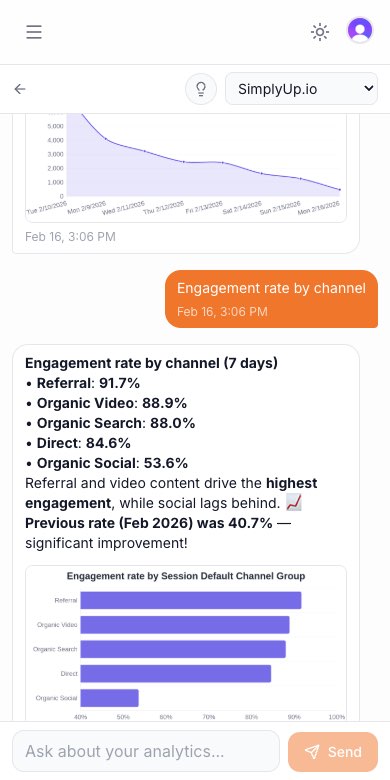
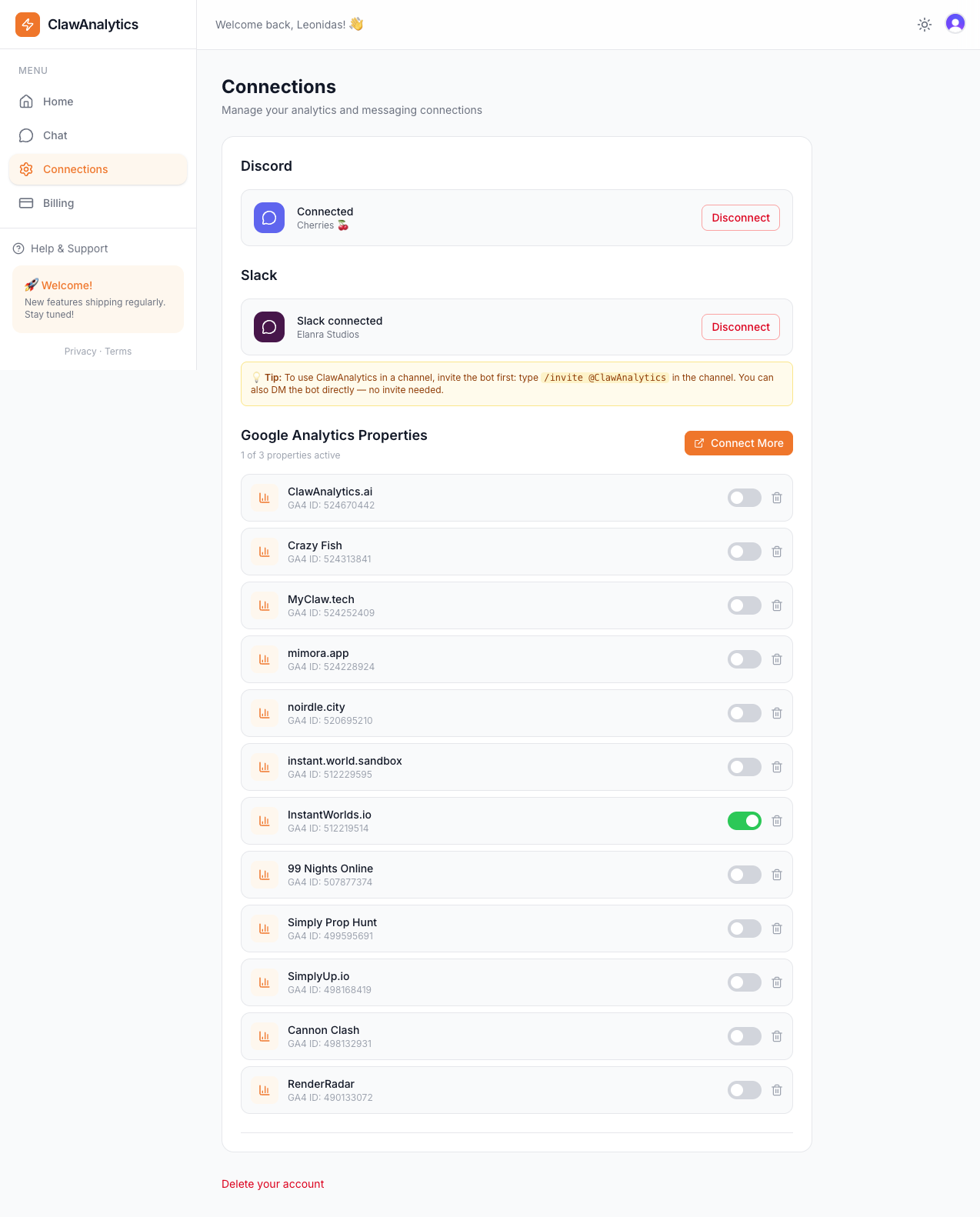
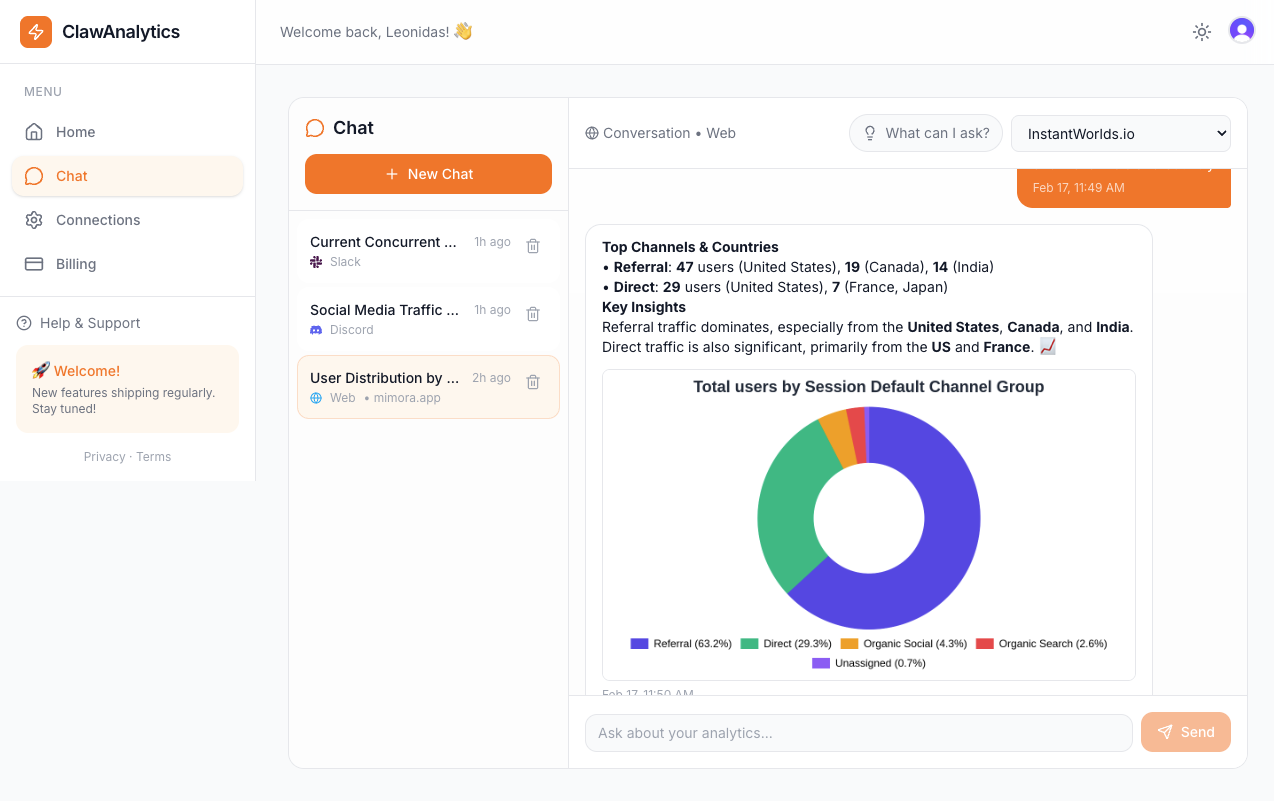
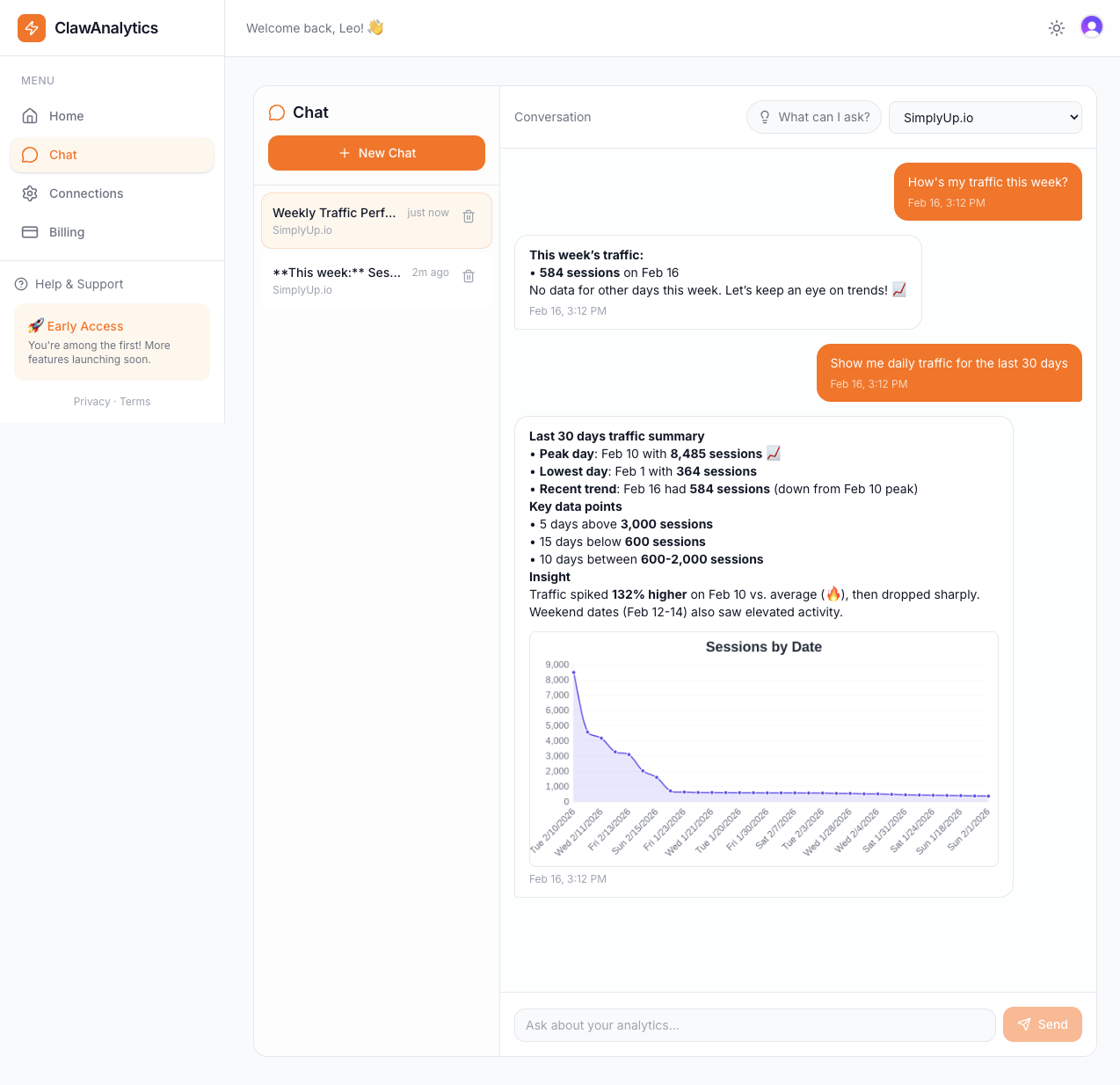
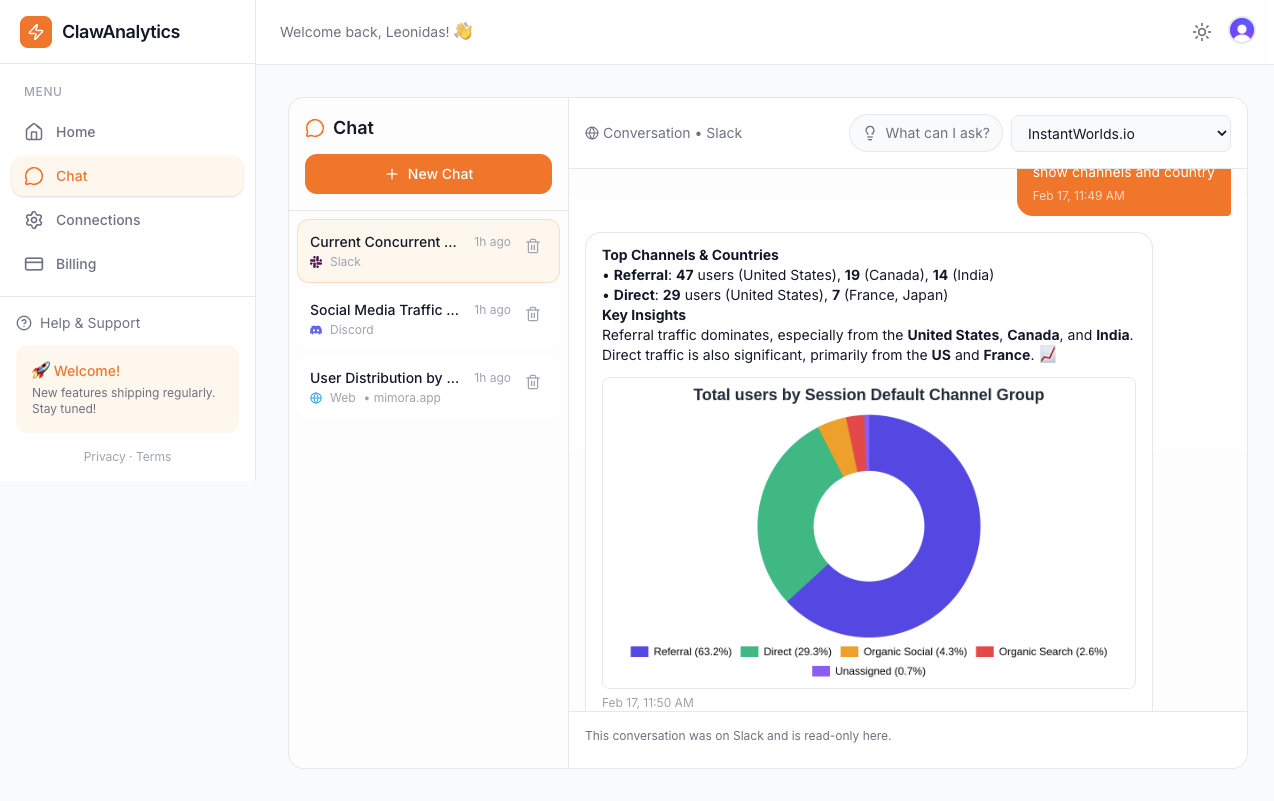
Let us be honest. Checking CTR across Google Ads, Meta, organic search, and email campaigns is time-consuming. ClawAnalytics brings everything into one view.
You can see which platform delivers the best CTR for your restaurant. Is Instagram Stories driving more clicks than Google Ads for your lunch special? ClawAnalytics shows you that instantly.
Example questions you can answer:
- Which day of the week gives the best CTR for your weekend brunch promotion?
- Are customers clicking your Google Ads or your Instagram link in bio more often?
- Has your CTR improved since adding photos of your signature dish to ads?
- Which cuisine (if you offer multiple) generates higher CTR on your paid campaigns?
This takes the guesswork out of where to spend your next marketing dollar.
Quick Wins to Improve Your Restaurant CTR
Here are actionable tips you can implement today:
- Add your signature dish to ad images. Food photos with color and texture get 30%+ higher CTR than generic stock photos.
- Use location in your headlines. “Best Pizza in Brooklyn” outperforms “Best Pizza” every time.
- Add price ranges in ad text. “$12 lunch specials available now” gives people a reason to click.
- Update your Google Business Profile regularly. Posts with offers get 30% more clicks.
- A/B test your ad copy weekly. Swap one element at a time. Try different calls to action like “Order Now” vs “Book a Table.”
- Use callout extensions in Google Ads. Highlight “Free WiFi,” “Outdoor Seating,” or “Vegan Options.”
Your CTR is not just a vanity metric. It is the first signal that your marketing is working.