Running a beauty salon means constantly balancing marketing spend with new client flow. You might be spending hundreds on Google ads or Instagram promotions, but do you actually know what each new client costs you? That’s where cost per acquisition (CPA) becomes your most important metric.
CPA tells you exactly how much money you spend to get one new client through the door. If you’re paying $100 for a client who spends $80 on a haircut, you’re losing money on every new acquisition. Tracking this metric helps you make smarter decisions about where to put your marketing budget.
Why Cost Per Acquisition Matters for Beauty Salons
It reveals your true marketing ROI. Many salon owners think their marketing is working because they see bookings coming in. But when you calculate CPA, you might discover that your expensive ad campaigns are actually losing money. A client who books once and never returns is not worth $200 in ad spend, no matter how great the haircut looked on Instagram.
It helps you compare marketing channels fairly. Perhaps your Google ads cost $30 per client while your Instagram promotions cost $60. Without tracking CPA, you might assume both are performing similarly. With CPA data, you can shift budget to the channel that actually brings affordable clients.
It guides pricing decisions. If your average CPA is $45 but your average service is $50, you have very little margin. Knowing this helps you decide whether to raise prices, improve client retention, or find cheaper acquisition channels.
It identifies seasonal patterns. Many salons see CPA spike during competitive periods like wedding season or holidays. Understanding these patterns lets you plan budgets accordingly instead of overspending when competition is fierce.
How to Check in GA4
Google Analytics 4 can track acquisition costs if you connect it to your ad spending. First, set up conversion events for bookings or appointments. Then, import your ad costs through Google Ads integration. GA4 will calculate CPA automatically in the acquisition reports.
To find this data, go to Acquisition then Click to expand the “All Users” section and look at cost per conversion. Make sure you’ve set up proper conversion tracking or the numbers will be incomplete.
The Easier Way
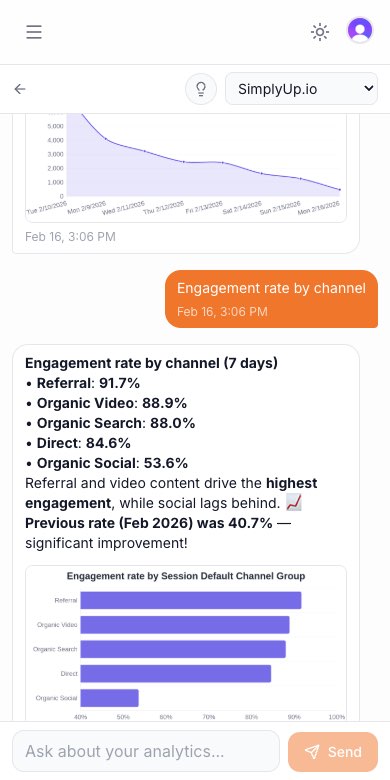
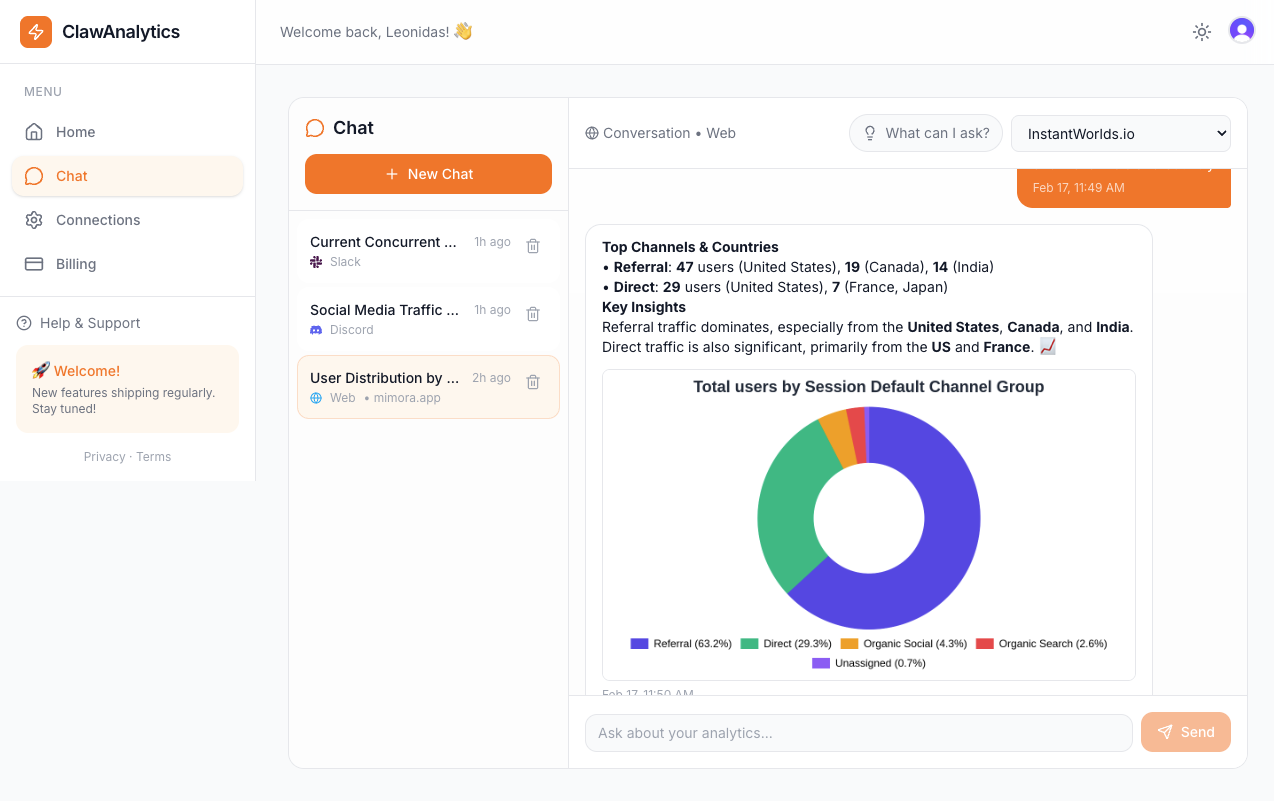
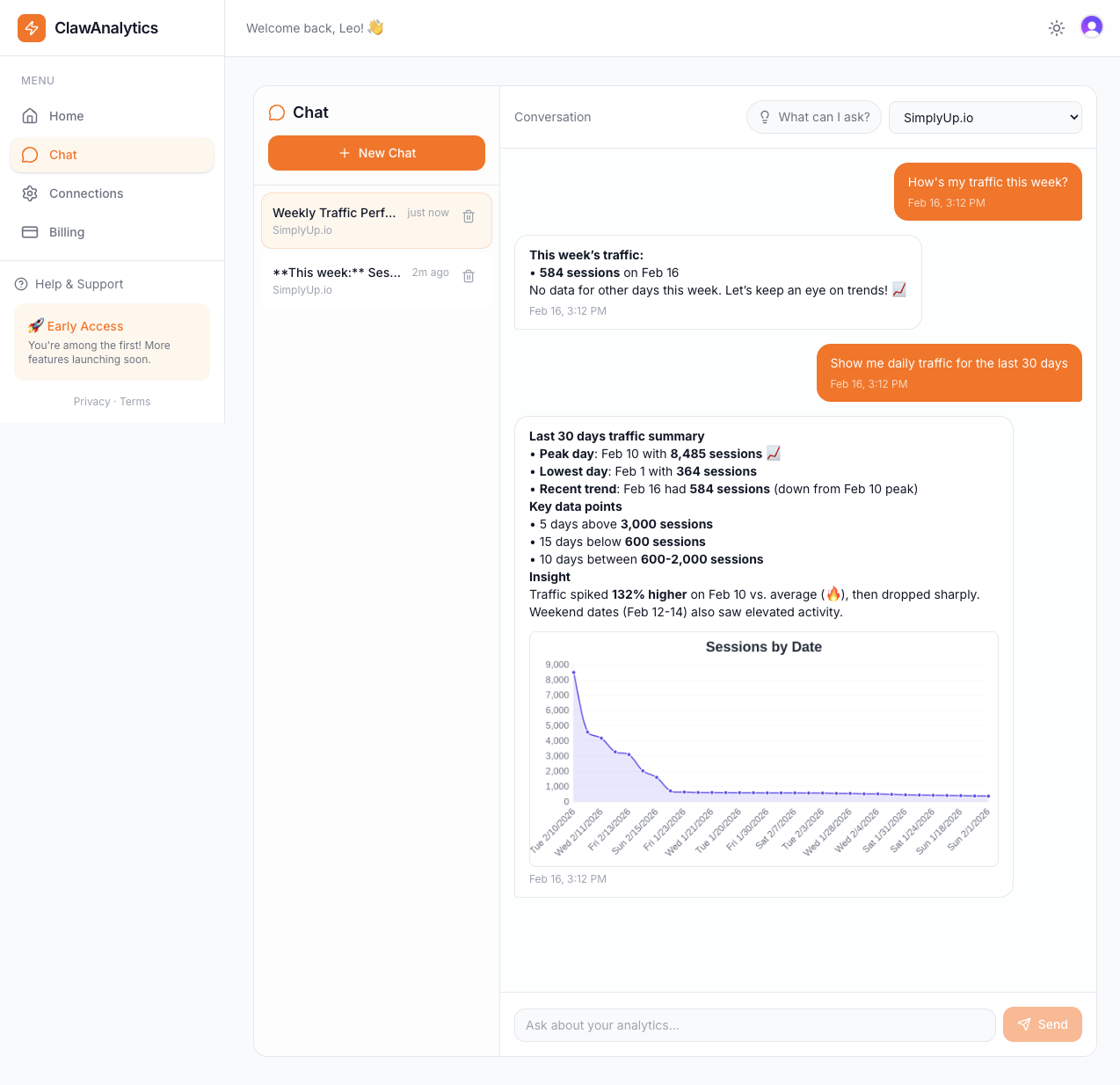
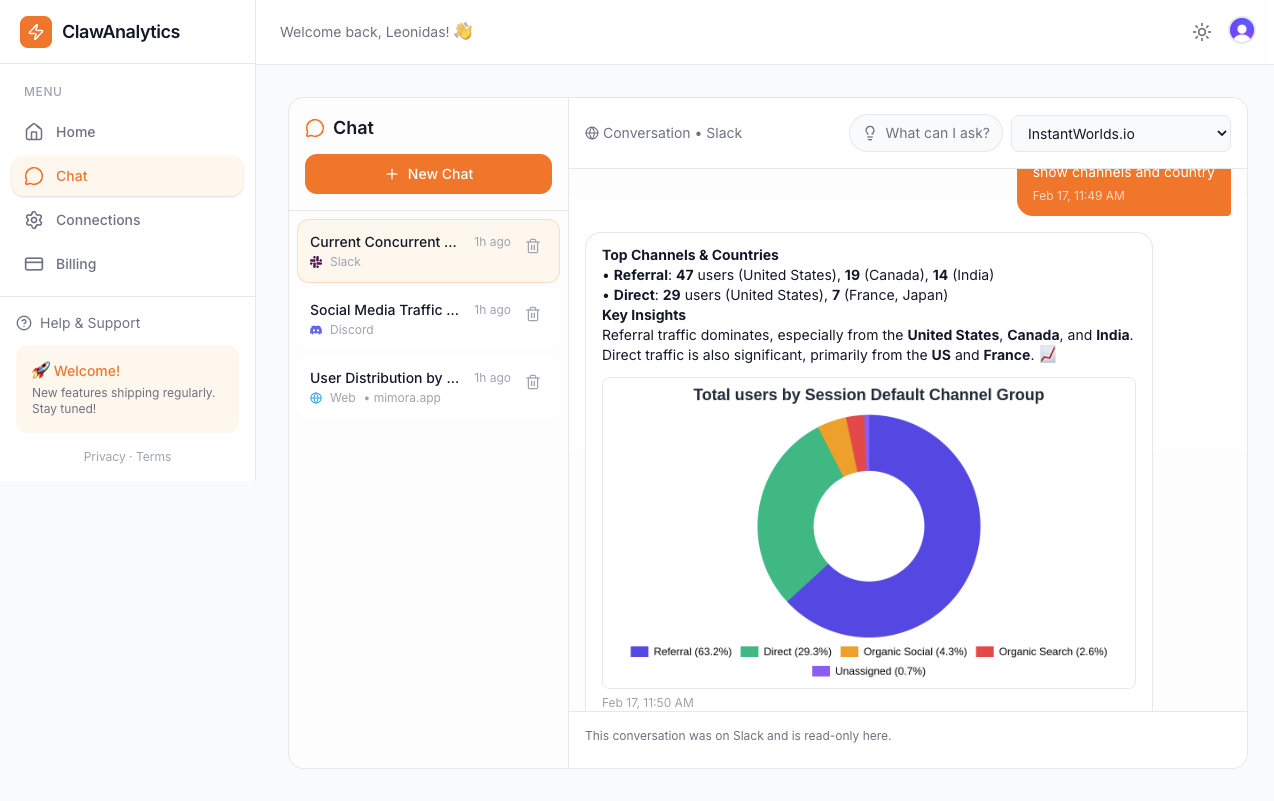
Manual CPA calculation in GA4 takes setup time and ongoing attention. ClawAnalytics makes this much simpler by automatically pulling data from your booking system and ad platforms. You can ask questions like “What’s my CPA for Instagram this month?” or “Which service brings the cheapest new clients?” and get instant answers.
For beauty salons, ClawAnalytics can show you which treatments attract clients who return for more appointments. A client who spends $40 on a haircut might become a $500 monthly regular with color and extensions. Knowing this helps you accept higher initial acquisition costs for certain services.
You can also see exactly how much your referral program costs compared to paid advertising. If referrals bring clients at $10 each while ads bring them at $45, the math becomes obvious.
Quick Wins
Track every booking source. Ask new clients how they found you. This simple question, recorded in your system, creates the foundation for accurate CPA calculations.
Set a CPA target. Decide ahead of time what you’re willing to spend. If your average client lifetime value is $600, a $50 CPA makes sense. If it’s $200, you need to get that number down to $30 or less.
Focus on retention. Getting a client to return costs nothing compared to acquiring a new one. Build systems that bring people back: loyalty programs, follow-up reminders, and exceptional service that generates word-of-mouth.
Test one channel at a time. Change only one variable in your marketing, then measure the CPA impact. This approach gives you clean data to work with instead of confusing results from multiple simultaneous changes.