Coaches face a unique challenge in marketing. Your product is transformation, which takes time to demonstrate. Meanwhile, you’re competing with countless other coaches offering similar services. Cost per acquisition (CPA) becomes your compass, showing whether your marketing investments are actually turning into paying clients.
CPA measures exactly what you spend to acquire one new client. If you spend $1,000 monthly on advertising and land 5 new clients, your CPA is $200. Compare this against your average client value. If your coaching programs average $3,000 per client, a $200 CPA leaves healthy profit. If you’re offering cheap discovery calls that rarely convert to paid programs, even a $50 CPA might not be worth it.
Why Cost Per Acquisition Matters for Coaches
It reveals your true marketing efficiency. Many coaches spend heavily on ads, courses, and tools while losing track of actual results. CPA cuts through the noise by connecting money spent directly to clients gained. This clarity helps you stop throwing money at approaches that feel productive but deliver no clients.
It helps you price strategically. Knowing your CPA informs how you structure offers. If it costs you $150 to acquire a client, you need pricing that exceeds this significantly. Understanding this relationship prevents underpricing that leaves you working harder than you’re earning.
It guides content and lead magnet decisions. Content marketing only makes sense if it eventually converts. Track CPA for leads that come from different content types. A podcast appearance might take more time than a blog post but deliver clients at a fraction of the cost.
It supports scaling decisions. Ready to grow? Your CPA tells you how much to budget for client acquisition at scale. You can’t profitably scale without knowing this number. Growth funded by ever-increasing acquisition costs leads to burnout, not profit.
How to Check in GA4
Set up conversion tracking for important actions: booking a discovery call, submitting an application, or purchasing a low-ticket offer. Import your ad spend from Google Ads or Facebook. Then analyze cost per conversion in your acquisition reports.
Create separate conversion events for different lead types so you can see CPA for high-quality prospects versus those who never convert to paying clients.
The Easier Way
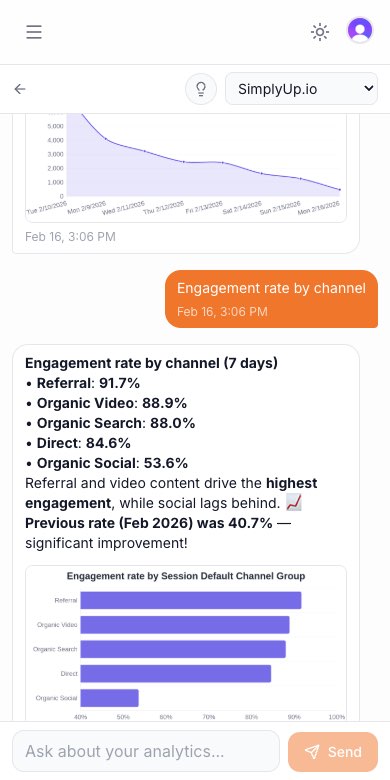
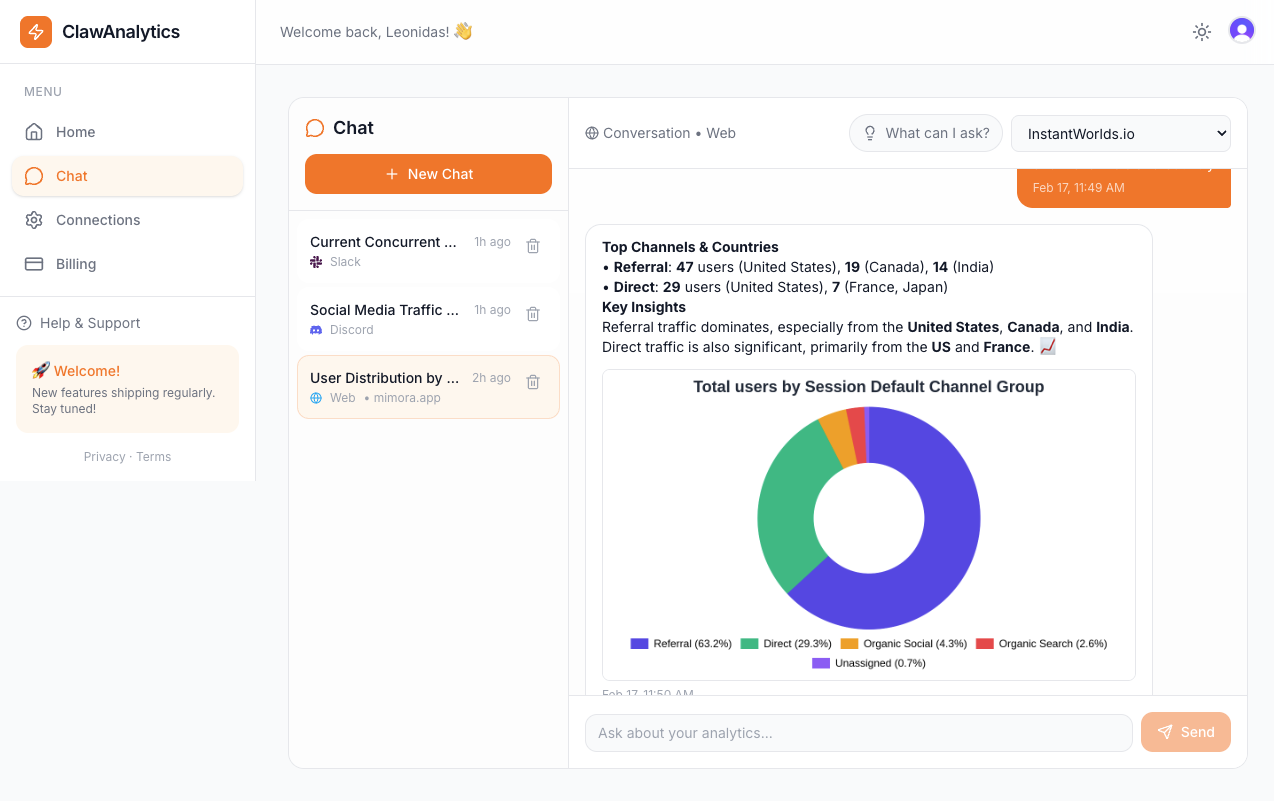
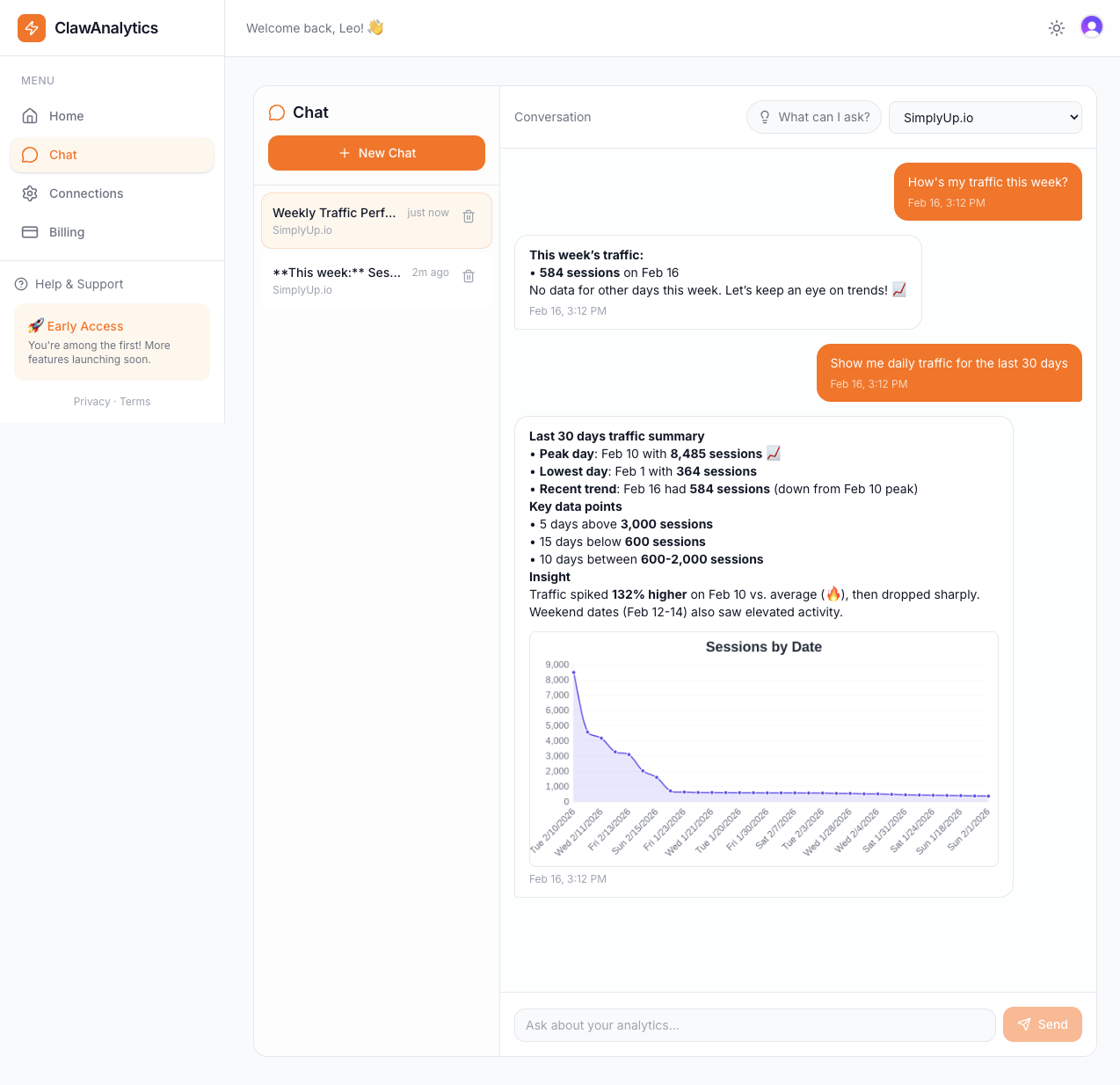
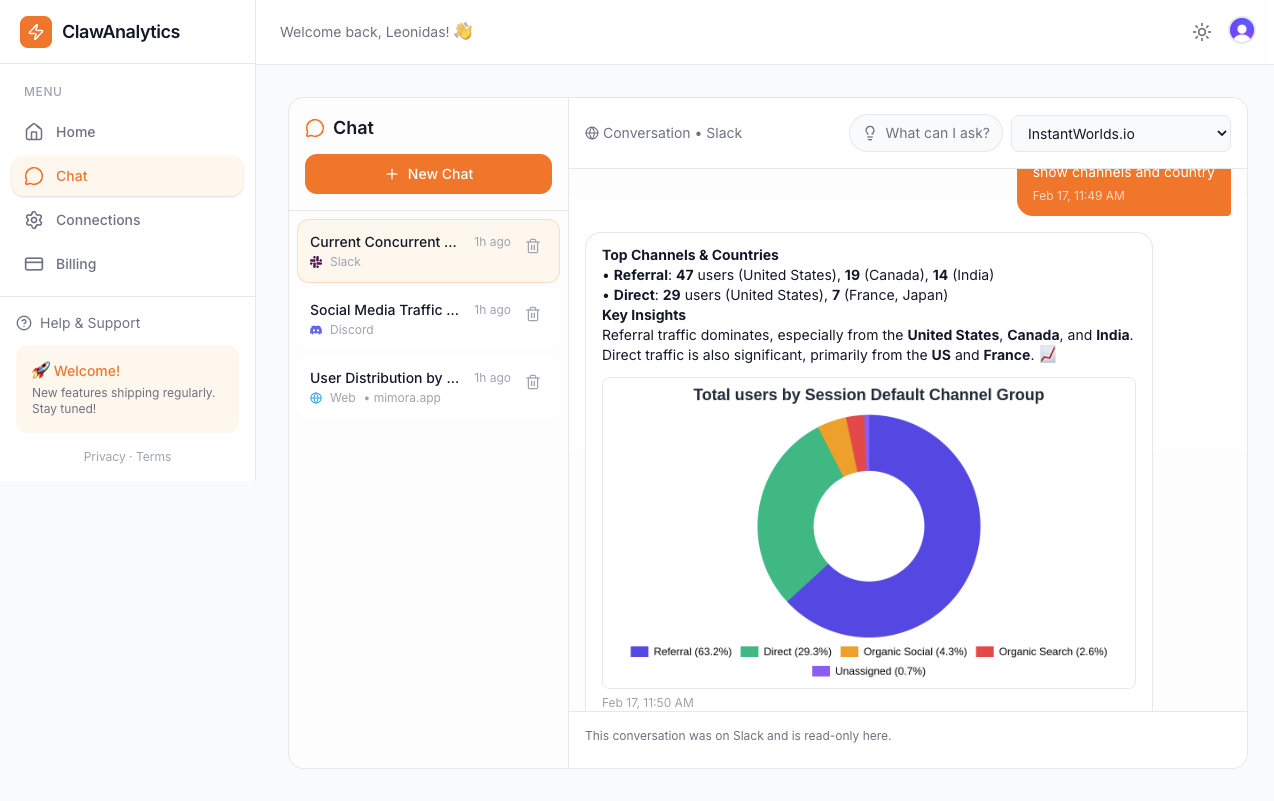
Calculating CPA manually across multiple platforms and offers quickly becomes overwhelming. ClawAnalytics brings all your data together in one place, showing you exactly which marketing efforts result in paid coaching relationships. You can ask questions like “What’s my client acquisition cost by marketing channel?” or “Which lead magnet brings the most clients?”
For coaches, ClawAnalytics helps you understand not just acquisition cost but also client retention and program completion rates. A marketing channel that brings clients who complete your full coaching program is far more valuable than one delivering clients who drop out after one session.
The platform also helps you track the entire client journey, from first touch through enrollment, identifying where potential clients drop off and what might improve conversion rates.
Quick Wins
Implement consistent lead source tracking. Use unique landing pages or tracking links for every marketing channel. Ask new clients how they found you. This creates the data foundation for meaningful CPA analysis.
Calculate client lifetime value. Understand how much clients typically spend over time. Multiply sessions, upsells, and referral bonuses. This number puts your CPA in proper context.
Focus on high-touch referrals. Satisfied clients who refer others typically cost nothing to acquire. Invest in client success and create easy referral mechanisms. One referred client is worth five from paid advertising.
Test systematically. Change one variable at a time in your marketing. Run A/B tests on landing pages. Track results carefully. Small improvements in CPA compound significantly over time.