Every dental practice faces the same challenge: spending money to attract new patients while staying profitable. You might run Google ads, sponsor local events, or send mailers to neighborhoods. But without tracking cost per acquisition (CPA), you’re essentially guessing where your marketing budget goes.
CPA measures exactly what you spend to bring in one new patient. If your marketing costs $10,000 monthly and you get 50 new patients, your CPA is $200. Sounds simple, yet many dentists have no idea what their number actually is. This metric separates practices that grow profitably from those that constantly feel cash-strapped.
Why Cost Per Acquisition Matters for Dentists
It determines practice profitability. A dental practice that spends $300 to acquire a patient who needs a $500 crown is barely breaking even. Procedures like cleanings and fillings generate far less revenue than crowns and implants. Knowing your CPA helps you understand which new patients actually contribute to growth.
It exposes wasteful spending. Many dentists advertise broadly without tracking results. A $2,000 monthly ad budget might bring 5 patients, resulting in a $400 CPA. That same money could potentially bring 40 patients through a different channel. CPA reveals these inefficiencies immediately.
It guides budget allocation. Some marketing brings high-value patients who accept treatment plans. Other channels bring price-shoppers who only want cleanings. CPA broken down by source shows you which channels deserve more budget and which should be cut.
It supports expansion decisions. Planning to open a second location? You’ll need to know your current CPA to project whether the new location can generate profit. Growth without CPA data often leads to expanded overhead with matching expanded losses.
How to Check in GA4
Set up conversion tracking in GA4 for appointment bookings. Connect your Google Ads account to import ad spend data. Then navigate to Acquisition, select your traffic source, and look at cost per conversion. Create a custom report that separates new patients from returning patients for accurate CPA calculation.
Make sure your booking system passes proper client identification to GA4, otherwise you’ll count the same patient multiple times.
The Easier Way
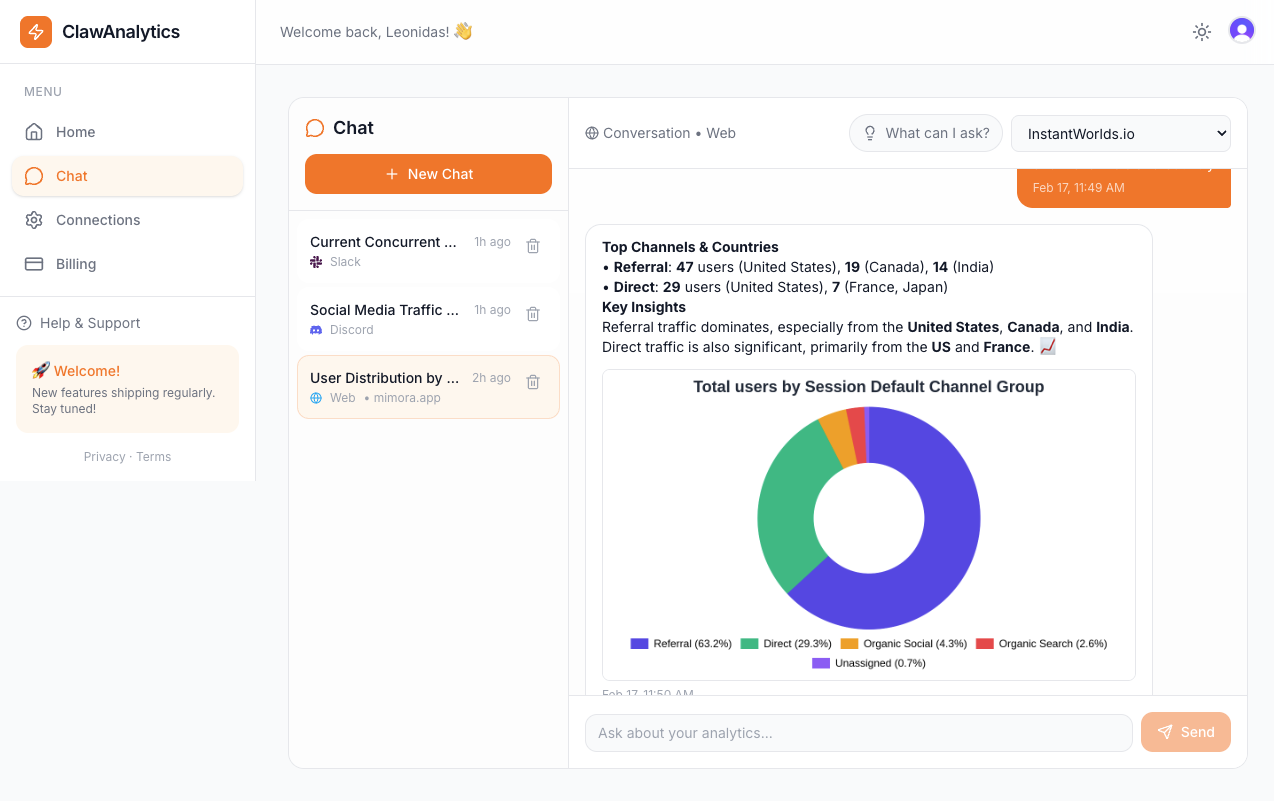
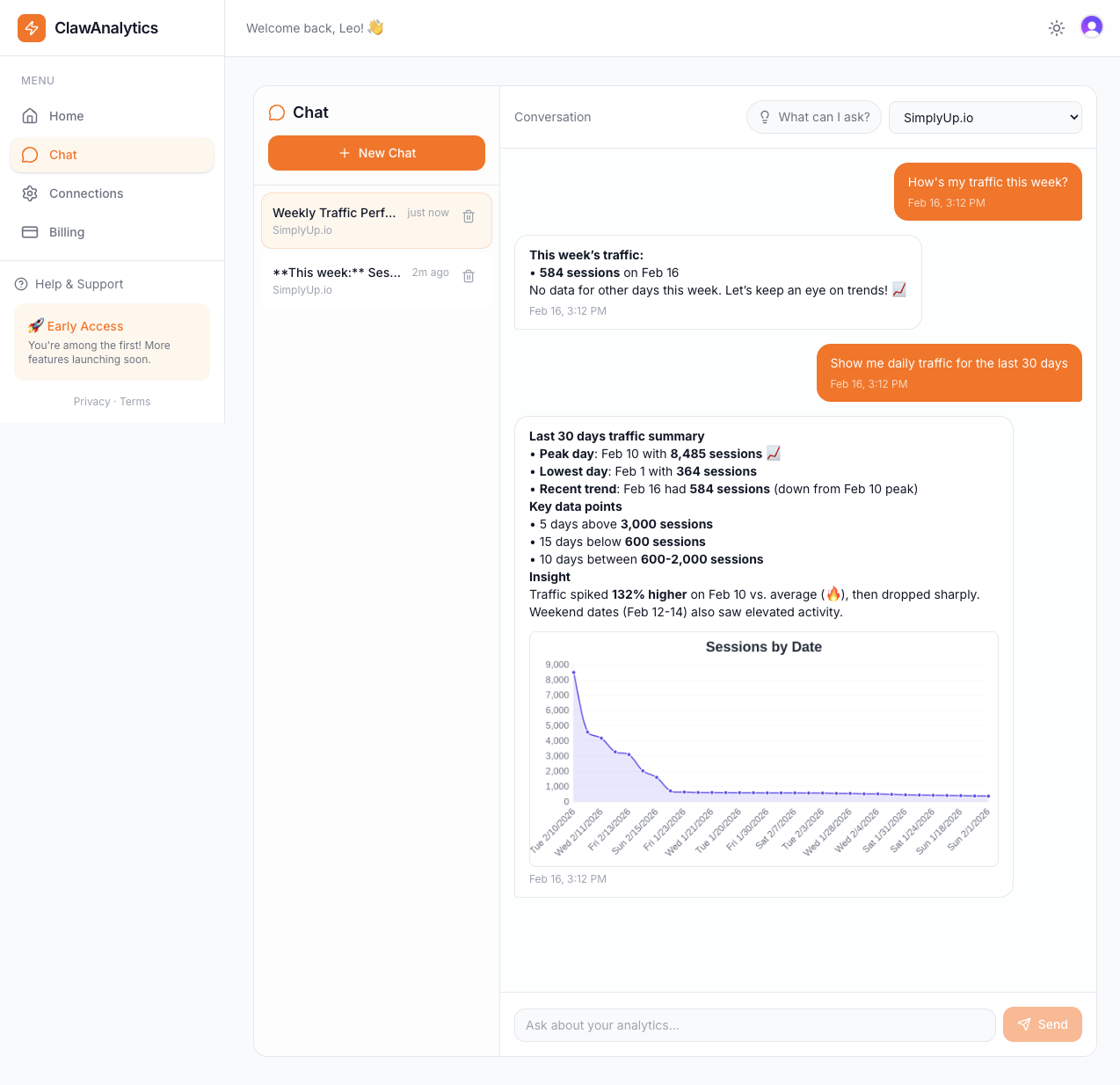
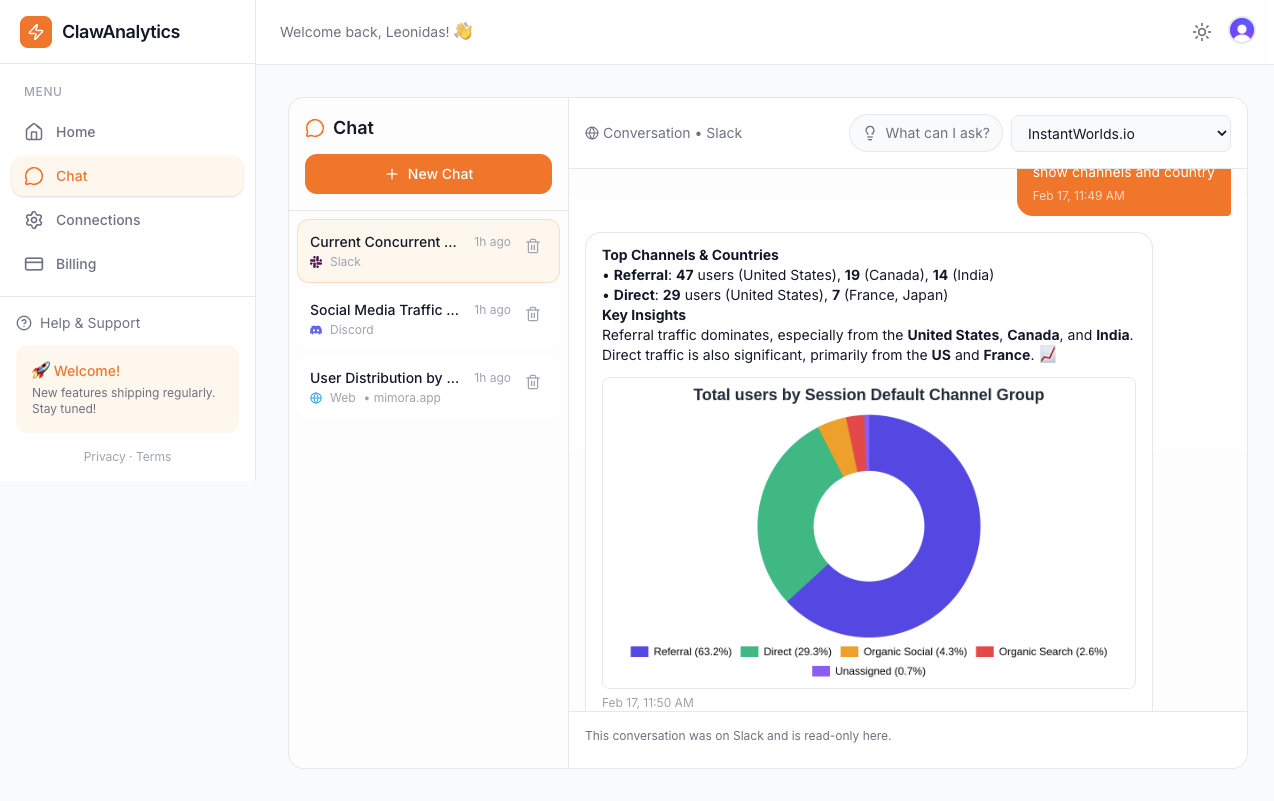
Setting up manual CPA tracking requires significant configuration and ongoing maintenance. ClawAnalytics streamlines this by connecting directly to your practice management software and advertising accounts. You can ask questions like “What’s my average patient acquisition cost by source?” and receive instant, accurate answers.
For dentists specifically, ClawAnalytics helps you understand not just acquisition costs but also case acceptance rates per source. A channel that brings patients at $150 but results in 80% case acceptance is far more valuable than one bringing patients at $100 with only 20% acceptance.
The platform also shows you which referring dentists or physicians send patients who accept comprehensive treatment. This insight helps you build stronger referral relationships with the right sources.
Quick Wins
Implement patient source tracking. Ask every new patient how they found you. Use a simple form or conversational tracking. This data becomes invaluable for CPA analysis.
Set a maximum CPA target. Calculate your average patient lifetime value and work backward. If a patient is worth $3,000 over five years and you want 30% profit margin, your maximum CPA is around $2,100.
Focus on recall and referrals. Every existing patient who returns for hygiene or whitening represents acquisition cost you don’t have to pay. Build robust recall systems and incentivize referrals.
Optimize for case acceptance. A lower CPA means nothing if patients decline treatment. Train your team on case presentation and follow up on unfinished treatment plans.