It’s 9 PM on a Saturday when someone bites into something and feels a sharp crack. In panic, they grab their phone and search “emergency dentist near me.” Your practice shows up, they click, and… the contact form requires scrolling and zooming on their phone. They move to the next result. You’ve lost a patient who may have stayed for years.
Why Device Breakdown Matters for Dentists
Dental practices serve patients across all life stages with varying digital habits:
Emergency patients use mobile. People with dental emergencies search on phones, often outside business hours. Your mobile experience directly impacts whether you capture these urgent cases.
Routine care bookings happen on mobile. Scheduling cleanings and checkups fits naturally into mobile behavior, often during work breaks or while multitasking.
Complex procedures need desktop research. Patients considering orthodontics, implants, or cosmetic dentistry typically research extensively on desktop, comparing before-and-after photos and financing options.
Family dental decisions involve multiple devices. A parent might research pediatric dentists on their phone during lunch, then discuss with their partner on their home computer later.
How to Check in GA4
Device analysis in GA4 helps capture more patients at every stage:
- Navigate to Reports > Engagement > Pages and screens
- Add Device category dimension to see page performance by device
- Set up appointment_request or similar conversion tracking
- Compare device-specific conversion rates for booking actions
- Check which service pages attract which device types
Dental practice benchmarks typically show 55-65% mobile, 30-40% desktop, and 5-8% tablet traffic, though emergency-focused practices often see higher mobile percentages.
The Easier Way
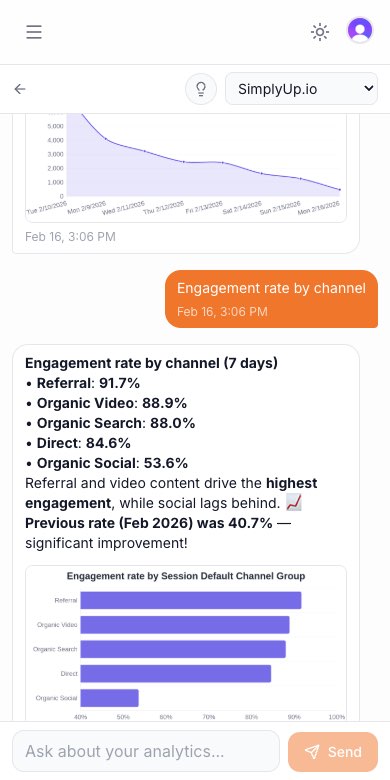
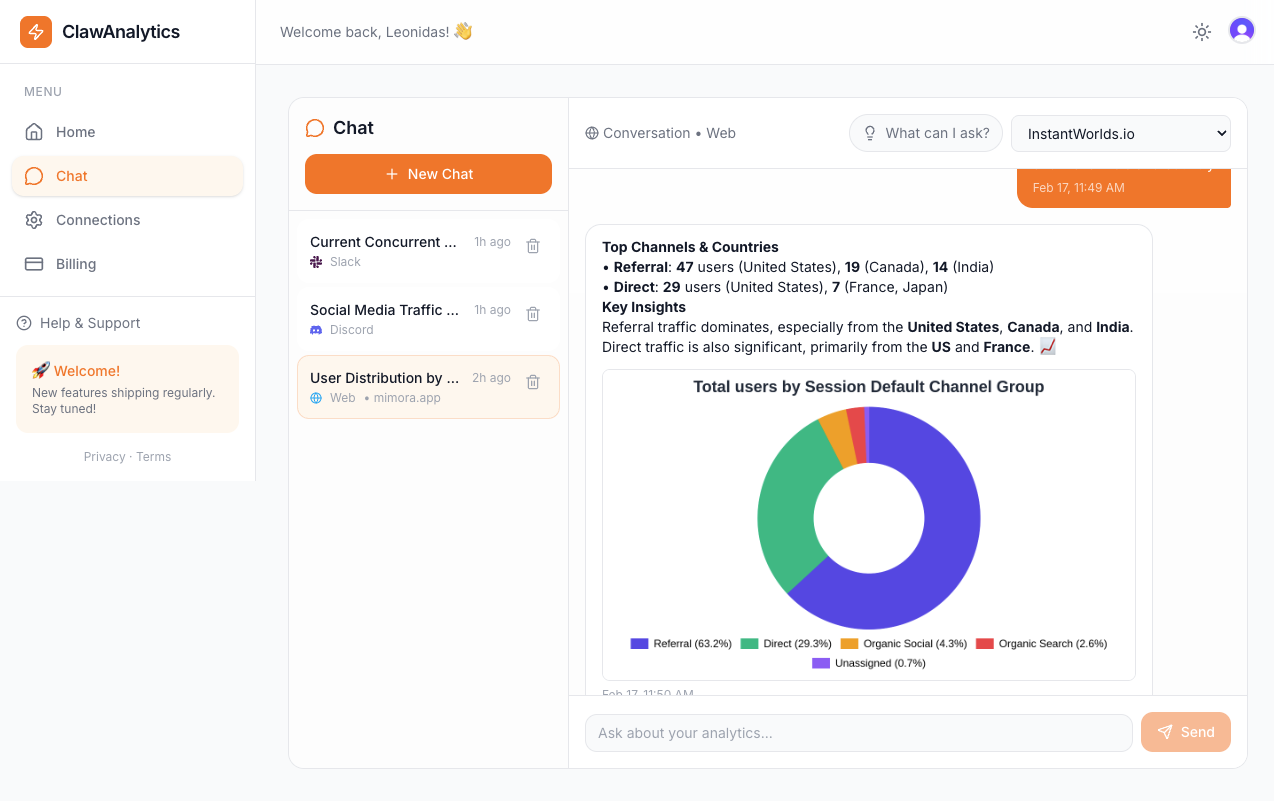
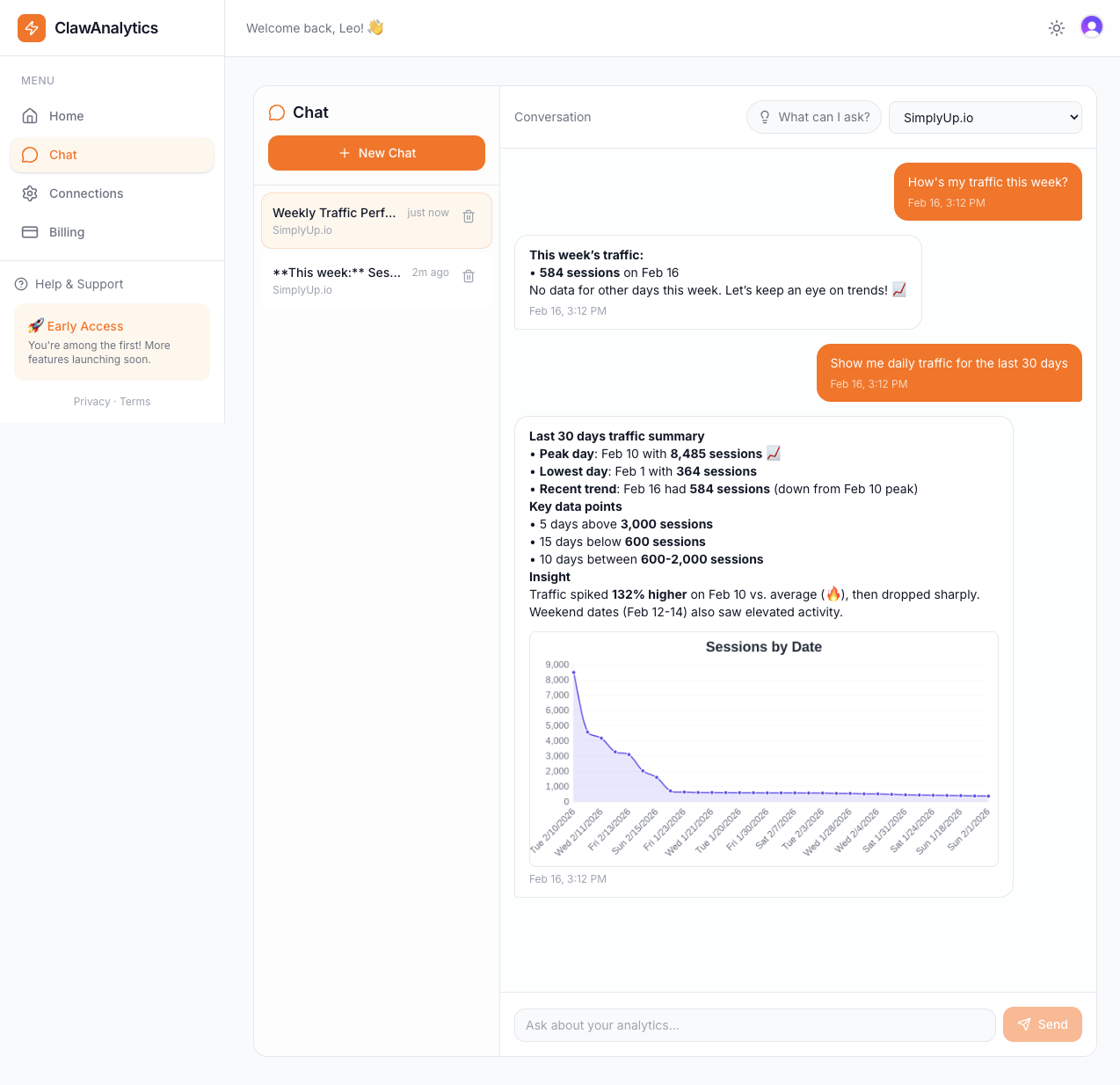
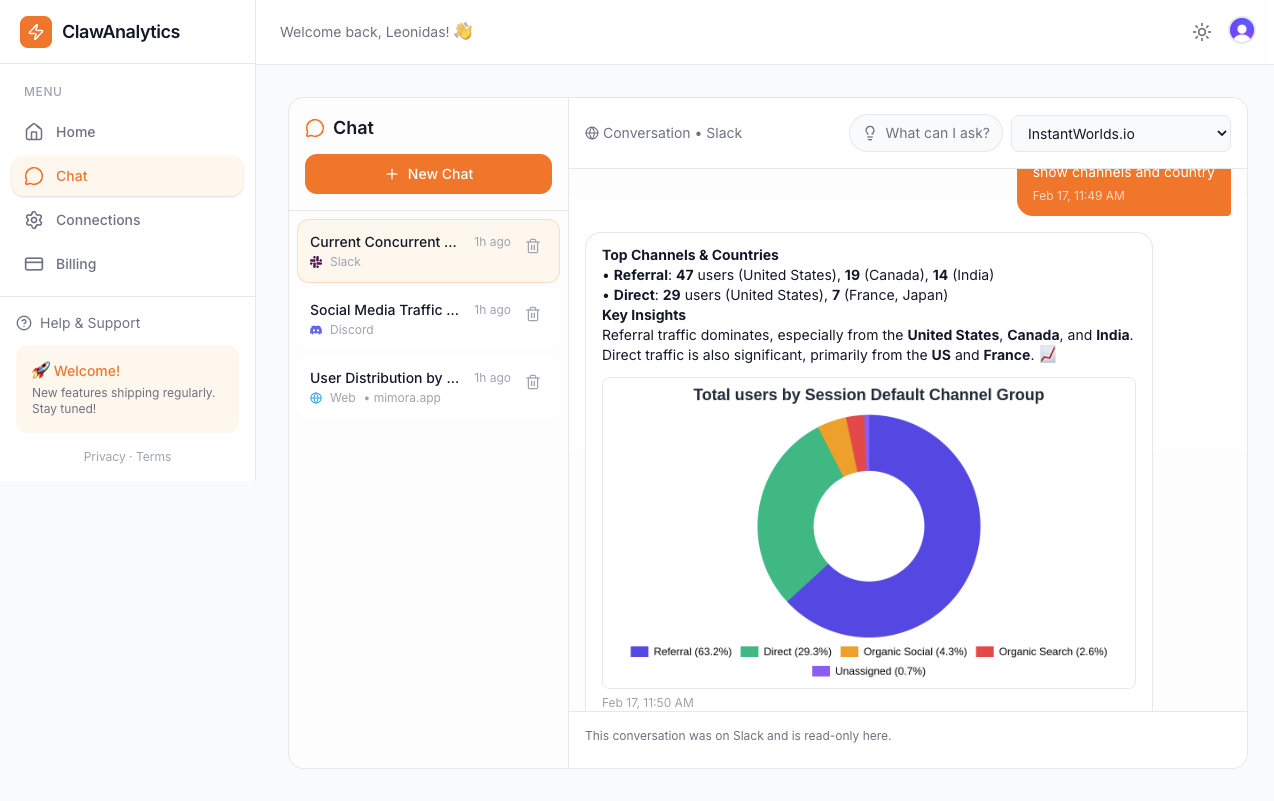
ClawAnalytics provides dental-specific dashboards that highlight exactly what matters for your practice. Rather than generic web analytics, you get insights tailored to patient acquisition.
You might discover that patients researching “emergency dentist” arrive almost exclusively on mobile while those exploring “Invisalign” come mostly on desktop. This helps you optimize each page for its primary audience.
Questions like “What’s our mobile versus desktop appointment request rate?” become instantly clear, helping you allocate website improvement resources wisely.
Quick Wins
Make emergency contact visible. Place your phone number prominently on mobile. Emergency patients shouldn’t have to hunt for contact information.
Optimize online booking for mobile. Test your booking form on multiple phones. Reduce required fields to the minimum needed.
Create mobile-friendly service pages. Patients searching on mobile often want quick answers: hours, location, accepted insurance. Give them this information immediately.
Speed up mobile loading. Dental patients on mobile are often in pain or stressed. Slow-loading pages compound frustration. Compress images and minimize code.
Track which treatments attract mobile searches. If pediatric dentistry gets more mobile traffic than cosmetic dentistry, adjust your mobile content strategy accordingly.