A high school junior decides to explore colleges. They pull out their phone during lunch to browse universities, save favorites, and request information. Months later, they switch to their home computer to complete applications. Device breakdown reveals this entire journey.
Education institutions serve diverse audiences with different needs. Prospective students, current students, parents, alumni, and donors all interact with your website differently. Understanding these device patterns helps you serve each audience better.
Why Device Breakdown Matters for Education
-
Mobile drives initial interest. Prospective students discover schools through social media and search on phones. They browse campuses, programs, and student life content quickly during breaks.
-
Desktop drives applications. Application processes are complex and often require uploading documents, writing essays, and filling detailed forms. This typically happens on desktop with larger screens and more reliable connections.
-
Current students use multiple devices. They might check schedules on phones, submit assignments on laptops, and access course materials on tablets. Each device serves different needs.
-
Parents and donors have distinct patterns. Parents researching schools often use desktop for thorough comparison. Alumni donors may give through desktop or mobile depending on their preferences.
How to Check in GA4
Open GA4 and go to Reports, then Users, then Device category. You will see traffic percentages and key metrics. Focus on engagement and conversion behaviors across devices.
Look at pages per session and key education events: application starts, information requests, tour bookings, and donation completions. Mobile might show high traffic but lower application completion. Desktop might show lower traffic but higher conversion.
Create custom reports that segment by device and audience type: prospective students, current students, parents, and donors. This reveals how each audience behaves differently.
The Easier Way
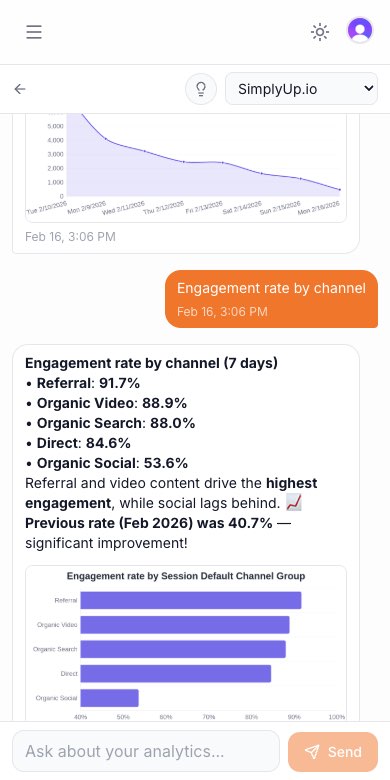
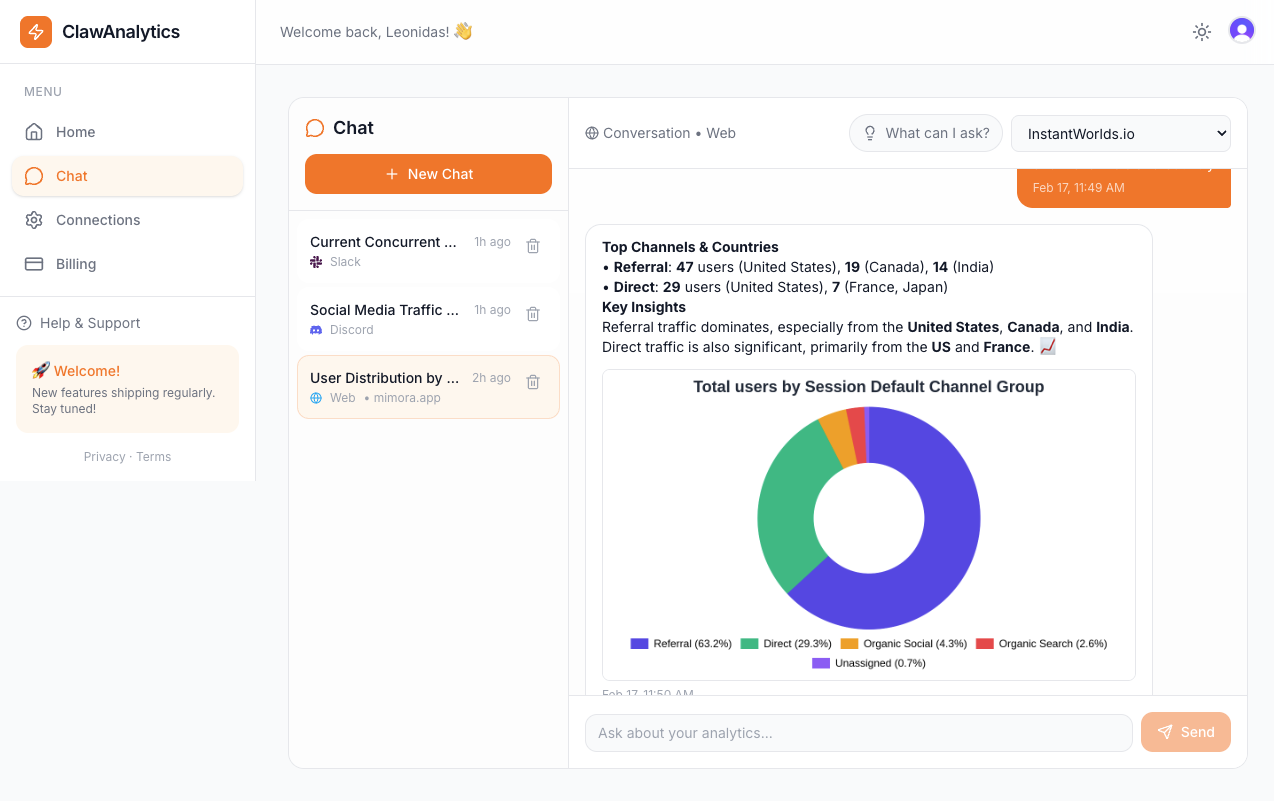
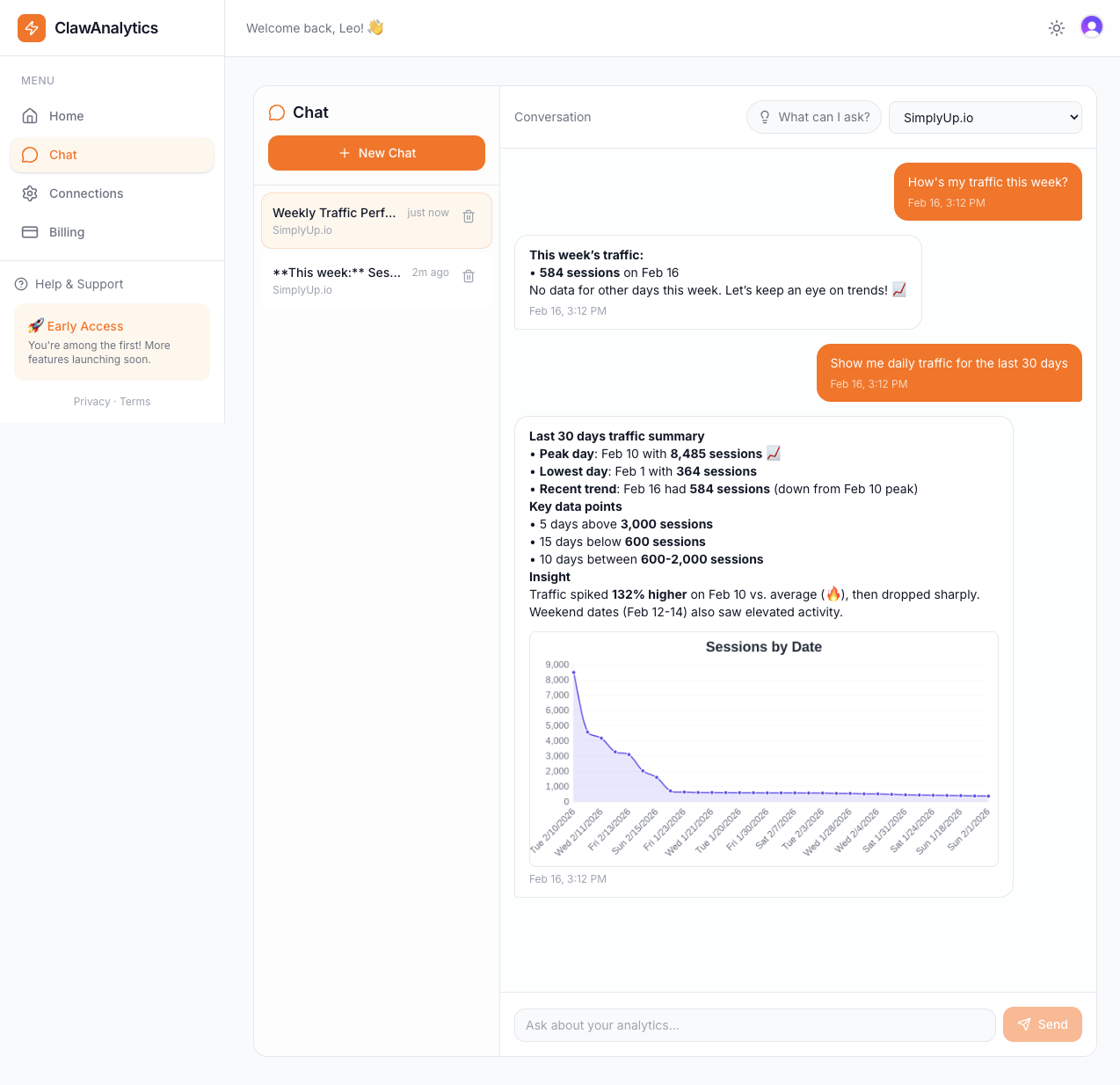
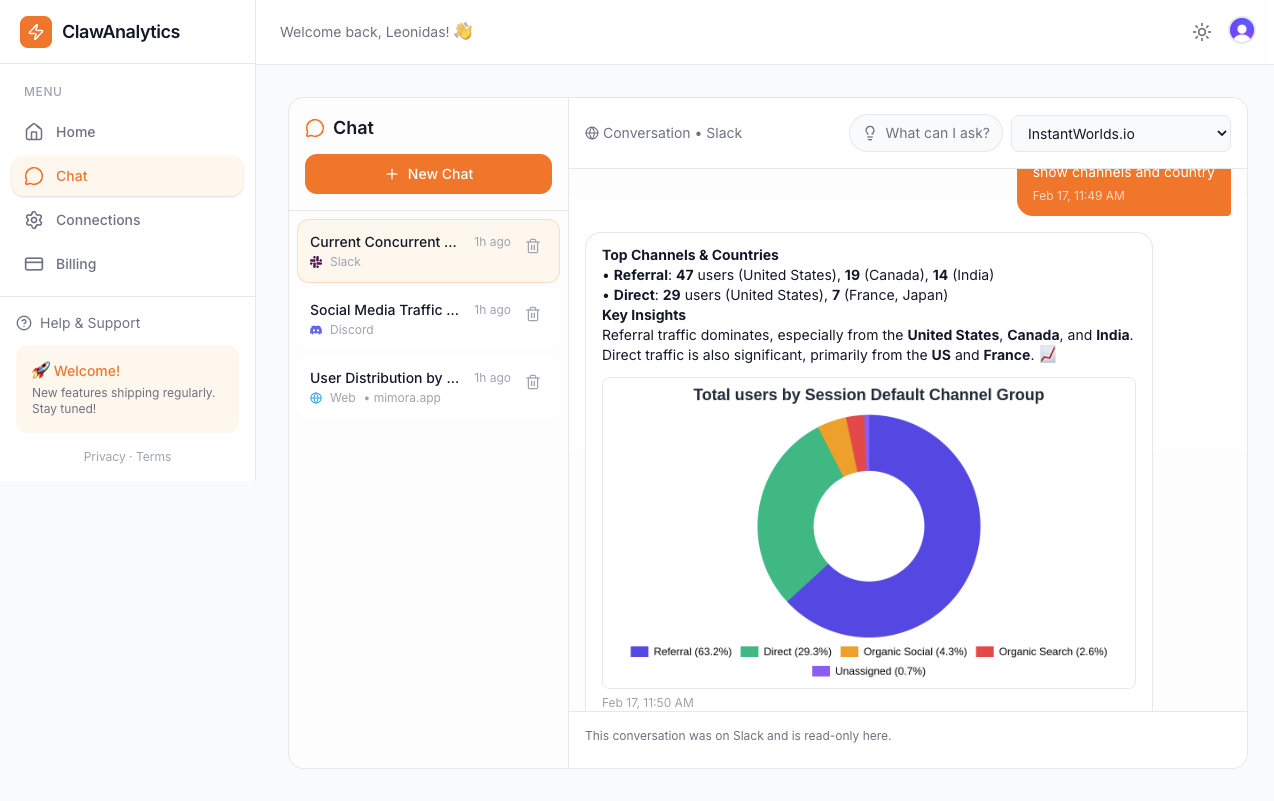
ClawAnalytics segments education device data by audience. It shows which devices drive applications, inquiries, and donations. For example, it might reveal that mobile drives most inquiries but desktop drives most applications.
Education leaders often ask: “Should we invest in a mobile app or mobile website?” ClawAnalytics answers by showing how each channel performs. Another common question: “Which program pages need mobile updates?” The tool flags pages with high mobile bounce rates.
ClawAnalytics also helps track seasonal trends, like increased mobile traffic during application deadlines or donation campaigns, allowing proactive content planning.
Quick Wins
Make mobile information easy to digest. Prospective students browse on phones between classes. Key information like program costs, campus locations, and application deadlines should be immediately visible.
Ensure application forms work on mobile. The application process is lengthy, but it should be manageable on phones. Offer save-and-continue features. Optimize form fields for mobile input.
Create specific experiences for different audiences. Current students need mobile access to schedules and grades. Parents need easy ways to contact advisors. Donors need simple giving options.
Optimize for mobile program searches. Prospective students search for programs by keyword and location. Ensure your program pages rank well for mobile searches and load quickly.
Build a robust portal for current students. Learning management systems should work on all devices. Offer mobile notifications for grades, assignments, and announcements.
Finally, track inquiry-to-application conversion by device. Understand where prospects drop off in the journey. Use this data to improve mobile or desktop experiences where they underperform.