A retiree planning their estate sits at a desktop computer, carefully comparing financial advisors over several evenings. Meanwhile, a 30-something professional checks investment returns on their phone during their commute. Same financial services firm, completely different customer journeys shaped by device.
Why Device Breakdown Matters for Finance
Financial services span diverse client segments with distinct device preferences:
Wealth management clients prefer desktop. High-net-worth individuals typically conduct extensive research on larger screens. They review detailed performance reports, whitepapers, and comparison analyses. Your desktop experience must be comprehensive and professional.
Younger investors lean mobile. Millennials and Gen Z consumers expect to check balances, make transfers, and research products on smartphones. If your mobile experience feels like a afterthought, younger clients look elsewhere.
Advisory relationships start differently by device. Desktop visitors often seek educational content and detailed service descriptions before reaching out. Mobile users may want quick answers or immediate appointment scheduling.
Tablet users represent a unique segment. Some clients use tablets for a middle-ground experience, particularly when reviewing detailed financial plans or retirement projections.
How to Check in GA4
Accessing device breakdown in GA4 requires a few simple steps:
- Go to Reports > Acquisition > User acquisition
- Add Device category as a dimension to see acquisition by device
- Check Reports > Engagement > Conversions to see device-specific conversion rates
- Create segments for each device type to compare behavior
Finance industry benchmarks typically show 45-55% desktop, 40-50% mobile, and 5-8% tablet traffic, though this varies significantly by service type.
The Easier Way
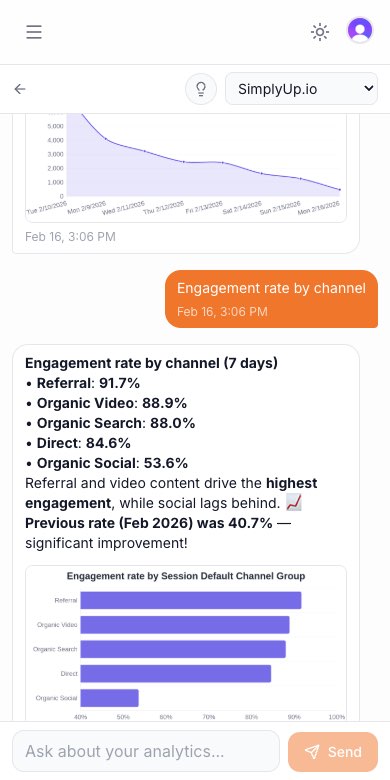
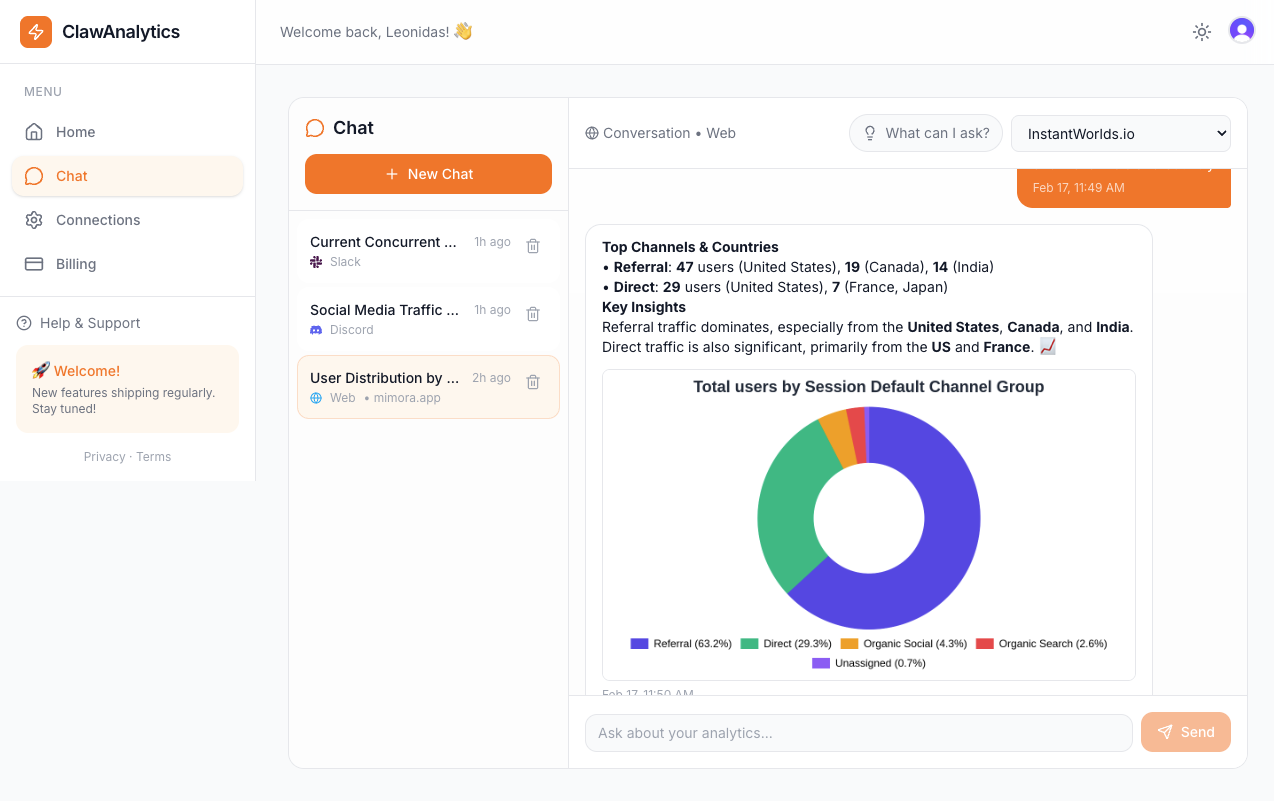
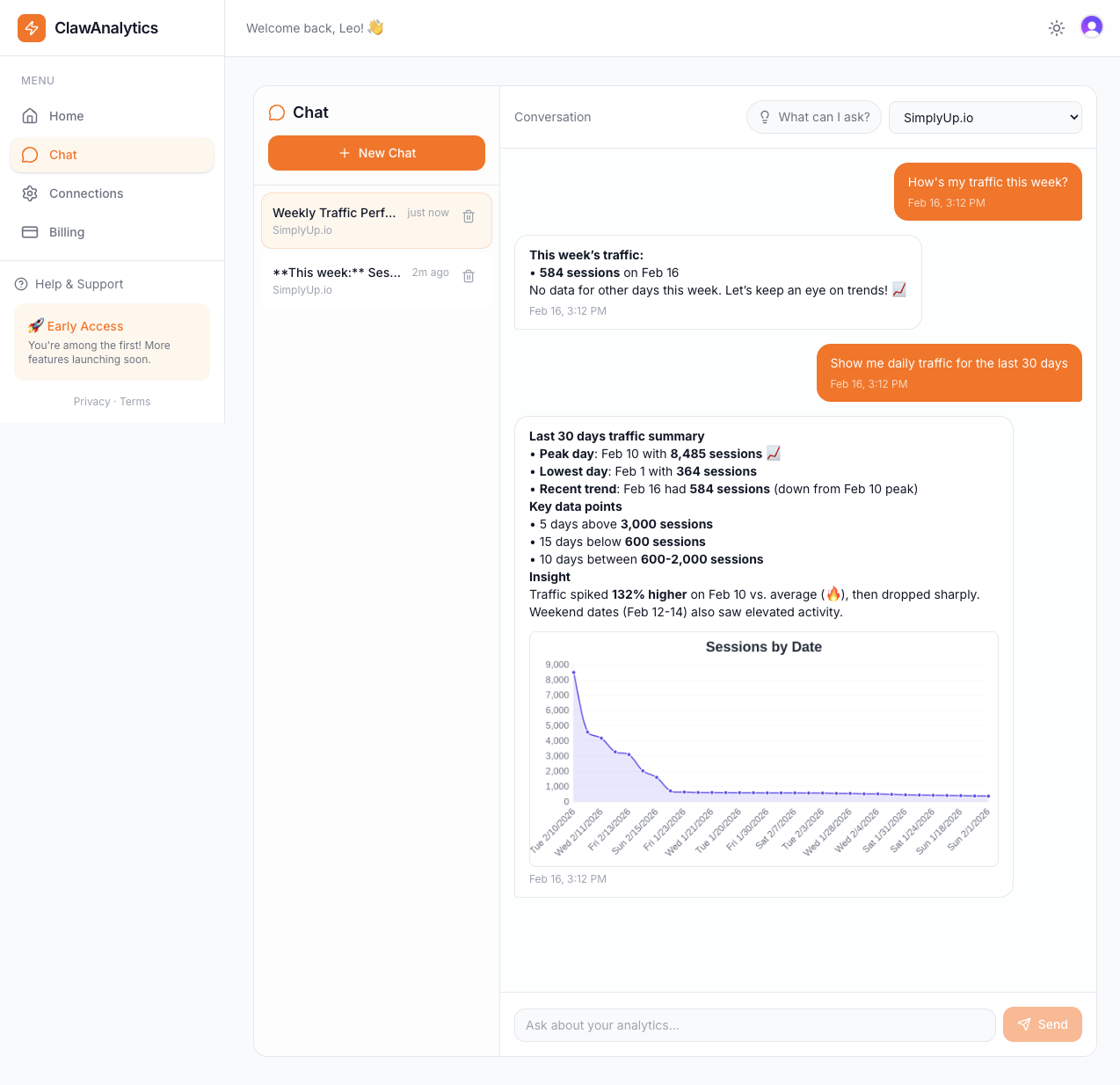
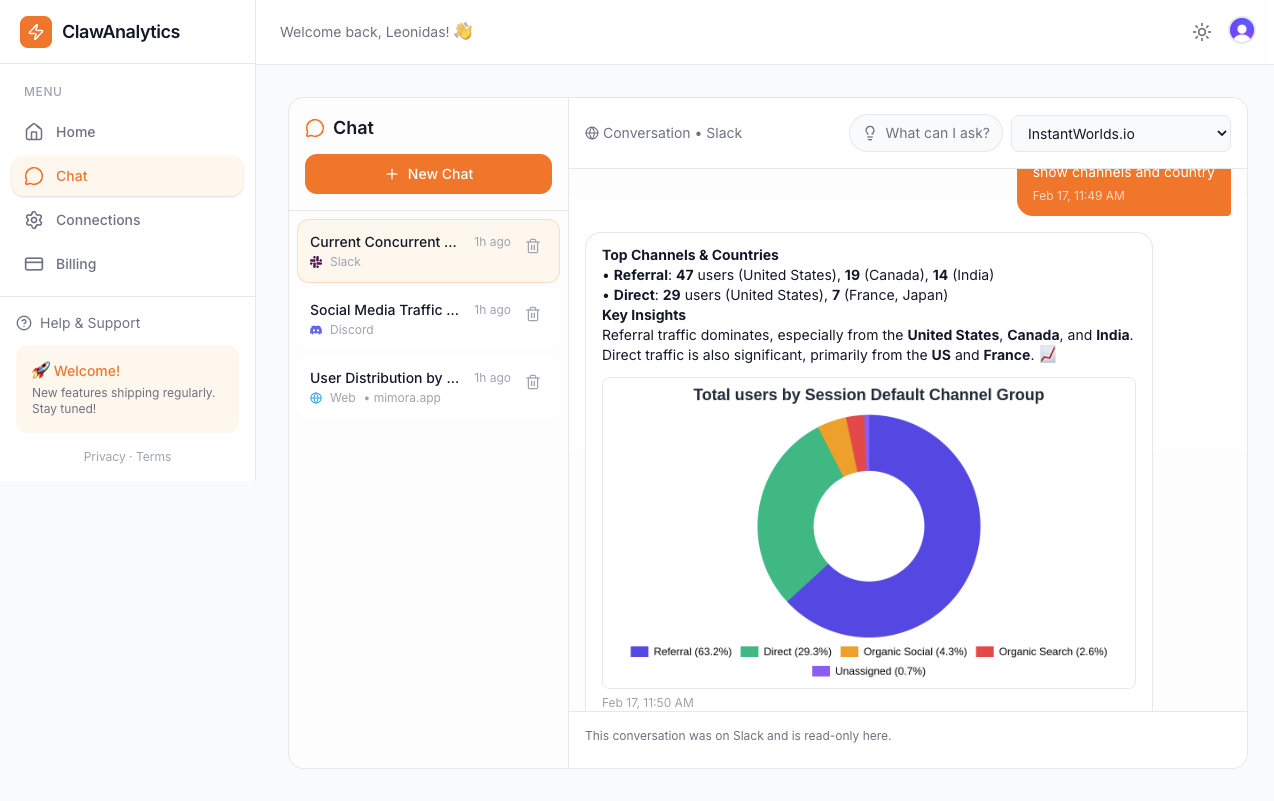
ClawAnalytics eliminates the complexity of building custom finance dashboards in GA4. Instead of struggling with dimension combinations and custom metrics, you get ready-made insights designed for financial advisors.
For instance, you might discover that clients interested in retirement planning visit primarily on desktop while those inquiring about mobile investing apps arrive on phones. This allows you to optimize each touchpoint for the relevant device and audience.
Common questions answered automatically include “What’s our mobile vs desktop conversion rate for initial consultations?” and “Which financial products are most researched on mobile devices?”
Quick Wins
Create device-specific landing pages. Direct mobile visitors to streamlined pages focused on quick actions like scheduling calls or accessing mobile app downloads.
Ensure secure mobile experiences. Financial clients expect bank-level security on any device. Verify your SSL implementation and mobile authentication flows work smoothly.
Optimize document viewing. Many financial discussions involve PDFs, reports, and statements. Ensure these render correctly on both mobile and desktop.
Track device-specific lead quality. Not all leads are equal. Monitor whether mobile leads convert to clients at different rates than desktop leads and adjust your follow-up strategy accordingly.
Test mobile-friendly retirement calculators. Interactive tools are highly engaging on tablets and can demonstrate your expertise. Make sure they work across all devices.