Someone decides they need to get fit. Within minutes, they are on their phone searching “gym near me” or comparing fitness studios in their area. They click your ad, land on your site, and form an impression in seconds. Device breakdown tells you exactly how these moments happen.
Fitness is a highly competitive industry where convenience wins. Understanding how prospects discover you, evaluate your offerings, and decide to join helps you focus resources on the devices and experiences that matter most.
Why Device Breakdown Matters for Fitness
-
Mobile dominates discovery. People search for gyms and fitness classes on phones throughout the day. They want quick answers: locations, class schedules, pricing, and new member offers.
-
Class scheduling happens on mobile. Current members book classes on their phones before or after work. If your booking system is clunky on mobile, members go elsewhere or stop booking.
-
Desktop serves serious prospects. People planning significant fitness commitments often research extensively on desktop. They compare multiple gyms, read reviews, and look for deals before committing.
-
Tablet has unique potential. Tablet users might follow workout videos or track nutrition. These users often engage more deeply with content and may become brand advocates.
How to Check in GA4
Access GA4 and go to Reports, then Users, then Device category. You will see the percentage breakdown and key metrics for each device type. Focus on conversion behaviors, not just visitor counts.
Look at key fitness events: trial signup, class booking, membership inquiry, and contact form submissions. Mobile might show high traffic but lower conversion. Desktop might show fewer visits but higher membership intent.
Create a custom exploration that segments by device and includes metrics for your key conversion actions. Compare mobile versus desktop conversion rates to understand where to focus optimization.
The Easier Way
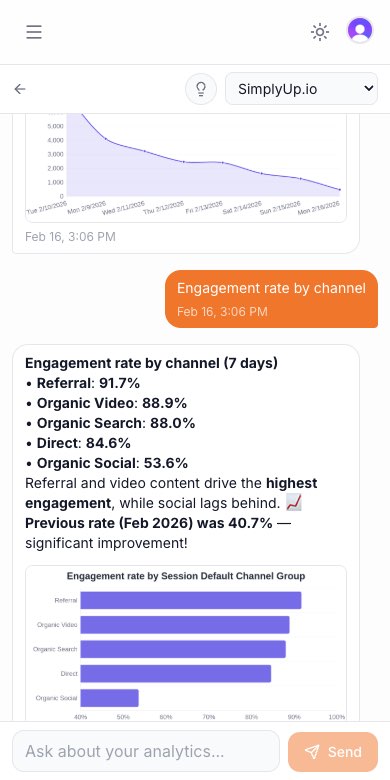
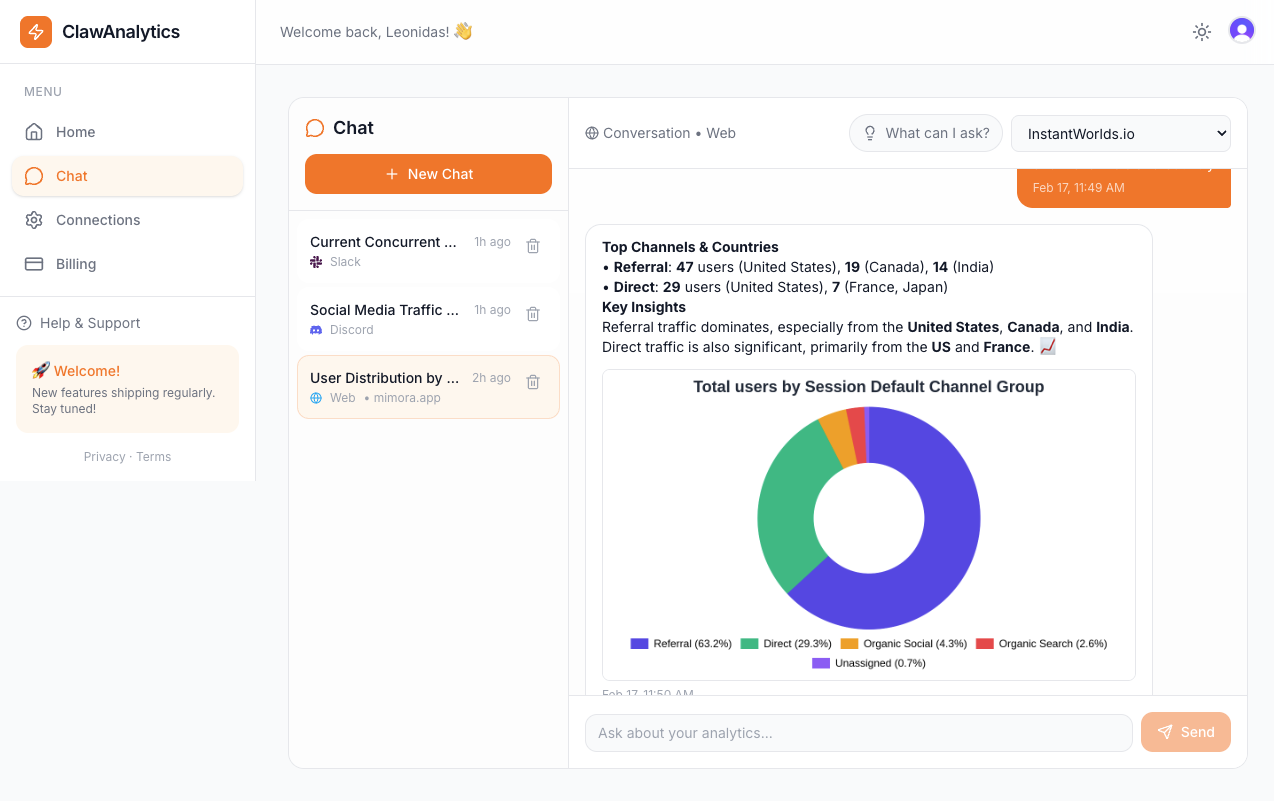
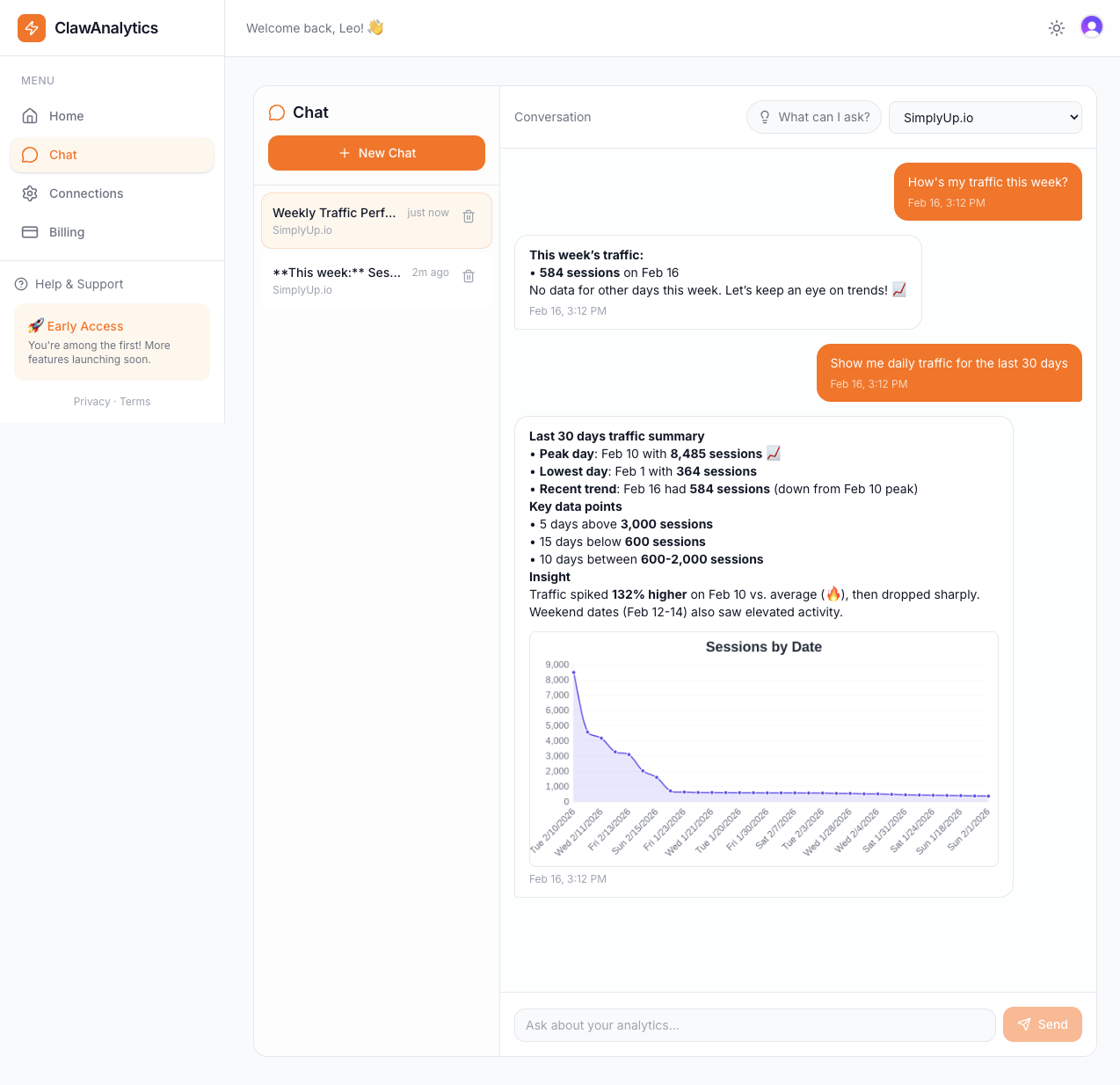
ClawAnalytics clarifies fitness device data into actionable insights. It shows which devices drive new member sign-ups versus class bookings. For example, it might reveal that desktop visitors convert to memberships at twice the rate of mobile visitors.
Fitness businesses often ask: “Should we focus our ad budget on mobile or desktop?” ClawAnalytics answers by showing the full conversion path by device. Another question: “Which pages lose mobile visitors?” The tool flags pages where mobile users bounce quickly.
ClawAnalytics also helps track member engagement by device, showing which platforms drive the most active class bookers and retention.
Quick Wins
Make class scheduling mobile-first. Your booking system must work flawlessly on phones. Offer one-tap booking for returning members. Reduce friction for busy users who book classes between meetings.
Ensure membership signup works on mobile. The join process should be smooth on phones. Offer digital membership cards stored in mobile wallets. Remove unnecessary paperwork.
Optimize for local mobile searches. “Gym near me” and “fitness class [neighborhood]” searches are competitive. Ensure your local SEO is strong and your Google Business Profile shows accurate class schedules.
Create workout content that loads on mobile. Blog posts, exercise videos, and nutrition guides should be easily accessible on phones. This content builds trust and keeps current members engaged.
Use device-specific offers. Desktop visitors might respond to detailed membership comparisons. Mobile visitors might prefer limited-time trial offers. Tailor your messaging to the device.
Finally, track member check-ins by device. See which devices your most active members use. This data helps you understand the relationship between device usage and retention.