Freelancers often juggle multiple roles, and your website is usually the first impression potential clients get. Imagine a prospect browsing for a graphic designer on their phone during their morning commute. They find your portfolio, but images are slow and navigation is cramped. They move on to a competitor with a mobile-friendly site. That lost lead could have been worth thousands over a long-term project.
Device breakdown tells you exactly how clients and prospects find you. It breaks down your traffic into three main categories: desktop, mobile, and tablet. Each category shows not just visitor counts, but how those visitors behave. Do mobile visitors bounce quickly? Do desktop visitors convert more? These answers shape every decision about your site.
Why Device Breakdown Matters for Freelancers
-
Client behavior varies by device. Research shows clients often discover freelancers on mobile but convert on desktop after saving links. If you only track total visits, you miss this pattern.
-
Portfolio presentation differs across devices. Designers, photographers, and videographers need their work to look stunning on every screen. Device breakdown reveals where your portfolio underperforms.
-
Mobile-first is not optional anymore. Most freelance services get the majority of their traffic from mobile searches. A poor mobile experience directly cuts your pipeline.
-
Conversion rates differ by device. Desktop visitors often have higher average project values because they are in research mode at their desks. Understanding this helps you prioritize your optimization efforts.
How to Check in GA4
Open your GA4 property and navigate to the Reports section. Click on Users in the left sidebar, then select Device category. You will see a chart displaying the percentage breakdown across desktop, mobile, and tablet.
Below the chart, GA4 shows key metrics for each device type: engagement rate, sessions, and average engagement time. Look for devices with high bounce rates or low engagement. These are your problem areas.
Create a custom report by clicking Library, then Create custom report. Add Device category as a dimension and select key events like generate_lead or scroll as metrics. This gives you a focused view without navigating multiple screens.
The Easier Way
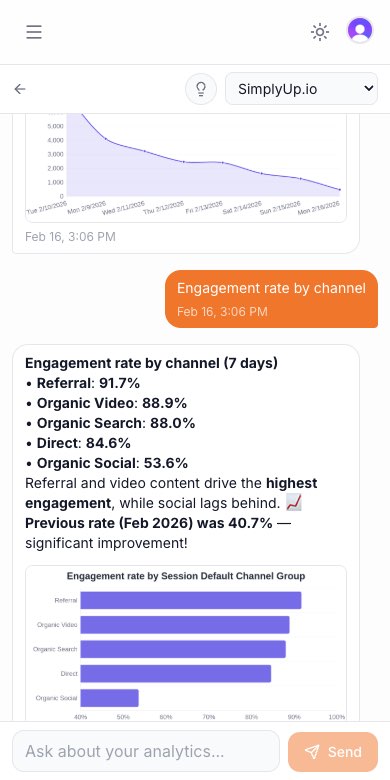
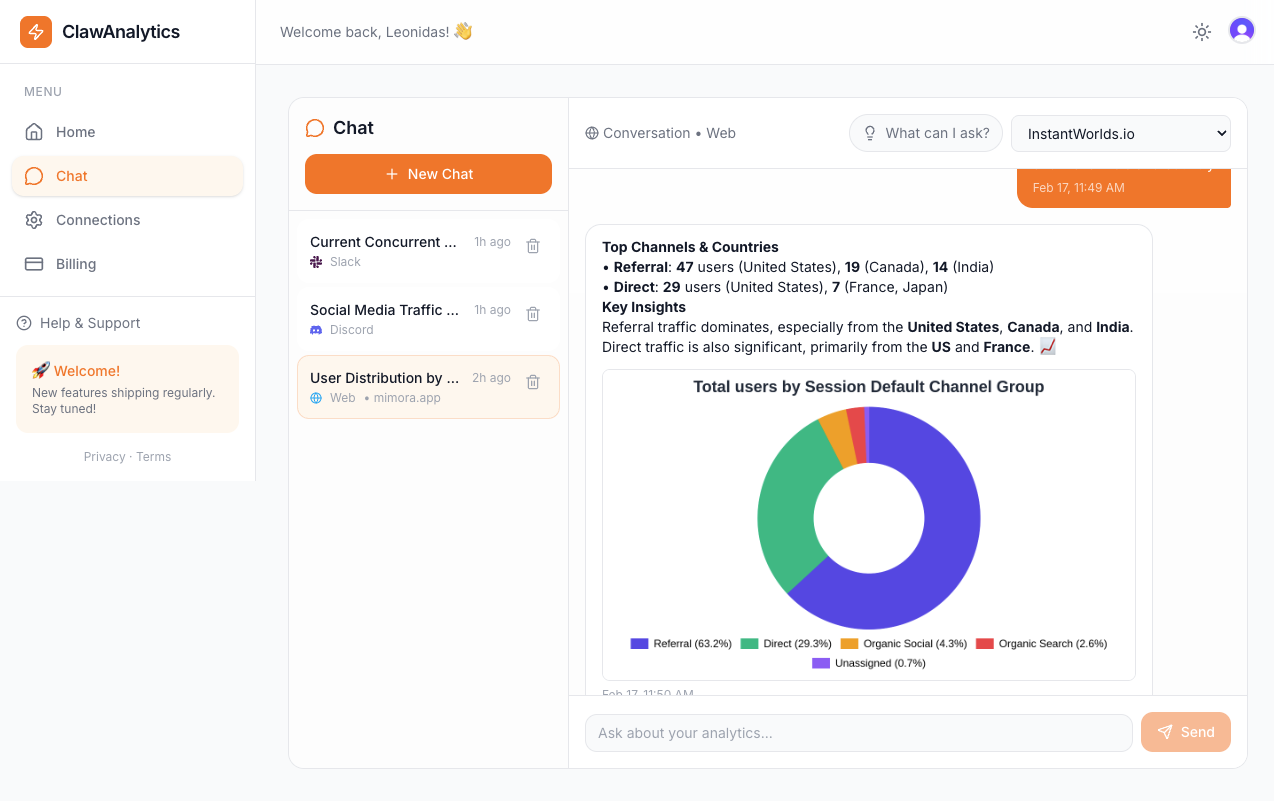
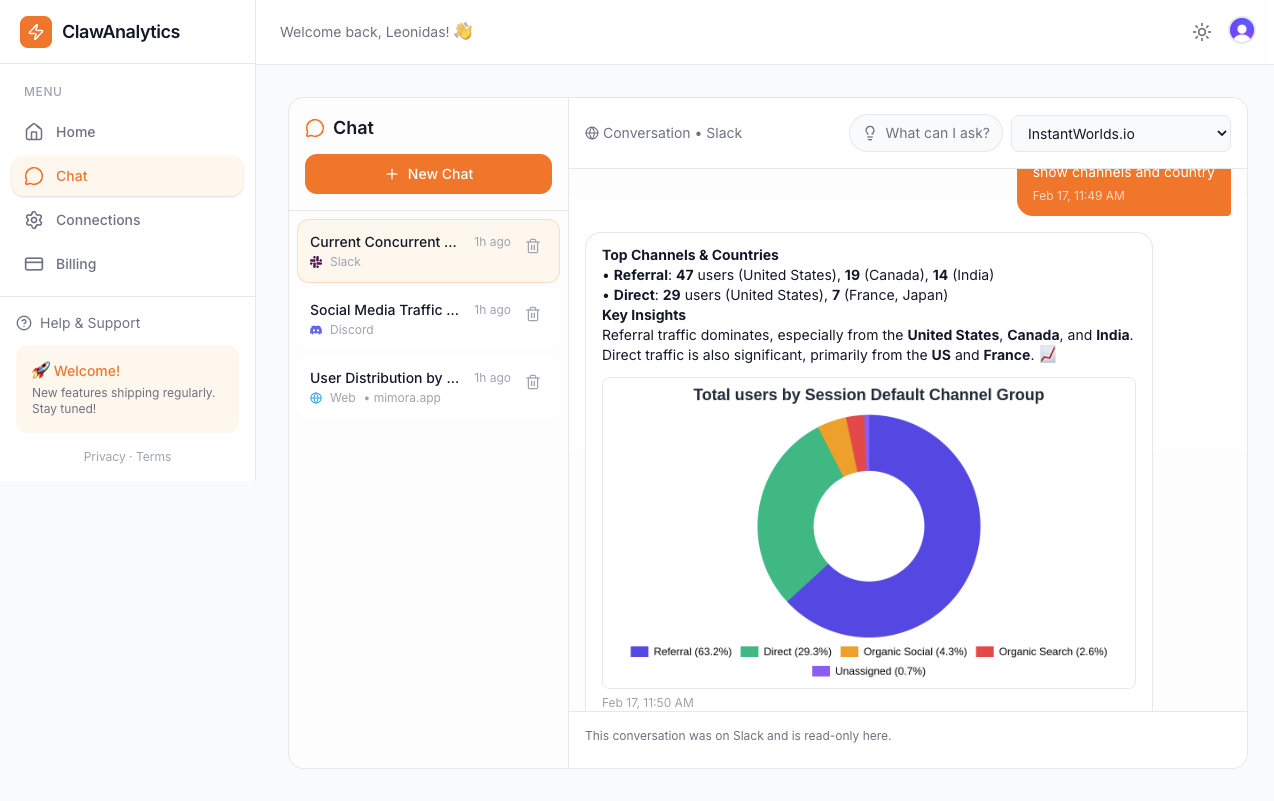
ClawAnalytics pulls your device data into one clean dashboard. It highlights which devices drive quality leads versus just page views. For example, it might show that mobile visitors to your services page spend less time but request quotes at the same rate as desktop visitors.
Typical questions freelancers ask include: “Should I rebuild my site for mobile first?” The answer depends on your data, but ClawAnalytics shows you exactly where your traffic originates and converts. Another common question is “Which pages need mobile optimization?” The tool flags pages with high mobile bounce rates so you know where to focus.
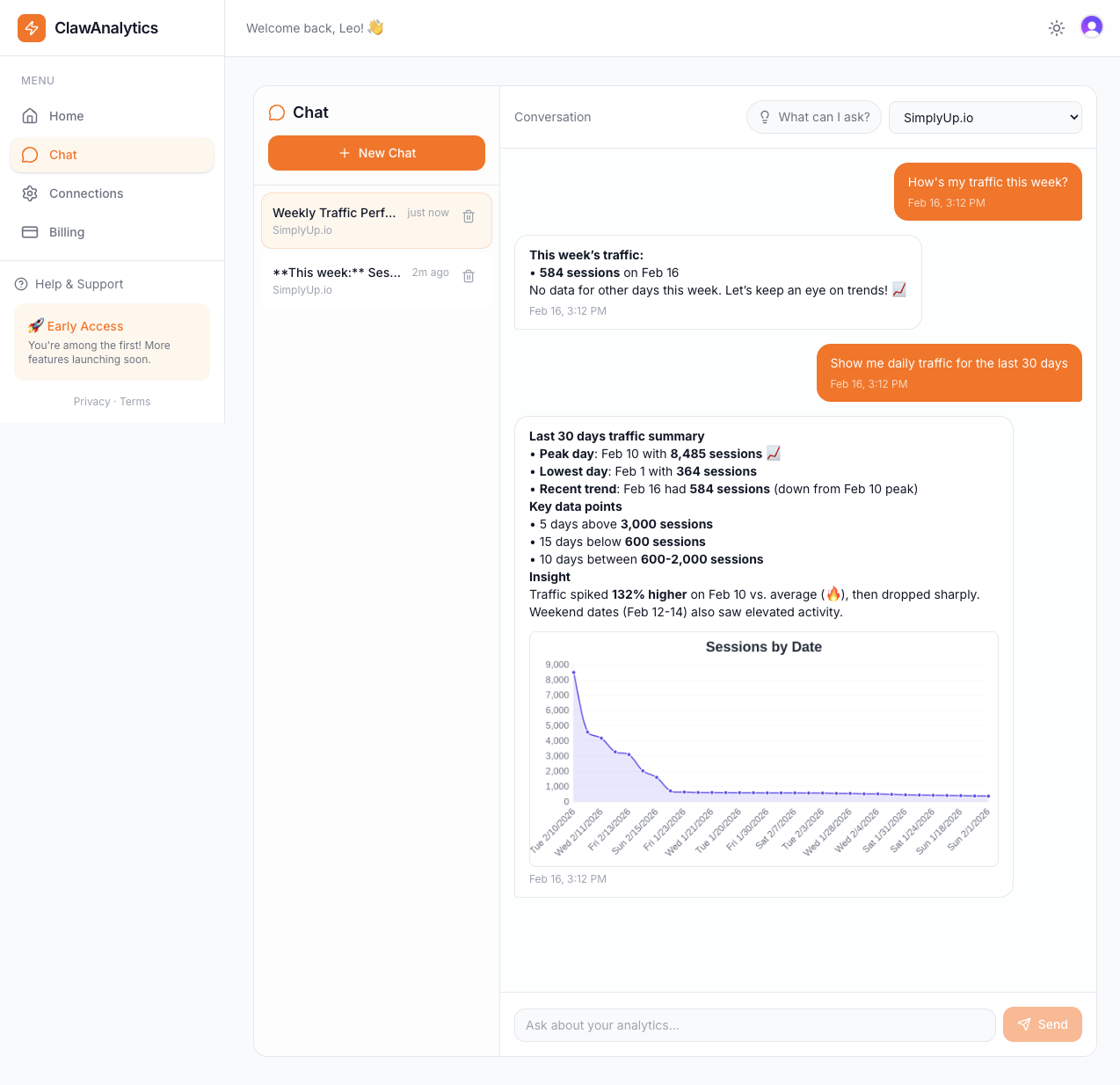
ClawAnalytics also tracks device trends over time. If mobile traffic grows month over month, you can plan your site updates accordingly instead of guessing.
Quick Wins
Check your device breakdown weekly. Set a calendar reminder for Monday mornings to review the previous week’s data. This takes five minutes and keeps you aligned with how clients find you.
Optimize for your top device first. If mobile dominates your traffic, focus on page speed, readable text without zooming, and easy tap targets for navigation buttons.
Test your site on real devices monthly. Borrow a friend’s phone and tablet. Visit your portfolio and services pages. Note any delays or layout issues. This hands-on check catches problems that data alone might miss.
Ensure contact forms work perfectly on mobile. A form that requires too many fields or tiny checkboxes frustrates mobile users. Streamline forms to the essentials: name, email, project type, and budget range.
Finally, track conversions by device. Set up conversion events in GA4 for form submissions and inquiry emails. Compare conversion rates across devices. If desktop converts at 4% but mobile at 1.5%, investigate mobile-specific friction points.