A parent wakes at 2 AM to find their child with a high fever. They grab their phone to search symptoms, find your clinic, and book an urgent appointment. If your website is hard to use on mobile in that stressful moment, they call somewhere else. Device breakdown shows you these critical patient moments.
Healthcare differs from other industries because users often need help during vulnerable, time-sensitive situations. Understanding how patients find and use your site across devices directly affects health outcomes and practice growth.
Why Device Breakdown Matters for Healthcare
-
Urgent care searches happen on mobile. Patients with symptoms often search on phones first, especially outside office hours. Your mobile experience determines whether they become your patients or go elsewhere.
-
Patient portal access varies by device. Younger patients often prefer mobile portal access for test results and messaging. Older patients may prefer desktop for managing appointments and bills.
-
Mobile promotes wellness engagement. Health-conscious patients browse wellness content on phones during commutes or breaks. This is an opportunity to build trust before they need urgent care.
-
Desktop serves administrative tasks. Patients often switch to desktop for complex tasks like insurance updates, payment plans, or researching procedures. These sessions often have higher engagement.
How to Check in GA4
Open GA4 and navigate to Reports, then Users, then Device category. You will see the breakdown across desktop, mobile, and tablet. Focus on behavior metrics, not just traffic volume.
Examine pages per session and conversion events. Mobile might show quick symptom searches. Desktop might show longer sessions on procedure pages or patient portal logins.
Create a custom report tracking key healthcare conversions: appointment bookings, portal registrations, direction requests, and phone calls. Compare these by device to understand the patient journey.
The Easier Way
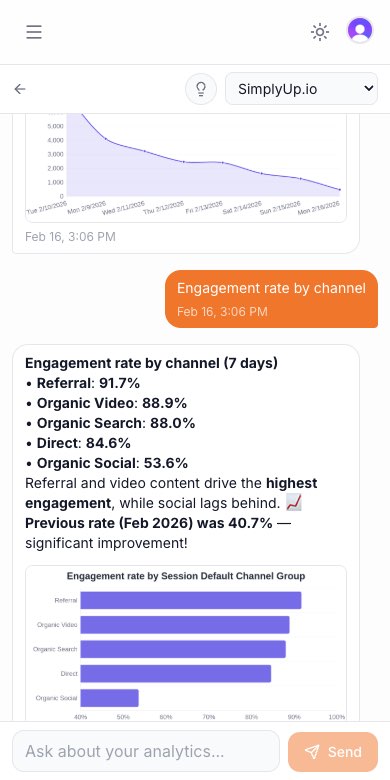
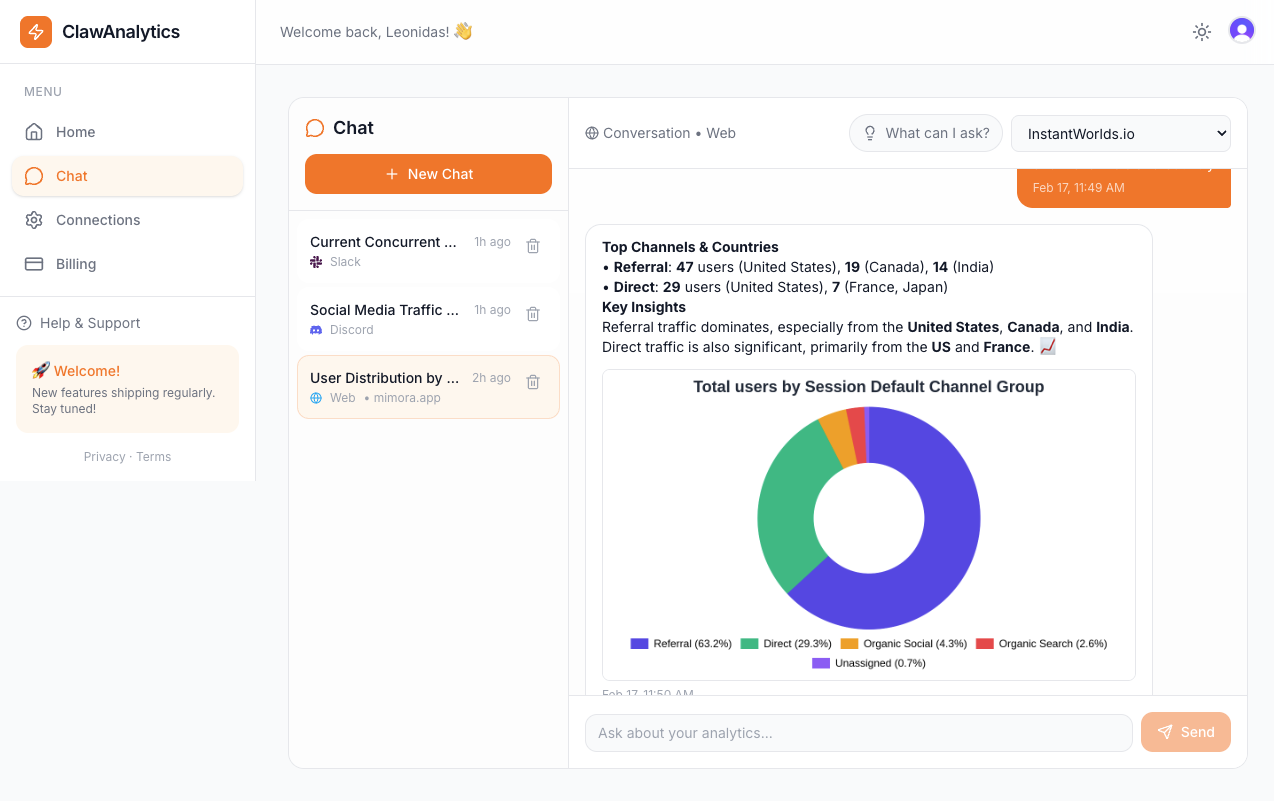
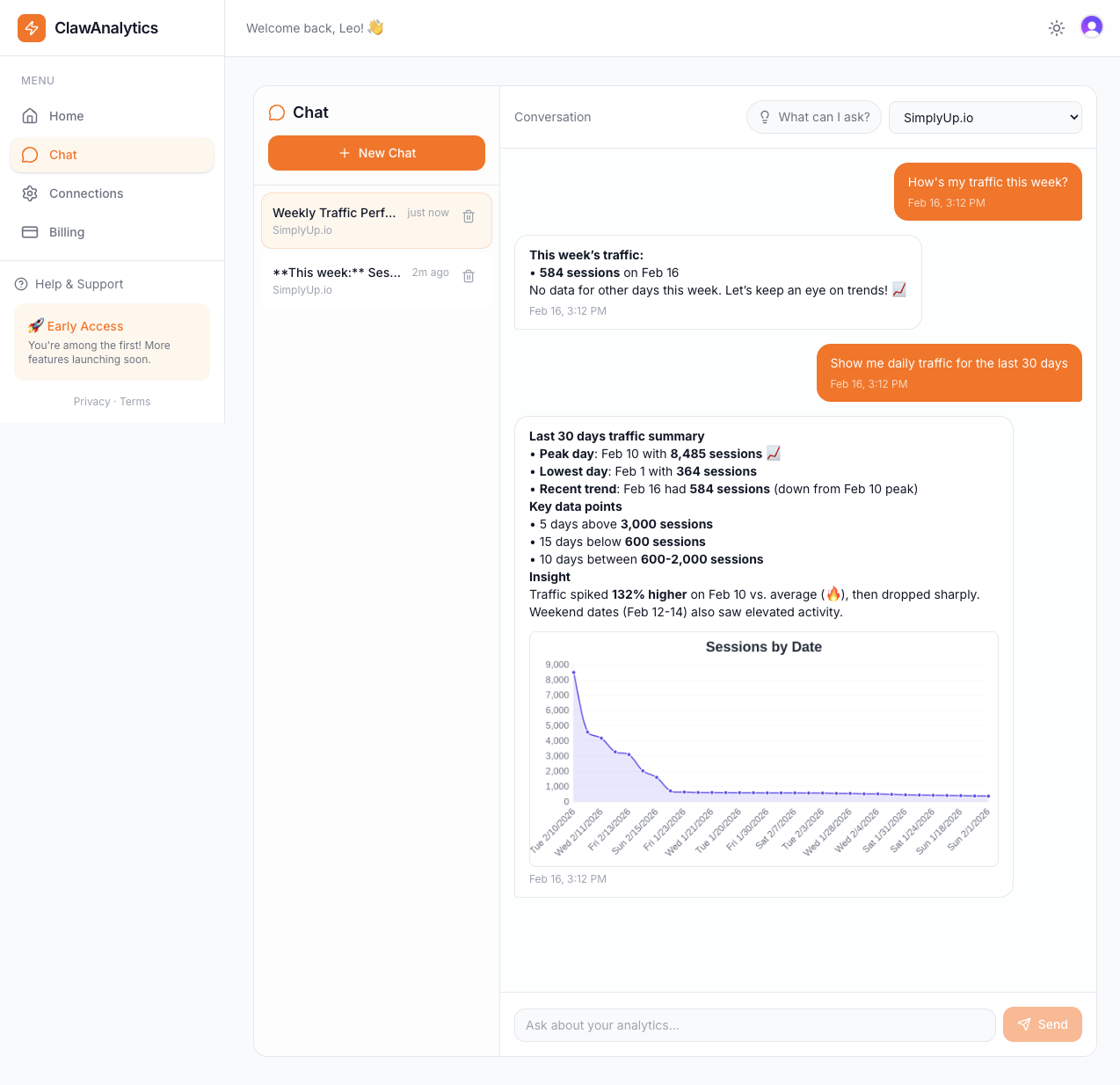
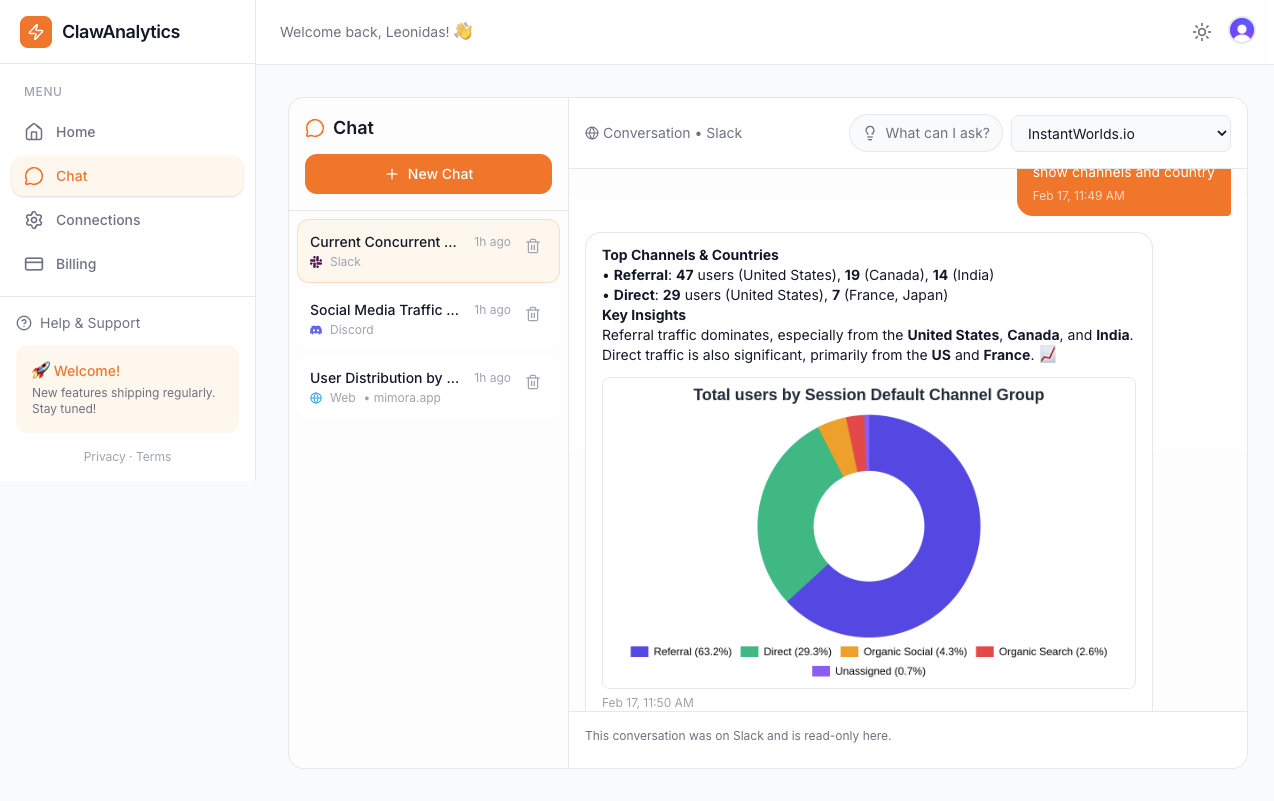
ClawAnalytics specializes in healthcare device insights. It separates patients researching symptoms from those ready to book appointments. This helps healthcare marketers create more relevant content journeys.
Common questions include: “Should we invest in a mobile app or mobile website?” ClawAnalytics answers by showing how each channel drives appointments. Another question: “Which service pages need mobile updates?” The tool identifies pages with high mobile bounce rates.
ClawAnalytics also helps track seasonal trends, like increased mobile searches during flu season, allowing proactive content and staffing adjustments.
Quick Wins
Prioritize mobile appointment booking. Your booking flow must work flawlessly on phones. Offer one-tap options like call-to-book or SMS scheduling. Reduce form fields to the minimum necessary.
Ensure your provider directory loads on mobile. Patients search for specialists by name or specialty. Directory listings should show availability and allow easy booking.
Add prominent click-to-call on mobile. Every page should make it easy to reach your practice. Reduce the number of taps needed to reach a scheduler.
Optimize for local healthcare searches. Mobile users often search “urgent care near me” or “pediatrician in [city].” Ensure your local SEO is strong and your Google Business Profile is complete.
Make patient portal login easy on all devices. Offer biometric login for mobile. Ensure the portal is responsive so patients can message providers, view results, and request refills without frustration.
Finally, provide health information that loads fast on mobile. Patients search for symptoms and conditions. Your content must be readable on small screens and load quickly, especially on cellular connections.