Imagine a potential client searching for a personal injury lawyer at 11 PM on their phone after a car accident. They land on your site, but it looks broken on mobile. Within seconds, they’re calling your competitor whose site works perfectly. This scenario plays out daily across law firms that ignore device breakdown data.
Why Device Breakdown Matters for Legal
Understanding how clients access your site impacts multiple business decisions:
Mobile-first searches dominate personal injury and family law. Accident victims and people in emotional distress typically search on phones. If your consultation booking form doesn’t work on mobile, you’re losing cases.
Desktop users often mean serious research. Corporate clients and individuals facing significant legal matters tend to research on larger screens. They compare multiple firms, read detailed case studies, and download whitepapers. Your desktop experience should support this thorough evaluation process.
Tablet usage indicates mid-funnel consideration. Clients using tablets often fall between initial research and decision-making. They might be reviewing settlement amounts or comparing attorney credentials.
Device-specific conversion paths differ. Mobile callers convert faster but desktop visitors request more detailed information packages. Tracking these patterns helps allocate marketing spend effectively.
How to Check in GA4
Google Analytics 4 provides device breakdown through several reports:
- Open GA4 and navigate to Reports > Acquisition > Traffic acquisition
- Click the Add dimension button and select Device category
- Analyze the breakdown between mobile, desktop, and tablet
- Create a comparison segment to see device differences in conversion rates
- Set up custom alerts for significant device traffic shifts
Look for industry benchmarks: legal sites typically see 55-65% mobile, 30-40% desktop, and 5-10% tablet traffic.
The Easier Way
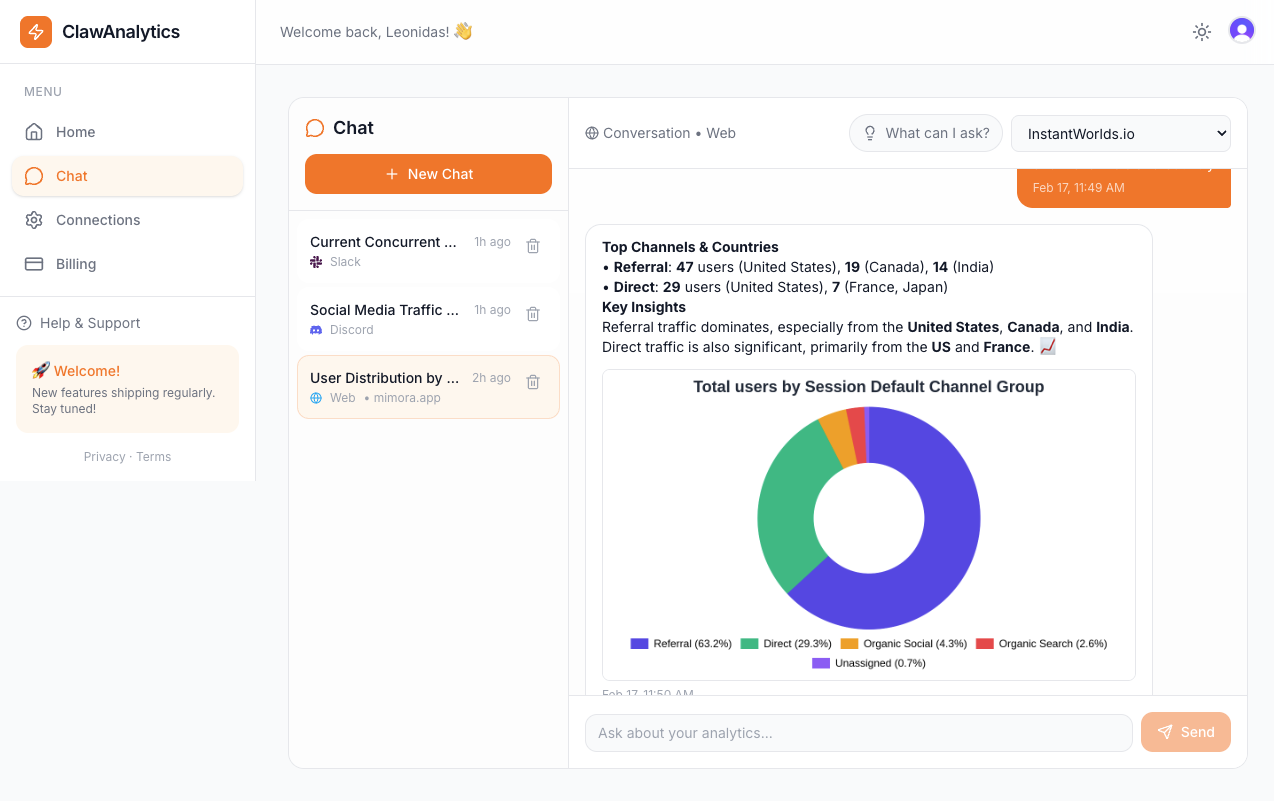
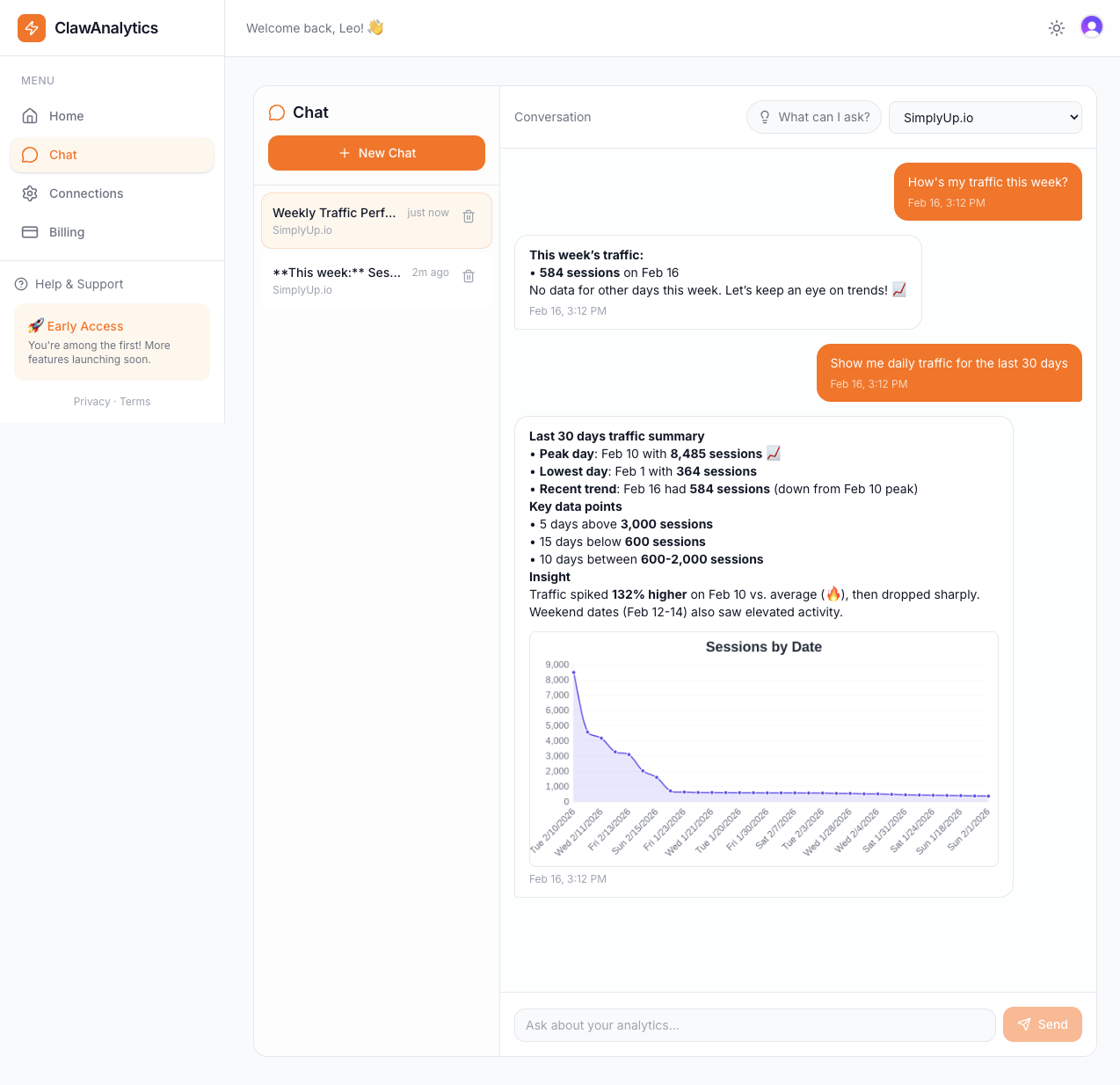
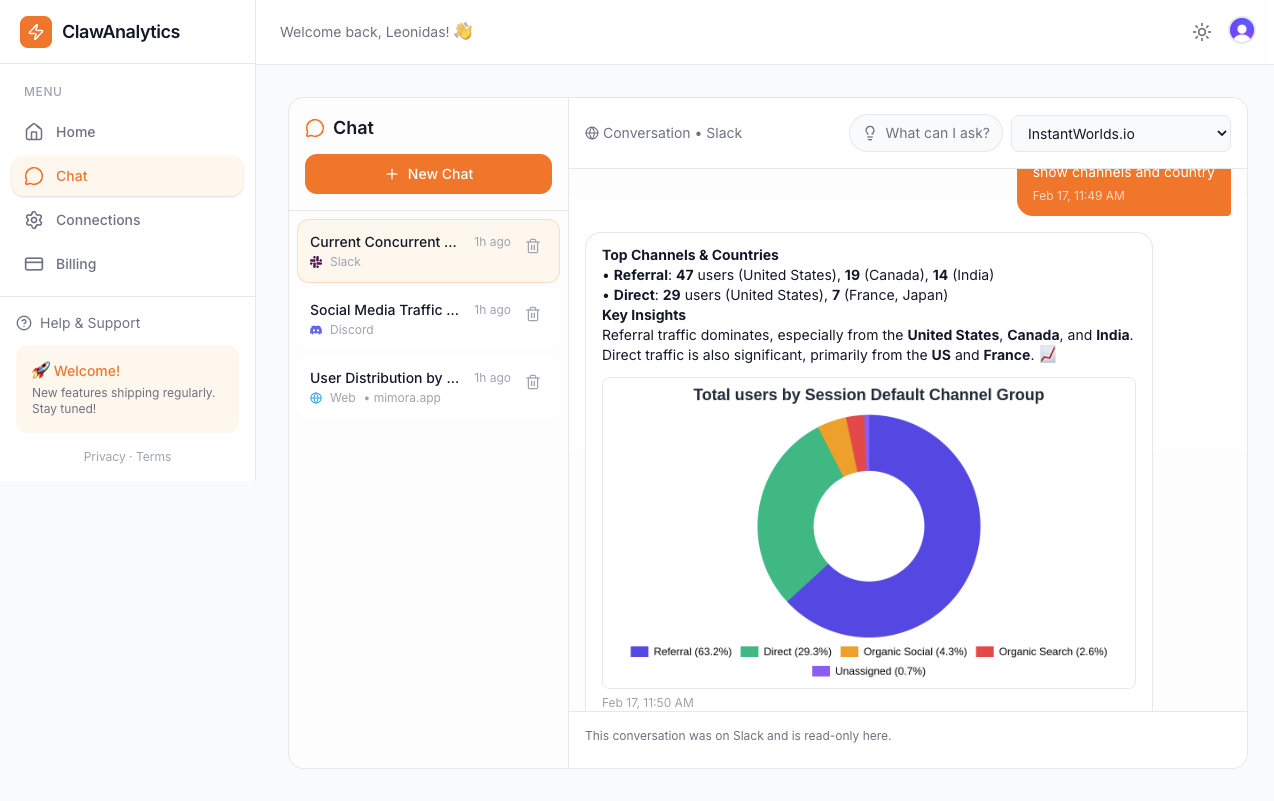
ClawAnalytics streamlines device analysis for legal professionals who want insights without becoming analytics experts. Instead of manually building custom reports in GA4, you get pre-configured dashboards showing exactly what matters.
For example, ClawAnalytics might reveal that your family law practice area gets 70% mobile traffic while your corporate law section attracts 80% desktop visitors. This insight directly informs whether you should prioritize mobile optimization for certain practice pages or focus desktop enhancements on business-oriented content.
You could ask questions like “Which practice areas have the highest mobile bounce rate?” or “Are mobile visitors to our personal injury page converting to consultations?” and get clear answers in seconds.
Quick Wins
Audit mobile page speed. Use PageSpeed Insights to check your homepage and key conversion pages on mobile. Load times over 3 seconds cost you clients.
Ensure click-to-call works. Make your phone number a tappable button on mobile. Test it yourself on actual phones, not just browser emulators.
Separate mobile and desktop conversion goals. Track different actions as conversions for each device. A phone call might be the primary mobile conversion while desktop users might download case evaluation forms.
Optimize forms for each device. Long forms frustrate mobile users. Consider a multi-step mobile form that saves progress versus a detailed desktop version.
Review device conversion rates monthly. If mobile conversion lags significantly behind desktop, investigate whether your mobile experience needs improvement or if mobile traffic simply attracts less serious inquiries.