A family driving through a new neighborhood spots a house with a for-sale sign. Within seconds, they pull out their phones to look up the listing, check the price, and see inside. That moment decides whether they call your agent or keep driving. Device breakdown tells you how these moments play out across all the ways people search.
Real estate is unique because property discovery often happens on mobile, but the serious buying process typically moves to desktop. Understanding this split helps you build nurturing sequences that match how people actually buy homes.
Why Device Breakdown Matters for Real Estate
-
Mobile drives discovery. Most buyers start browsing homes on their phones during commutes, lunch breaks, or weekend drives. Your mobile site must showcase properties effectively or you lose early interest.
-
Desktop drives decisions. When buyers are ready to make serious inquiries, they often switch to desktop for more thorough property comparisons. They want larger screens and easier document handling.
-
Tablet serves a unique niche. Some buyers, particularly older demographics, prefer tablets for property tours. Virtual tours and video walkthroughs often load better on tablets.
-
Lead quality varies by device. Mobile leads might be casual browsers. Desktop leads often have financing pre-approved and are ready to move faster. Distinguishing these helps prioritize follow-up.
How to Check in GA4
Access GA4 and go to Reports, then Users, then Device category. You will see traffic percentages and key metrics for each device type. Pay attention to more than just visitor counts.
Look at engagement depth: pages per session, time on site, and scroll depth. Mobile might show quick browsing with fewer pages. Desktop often shows deeper research with multiple property comparisons.
Create a custom report that segments by device and tracks key real estate events: schedule showing, ask a question, save property, and request mortgage info. This reveals how intent varies by device.
The Easier Way
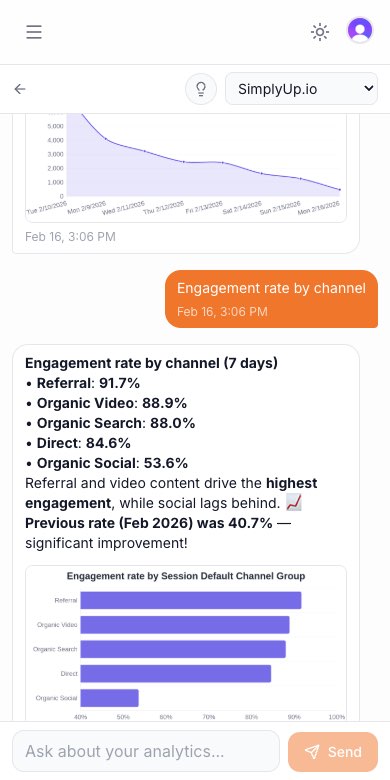
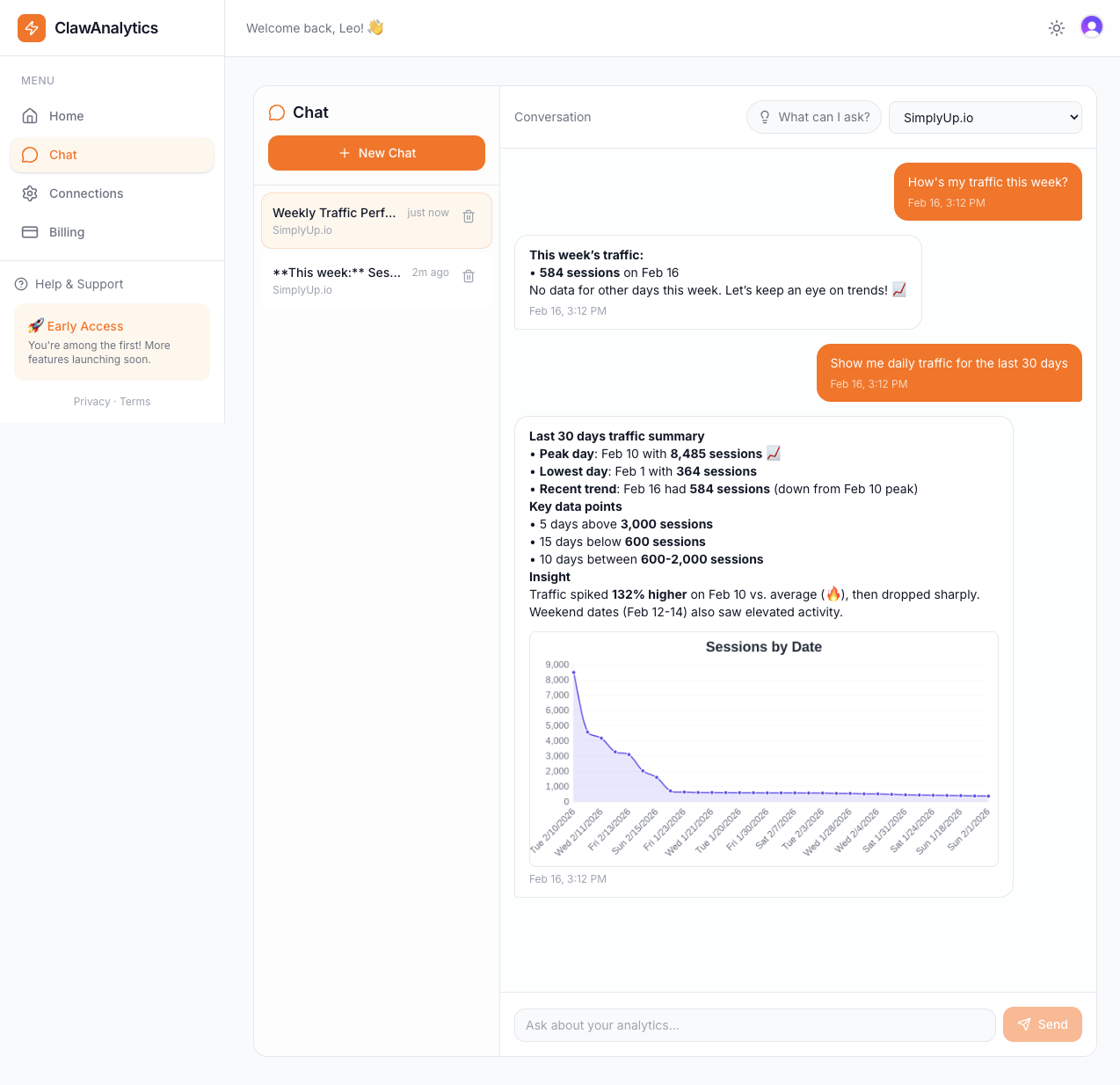
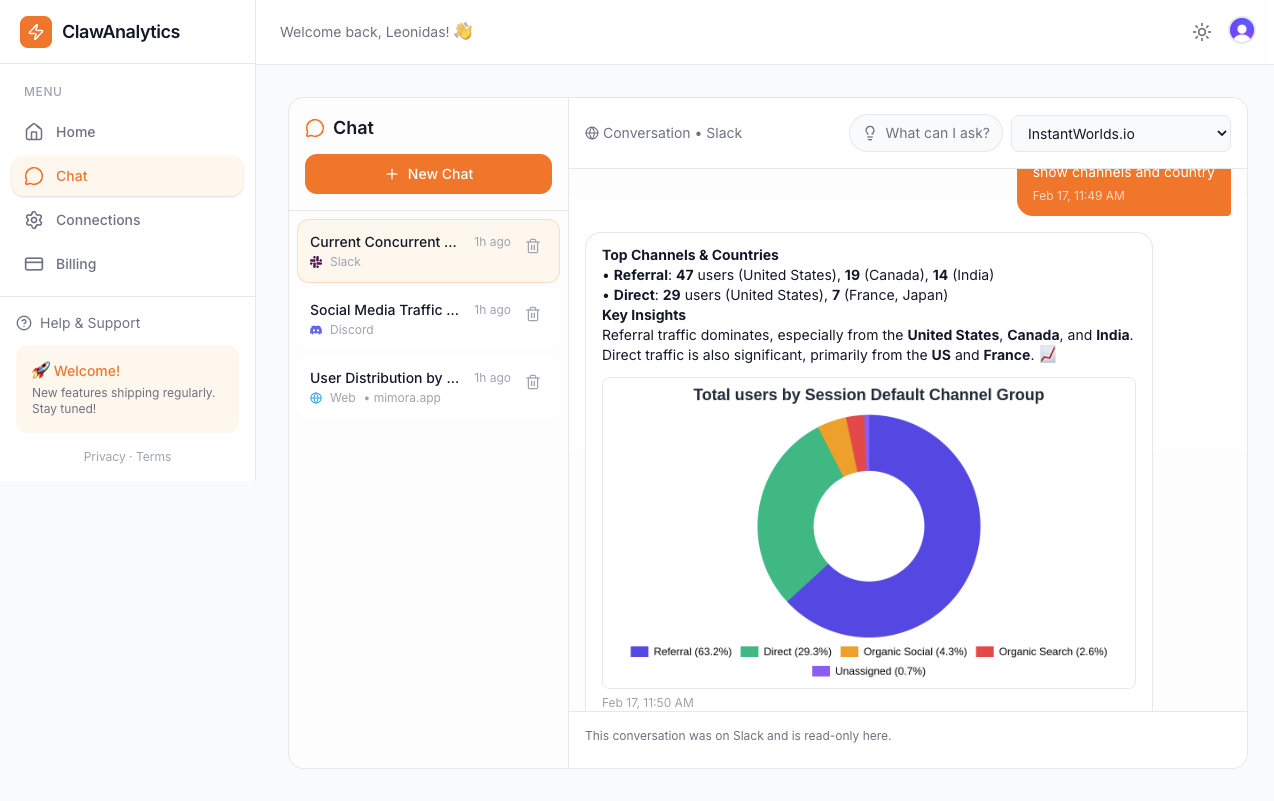
ClawAnalytics connects device data to actual lead quality. It shows which devices generate serious inquiries versus window shoppers. For instance, it might reveal that desktop visitors who view more than five properties are your hottest leads.
Real estate agents often ask: “Should I invest more in mobile or desktop?” ClawAnalytics helps answer by showing conversion to leads by device. Another common question is “Which properties need mobile optimization?” The tool flags listings with high mobile bounce rates.
ClawAnalytics also helps track the device journey: does a mobile browser later become a desktop inquirer? This cross-device view helps build more accurate lead nurturing.
Quick Wins
Make property listings mobile-first. High-quality images must load fast on phones. Property details should be scannable. Key information like price, beds, and baths should be visible without scrolling.
Ensure your contact forms work on all devices. A form that requires too much typing on mobile frustrates serious buyers. Offer simple contact options: one-tap call, SMS, or quick inquiry forms.
Optimize for local mobile searches. Buyers often search with neighborhood names or zip codes. Ensure your site ranks for local terms and loads fast for mobile users.
Create property alerts that work cross-device. Let users save searches and receive notifications on their preferred device. This captures leads across their entire journey.
Track inquiry quality by device. Not all leads are equal. Use your CRM to note which device generated each lead and track close rates. This data improves your marketing decisions.
Finally, test your virtual tour functionality on tablets and phones. Video and 3D tours often perform differently across devices. Optimize delivery to ensure smooth playback everywhere.