What Is a Good Organic Traffic for Dropshipping?
Imagine spending $500 monthly on Facebook ads with a 3% conversion rate, then discovering your blog posts bring in visitors who convert at 8%. That’s the power of understanding organic traffic for dropshipping.
Why Organic Traffic Matters for Dropshipping
Profit margins stay intact. Unlike paid ads that eat into every sale, organic visitors cost nothing once your content ranks. A dropshipping store with 20% profit margins might see that shrink to 5% after ad spend. Organic traffic preserves your bottom line.
Trust builds over time. Dropshipping faces skepticism. Customers searching for your products and finding helpful content feel confident purchasing. When someone searches “best ergonomic chair for back pain” and lands on your comparison guide, they already trust you.
Seasonal spikes smooth out. Paid campaigns dry up when budgets run out. Organic content keeps delivering traffic during holidays, Black Friday, and peak seasons without additional spend.
Competition is still open. Most dropshippers focus on ads and TikTok. SEO remains less crowded, making it easier to rank for specific product categories.
How to Check in GA4
- Open Google Analytics 4 and navigate to Reports
- Click Acquisition then User acquisition
- Set the date range to compare last 30 days vs previous period
- Filter by Session source/medium containing “google/organic”
- Check Engaged sessions and Conversions alongside raw traffic numbers
- Create a custom report tracking organic traffic to product pages specifically
Look for the “Organic Users” metric. Compare it against total sessions to calculate your organic percentage. A healthy dropshipping store should aim for 20-40% organic traffic within the first year.
The Easier Way
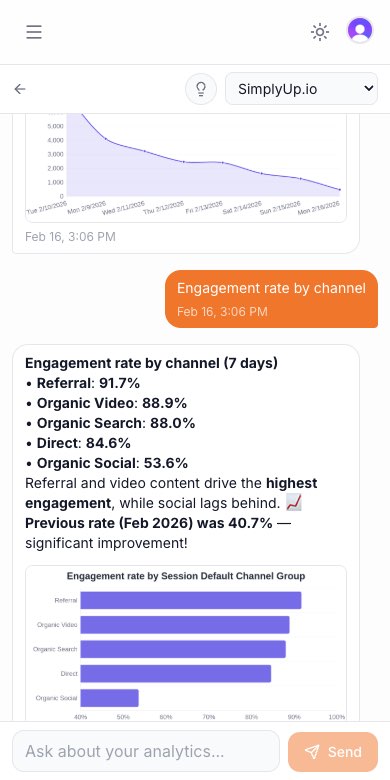
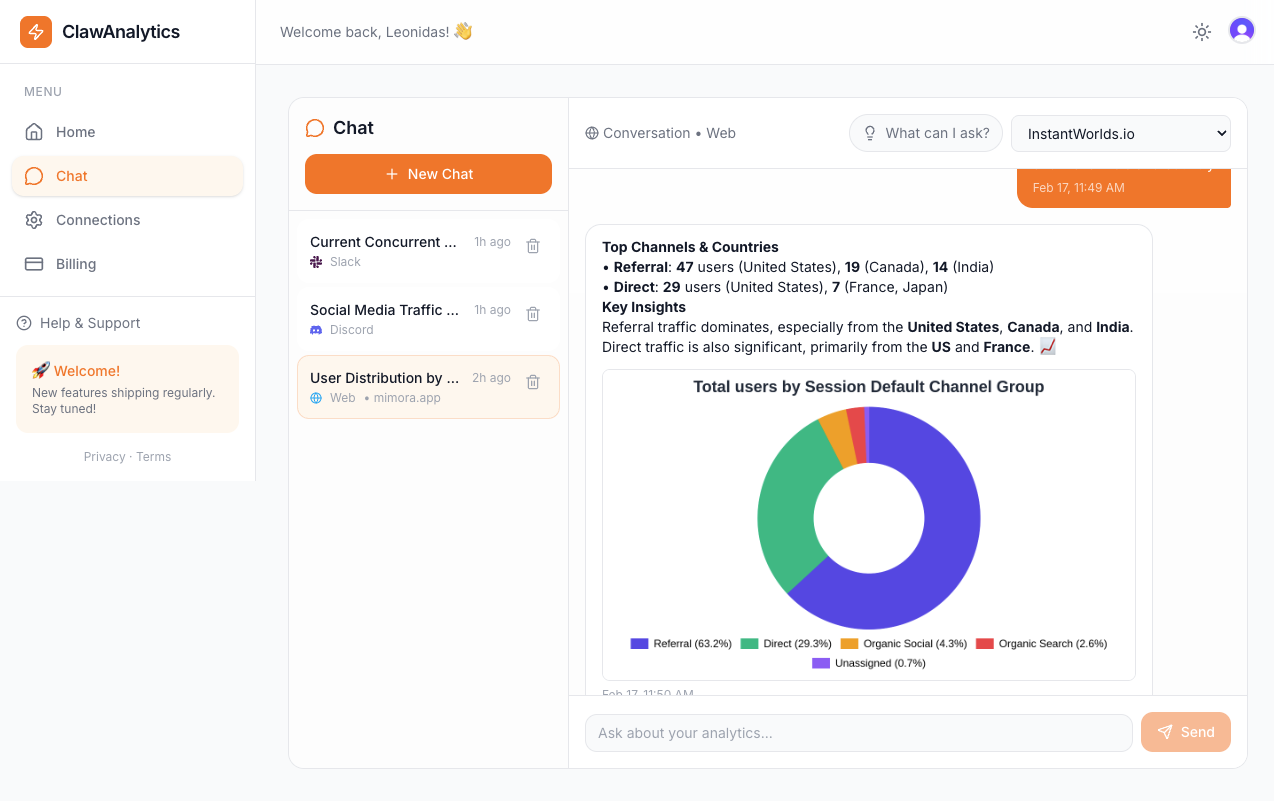
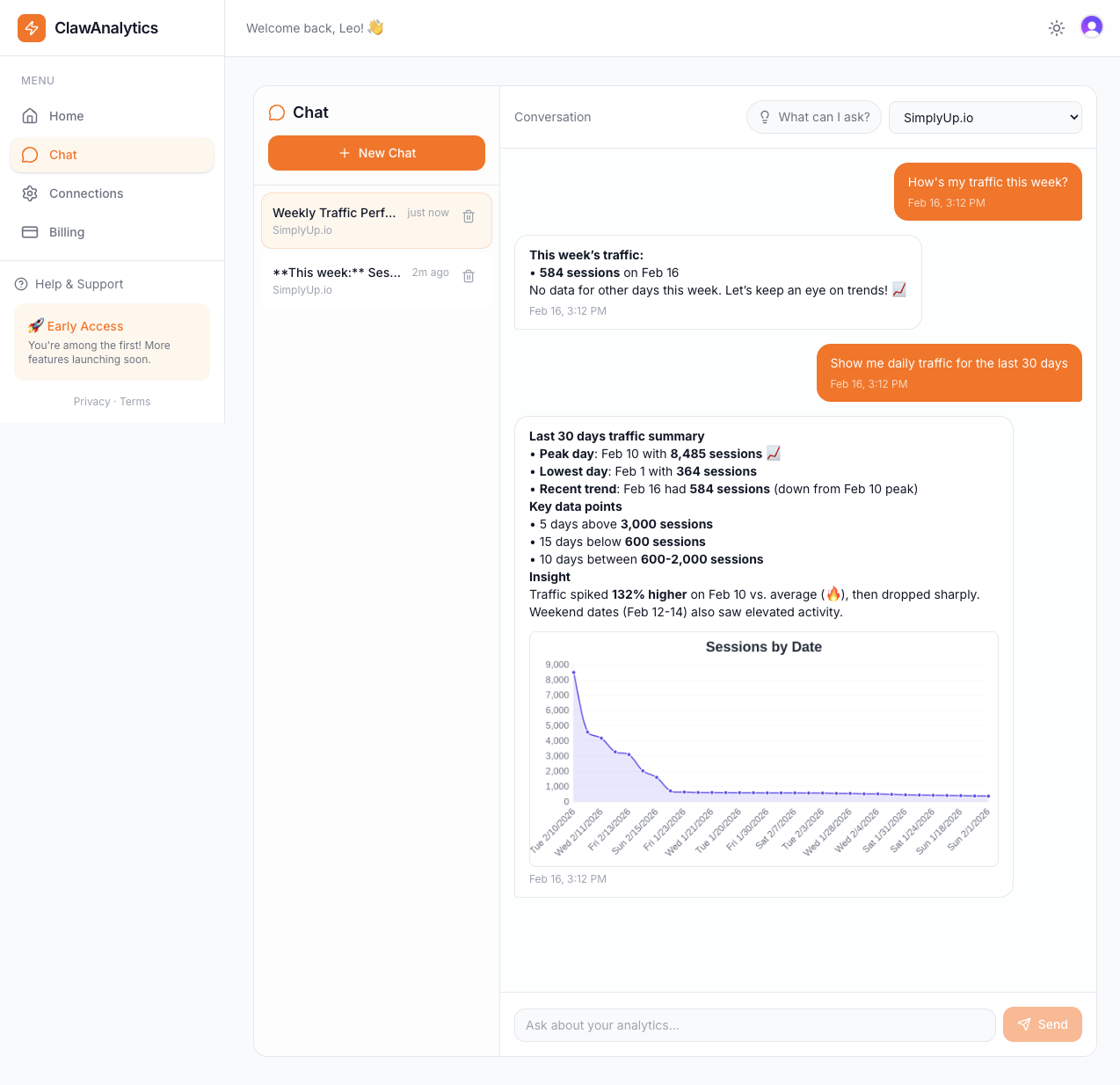
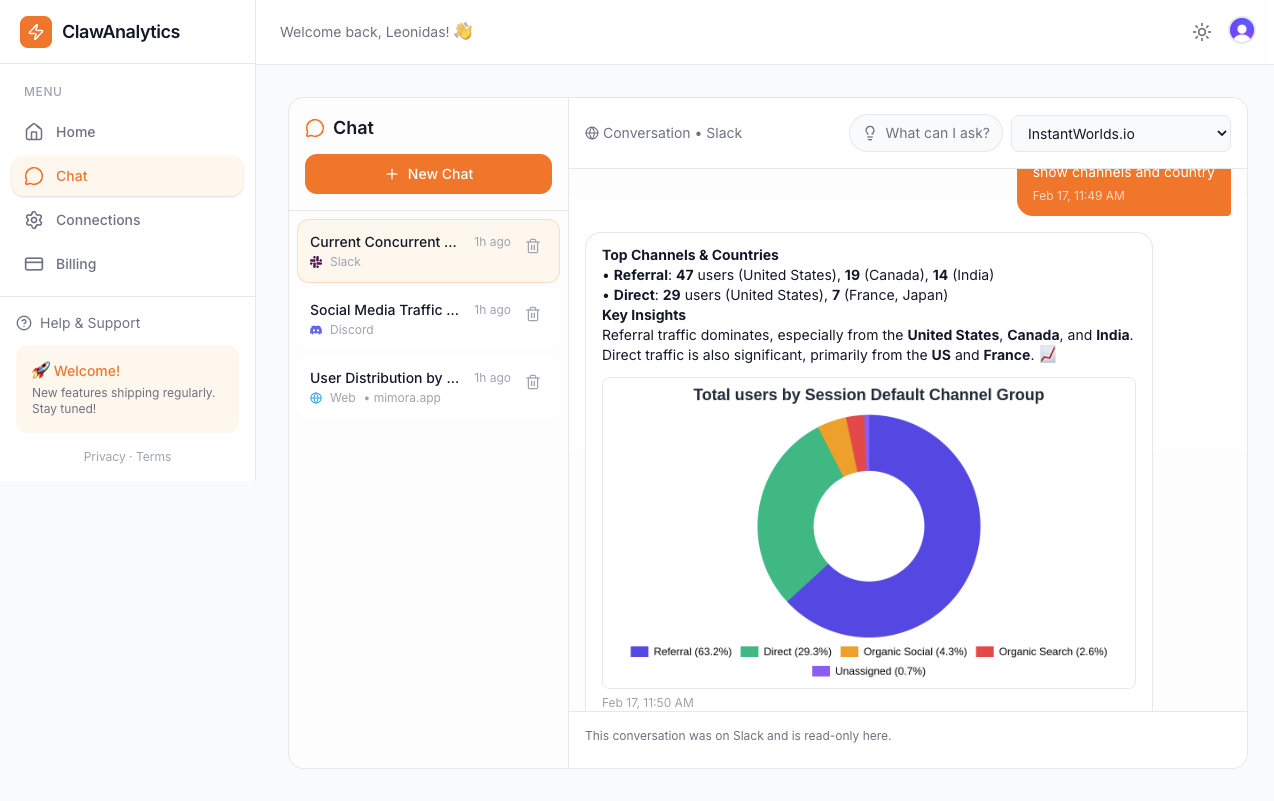
Checking GA4 weekly takes time. ClawAnalytics automates this by showing you exactly which content drives organic visitors and how they behave.
How many visitors come from Google each week? ClawAnalytics tracks this daily and alerts you when traffic drops.
Which blog posts bring the most buyers? See conversion data tied directly to each piece of content.
Am I ranking for my competitors’ keywords? The dashboard shows search queries driving traffic to your site.
This helps you stop guessing and start creating content that actually sells.
Quick Wins
Optimize product descriptions for search. Include the main keyword in your first 100 words. Add naturally recurring terms throughout.
Build internal links. Link your blog posts to product pages. This helps Google understand your site structure and keeps visitors browsing longer.
Target informational keywords. People searching “how to choose [product]” often buy. Write guides that solve problems, not just sell products.
Fix technical issues. Run a free site audit. Slow loading times, broken links, and missing meta descriptions hurt rankings even with great content.
Update old content. Refresh posts with new statistics, better formatting, and current keywords. Updated content often outranks original versions.
Track your organic traffic monthly. Small gains compound over time, turning a quiet store into one that sells while you sleep.