Imagine you run an online learning platform and notice students signing up but rarely returning. Your Pages Per Session metric tells you whether learners are diving deep into your content or bouncing after one page. For education websites, this single number can reveal whether your course structure works or if students feel lost.
Why Pages Per Session Matters for Education
Students visiting your site have specific goals: finding courses, understanding curriculum, or accessing learning materials. When they view only one page, it often means they did not find what they needed or could not navigate to related content. Higher Pages Per Session rates directly correlate with student engagement and course completion.
Key reasons to track this metric:
- Content discoverability: Multiple page views show students are finding relevant links and exploring topics in depth
- Curriculum clarity: Low rates often indicate confusing site structure that prevents students from finding related courses
- Learning pathway effectiveness: When students move through multiple related pages, your curriculum flow is working
- Resource utilization: High engagement across pages means your articles, guides, and materials are actually being used
How to Check in GA4
Checking your Pages Per Session in Google Analytics 4 takes just a few steps. Open GA4 and navigate to Reports, then select Engagement and Sessions. Look for the Average Sessions dimension to see how many pages each visitor views. You can also create a custom report filtering by user segments like returning students versus new visitors.
For deeper insight, check the Pages and Screens report to see which specific pages keep students engaged and which ones cause them to leave.
The Easier Way
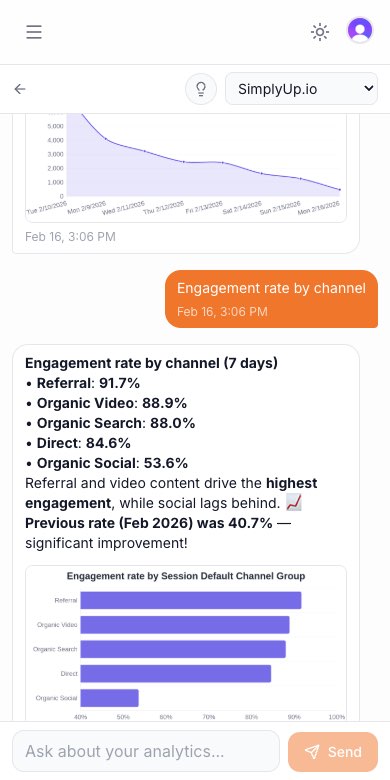
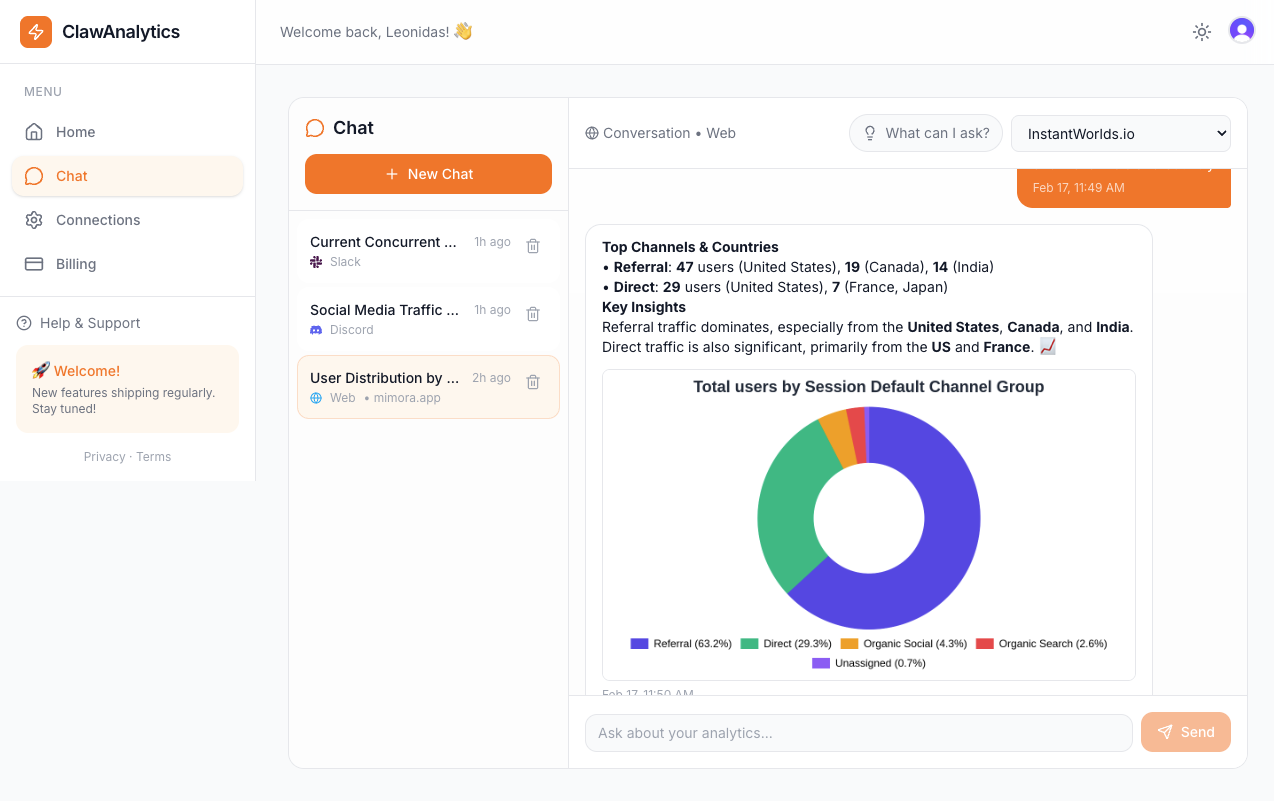
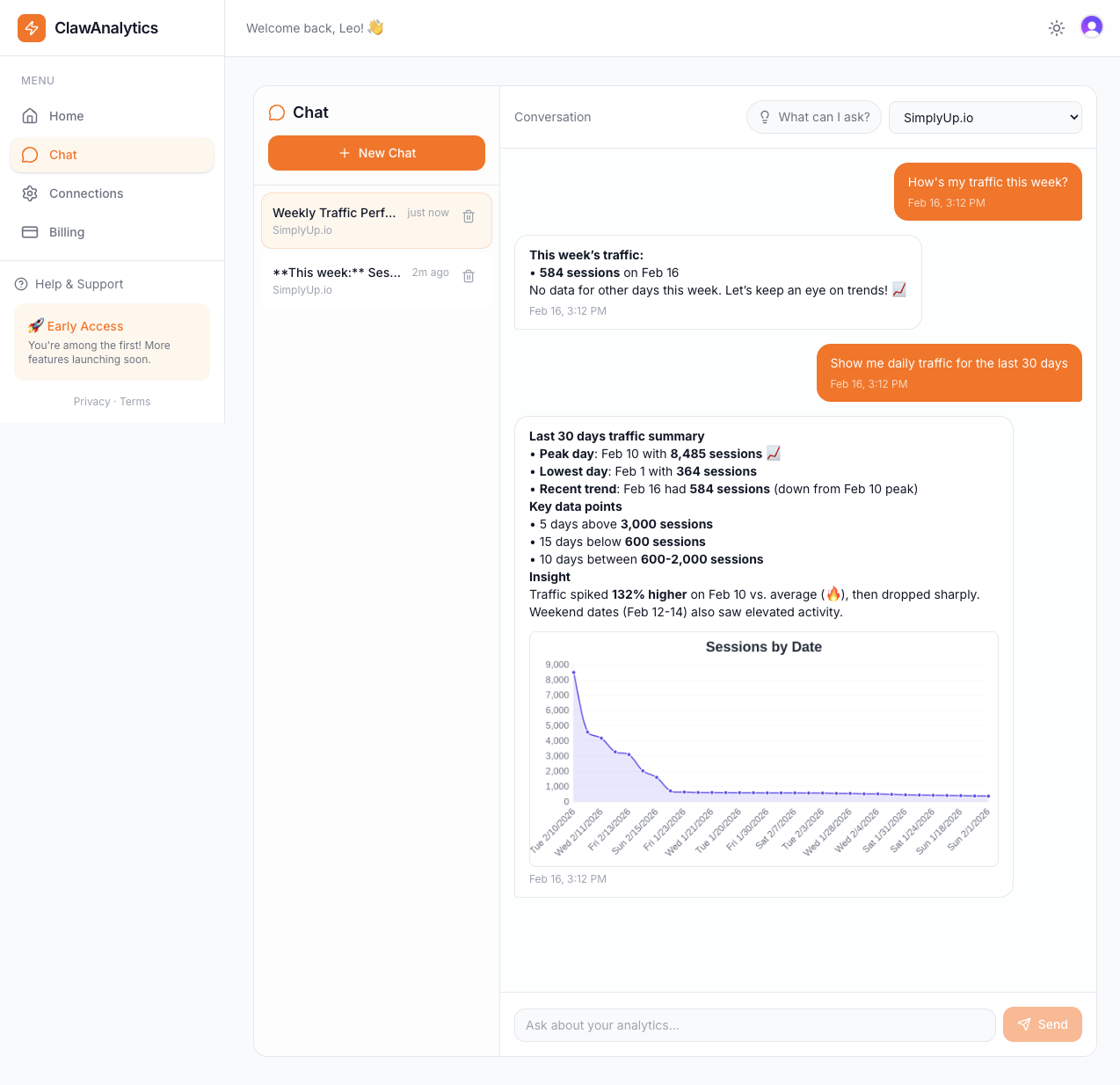
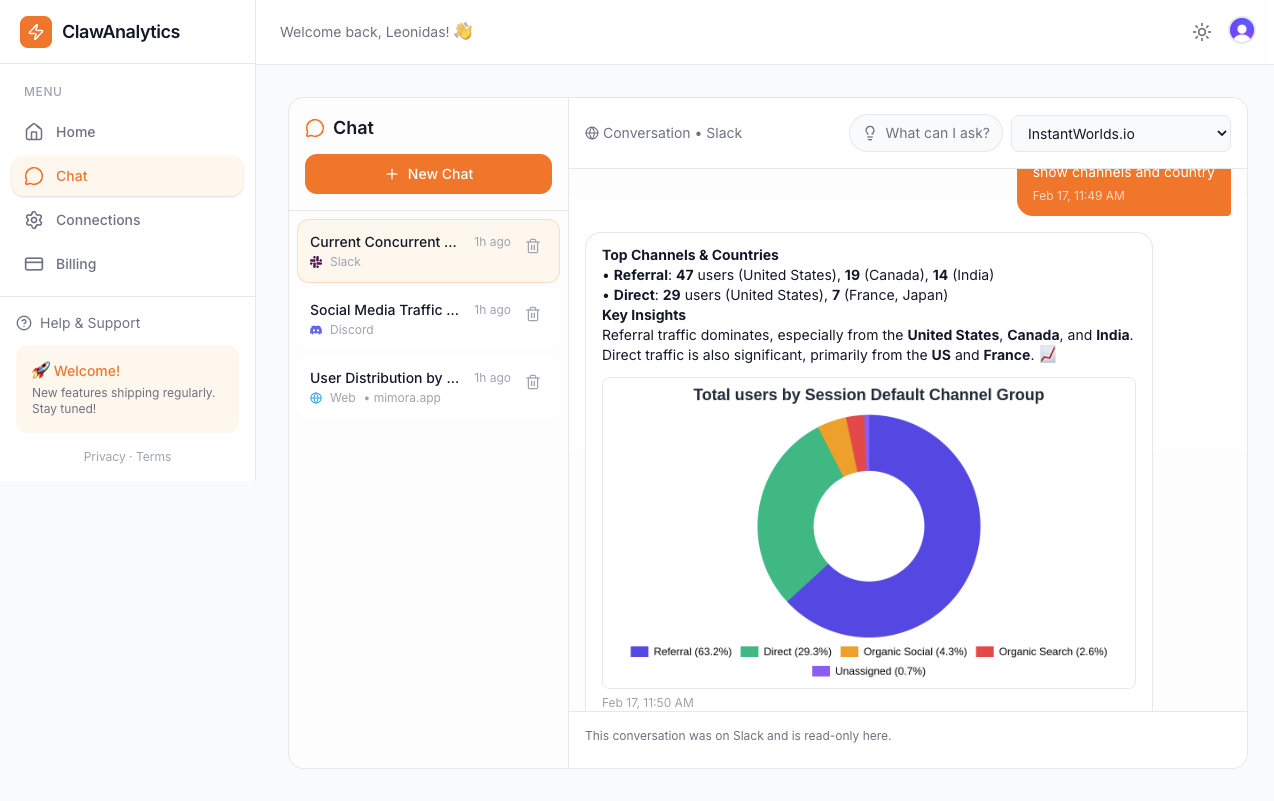
Instead of wrestling with GA4 reports, many education platforms use ClawAnalytics to get clear answers faster. You can ask questions like “Are students finding our course pages?” or “Which landing pages lose visitors most often?” and get instant, actionable answers. ClawAnalytics also compares your Pages Per Session across different traffic sources, so you know whether organic visitors engage more than paid ads.
For example, you might discover that visitors from search engines view 4.2 pages per session while social traffic only averages 1.8 pages, suggesting your social landing pages need better internal links.
Quick Wins
Start by auditing your site navigation. Add breadcrumb links on course pages so students can easily return to category pages. Create “Related Courses” sections at the bottom of each course description. Add a resource library with internal links from popular content. These small changes often boost Pages Per Session by 20-30% within weeks.
Also consider adding a sticky sidebar with quick links to popular sections. Students appreciate being able to jump between modules without clicking back repeatedly.