Someone searches for dinner options, finds your website, and leaves after seeing the homepage. You lost a potential customer who never discovered your weekend specials or saw your customer reviews. Pages per session tells you whether hungry diners are finding what they need.
Why Pages Per Session Matters for Restaurants
Food decisions need social proof. Customers who view your menu, gallery, and reviews feel confident choosing your restaurant over competitors.
Online ordering depends on exploration. Guests who browse multiple menu categories are more likely to add items to their cart and complete a takeout order.
Your story builds loyalty. When visitors read about your chef, your ingredients, and your history, they develop an emotional connection that brings them back.
Local search rewards engagement. Google notices when people spend time on your site, improving your rankings for restaurant searches in your area.
How to Check in GA4
Access GA4 and go to Engagement then Pages and screens. Find the average pages per session for your site. Segment by device to see if mobile visitors behave differently from desktop users.
Create a custom report that tracks pages per session for your menu pages, reservation page, and online ordering section. Compare performance between lunch and dinner service times.
The Easier Way
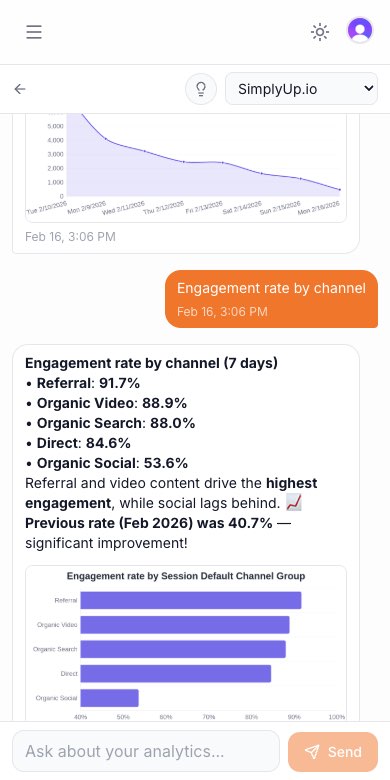
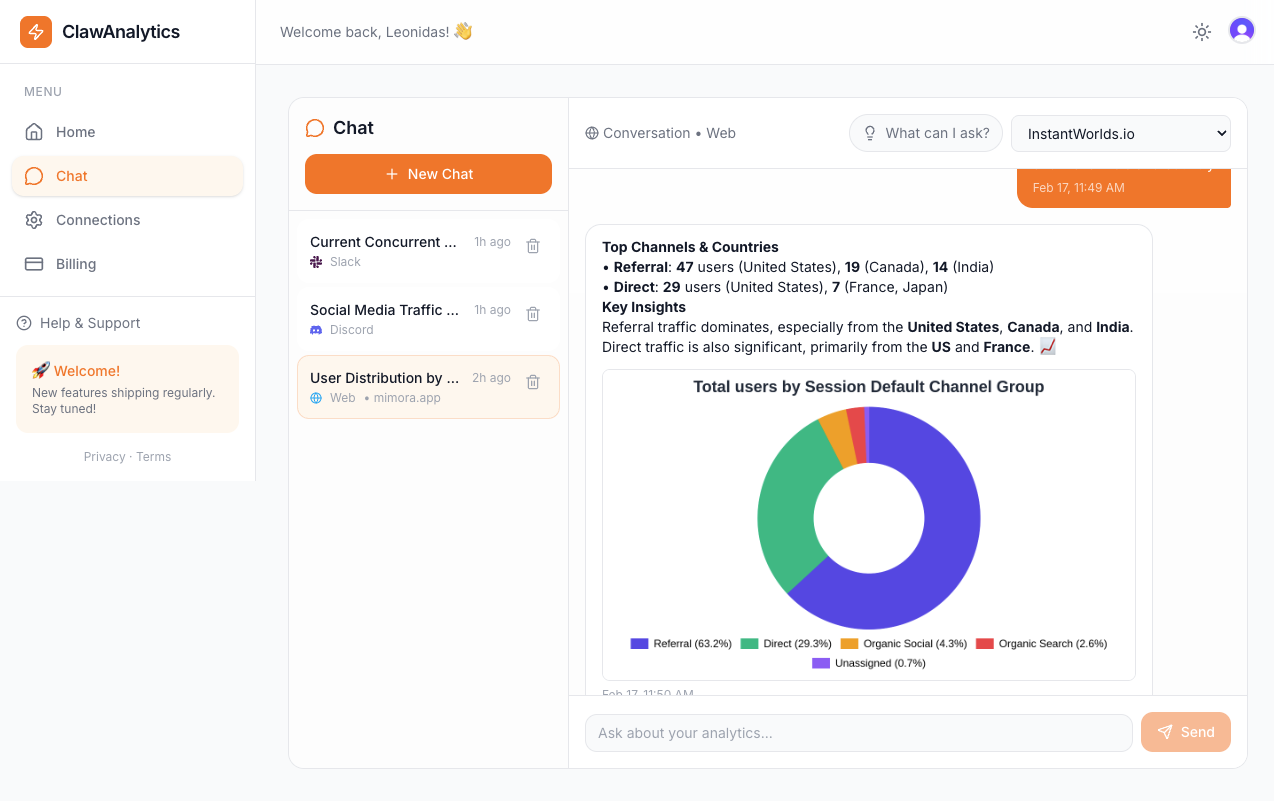
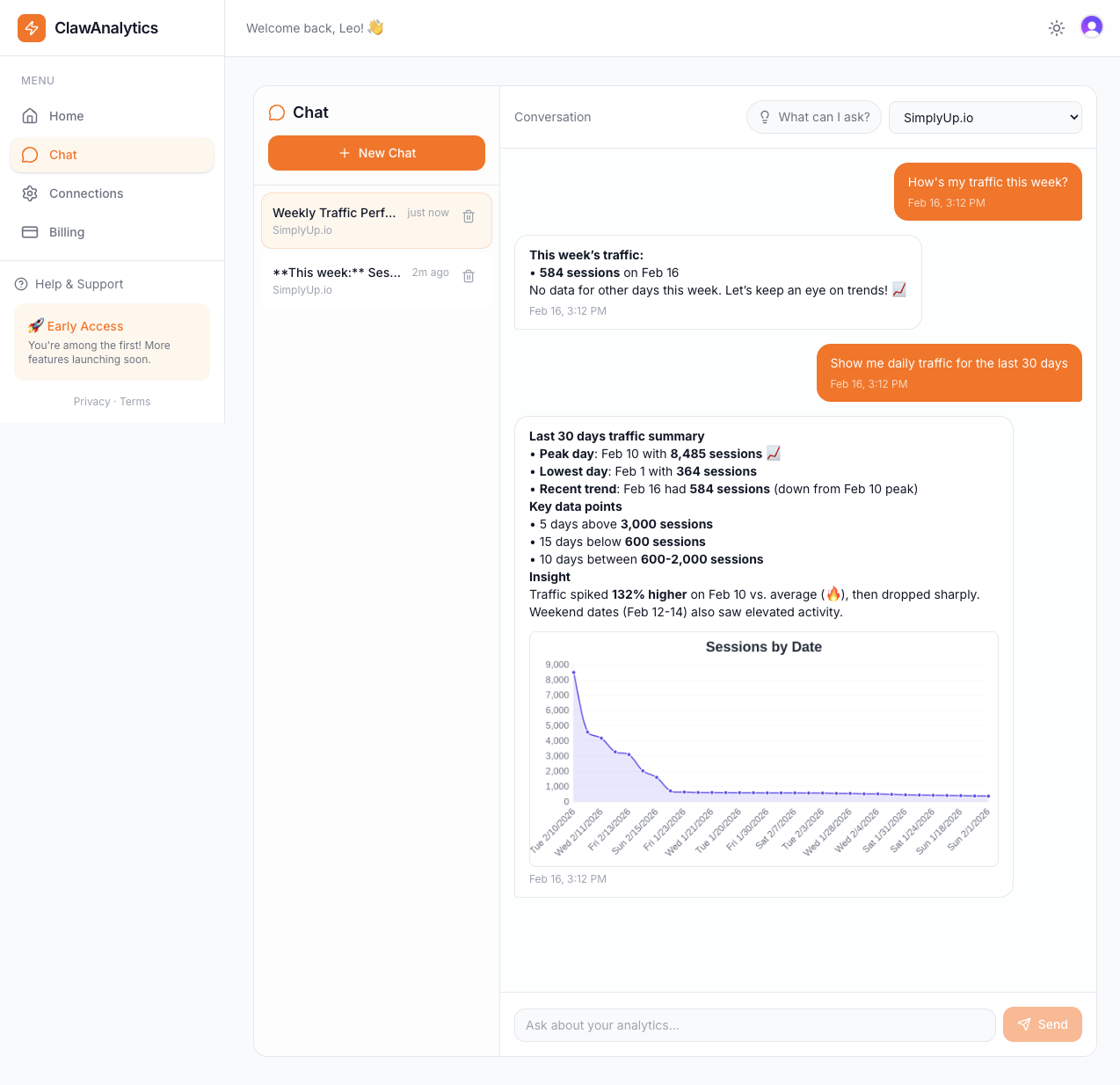
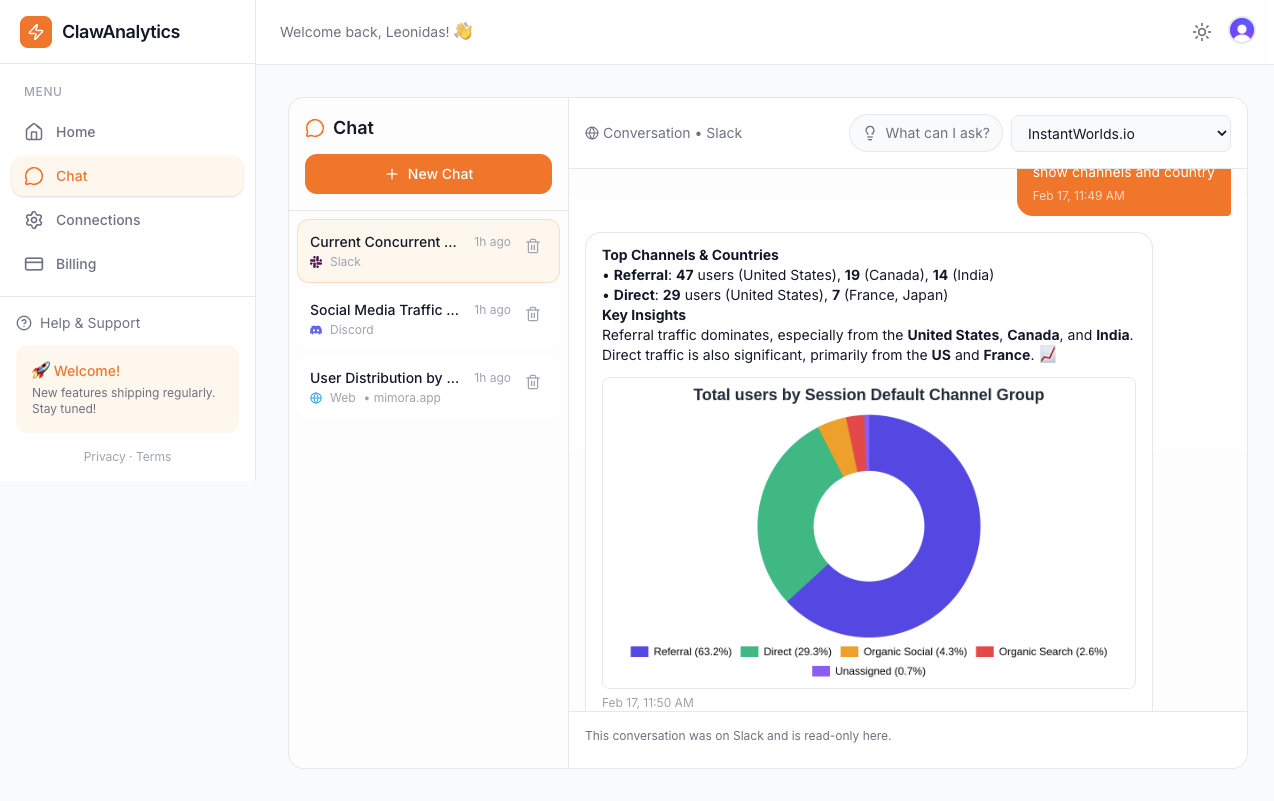
ClawAnalytics gives restaurant owners clear insights without complicated dashboards. You might discover that your vegetarian menu page gets 2.3 pages per session while your drinks menu only gets 1.1.
This helps you ask questions like which menu sections should link to our reservation system or which dishes should we feature on our homepage. You can make changes that turn browsers into booked diners.
Quick Wins
Add menu links in your website footer on every page. Show customer photos and reviews throughout your site. Link your daily specials directly to your reservation and ordering pages.
Create a visual story page about your ingredients and chef. Make your reservation button visible in your navigation at all times. Include a map and parking information to reduce visitor hesitation.