What Is a Good Referral Traffic for Content Creators?
A YouTuber mentions a blog post in their video description. A viewer clicks through, reads the full article, and signs up for the email newsletter. Months later, that subscriber becomes a paying course student. This is how referral traffic works for content creators: turning audience members into deeper community connections.
Why Referral Traffic Matters for Content Creators
Converts casual viewers to loyal fans. A website visit signals higher intent than someone who just watches a video and leaves.
Diversifies your audience. Different platforms reach different people. Cross-promotion brings new eyes from platforms you might not dominate.
Builds your owned audience. Email list subscribers and website visitors belong to you, unlike platform followers who algorithms can hide your content from.
Creates monetization opportunities. Website visitors convert to paid products, services, and sponsorships at higher rates than social-only followers.
How to Check in GA4
Go to Reports > Acquisition > Traffic acquisition and filter for referral traffic. Look for sources like YouTube, podcast platforms, newsletter mentions, and other creator websites.
Set up goals for email sign-ups, course purchases, or other key creator conversions. Sort referral sources by these goals to find which collaborations pay off.
Use unique UTMs for each video, podcast episode, or collaboration so you can trace exact performance.
The Easier Way
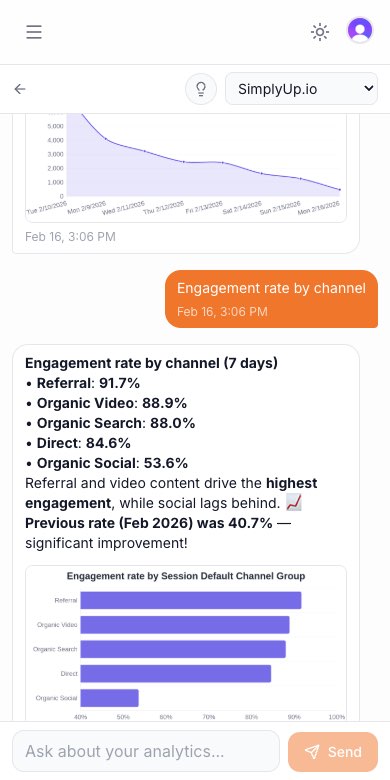
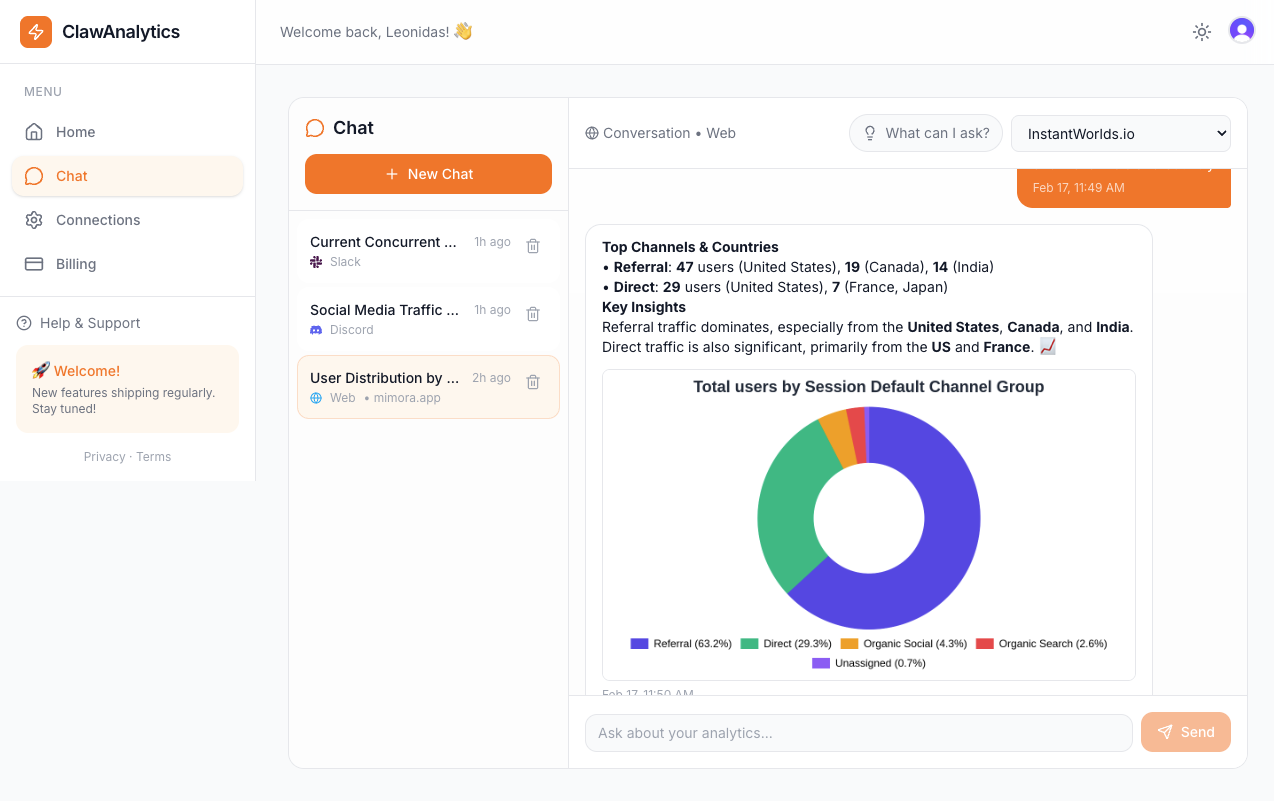
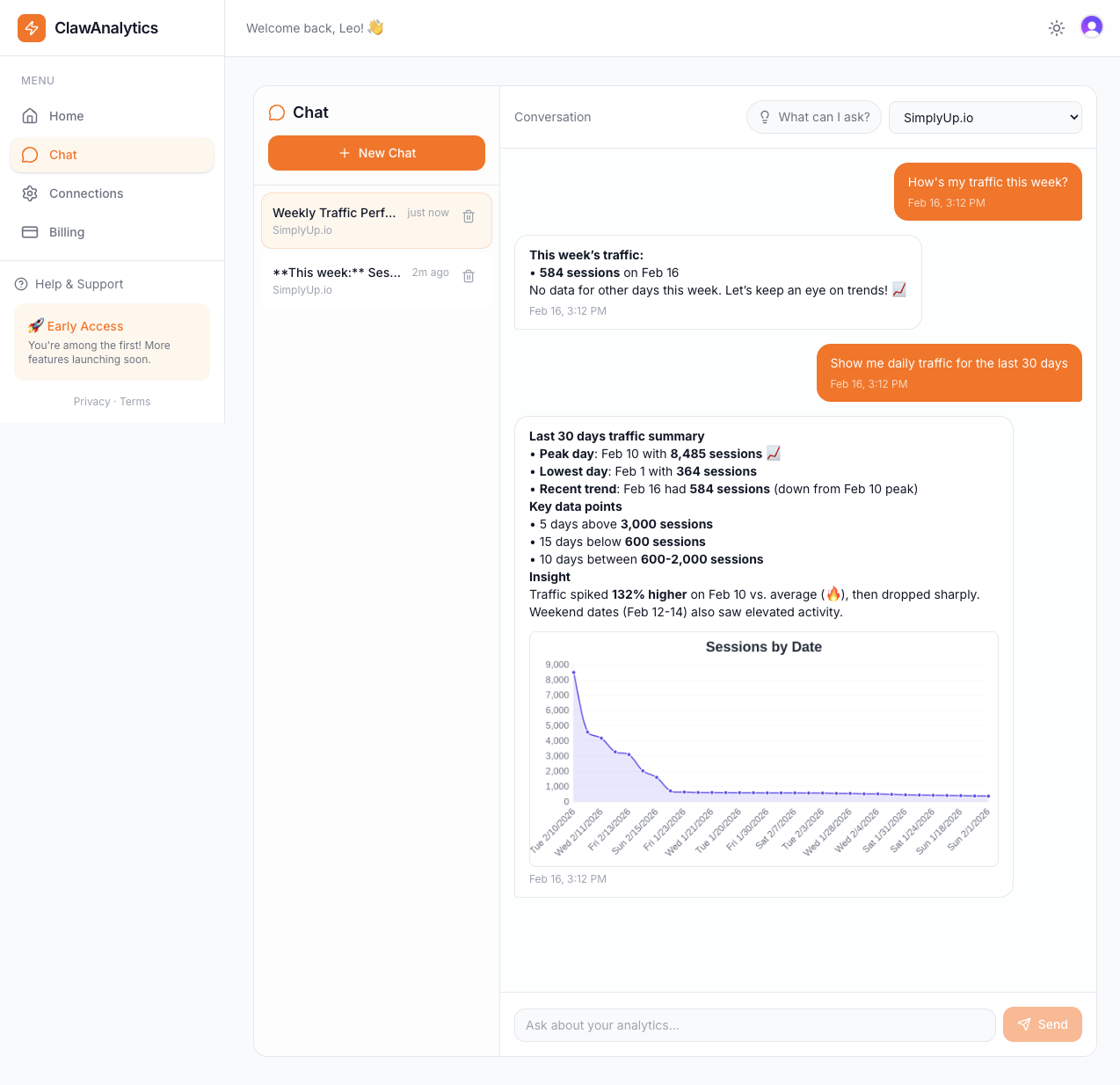
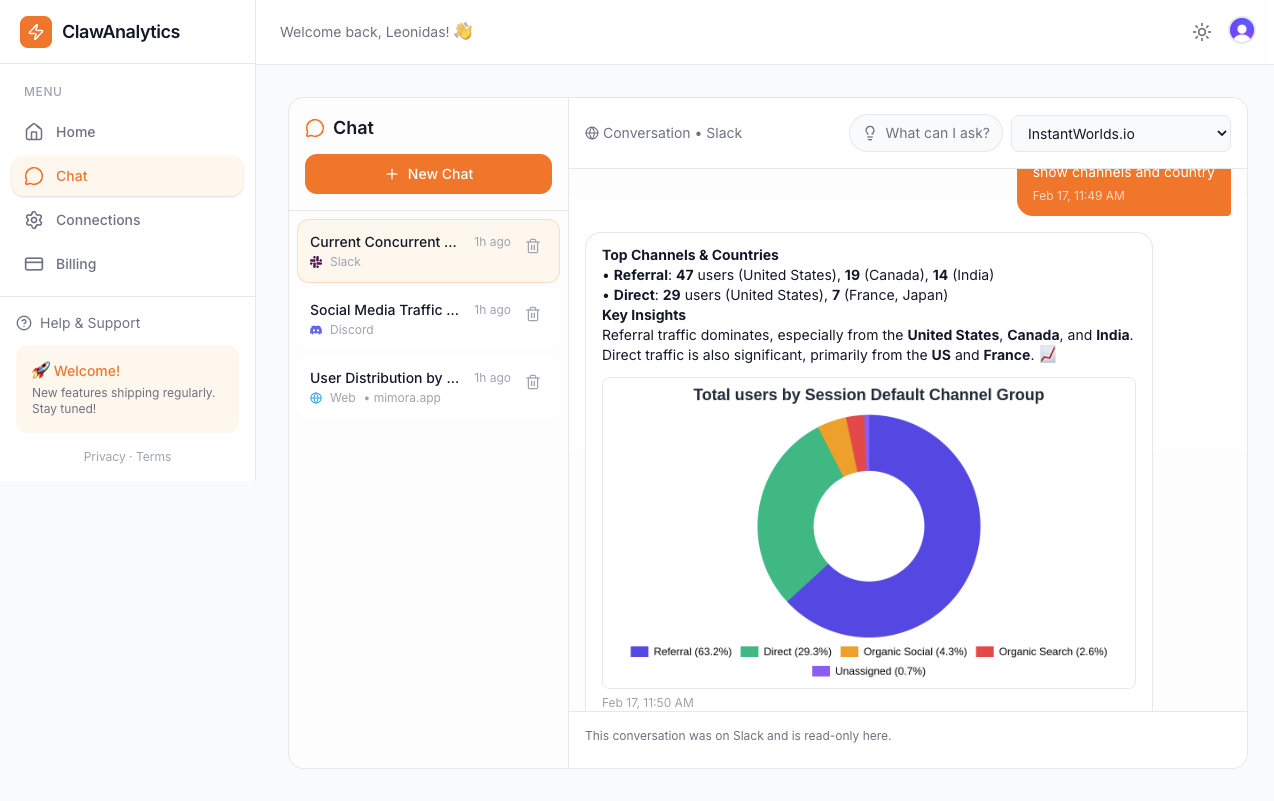
Content creators often feel overwhelmed by analytics. ClawAnalytics makes it simple by showing which referral sources actually help grow your community.
You might discover that podcast interviews drive email sign-ups while YouTube mentions bring more product sales. Or that a specific creator’s audience engages far more with your content than others.
Ask ClawAnalytics “which creator referral brings the most subscribers” or “show me email sign-ups by source” to make smarter decisions about where to invest in collaborations.
Quick Wins
Link to your website in every piece of content. YouTube descriptions, podcast show notes, Instagram bios, and newsletter footers should all point to your site.
Guest on other creators’ content. Appear as a guest, not just a host, to access their audience.
Create shareable resources. Tools, templates, or freebies other creators want to recommend to their audience.
Cross-promote with complementary creators. A fitness YouTuber and a nutrition podcast can share each other’s work with their audiences.
Start a creator community. Other creators in your niche will naturally promote content that benefits the group.
Build referral relationships with creators who share audiences interested in what you create.