A dentist in Denver was struggling with patient acquisition. He was pouring money into Google Ads but couldn’t understand why his schedule stayed half-empty. Then he started paying attention to referral traffic. He discovered that a local orthodontist was sending him patients every month through a simple website link. He’d never even met the guy. Once he formalized that partnership and started tracking it, his schedule filled up and his cost per patient dropped by 60%.
Why Referral Traffic Matters for Dentists
Trust is everything in healthcare referrals. When a physician, orthodontist, or existing patient refers someone to your practice, that trust transfers immediately. These visitors are pre-qualified and far more likely to book and keep their appointments. The conversion rate for referral traffic often exceeds 20%, compared to single digits for cold search traffic.
Local medical partnerships create predictable patient flow. Orthodontists, oral surgeons, and general physicians regularly need to refer patients who need services they don’t provide. If you’re not visible to these professionals, you’re missing a steady stream of qualified patients.
Insurance provider directories matter enormously. Many patients find dentists through their insurance provider’s website or directory. These function as referral sources, and optimizing your presence there drives significant traffic. Understanding which insurers send the most visitors helps you prioritize contract negotiations.
Patient reviews function as ongoing referrals. Someone reading positive reviews on Healthgrades or Google and clicking through is a warm lead. These visitors have already done research and trusted what they found. They book faster and have higher retention rates.
How to Check in GA4
Open GA4 and go to the Traffic Acquisition report. Filter by the Referral channel to see every domain sending traffic to your site. Pay special attention to the key events column to see which sources drive actual appointment requests.
Create a custom segment for referral visitors and analyze their complete journey. Look at pages per session, appointment page views, and contact form submissions. Dental patients often research extensively before booking, so understanding their path matters.
Set up conversion events for appointment bookings and phone call clicks. Tag your booking system with appropriate parameters so you can track the entire patient acquisition funnel from first visit to confirmed appointment.
Use the User Explorer report to identify returning referral visitors. Some patients may visit multiple times before booking. Understanding this behavior helps you retarget effectively.
The Easier Way
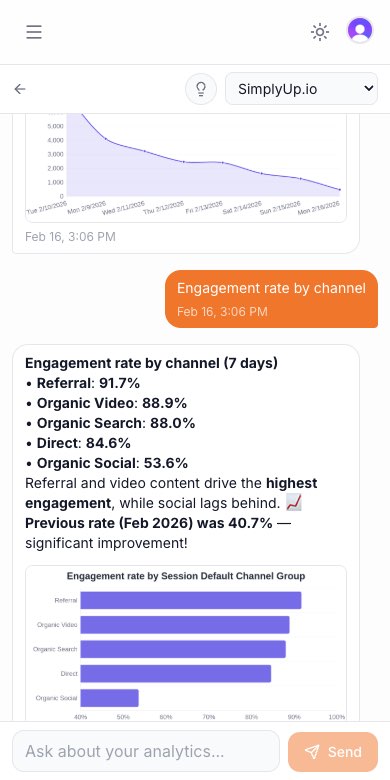
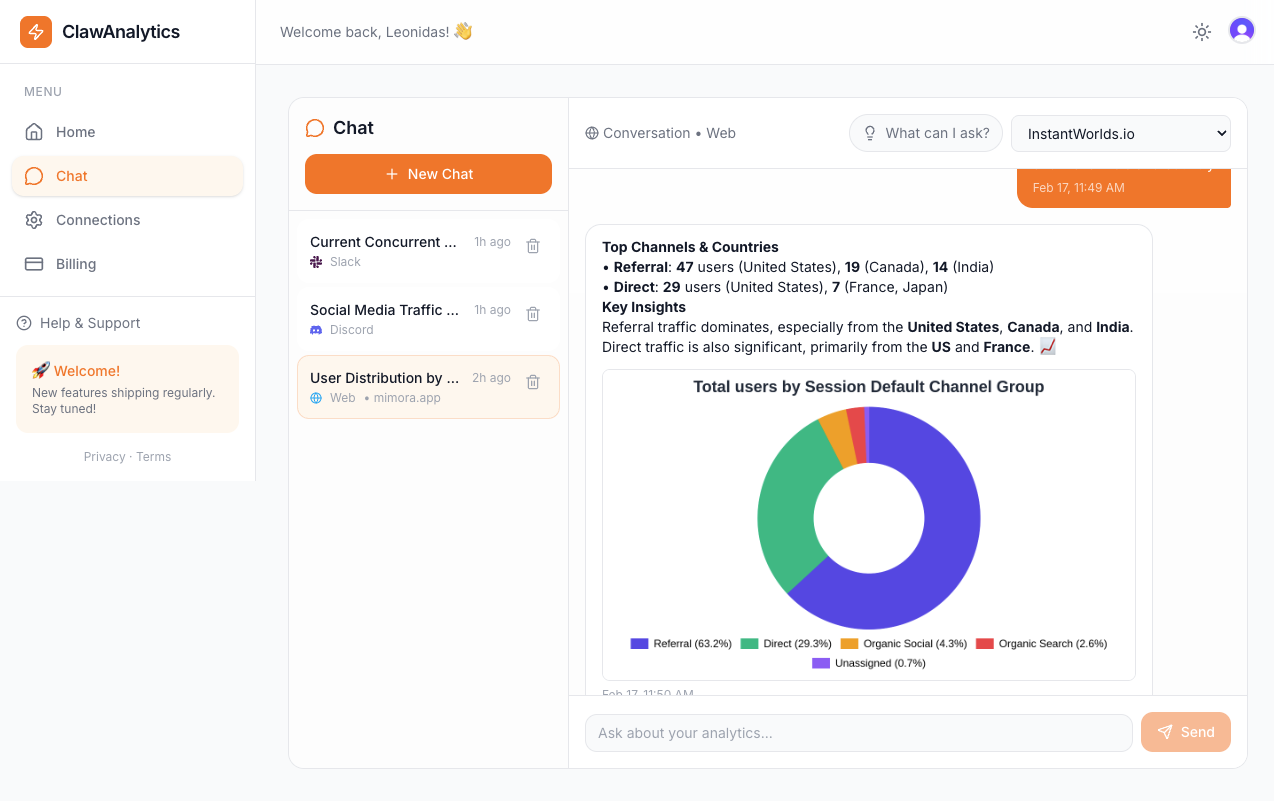
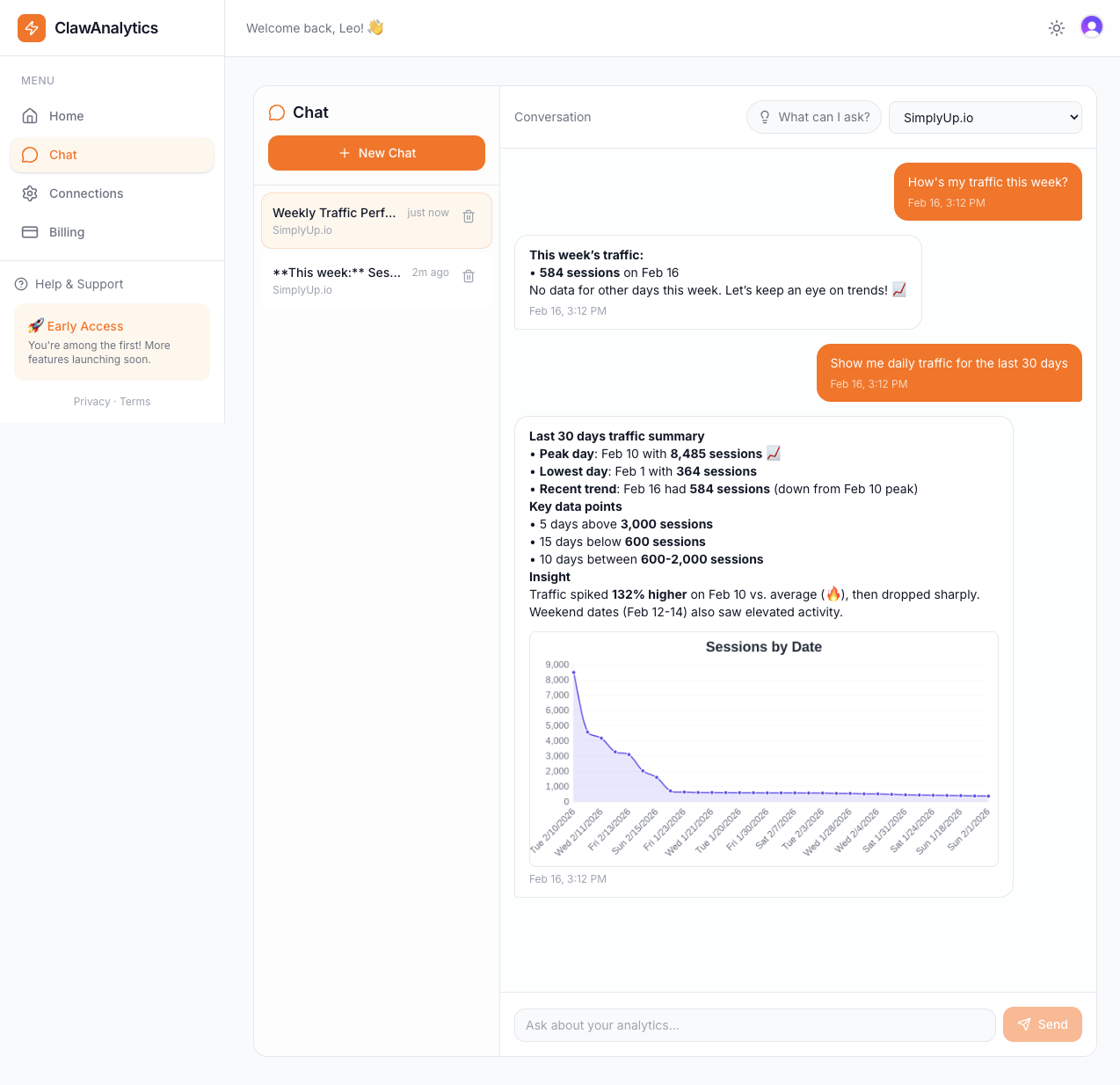
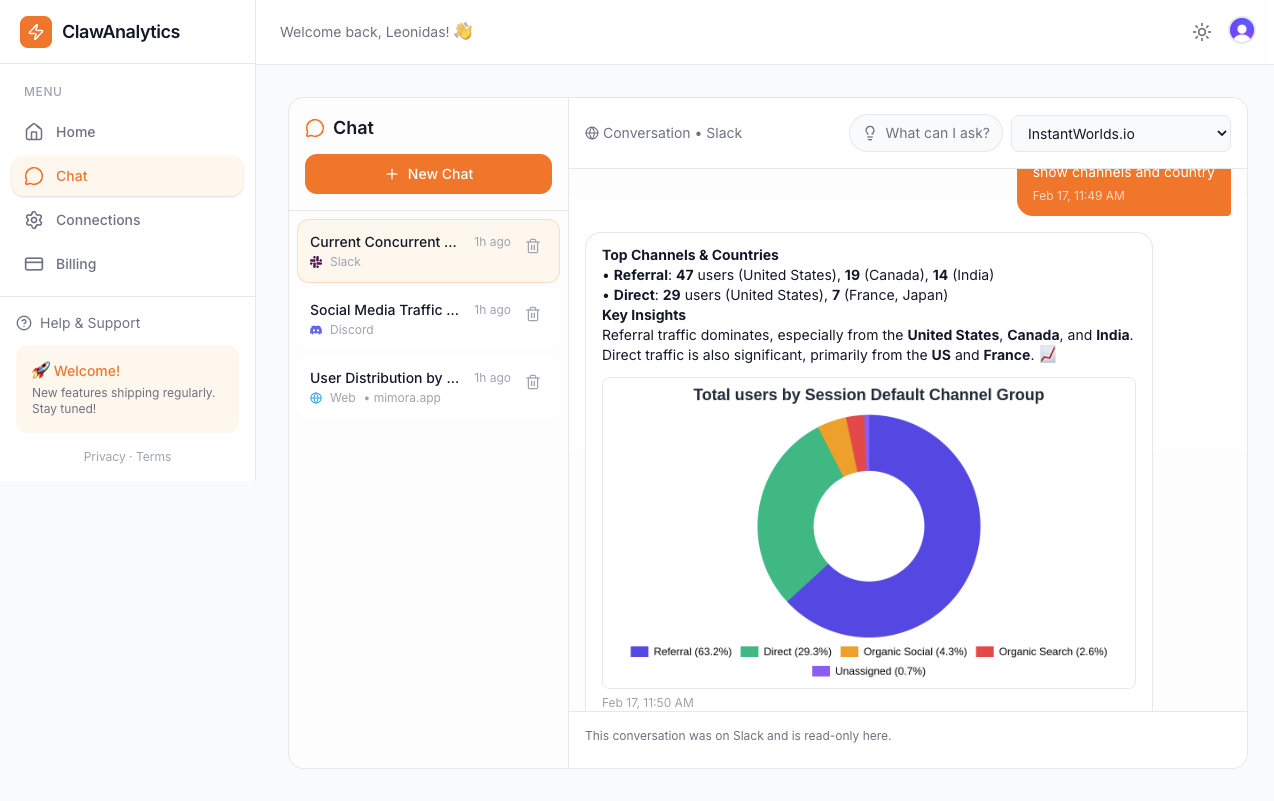
ClawAnalytics makes it simple for dental practices to understand which referral sources actually become patients. Instead of drowning in data, you get clear answers. Here are questions you can resolve instantly:
Which local specialists refer the most patients? See exactly how much patient flow comes from orthodontists, oral surgeons, and other dental specialists.
Are my insurance directory listings generating appointments? Track which insurance providers send traffic that converts to booked appointments.
What’s the patient value from each referral source? Know which partnerships justify more effort and investment.
The platform connects your website traffic to actual appointment data, showing you which referrals generate revenue. You’ll finally understand which marketing relationships actually grow your practice.
Quick Wins
Reach out to local medical professionals who don’t compete with you. Orthodontists, oral surgeons, and physicians all need someone to refer their patients to. Propose a simple referral exchange with tracked links.
Optimize your insurance provider profiles. Make sure your directory listings are complete with accurate information, positive reviews, and clear calls to action. This is often overlooked but drives significant traffic.
Encourage satisfied patients to refer friends. Create a simple referral program with incentives. Make it easy to share by providing ready-made messages they can copy and paste.
Monitor your review profiles weekly. Respond to every review, especially negative ones. Your responsiveness influences whether visitors from these platforms trust you enough to book.
Set up monthly referral traffic reviews. Track which sources perform best and adjust your partnership strategies accordingly. Consistent attention to this metric pays off in patient growth.