What Is a Good Referral Traffic for Ecommerce?
Picture this: a popular fashion blogger features your product, and hundreds of their readers click through to your store. Many buy. That is referral traffic driving sales.
Why Referral Traffic Matters for Ecommerce
Highly targeted audiences. When a relevant site links to you, their visitors already want what you offer. These visitors convert better than ads.
Builds trust through association. Being featured on reputable sites transfers credibility to your brand. Customers trust recommendations from sources they follow.
Diversifies traffic sources. Relying solely on paid ads or organic search is risky. Referral traffic adds another reliable channel.
Often more affordable than ads. Affiliate commissions only pay on sales. Influencer partnerships can cost less than equivalent ad spend with better results.
Creates long-term assets. A mention on a popular site continues bringing traffic and sales indefinitely.
How to Check in GA4
- Go to GA4 Reports and select Acquisition
- Choose Traffic acquisition report
- Filter for Session medium equals “referral”
- Add Session source to see which sites send traffic
- Set Ecommerce purchases as conversion metric
- Calculate referral conversion rate versus other channels
Aim for referral traffic representing 8-15% of total visits. Track revenue per referrer to measure ROI.
The Easier Way
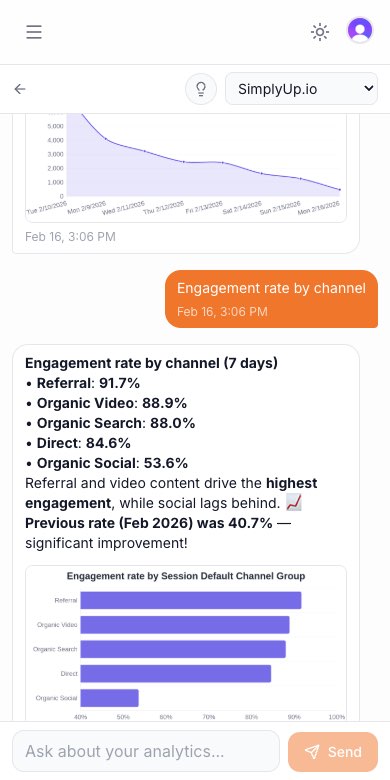
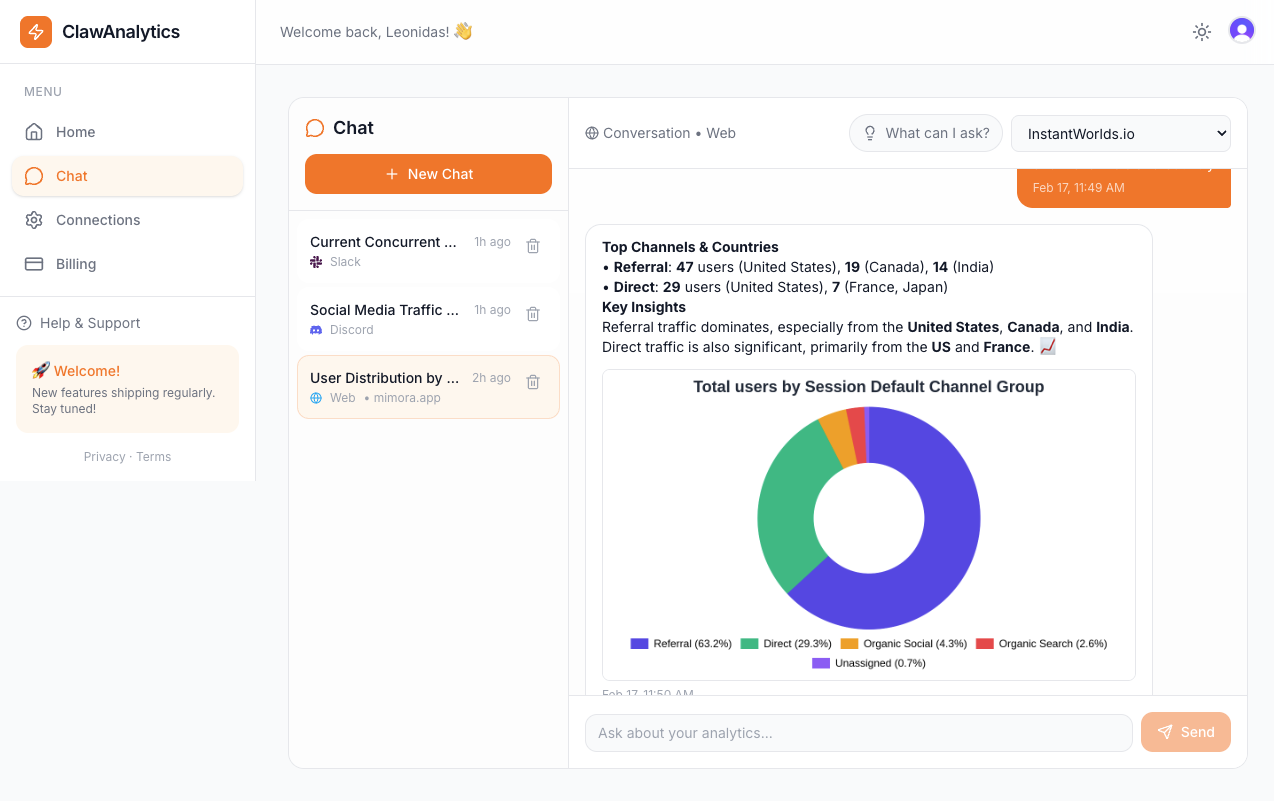
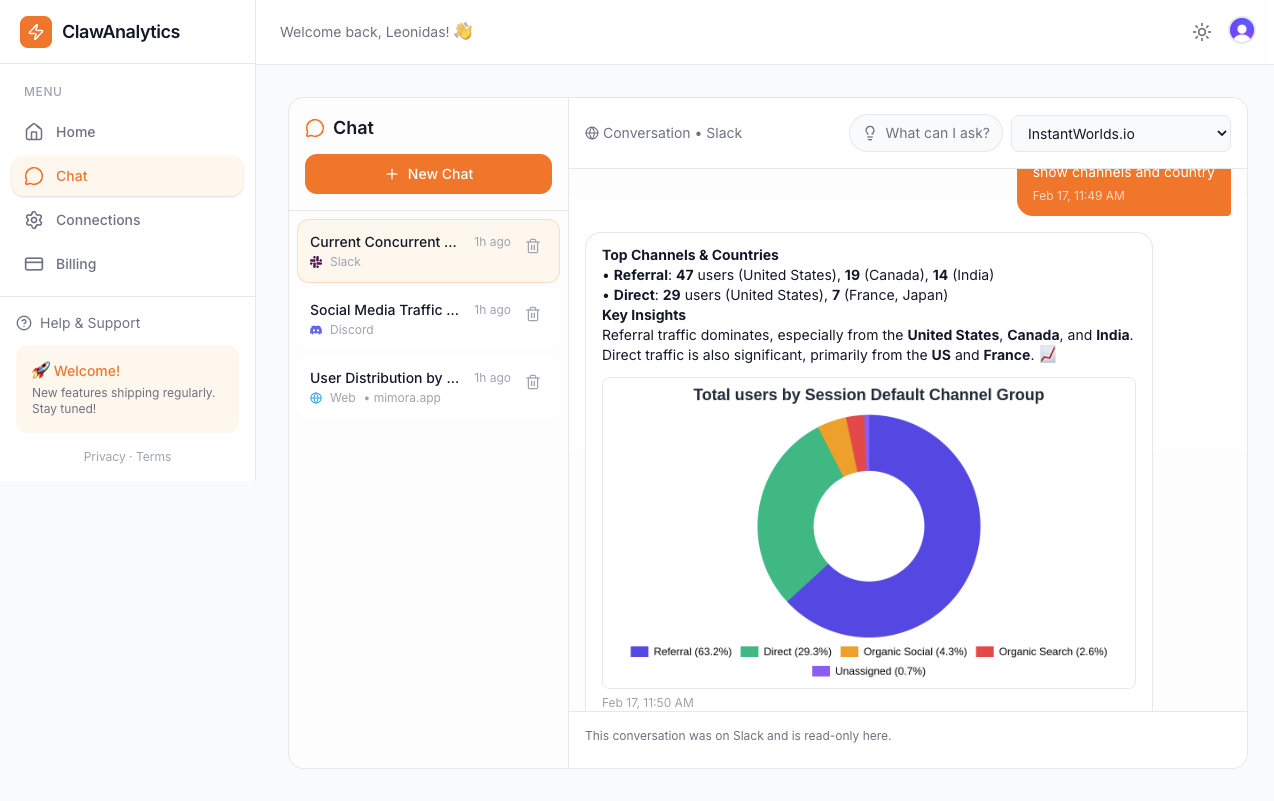
Tracking which partners drive sales helps you invest in relationships that work. ClawAnalytics shows which referral sources bring the most valuable customers.
Which affiliates generate the most orders? See revenue by partner.
What content drives the most clicks? Understand what performs best.
Which partnerships have the highest conversion rate? Optimize for quality over quantity.
This helps you focus on relationships that actually grow revenue.
Quick Wins
Start an affiliate program. Let partners earn commissions on sales they refer. Use tools like Refersion or Genius.
Partner with complementary brands. A pet store and dog food brand can cross-promote. Both benefit from shared audiences.
Get on comparison sites. “Best [product] for [use]” pages send qualified traffic. Reach out to existing comparators.
Collaborate with micro-influencers. Smaller influencers often have higher engagement and lower costs than mega-influencers.
Guest post on industry blogs. Include links to relevant product pages. Reach new audiences interested in your niche.
Track referral traffic and revenue weekly. Double down on partners sending customers who actually buy.