Imagine spending thousands on marketing every month, only to discover that half your clients come from one source you didn’t even track. That’s exactly what happened to a personal injury firm in Chicago. They were paying for PPC ads generating $50 clicks, while a simple partnership with a local medical clinic was sending them cases that converted at triple the rate. The problem? They had no idea referral traffic was even happening because they weren’t tracking it properly.
Why Referral Traffic Matters for Legal
Trust transfers from known sources. When someone visits your site from a lawyer directory, another attorney’s website, or a legal blog they trust, they’re already pre-qualified. They’ve essentially been vouched for. This means higher conversion rates and lower customer acquisition costs compared to cold traffic from search ads.
Referral sources indicate partnership opportunities. If you notice consistent traffic from specific sources, it signals where your marketing energy should go. A steady stream from a local bar association site or legal aid organization might lead to formal referral partnerships worth thousands in billable work each year.
Referral traffic is more stable than search traffic. Google algorithm changes can tank your organic traffic overnight. But relationships with referral sources tend to be more stable. When you build genuine partnerships with other professionals, you create a reliable traffic foundation that doesn’t disappear with the next core update.
It reveals your reputation in the legal community. High referral traffic from other attorneys usually means your reputation is solid. Lawyers only refer cases to people they trust. If you’re getting zero referrals from peers, it might be time to rebuild those professional relationships.
How to Check in GA4
First, open GA4 and navigate to Traffic Acquisition under the Reports section. Look for the default channel grouping and find “Referral” in the list. Click on it to see exactly which domains are sending you visitors.
Pay attention to the “Key events” column. A site might send lots of traffic but zero conversions. That’s not a good referral source. You’re looking for quality, not just quantity.
Create a custom segment for referral traffic to analyze their behavior separately. Go to Explorations, create a new segment, and filter by acquisition channel equals Referral. This lets you see how long these visitors stay, what pages they view, and whether they contact you.
Set up alerts for significant changes. If a referral source suddenly drops to zero, you want to know immediately. Same if a new source appears. Configure these in GA4 under Audiences and notifications.
The Easier Way
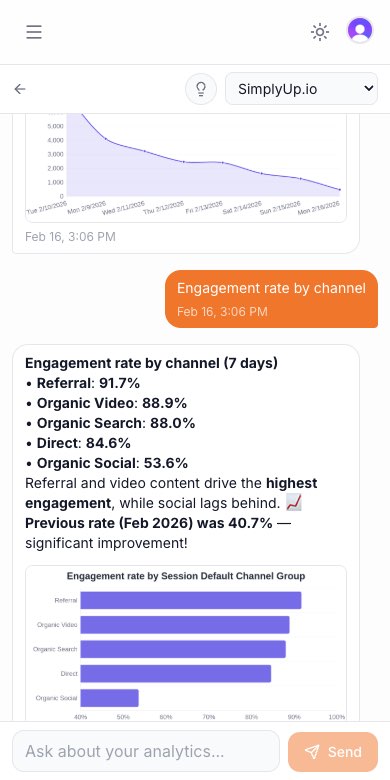
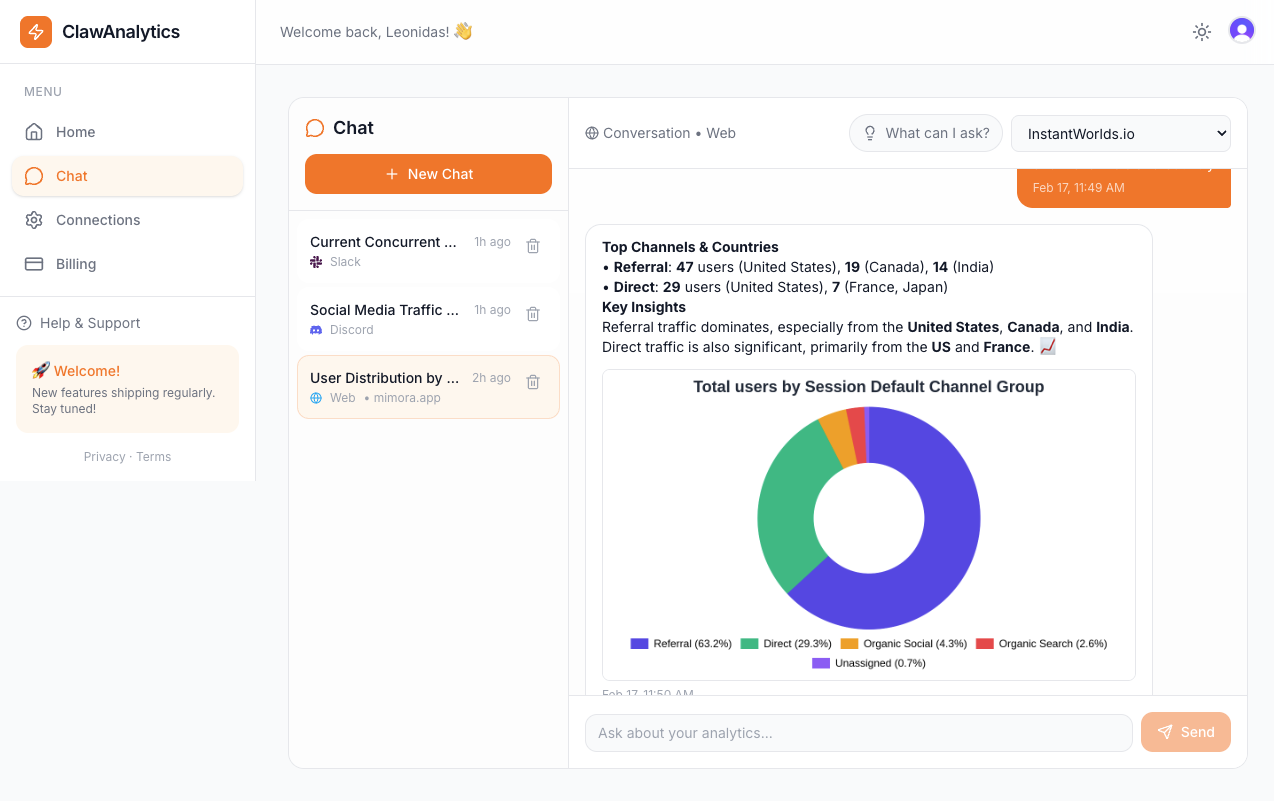
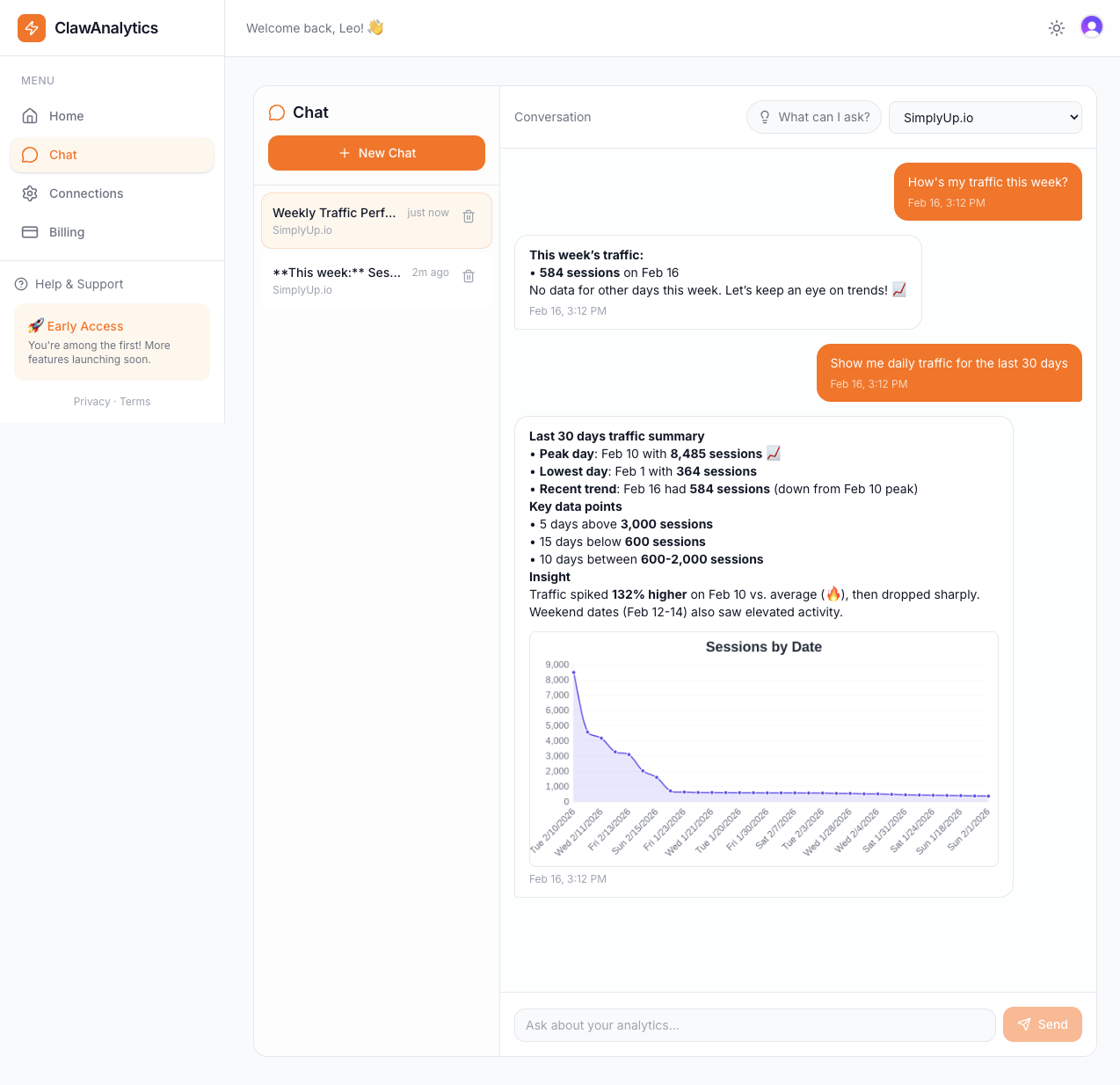
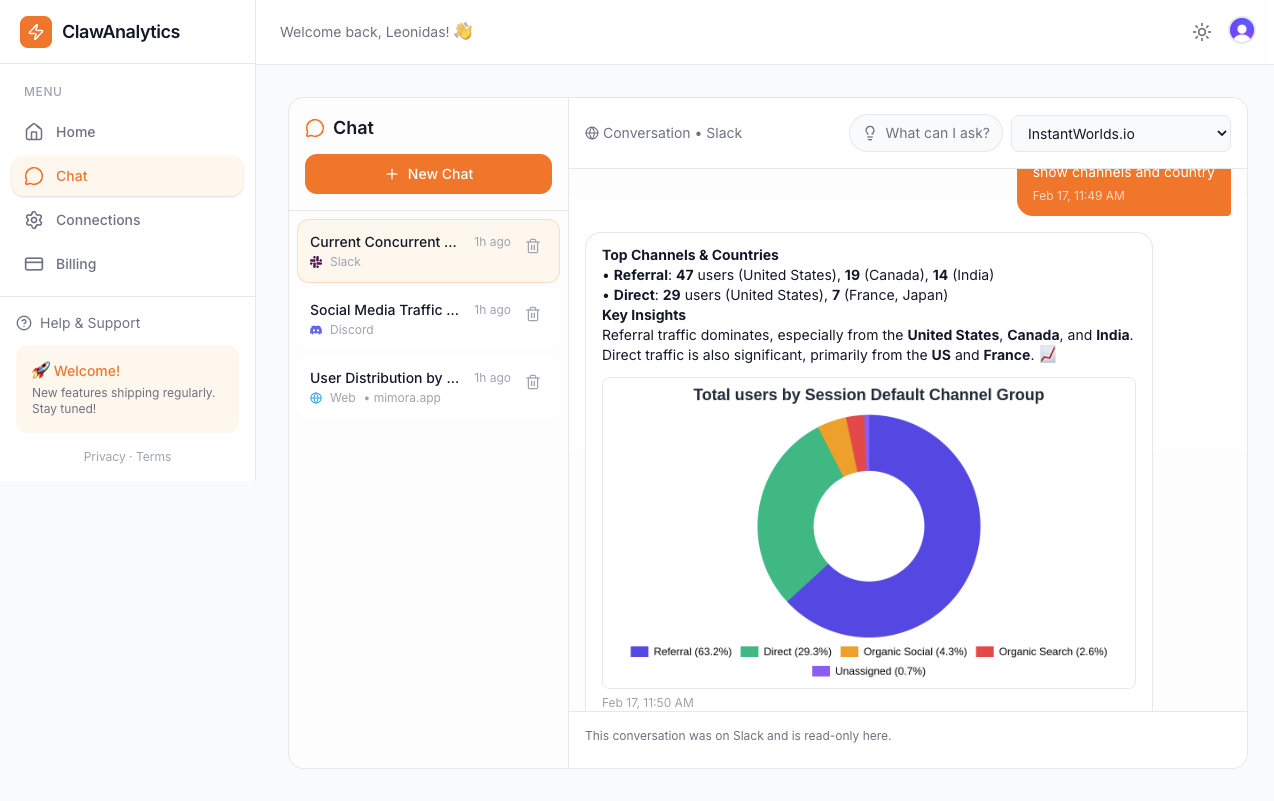
Here’s where tools like ClawAnalytics make your life simpler. Instead of jumping between GA4 and your CRM, you get a clear view of which referral sources actually turn into clients. You can answer questions like:
Which lawyer directory brings the most case inquiries? Instead of guessing, you’ll see exact numbers.
Are my client referrals converting online? Track how many people who come from existing client recommendations actually book consultations.
Which local businesses should I partner with? See which referral partners send traffic that actually converts to paid cases.
The dashboard shows you the full picture: traffic volume, engagement metrics, and most importantly, revenue attribution. You’ll finally know which partnerships are worth maintaining and which ones are just taking up your time.
Quick Wins
Start with UTM tagging for every single link you share. Every time you guest post, appear on a podcast, or partner with another business, use UTM parameters so you can track exactly where each visitor comes from.
Claim your profiles on legal directories like Avvo, Martindale-Hubbell, and FindLaw. These are major referral sources that many firms ignore. Make sure your profiles are complete with current contact information and positive reviews.
Partner with non-competing local businesses. Accountants, real estate agents, and financial advisors regularly need legal referrals. Create a simple referral exchange and track the results.
Respond to every online review. Positive reviews on Google and Yelp often generate direct referral traffic from people browsing those platforms. The visibility alone drives traffic.
Monitor your referral traffic weekly. Set aside 15 minutes every Monday to check which sources are performing. Catching problems early prevents wasted marketing spend.