What Is a Good Return On Ad Spend for Healthcare?
A dental clinic spends $1,500 on local search ads and books 15 new patients at $200 per visit. The first-year value is $3,000. That’s a 2:1 ROAS. But if one of those patients needs a crown or orthodontics, the value jumps. Healthcare ROAS gets complicated fast.
Why Return On Ad Spend Matters for Healthcare
Private practices rely on new patient acquisition. Each new patient might be worth $1,000 to $5,000 over their lifetime, depending on the specialty.
Specialty clinics like dermatology or orthopedics often have higher procedure values. This justifies higher ad spend per lead.
Cosmetic procedures are entirely elective. Patients shop around, making ads critical for visibility. These procedures typically have the highest ROAS potential.
Urgent care and walk-in clinics use ads to drive same-day visits. Local search intent is high, making Google Ads particularly effective.
Healthcare systems with multiple locations need to track ROAS by location. What works at one clinic might not translate to another market.
How to Check in GA4
Healthcare conversions often involve appointment bookings, form submissions, or phone calls. GA4 can track all of these.
Start by linking your Google Ads account to GA4. This imports your ad spend automatically.
For appointment bookings, work with your EHR or booking software. Platforms like Solutionreach, Solutionreach, or Phreesia often have tracking integrations.
Set up call tracking if possible. Many healthcare calls come from people searching on mobile. Call tracking numbers let you attribute calls to specific ads.
In GA4, go to Reports > Acquisition and look at your campaign data. The key is ensuring your conversion events have values assigned.
HIPAA compliance adds complexity. Make sure any tracking complies with regulations. Consult your compliance officer if unsure.
The Easier Way
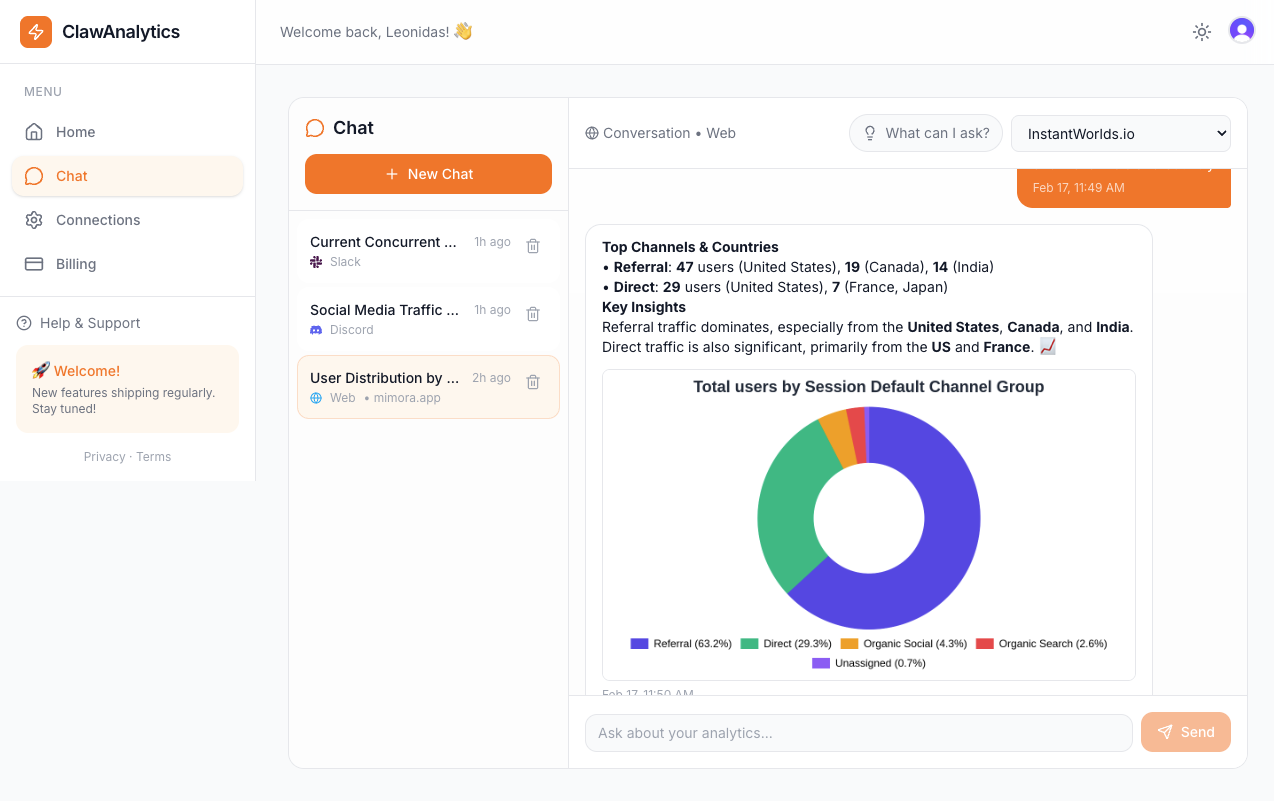
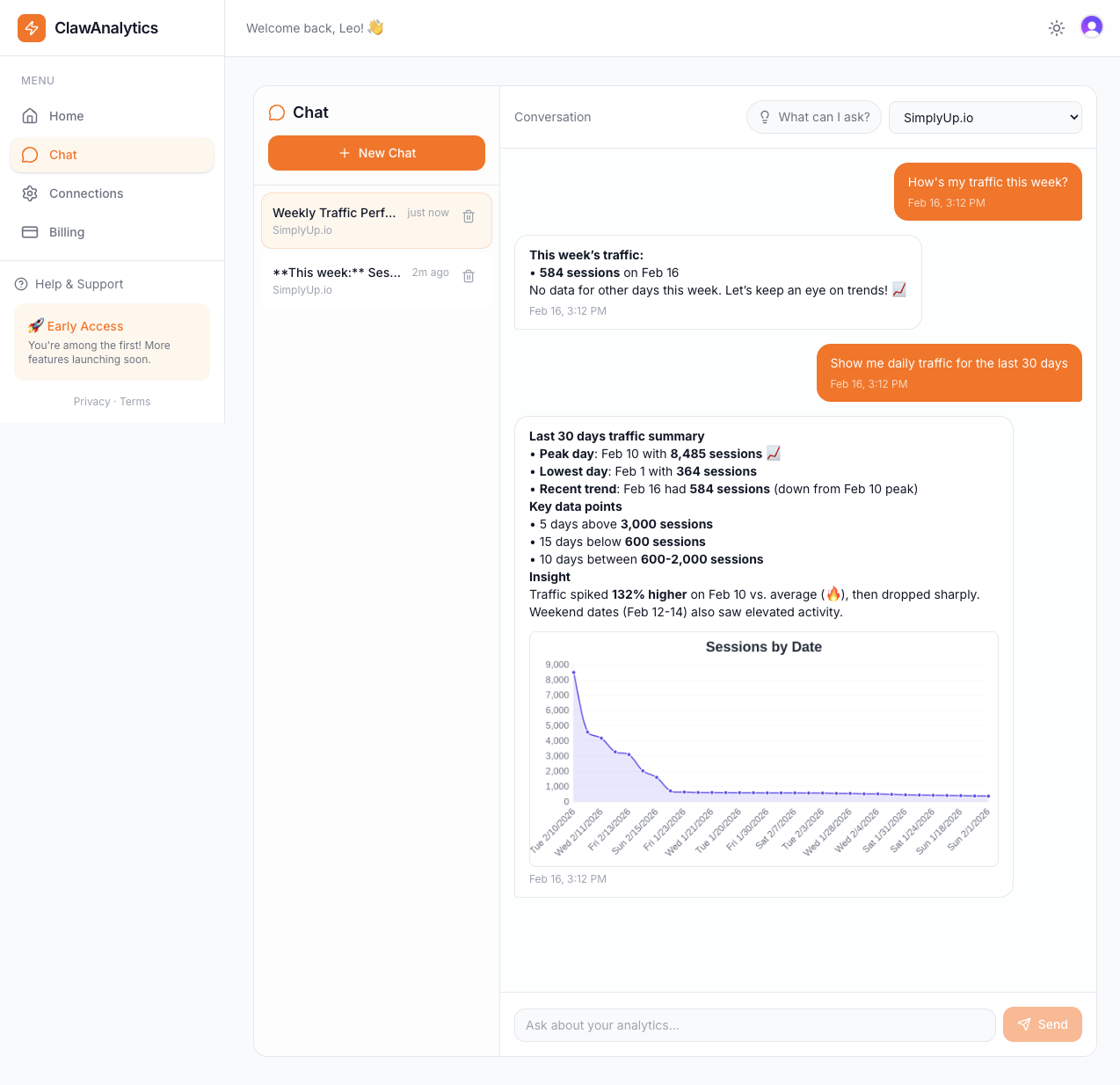
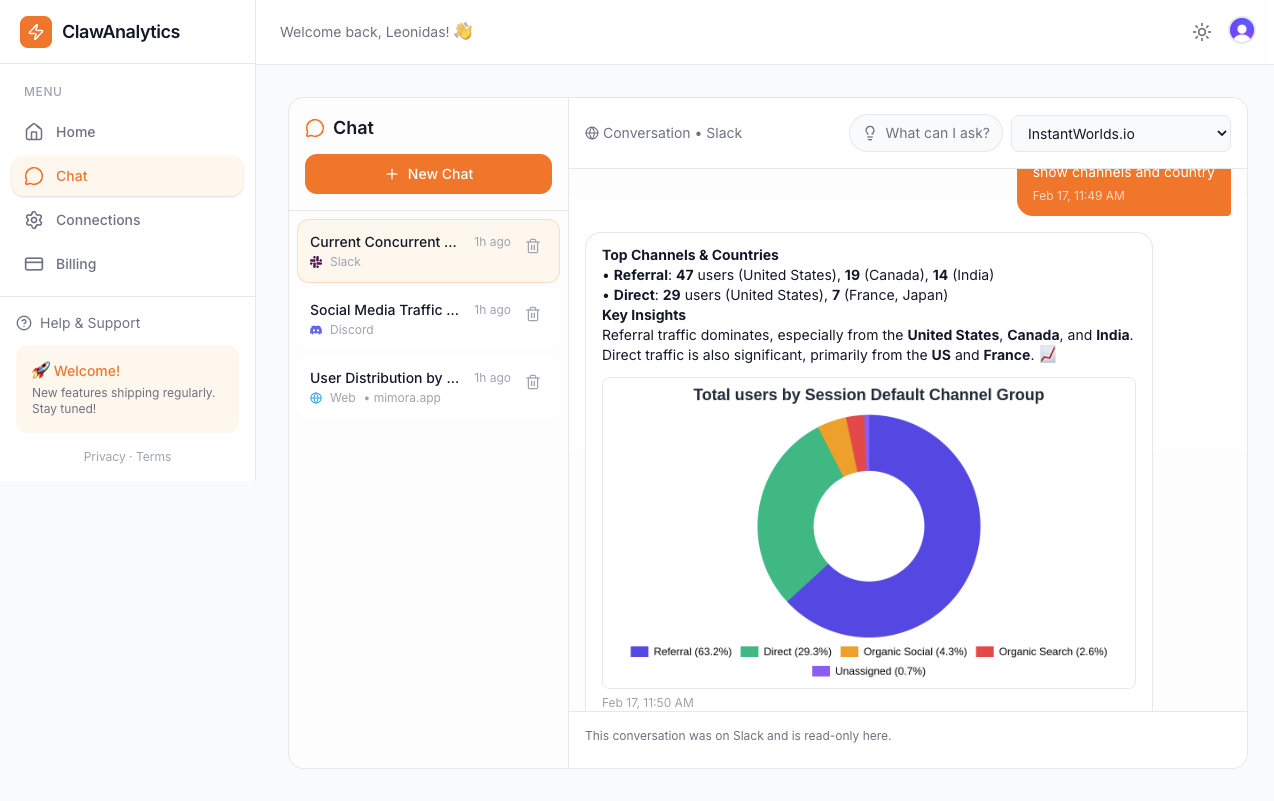
Healthcare administrators don’t have time for complex analytics. ClawAnalytics simplifies tracking across multiple locations and campaign types.
You can ask:
- Which clinic location has the best ROAS?
- Are our cosmetic procedure ads beating our general marketing?
- What’s our cost per new patient by source?
This helps healthcare leaders allocate budgets intelligently.
Quick Wins
Focus on local search. Most healthcare is local. Target people within your service area.
Use ad extensions. Callouts, call buttons, and location extensions improve ad performance significantly.
Retarget website visitors. Someone who viewed your services page but didn’t book is a warm lead.
Track by procedure type. Orthodontics might have better ROAS than general dentistry. Know your numbers.
Encourage online reviews. Better ratings improve your Google Ads quality score, lowering costs.