What Is a Good Return On Ad Spend for Nonprofits?
Think about a nonprofit running a year-end giving campaign. They spend $10,000 on ads and receive $35,000 in donations. That’s a 3.5:1 ROAS. But here’s the nuance: that donor might give again next year, and again the year after. The true lifetime value often far exceeds the first gift.
Why Return On Ad Spend Matters for Nonprofits
Donation-based nonprofits need to know if their ad spend brings in more than it costs. But unlike businesses, the “return” includes donor lifetime value, not just one-time gifts.
Membership organizations treat ads as a way to grow the member base. The ROAS calculation includes membership fees, but also the value of a larger community.
Advocacy nonprofits run awareness campaigns where the metric isn’t dollars raised but actions taken. Petitions, volunteer sign-ups, and event attendance all count as returns.
Event-based nonprofits use ads to fill workshops, galas, or races. The revenue is predictable, making ROAS calculations straightforward.
Community organizations often have tight budgets. Every dollar spent on ads needs to prove its worth, which makes ROAS tracking essential.
How to Check in GA4
Google Analytics 4 can track nonprofit conversions, but it requires some setup.
First, configure your donation form or signup form as a conversion event. In GA4, go to Configure > Events and look for existing events or create new ones.
If you’re using platforms like Network for Good or Classy, they often have built-in integrations. Otherwise, you might need to set up Google Tag Manager to fire events on form submissions.
Assign a dollar value to donations when possible. This lets GA4 calculate ROAS automatically. Go to the conversion event settings and enter an average donation amount.
In Reports > Acquisition, you’ll see which campaigns drive donations. Look at the conversion value compared to cost.
For non-monetary conversions like volunteer sign-ups, you can still track them as events, but the ROAS math requires estimating their value.
The Easier Way
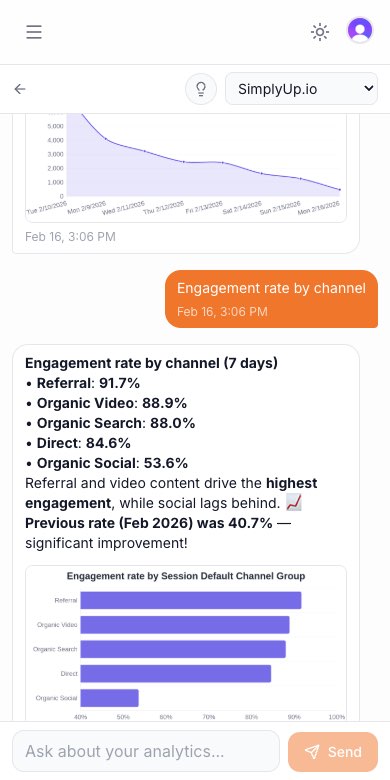
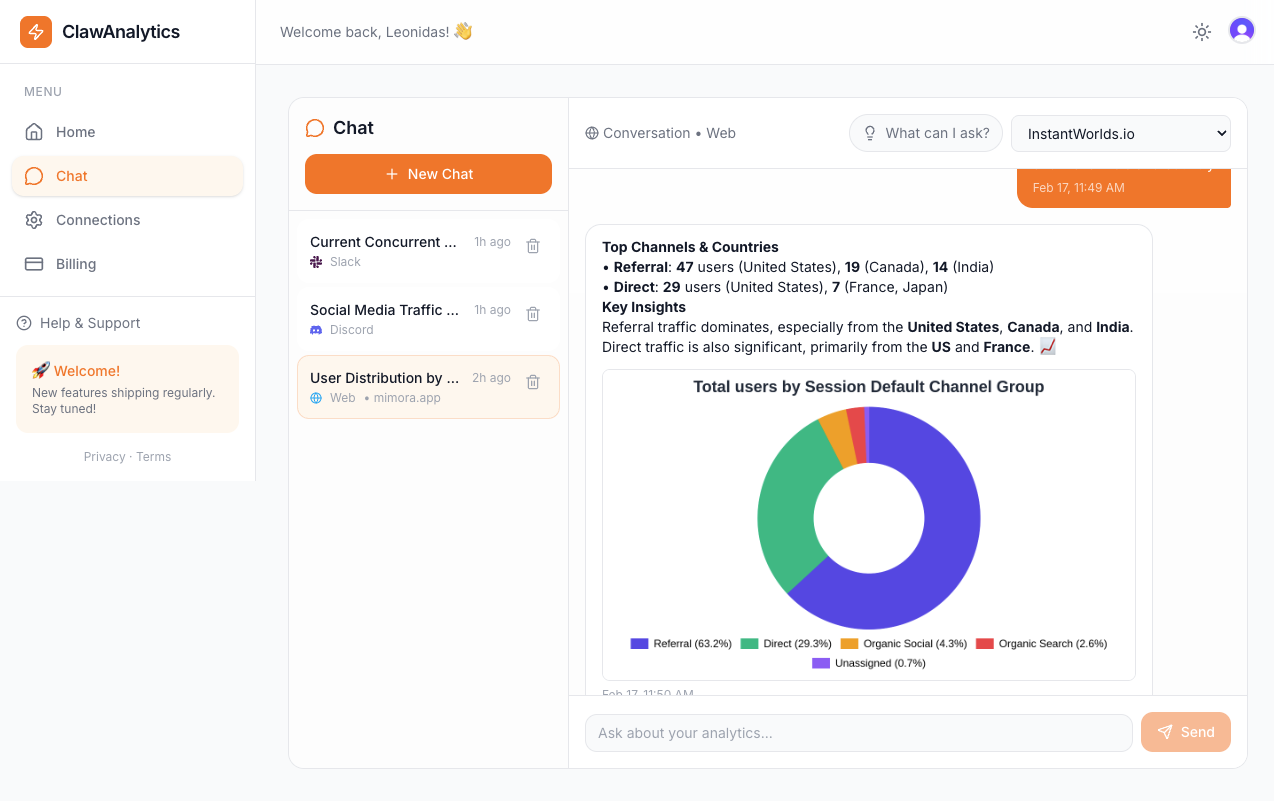
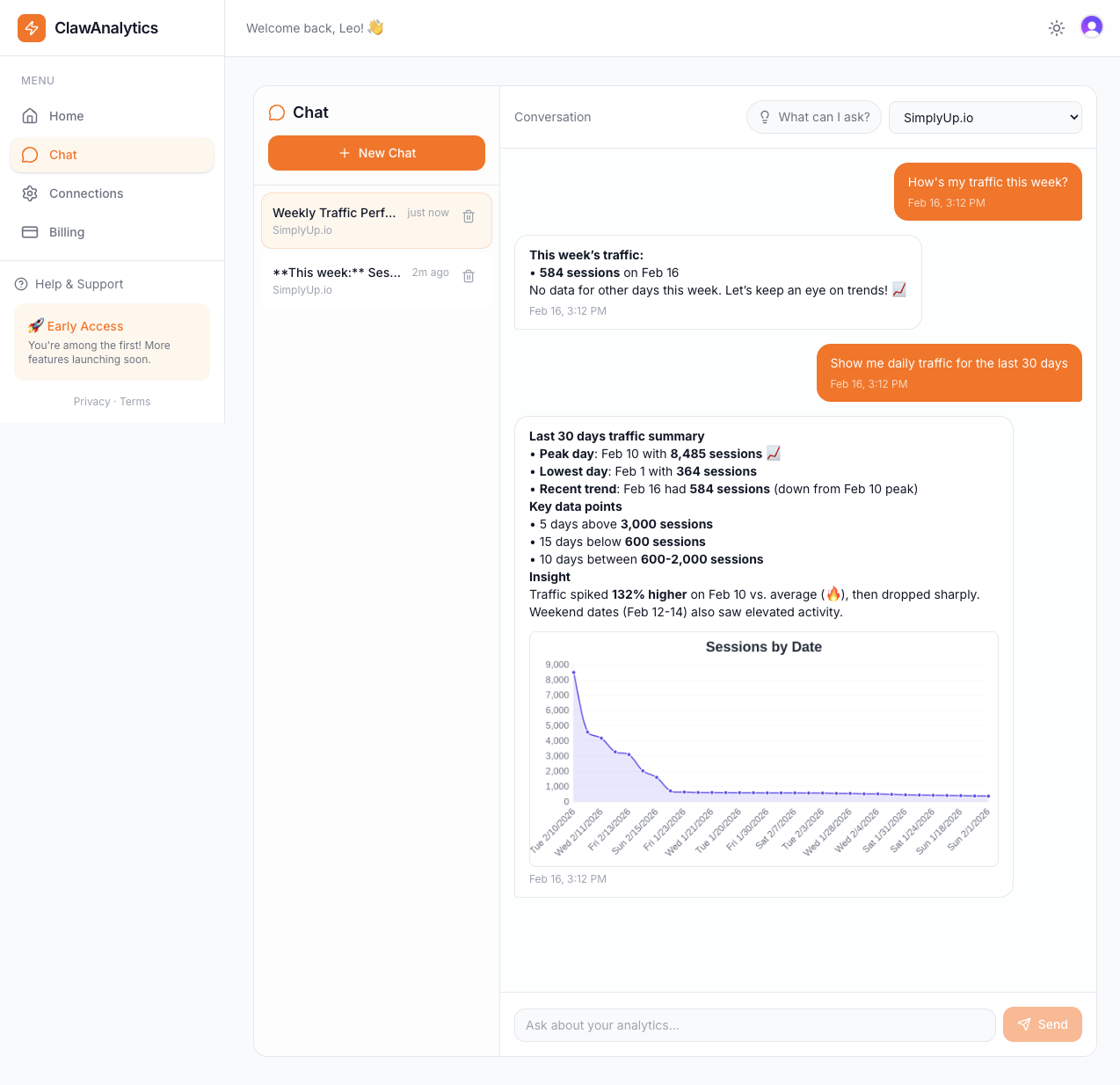
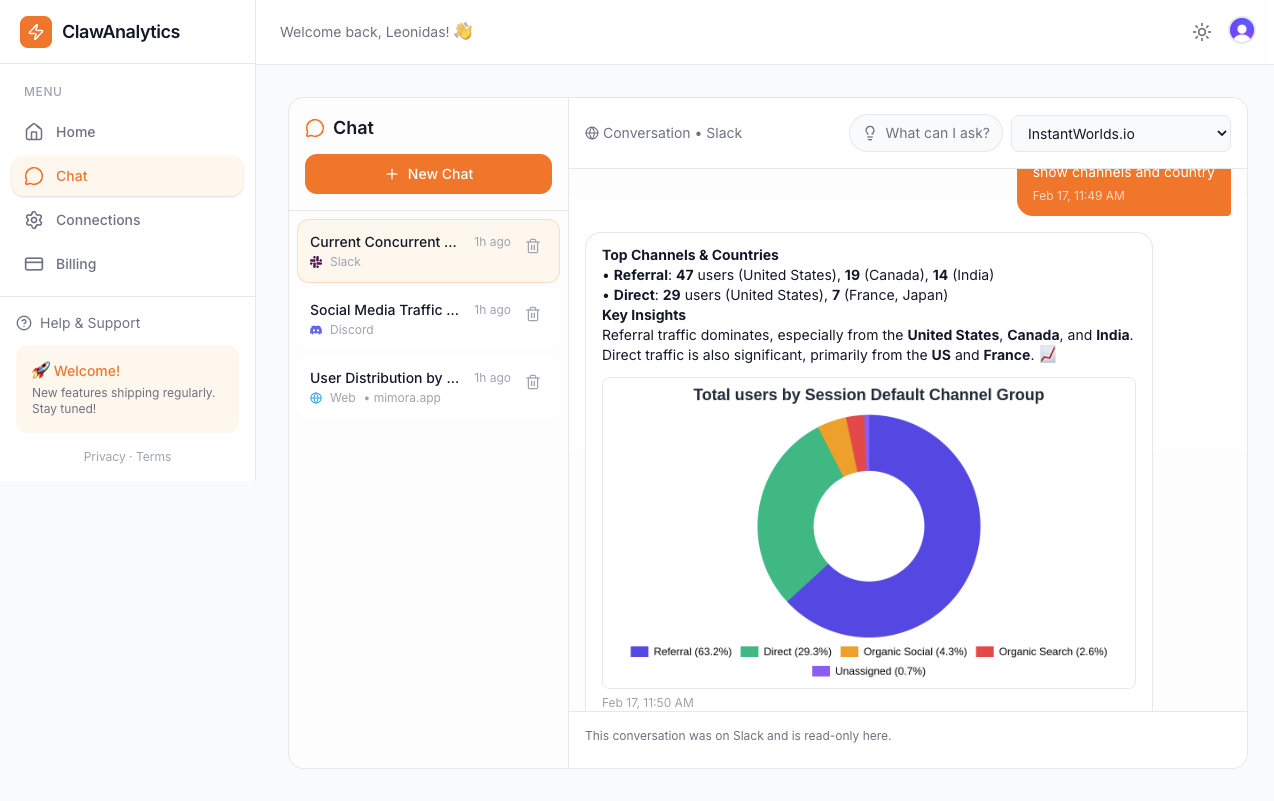
Nonprofits often have limited tech resources. ClawAnalytics makes tracking simple by connecting to multiple platforms and showing a clear picture.
With ClawAnalytics, you can ask:
- Which ads bring in donors who give again?
- What’s our cost per volunteer across all platforms?
- Are our year-end campaign ads beating last year’s performance?
This matters because nonprofits need to show donors that their money is well-spent. Clear ROAS data makes the case for continued advertising.
Quick Wins
Track donor lifetime value. A first-time donor giving $50 might give $200 over three years. Factor this into your ROAS expectations.
Use matching gift challenges. These create urgency and often boost ROAS significantly during campaign peaks.
Split test your donation pages. Small changes in copy or design can lift conversion rates dramatically.
Retarget website visitors. People who didn’t donate on their first visit are prime targets for follow-up ads.
Measure soft conversions too. Email sign-ups and volunteer interest are leading indicators of future donations.