You just spent three hours writing the perfect blog post. The research is solid, the examples are relatable, and your CTA is clear. Then you check your analytics and see that most visitors leave after the second paragraph.
This is where scroll depth becomes your secret weapon. It tells you exactly how far down the page people scroll before leaving. For content creators, this metric shows whether your articles hold attention or lose readers halfway through.
Why Scroll Depth Matters for Content Creators
Your headlines bring them in, but scroll depth shows if you keep them. A visitor who scrolls 75% of your page is much more likely to convert, share, or return than someone who bounces after two paragraphs.
Content length only matters if people read it. Publishing 2,000-word posts means nothing if nobody reaches the end. Scroll depth data tells you the real story behind your word count choices.
Different content types need different benchmarks. List posts might see 80%+ scroll depth because they’re easy to skim. Deep-dive guides may hit 50-60% and still be successful. Knowing your baseline helps you set realistic goals.
It reveals content gaps. If readers consistently drop off at the same spot across multiple posts, that’s a signal. Maybe your pacing drags there. Maybe the section feels disconnected. Scroll depth makes these patterns visible.
How to Check in GA4
Google Analytics 4 tracks scroll depth automatically, but you need to enable it. Go to Events in GA4 and look for “scroll” events. They trigger at 25%, 50%, 75%, and 100% thresholds.
Create a scroll-depth report by making a custom exploration. Add scroll as a dimension and page path as a breakdown. This shows you scroll depth by article so you can compare performance across your content library.
Set up a conversion event for 75% scroll if you want to track engaged readers as conversions. This works well for measuring content effectiveness in your funnel.
The Easier Way
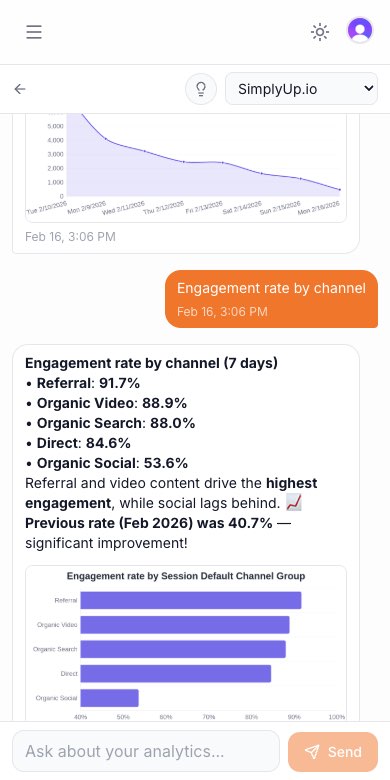
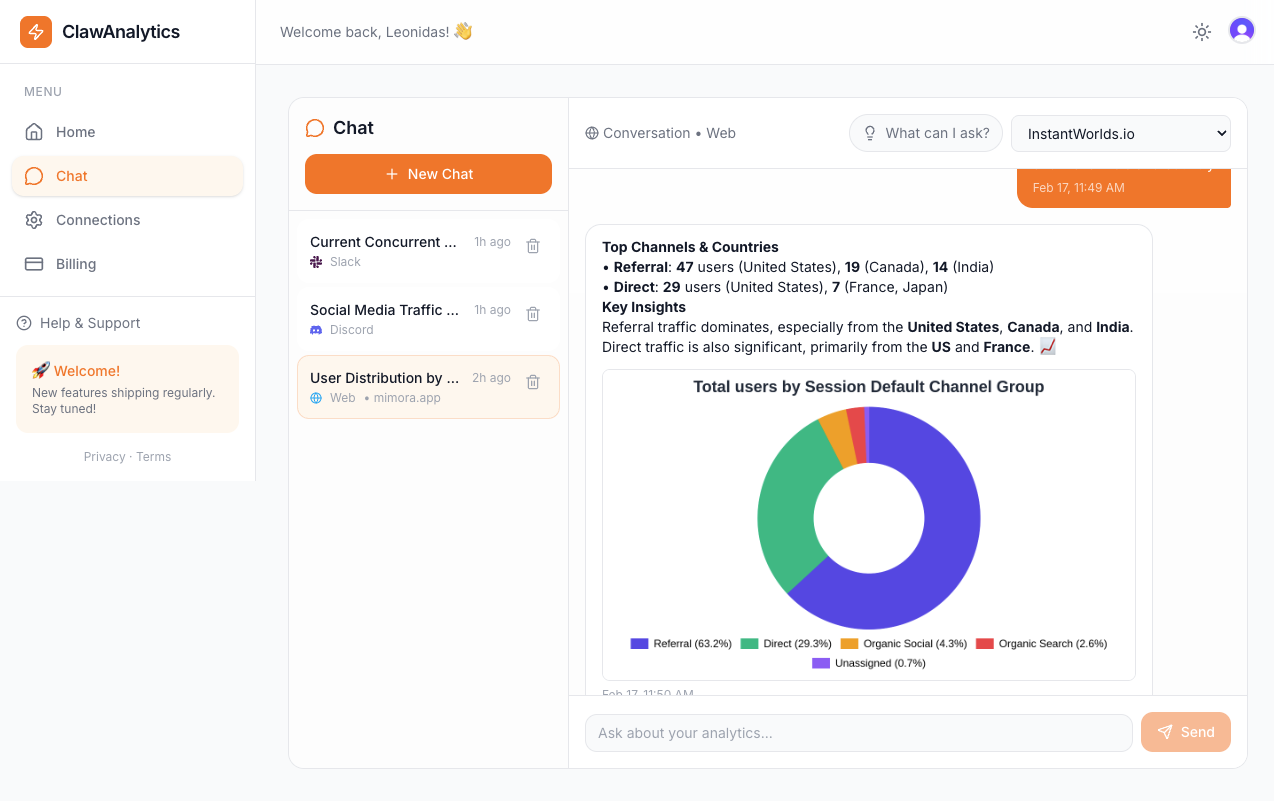
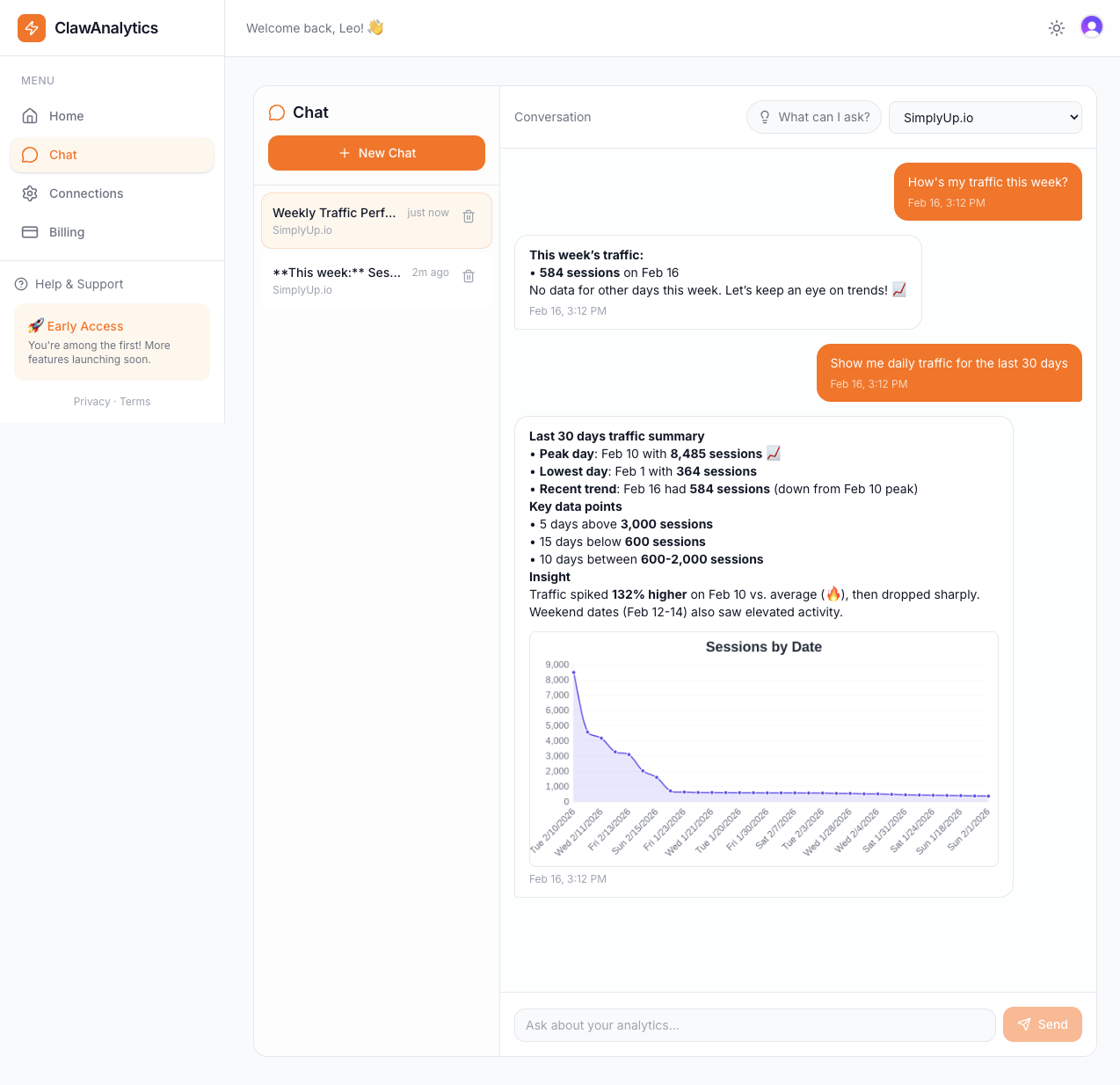
ClawAnalytics handles scroll depth tracking without the setup headaches. You see a simple dashboard showing exactly how far visitors scroll on each page.
For content creators, ClawAnalytics answers questions like: Which of my posts keep readers to the end? Where do most people stop reading my about page? Which content needs restructuring?
You get instant insights without building custom reports. The tool shows scroll depth trends over time so you know if your recent changes are working. Plus, you can set up alerts when scroll depth drops unexpectedly on popular posts.
Quick Wins
Check your top 10 articles and note their average scroll depth. Identify the threshold where most readers stop. That zone is your optimization target.
Move your strongest CTA above the 50% mark if you notice heavy drop-off after that point. Better yet, add a mid-content CTA that appears when readers scroll past 40%.
Add a related posts section at the 60% scroll point. Readers who make it that far often want more. This simple addition can push scroll depth up while keeping visitors on your site longer.
Test shorter intros. If you see drop-off in the first 200 words, your opening might be too long. Lead faster with value.