Imagine a prospective student landing on your course page at midnight, laptop balanced on their knees. They need to decide by morning. They scroll past the hero image, glance at the course title, then stop. Why? The tuition price and start dates are buried three scrolls down. They leave.
This happens constantly on education websites. Scroll depth tracking shows you exactly where potential students abandon your pages.
Why Scroll Depth Matters for Education
Students make fast decisions. Your website either grabs them in the first screen or loses them to a competitor. Here is why scroll depth is critical for education websites.
Enrollment forms sit too low. Most visitors never reach application links. When tuition, start dates, and prerequisites appear below the fold, conversion rates plummet. Placing key details above the fold takes seconds and pays off immediately.
Mobile users scroll differently. Over sixty percent of campus visits happen on phones. If your page loads slowly or requires excessive scrolling on mobile, prospective students bounce. They want answers now, not after three minutes of scrolling.
Course comparisons get abandoned. Visitors comparing programs often stop mid-page when they hit a wall of text. Breaking content into scannable sections with clear headings keeps them reading. Without scroll depth data, you guess blindly about what works.
Testimonials drive decisions. Student success stories typically appear near the bottom of pages. If visitors never see them, you lose powerful social proof. Moving testimonials higher increases trust and application rates.
How to Check in GA4
Google Analytics 4 tracks scroll depth through engagement events. Open GA4 and navigate to Reports, then Explore. Create a new report using Scroll Depth as a dimension and Sessions as the metric.
Set up these segments to compare behavior. Look for patterns in how far different visitor types scroll. Pay attention to mobile versus desktop differences. Check which pages have the highest exit rates at the fifty percent mark.
Set up a scroll tracking custom event in GA4. Add this code to your site:
window.addEventListener('scroll', function() {
  let scrollPercent = Math.round(
    (window.scrollY / (document.body.scrollHeight - window.innerHeight)) * 100
  );
  if (scrollPercent % 25 === 0) {
    gtag('event', 'scroll_depth', {'depth': scrollPercent});
  }
});
This sends an event every twenty-five percent scrolled. Use this data to identify exactly where students stop reading.
The Easier Way
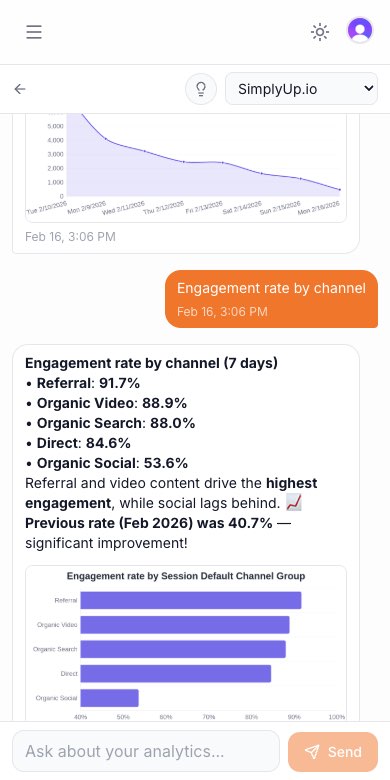
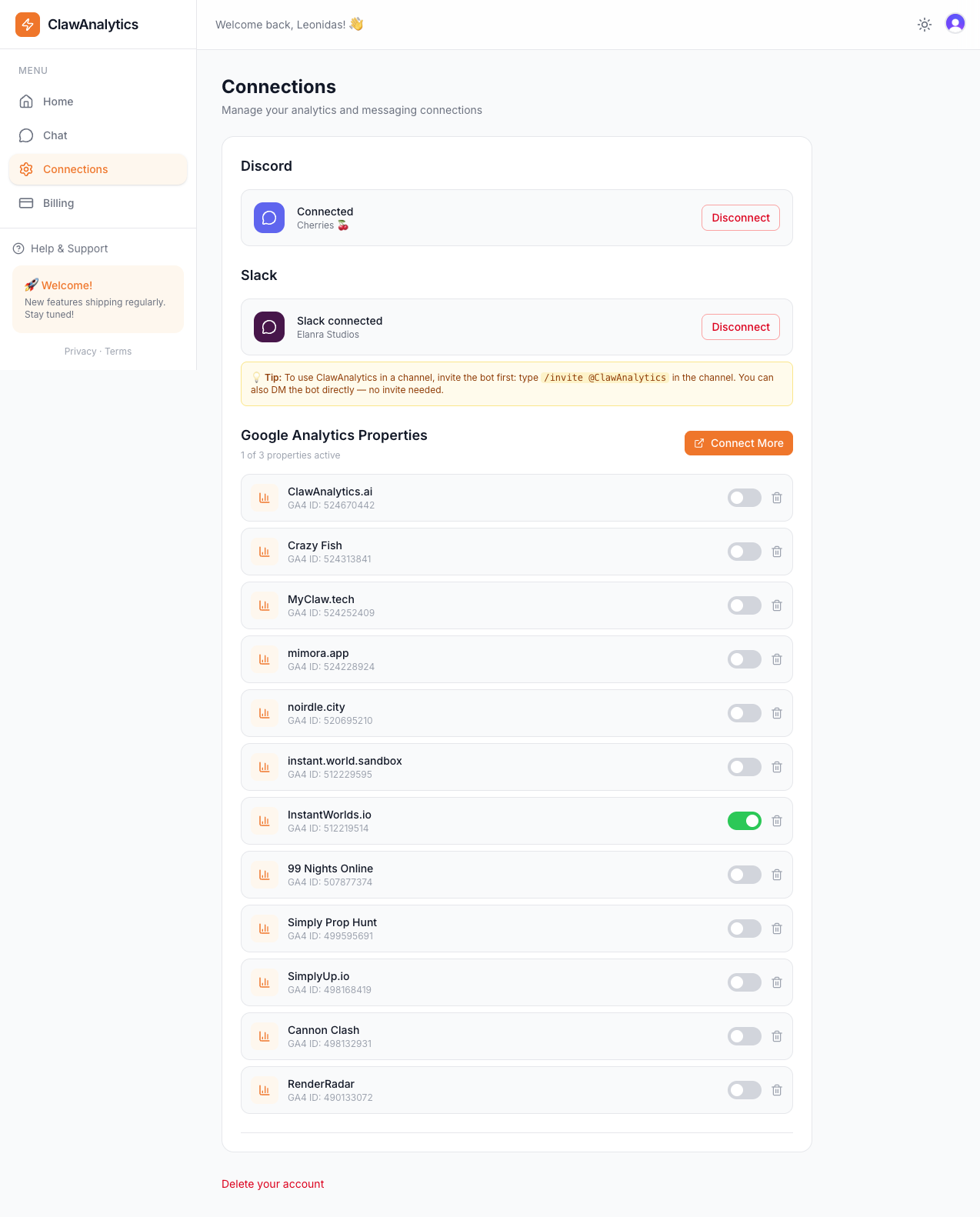
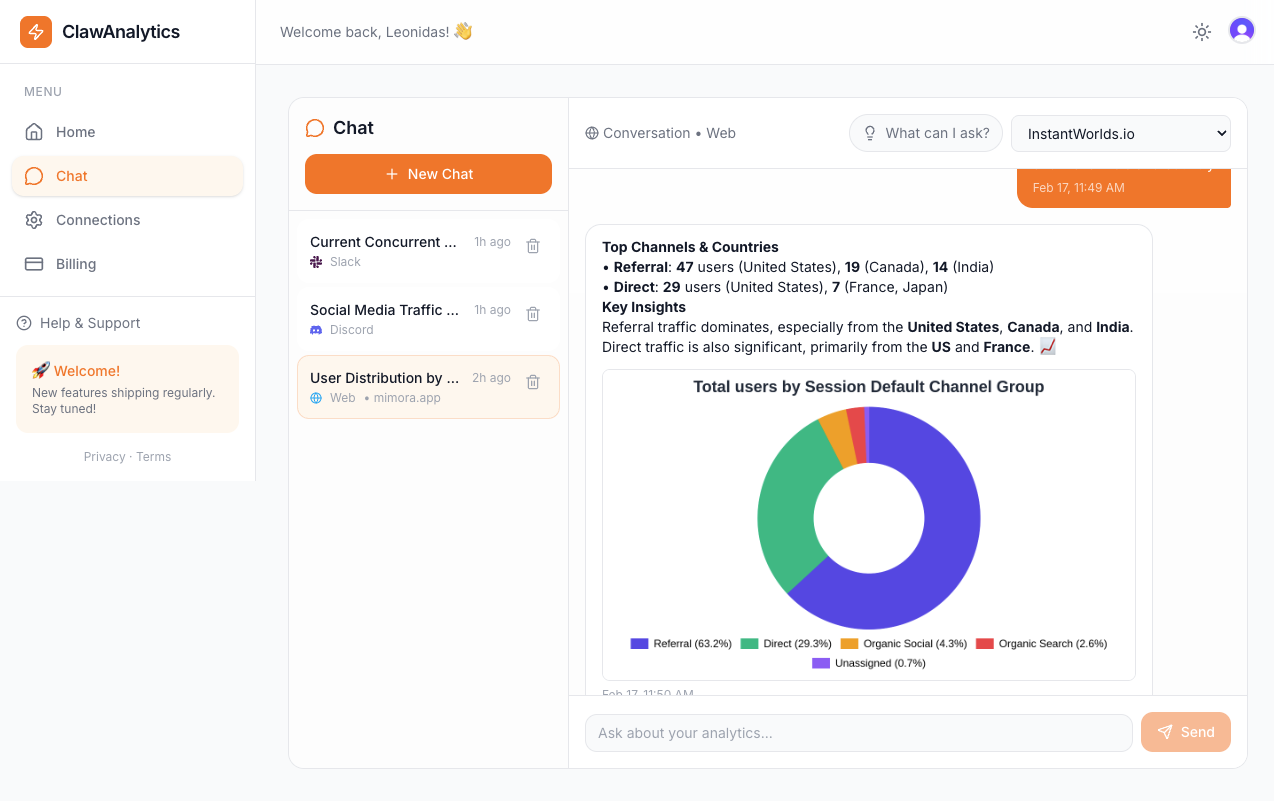
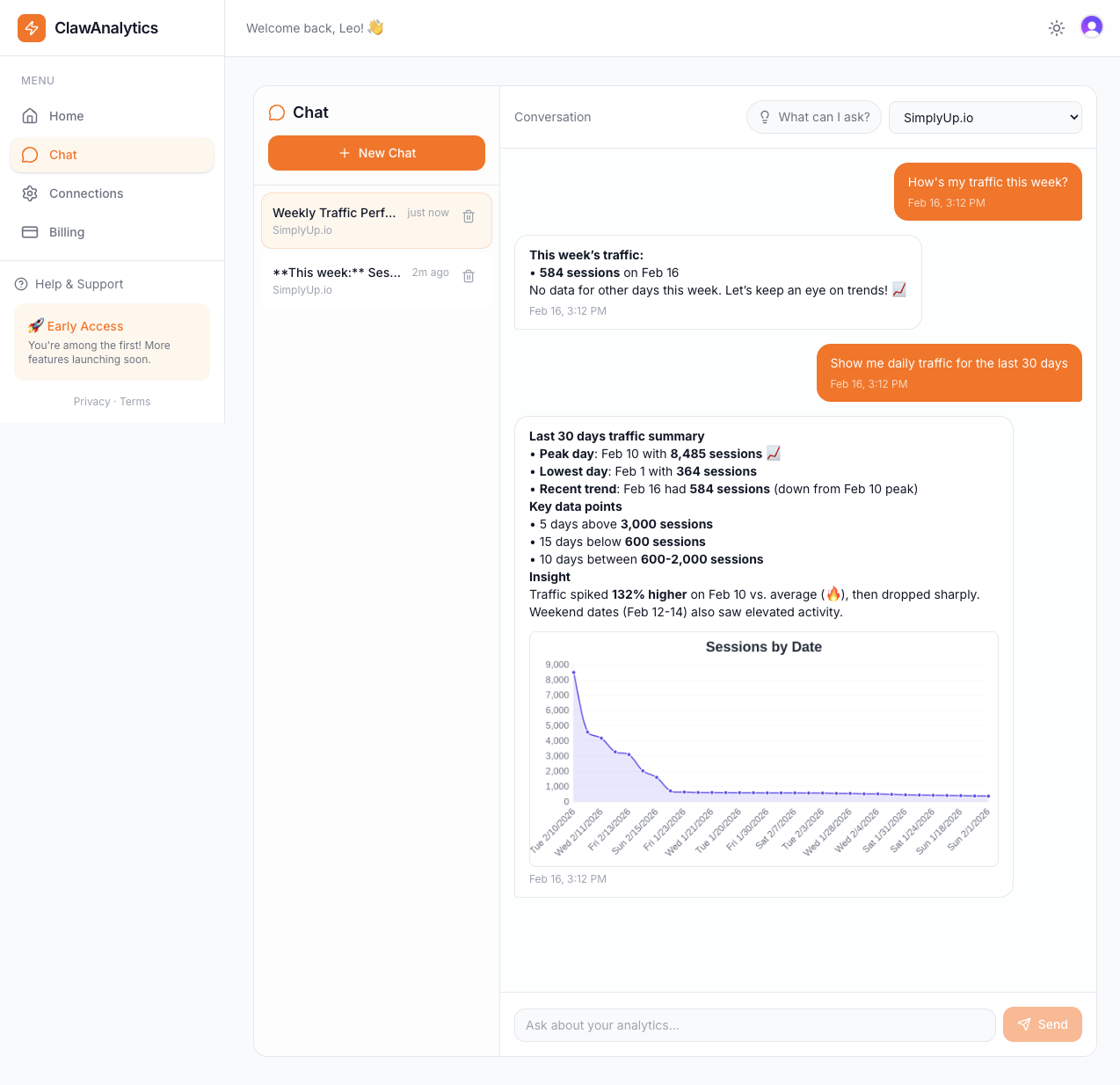
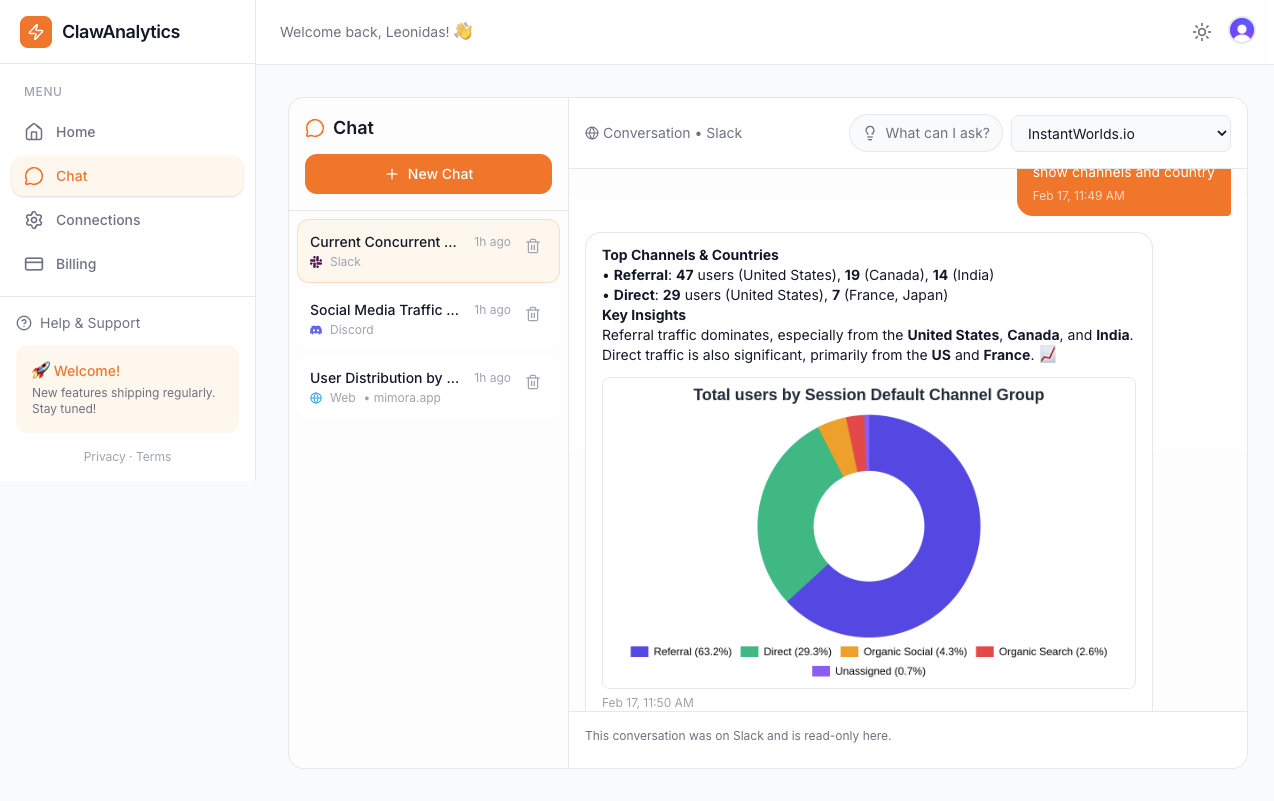
ClawAnalytics makes scroll depth analysis simple. You see a visual heatmap of where students scroll on each page. No complex setup. No custom code required.
ClawAnalytics answers questions like: Do visitors scroll past the curriculum section? Where do parents stop on program overview pages? Which scholarship information gets seen?
For example, a coding bootcamp used ClawAnalytics to discover that ninety percent of visitors dropped off before the financing options section. They moved that section above the fold and increased applications by thirty percent within two weeks.
A language school found that prospective students never reached the campus photos at the bottom. They moved those images higher, alongside testimonials, and saw a twenty percent rise in inquiry form submissions.
Quick Wins
Start with these actions today. First, move tuition and start dates above the fold on every course page. Second, add a sticky navigation bar so students can jump to sections without endless scrolling. Third, trim paragraphs to three sentences maximum. Fourth, insert one visual element every three paragraphs to break up text walls.
Test one change this week. Measure the scroll depth difference. Adjust again. Your enrollment numbers will thank you.