A small business owner needs a loan to expand. They search for small business financing. They click your link hoping for fast answers. The page shows a stunning office photo, your logo, and a navigation menu. No rates. No amounts. No helpful information.
They scroll. They see a paragraph about your mission. Another scroll brings a team photo. The owner checks three more websites before making a decision. Your site never made the shortlist.
This is why scroll depth matters. Financial decisions often involve significant money. Potential clients research thoroughly. Your website either delivers answers quickly or loses the conversation.
Why Scroll Depth Matters for Finance
Financial services involve trust. Visitors need confidence that you understand their situation and can help. They also need basic facts immediately or they assume you are hiding something.
Rates and fees get ignored. Interest rates, management fees, and minimum investment amounts must appear above the fold. When buried, visitors assume the worst or leave in frustration. Transparency builds trust.
Service clarity prevents confusion. Financial services range from retirement planning to tax strategy. Visitors should instantly understand what you offer. If services require scrolling to find, people assume their need is not met.
Certifications establish credibility. Licenses, certifications, and industry memberships prove legitimacy. These typically appear at page bottoms. Moving them higher confirms your qualifications early in the decision process.
Testimonials drive decisions. Money matters are emotional. Client success stories help prospects imagine working with you. When testimonials sit at page bottoms, their impact diminishes significantly.
How to Check in GA4
Google Analytics tracks scroll behavior through engagement events. In GA4, navigate to Reports, then Engagement. Look for Scroll events which fire when visitors reach ninety percent of a page.
Create a custom exploration with Scroll Depth grouped into quartiles. Segment by new versus returning visitors. Compare performance between service pages. Look for significant drop-offs at specific points.
Add granular scroll tracking with this code:
window.addEventListener('scroll', function() {
  let scrollable = document.documentElement.scrollHeight - window.innerHeight;
  let scrolled = Math.round((window.scrollY / scrollable) * 100);
  if (scrolled % 20 === 0 && scrolled > 0) {
    gtag('event', 'scroll_tracking', {depth: scrolled, page: location.pathname});
  }
});
Use this data to prioritize page improvements based on where visitors actually stop reading.
The Easier Way
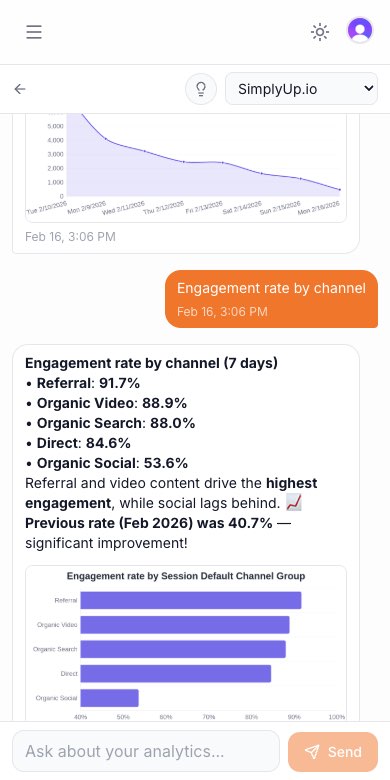
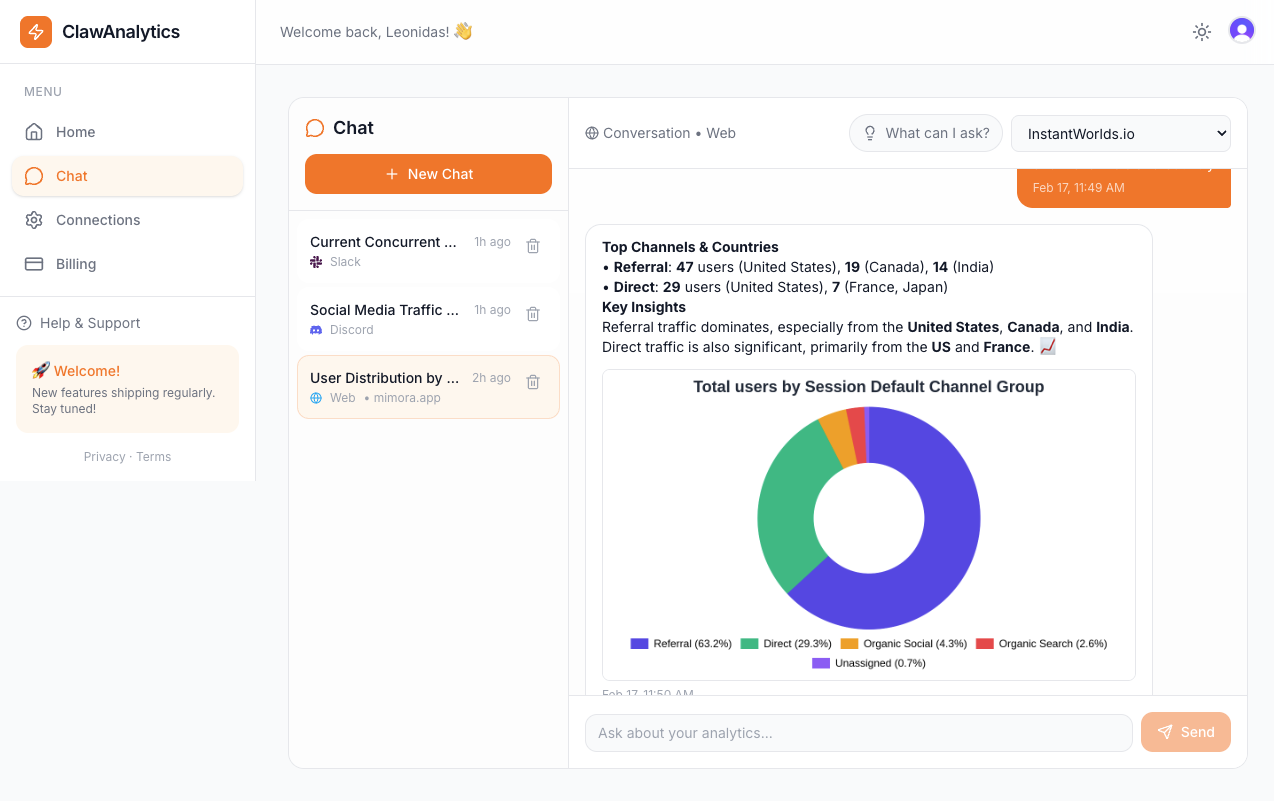
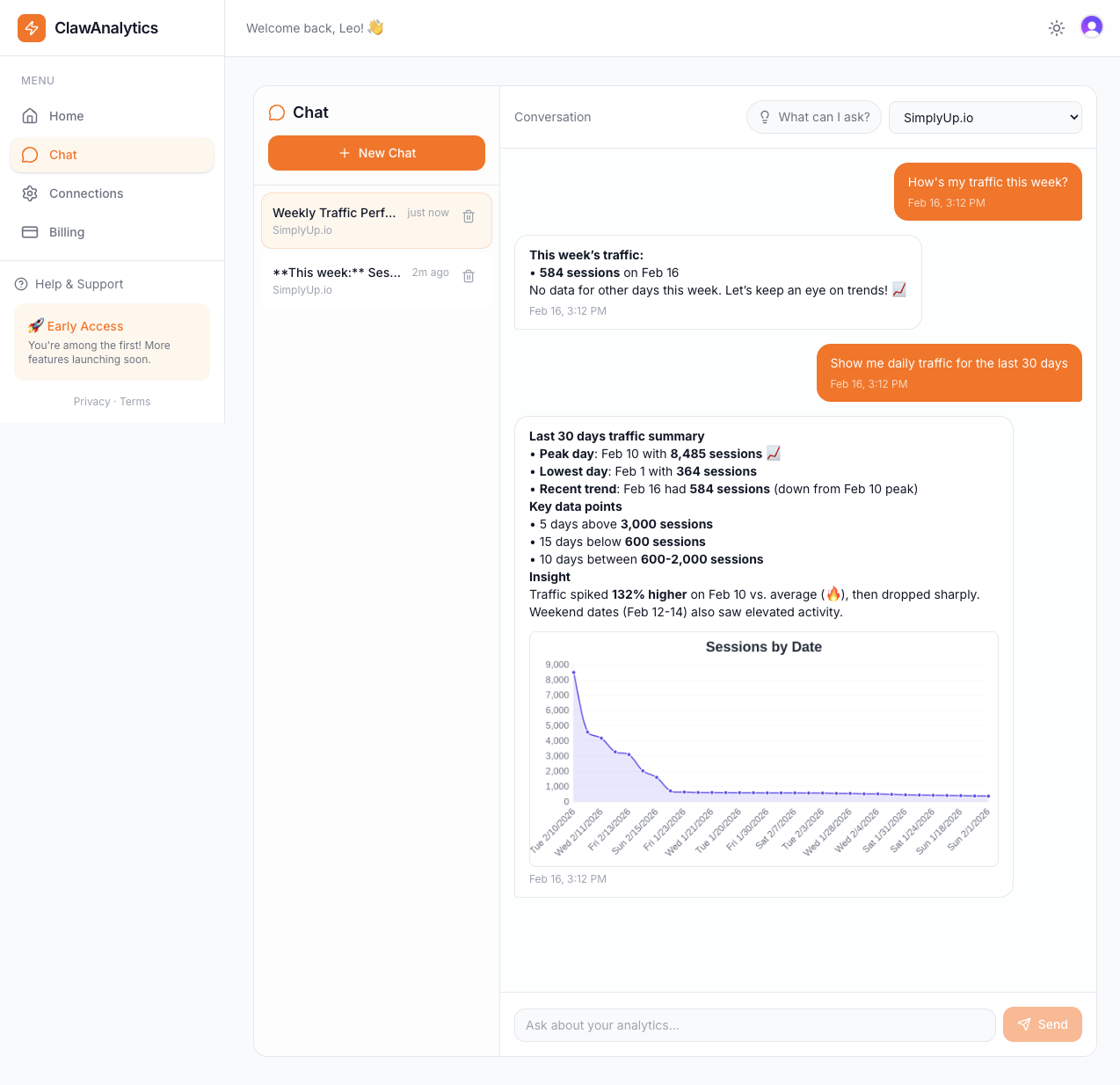
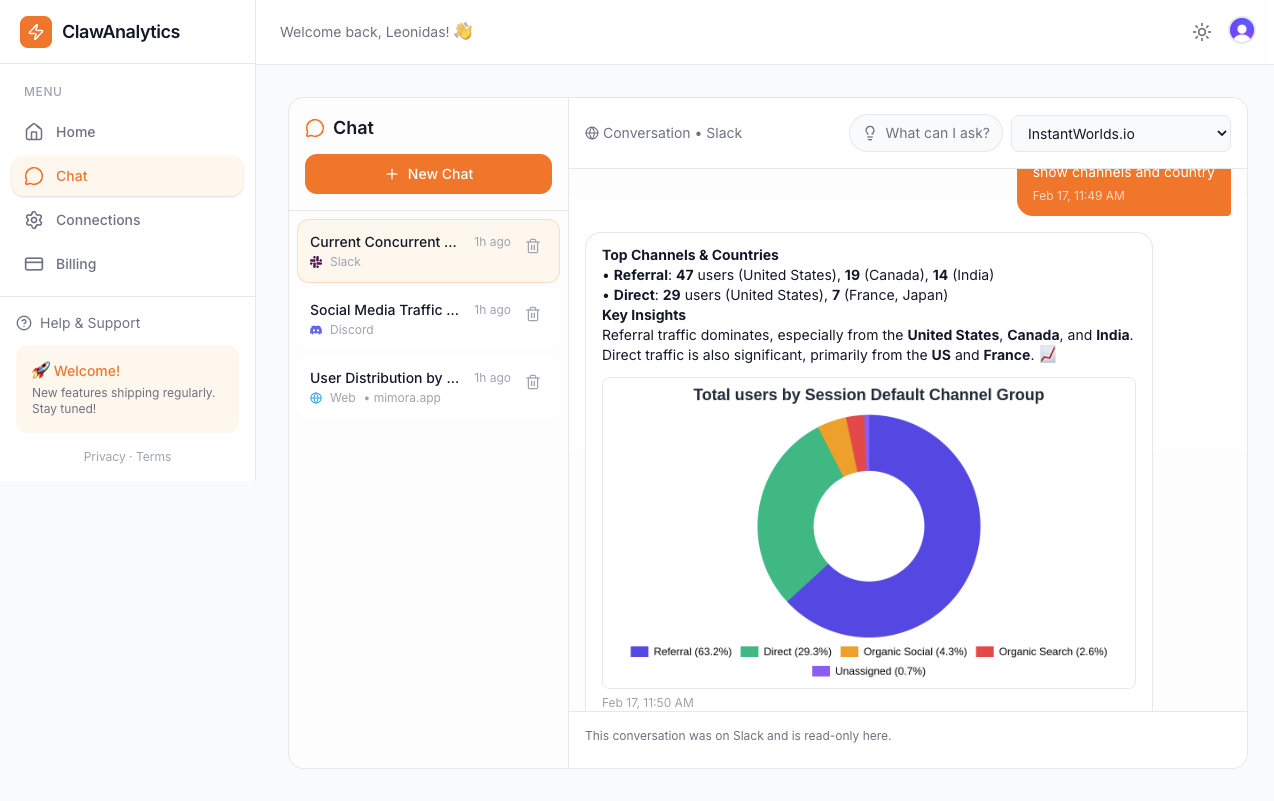
ClawAnalytics provides straightforward scroll depth insights without complex setup. You see exactly how far visitors scroll on every service page.
ClawAnalytics answers questions specific to financial services. Do prospects scroll past the fee schedule? Where do they stop on investment product pages? Which advisor bio keeps attention longest?
An independent financial advisor discovered through ClawAnalytics that visitors rarely reached the financial planning process section. They restructured the page to show the four-step process immediately after the introduction. Inbound inquiries rose thirty-five percent.
A wealth management firm found that their retirement planning page lost visitors at the fee section. They moved fees above the fold and added a clear table format. Time on page increased by two minutes, and consultation requests doubled.
Quick Wins
Make immediate improvements to your finance website. Display your fee range or advisory rates in the first screen. Create a sticky sidebar with quick navigation to services. Add a brief video introduction to humanize your firm. Move client testimonials to appear after your service descriptions.
Implement one change this week. Track the results. Refine continuously. Your pipeline will fill faster when visitors find what they need immediately.