A family plans their summer vacation. They browse hotel options after dinner, tired from the day. They click your resort link hoping to see room prices and photos. The page shows a full-screen video that takes ten seconds to load. Then another video. They wait. Nothing happens.
They leave. They book elsewhere.
This scenario plays out constantly in travel. Visitors arrive excited to explore. They leave frustrated when information requires too much effort to find. Scroll depth reveals exactly where your travel website loses potential guests.
Why Scroll Depth Matters for Travel
Travel purchasing is impulsive. Visitors decide quickly based on emotions and essential facts. Your website must deliver both immediately or competitors capture the booking.
Photos sell destinations. Travelers want to visualize their experience. When photo galleries sit below extensive text, visitors miss the visual hook that drives bookings. Place your most compelling images in the first screen.
Prices drive decisions. Room rates, package deals, and inclusive options must be immediately visible. When pricing requires scrolling, travelers assume you are overpriced or hide fees. Upfront pricing builds confidence.
Amenities seal the deal. Pool, wifi, parking, breakfast. These details matter. When amenity lists require extensive scrolling, travelers cannot quickly compare you to alternatives. Clear, scannable lists perform better.
Reviews provide social proof. Guest ratings and testimonials significantly influence booking decisions. When reviews appear only at page bottoms, their persuasive power gets wasted. Move highlights higher to build trust faster.
How to Check in GA4
Travel websites benefit from scroll depth analysis in GA4. Navigate to Explore and create a new report. Use Scroll Depth as your dimension and Sessions as your metric.
Compare scroll behavior across device types. Mobile travel browsing differs dramatically from desktop. Segment by traffic source to see if organic visitors behave differently than paid ads.
Add detailed scroll tracking for travel pages:
document.addEventListener('scroll', function() {
  let scrollDepth = Math.round(
    (window.scrollY / (document.documentElement.scrollHeight - window.innerHeight)) * 100
  );
  if ([25, 50, 75, 100].includes(scrollDepth)) {
    gtag('event', 'travel_scroll', {
      section: scrollDepth,
      path: window.location.pathname,
      device: /Mobi/.test(navigator.userAgent) ? 'mobile' : 'desktop'
    });
  }
});
Use this data to optimize page layouts for specific travel services.
The Easier Way
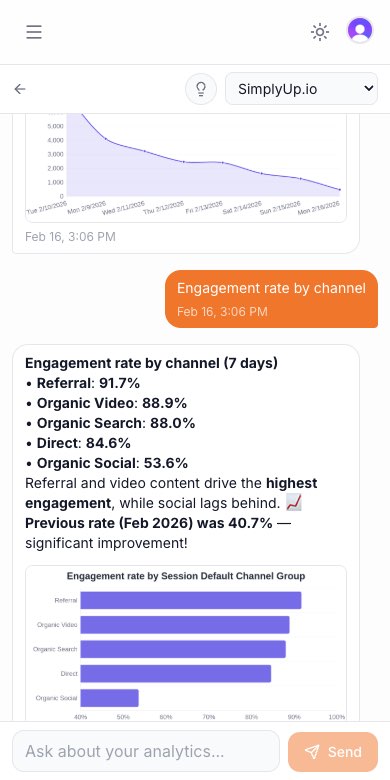
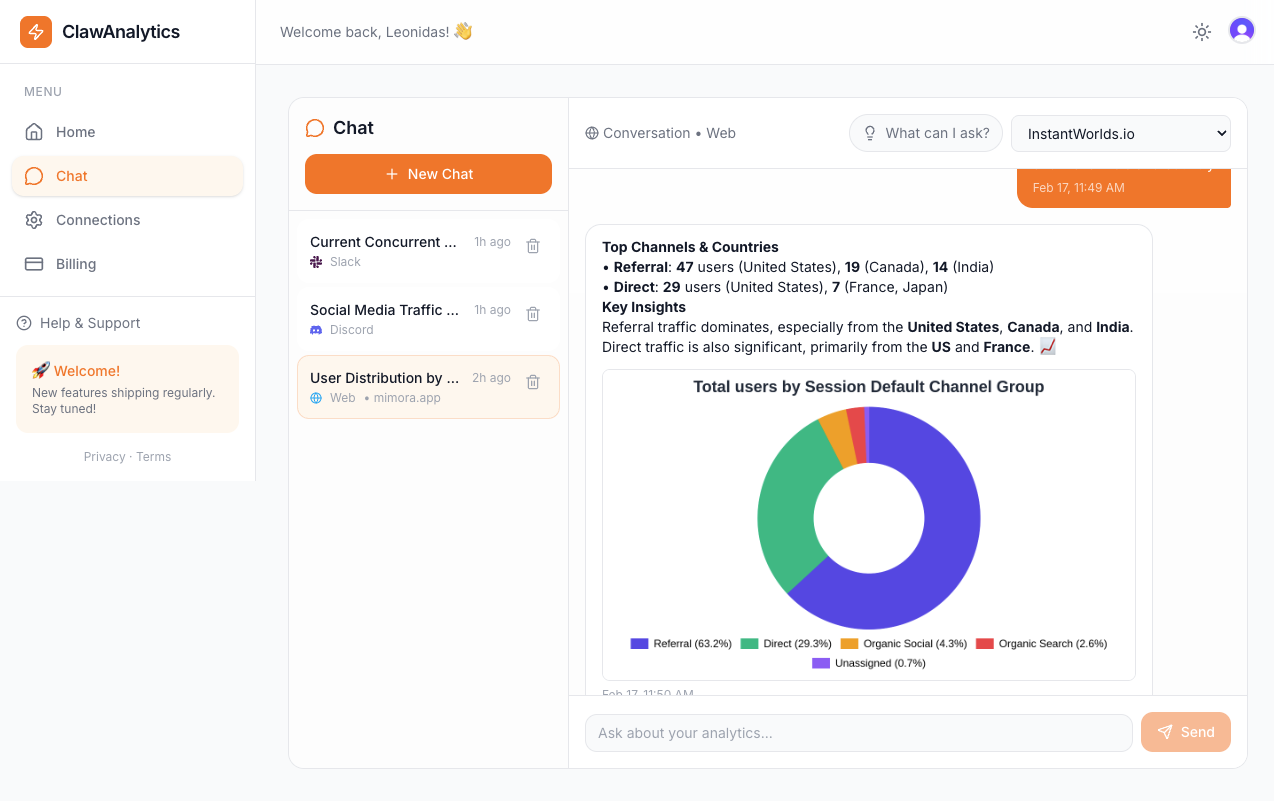
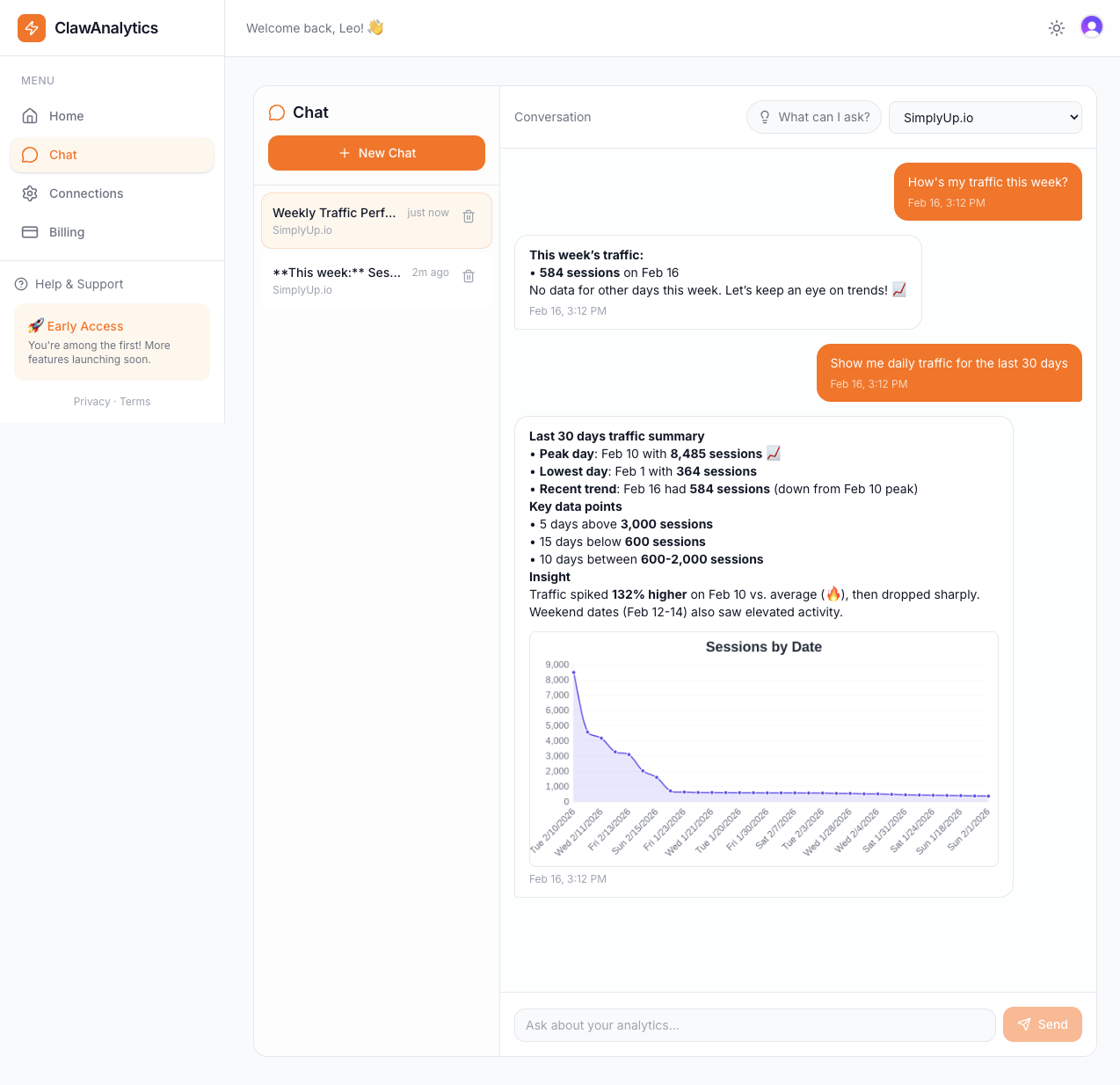
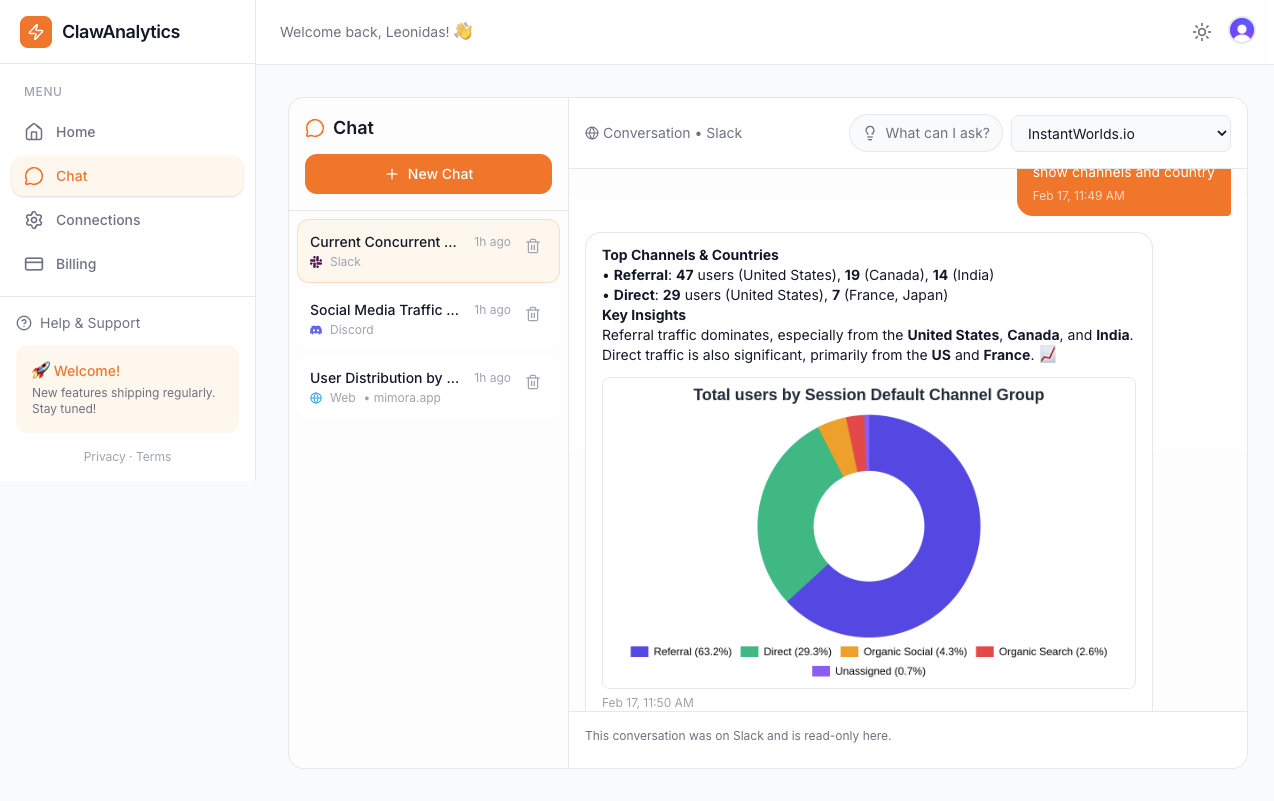
ClawAnalytics simplifies travel website analysis. You get instant visibility into how far visitors scroll on destination pages, booking flows, and special offers.
ClawAnalytics helps travel businesses answer critical questions. Do potential guests scroll past the room photos? Where do travelers abandon the booking process? Which package descriptions keep attention longest?
A boutique hotel chain discovered through ClawAnalytics that visitors rarely reached the local attractions section. They moved that content above the fold, alongside area photos. Direct bookings increased twenty percent.
An adventure tour operator found that their most popular trip pages had high mobile drop-off at fifty percent scroll. They simplified their mobile layout, reducing text blocks and adding more image breaks. Mobile bookings rose forty percent.
Quick Wins
Start optimizing your travel website now. Show your best room photo with the price prominently displayed in the first screen. Create a short amenities list with icons above the fold. Add a quick booking widget to your homepage. Move three guest reviews to appear immediately after your hero section.
Make one change this week. Test it. Measure the scroll depth improvement. Your booking numbers will improve when travelers find what they need instantly.