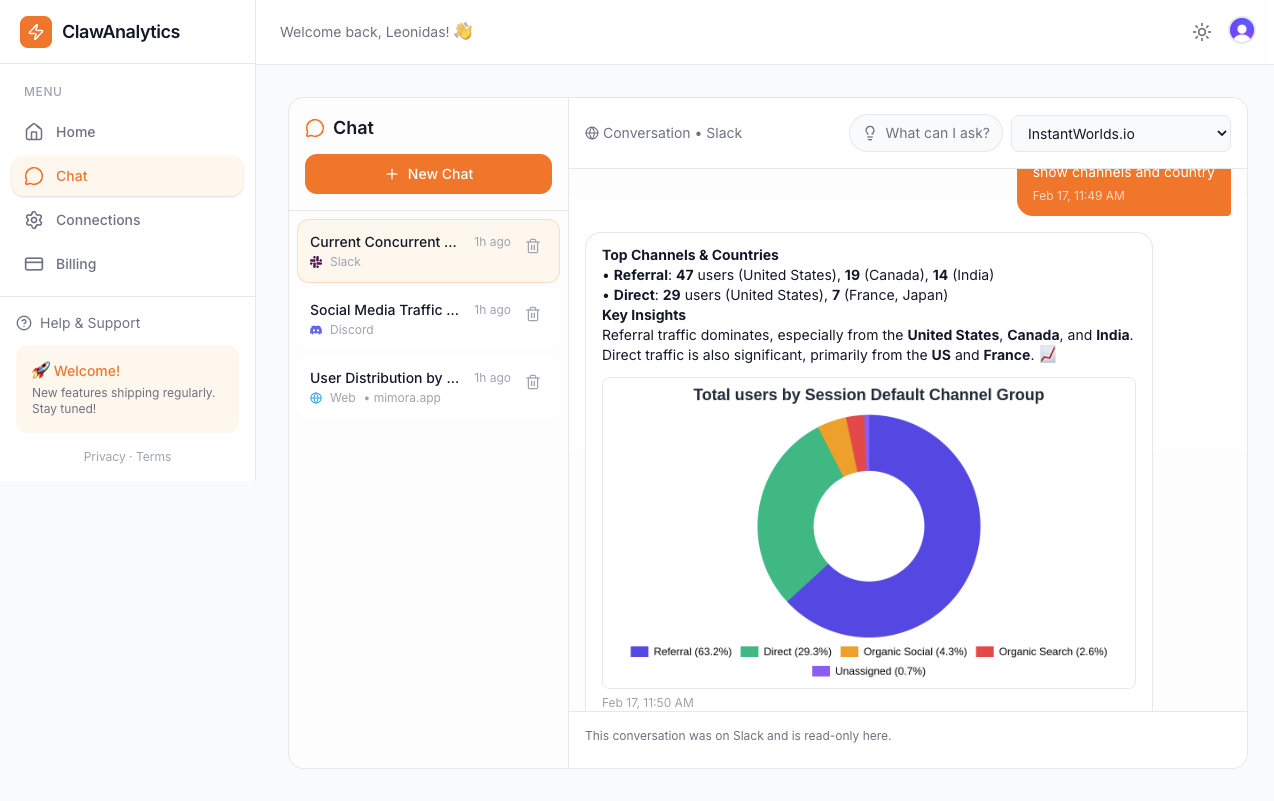
You have Google Analytics set up. You log in and see a dashboard full of numbers. Where do you start? How do you know what matters?
This guide shows you how to read Google Analytics reports and find insights that help your business.
Why Understanding Reports Matters for Your Business
Data without interpretation is just numbers. Google Analytics collects thousands of data points about your visitors. Without knowing how to read the reports, you miss opportunities to improve your site and grow your business.
The right reports tell you:
- Where your visitors come from
- What content they engage with
- Where they leave
- Which marketing channels work
This information directly impacts your marketing decisions and budget.
Key Reports to Know
Realtime report. Shows visitors on your site right now. Check this to verify tracking works or see the impact of a campaign. The number updates every few seconds.
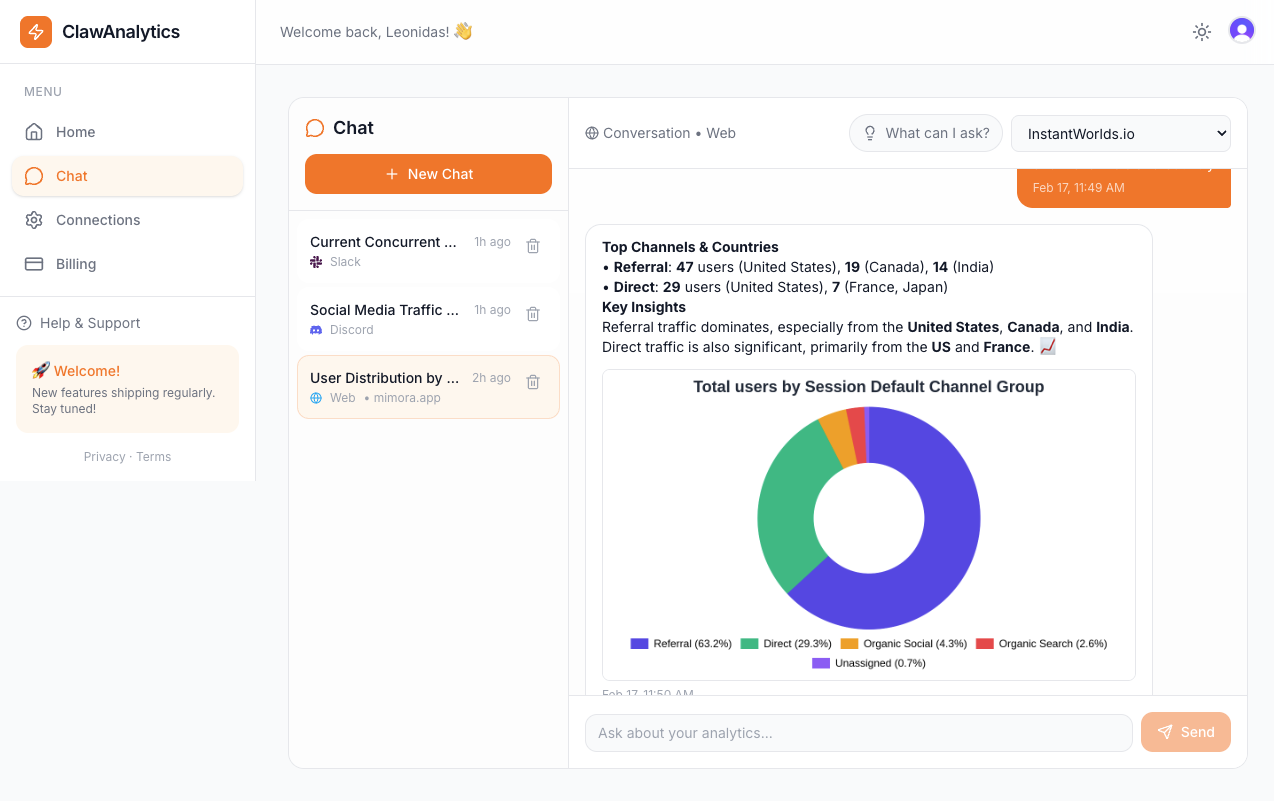
Acquisition report. Reveals where your traffic comes from. Organic search, social media, paid ads, direct visits. This tells you which channels bring results. Look beyond total visitors. Focus on users who convert.
Engagement report. Shows how users interact with your content. Pages viewed, events triggered, conversion events completed. High engagement typically means your content resonates with visitors.
Demographics and user attributes. Understand who visits. Age, location, device type. This helps tailor your content and marketing to your actual audience.
How to Read Metrics
Google Analytics displays metrics in different formats. Here is what to watch:
Users vs sessions. Users count unique visitors. Sessions count visits. One user can have multiple sessions. Compare both to understand behavior patterns.
Bounce rate. Percentage of visitors who leave after viewing one page. High bounce rate often indicates a mismatch between visitor expectations and your content. But bounce rate varies by industry and page type.
Average engagement time. How long users actively interact with your site. Longer typically means more engaging content. Check this per page to find your best content.
Conversions. Specific actions you want users to take. Purchases, sign-ups, downloads. Set these up in your property. Track what matters to your business.
The Easier Way
Reading Google Analytics effectively takes practice. The platform offers dozens of reports and customization options. Many users feel overwhelmed.
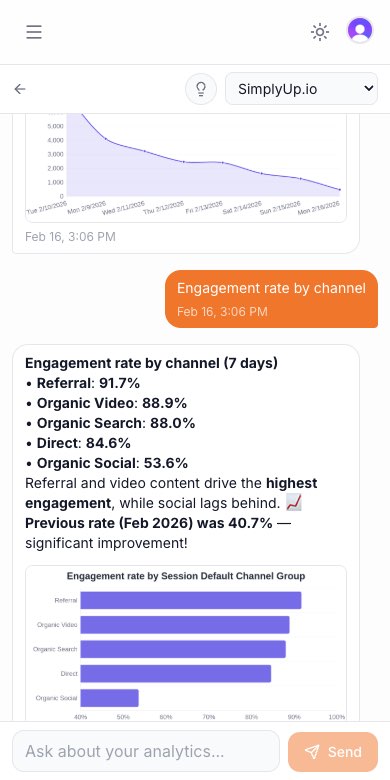
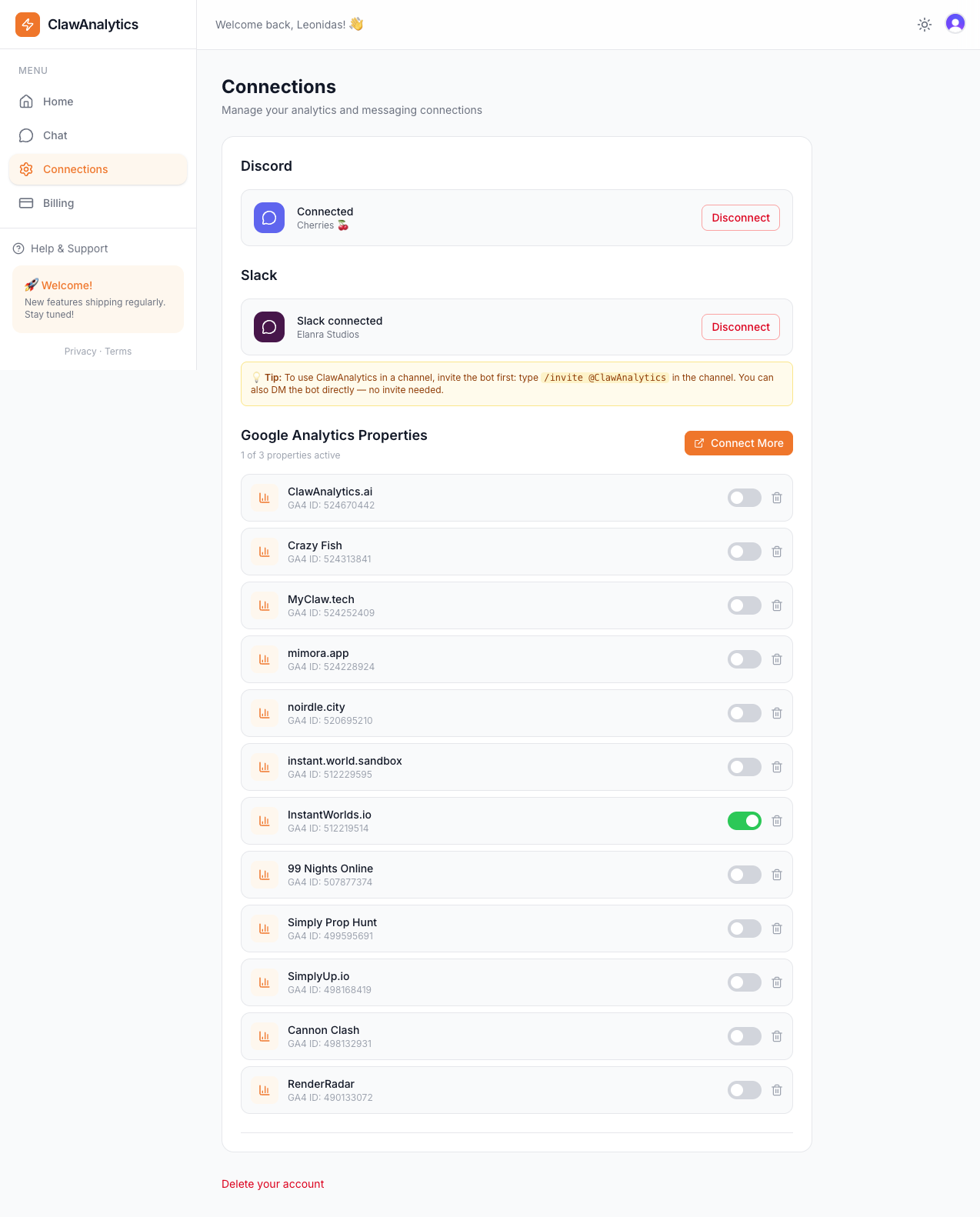
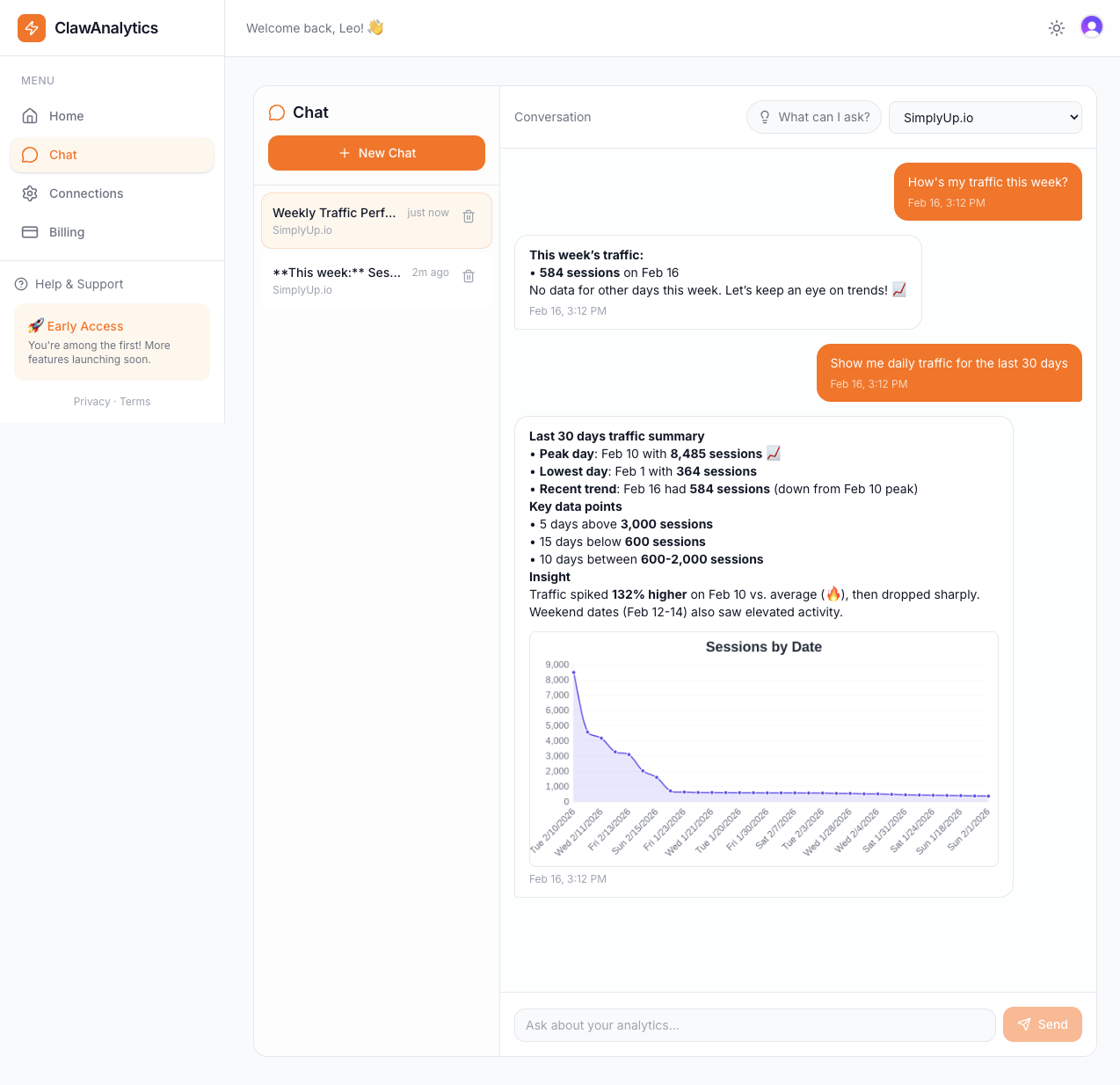
ClawAnalytics handles this complexity for you. It connects to your GA4 data and builds simple, actionable dashboards. You see the story in your data without becoming an analytics expert.
Questions ClawAnalytics answers instantly:
- Which pages need improvement based on user behavior
- How your traffic sources compare in conversion quality
- What changes in your data need attention
Quick Wins
-
Check reports daily. Even five minutes looking at key metrics helps you spot trends early.
-
Set up comparisons. Compare this week to last week. Compare paid traffic to organic. Comparisons reveal what changes work.
-
Use segments. Create segments for different audience groups. Compare segments to understand behavior differences.
-
Export what matters. Download reports you reference often. Build a weekly routine around key metrics.
-
Focus on a few metrics. Do not try to track everything. Pick three to five metrics that tie to business goals. Watch those consistently.