Tracking ad revenue on your fitness website feels like guessing where your money comes from. You post workouts, nutrition guides, and training tips. Ads appear. But which content actually pays the bills?
Why Ad Revenue Matters for Fitness
Fitness content is competitive. Most gym websites and workout blogs rely on advertising as their primary income. Without knowing which pages perform, you’re essentially throwing content at the wall and hoping something sticks.
Key reasons to track this metric:
Your workout routines and training guides likely generate different revenue levels. A detailed weightlifting program might earn more per thousand views than a quick cardio workout. Understanding this helps you prioritize content creation.
Advertisers pay premium rates for fitness audiences because these visitors have high purchase intent. Someone reading about protein supplements or gym equipment is more valuable than casual browsers. Tracking ad revenue reveals which content attracts these valuable visitors.
The fitness industry has seasonal peaks. New Year’s brings traffic spikes. Summer cuts differently. Without tracking ad revenue patterns, you miss opportunities to capitalize on these trends.
Mobile vs desktop matters significantly. Most fitness searches happen on phones at the gym. If your mobile ad experience suffers, you’re leaving money on the table.
How to Check in GA4
Google Analytics 4 tracks ad revenue through its monetization reports. Here’s how to find it:
- Open GA4 and go to Monetization
- Select Ad revenue from the dropdown
- Set your date range to compare periods
- Look at Ad revenue by page to see which content performs
You’ll see metrics like revenue per user, ad impressions, and click-through rates broken down by page path. Sort by revenue to find your top performers.
GA4 also shows ad revenue by traffic source. This reveals whether your Instagram fitness content or Google searches bring more valuable visitors.
The Easier Way
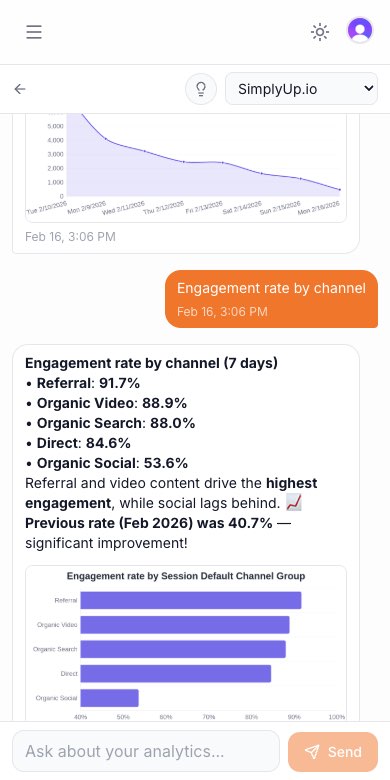
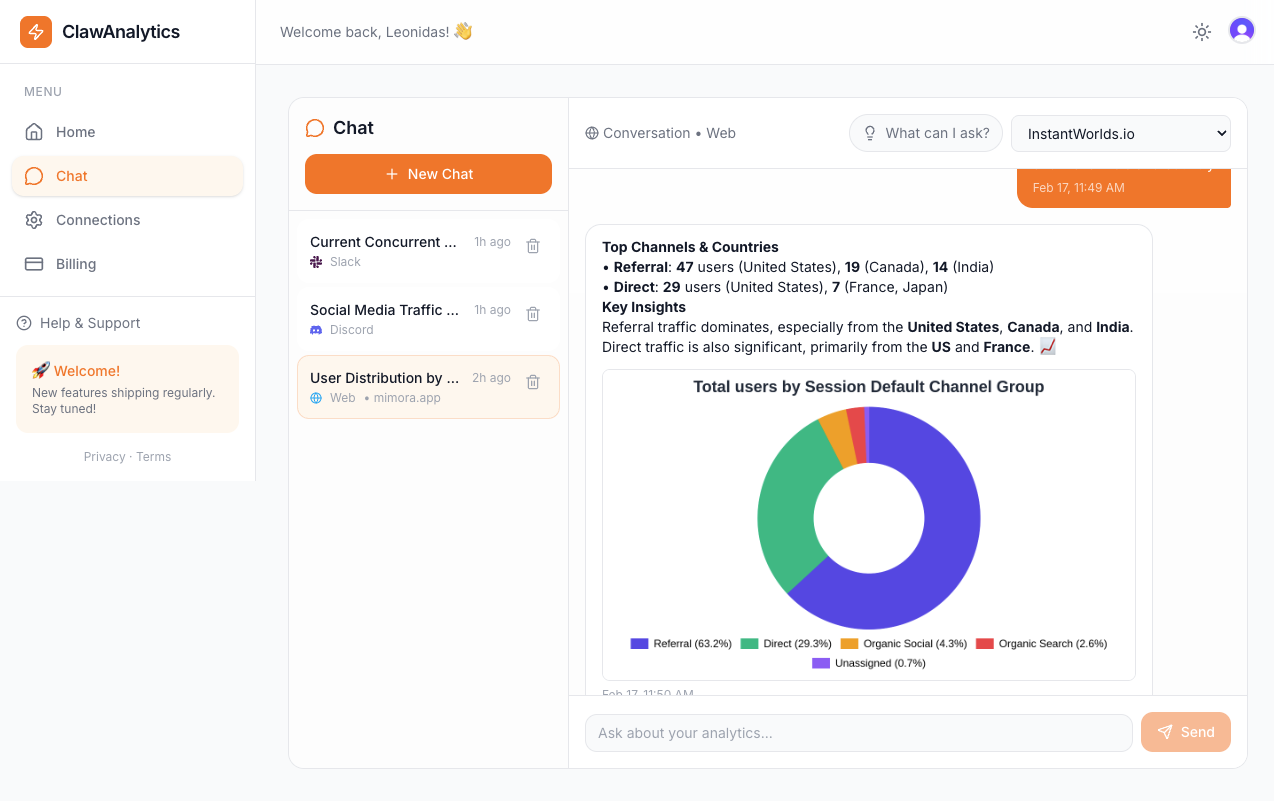
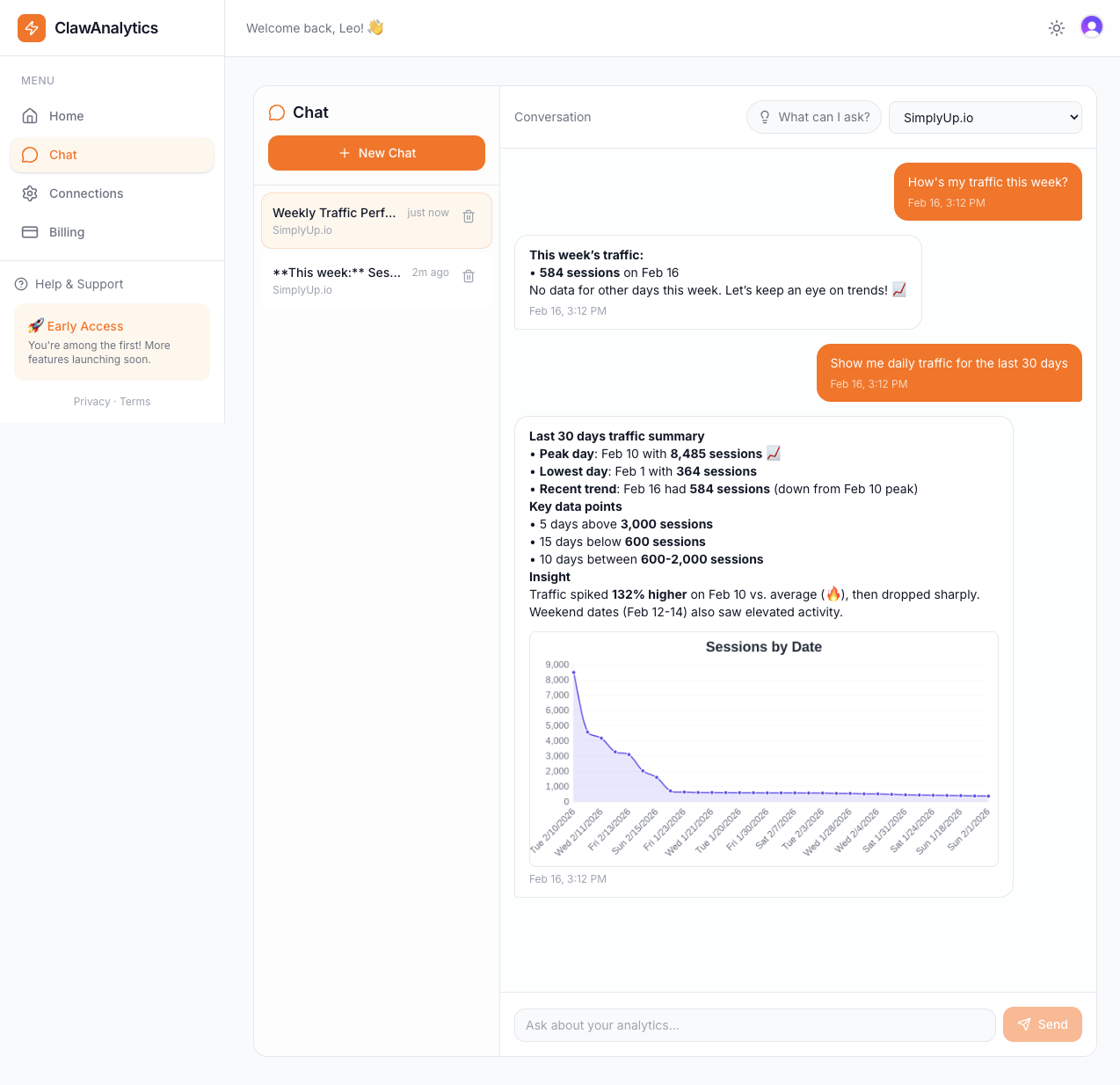
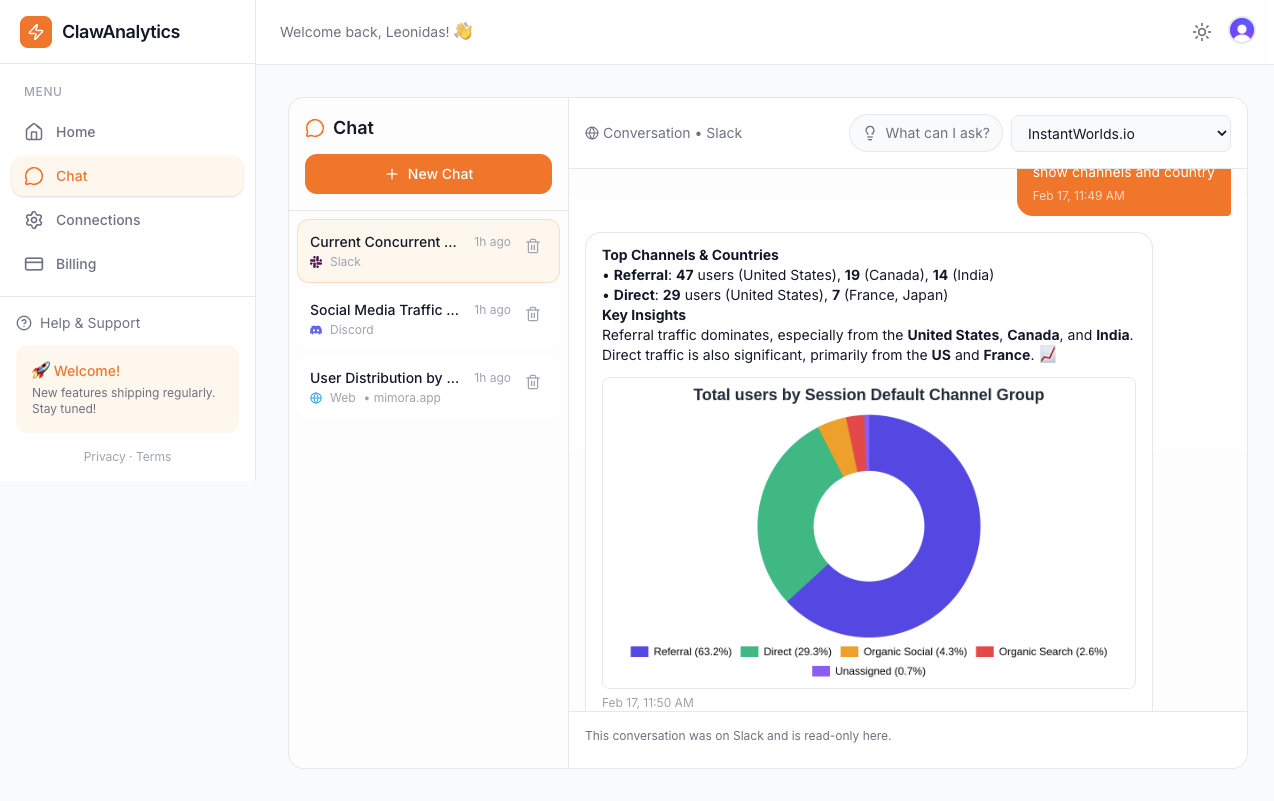
ClawAnalytics simplifies ad revenue tracking for fitness professionals. Instead of jumping between GA4 reports, you get a clear dashboard showing what matters.
For example, you might discover that your “HIIT workouts” page generates three times more ad revenue than your “stretching routines” page. This insight directly shapes your content calendar.
Questions ClawAnalytics answers instantly:
Which fitness content should I create more of? The platform shows exact revenue figures by topic, so you know whether to focus on strength training or yoga content.
Is my email list driving revenue? ClawAnalytics connects newsletter traffic to ad performance, revealing whether your subscriber base converts.
Are my paid ads profitable? Compare ad spend against generated revenue to calculate true ROI.
Quick Wins
Optimize your high-performers. Take your top ad-revenue pages and add internal links from other fitness content. This distributes valuable traffic more effectively.
Fix slow-loading pages. Speed directly impacts ad revenue. Compress images in your before-and-after transformation posts and workout galleries.
Test ad placements. The same page can earn dramatically different amounts based on where ads appear. Experiment with in-article ads versus sidebar placements.
Update older content. That popular 2022 workout guide might still generate revenue, but refreshing it with current training trends could boost earnings significantly.
Focus on Evergreen Content
Unlike news or trends, fitness content about fundamental movements and nutrition stays relevant for years. Your guides on proper squat form or healthy eating basics compound in value over time, generating consistent ad revenue while you focus on creating new material.