Legal websites serve a unique audience. People searching for legal help often need it urgently. They might be facing a lawsuit, going through a divorce, or starting a business. These visitors are valuable to advertisers, but only if you understand which content actually generates revenue.
Why Ad Revenue Matters for Legal
The legal industry is competitive. Law firms and legal blogs compete for the same traffic. Understanding ad revenue helps you create content that serves your audience while generating sustainable income.
Why tracking matters:
Legal content varies widely in value. A page about small claims court procedures might attract visitors researching for a single case. Meanwhile, content about business formation or intellectual property attracts entrepreneurs making significant decisions. Both audiences matter, but they have different values to advertisers.
Your content marketing efforts need proof of ROI. When you can show that family law articles generate more revenue than criminal law content, you make smarter decisions about where to invest your time and resources.
Referral traffic from lawyer directories, bar associations, and legal forums might bring highly qualified visitors. Tracking ad revenue reveals which sources deliver the most valuable traffic.
The legal industry has strict advertising rules. Understanding which content performs helps you stay compliant while maximizing reach.
How to Check in GA4
GA4 tracks ad revenue for legal websites through its monetization reports:
- Go to Monetization and select Ad revenue
- Filter by page path to see which articles earn most
- Check Ad revenue by source/medium to understand traffic origins
- Look at Revenue per user to gauge visitor quality
Focus on pages per session. Legal visitors often need multiple pages to find answers. More page views typically mean more ad impressions and higher revenue.
Compare users against new users to understand whether your content keeps legal visitors coming back.
The Easier Way
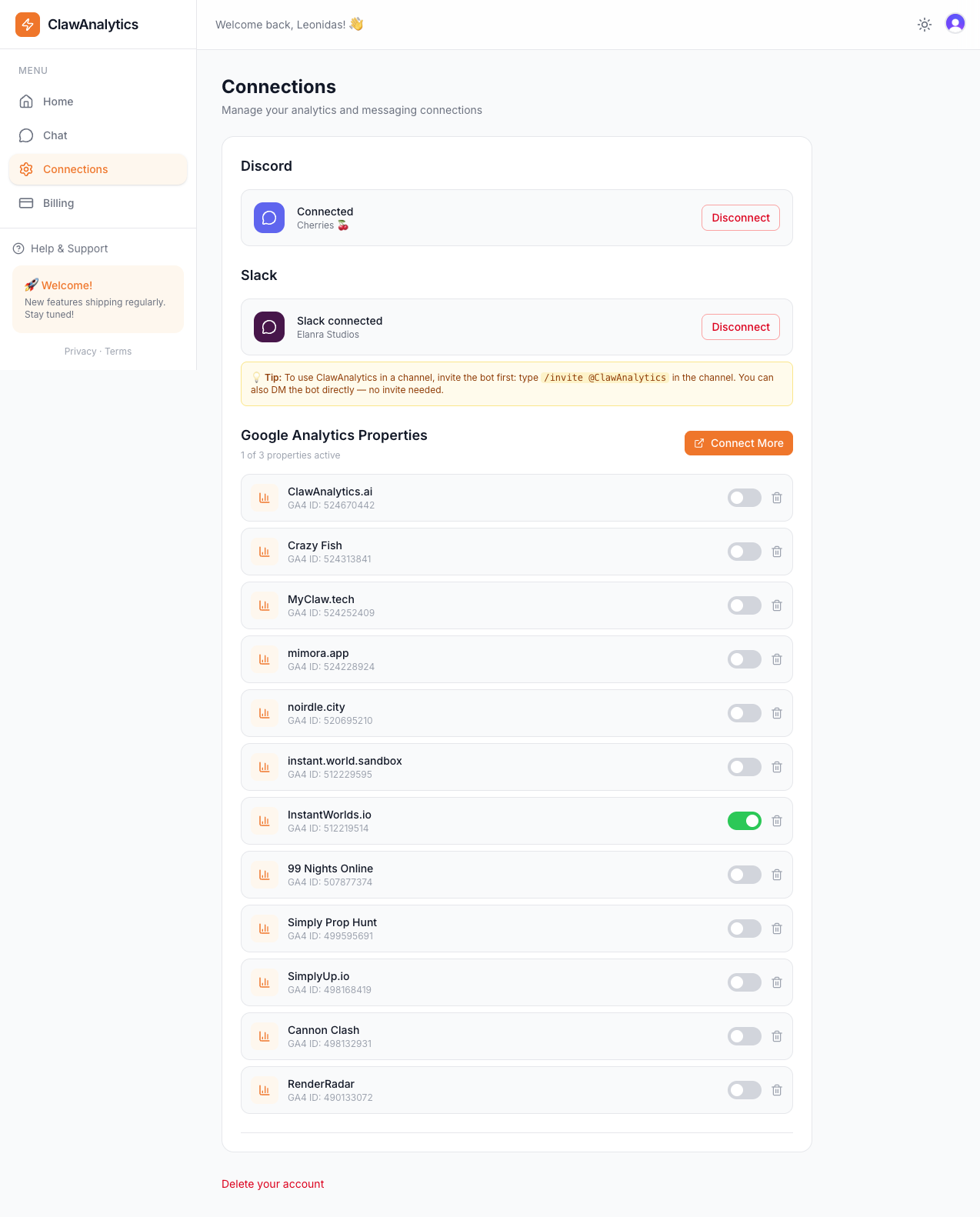
ClawAnalytics makes ad revenue simple for legal professionals. Rather than getting lost in GA4 complexity, you see clear insights about what works.
Legal websites often have distinct content types: practice area pages, legal guides, blog posts, and client resources. ClawAnalytics shows which format delivers the best returns.
Questions ClawAnalytics answers for legal sites:
Which practice areas should I create content about? The platform reveals which legal topics generate the most ad revenue.
Is my legal blog driving client inquiries? Track how blog content relates to your overall conversion goals.
How do I improve my highest-earning pages? Get actionable insights into what makes some legal content more valuable.
Quick Wins
Create comprehensive guides. Detailed articles about specific legal processes keep visitors engaged longer and generate more ad impressions. A complete guide to starting an LLC earns more than a brief overview.
Add legal tool calculators. Interactive elements like contract template finders or fee calculators increase time on page without requiring constant content creation.
Optimize for long-tail searches. “How to file for divorce in California” attracts more qualified traffic than “divorce lawyer.” These visitors often need immediate help and have higher intent.
Build topic clusters. Group related legal content together. If immigration content performs well, create multiple pages covering different immigration topics.
Capture Leads While Earning
Even with ad revenue, legal websites should prioritize lead capture. Add consultation request forms to high-traffic pages. This converts casual browsers into potential clients, providing far more value than ad revenue alone.