How to Improve Bounce Rate for Healthcare
A patient searches for “pediatrician near me,” clicks on your practice website, and leaves within 5 seconds. That bounce just cost you a lifelong patient. Healthcare websites have unique challenges, but reducing bounce rate is entirely achievable when you understand what patients need.
Why Bounce Rate Matters for Healthcare
Healthcare decisions are personal and often urgent. When someone lands on your website, they are likely in one of two states: researching calmly or needing help right now. Both groups should find what they need quickly, or they will choose another provider.
Trust is everything. Patients entrust their health to providers. If your website looks outdated, lacks professional credentials, or feels impersonal, visitors will not risk booking an appointment. A high bounce rate often signals a trust problem.
People seek specific services. Unlike retail sites where browsers might land anywhere, healthcare visitors usually have a particular need: a new doctor, a specific treatment, or emergency services. Your site must address their specific need immediately or they will look elsewhere.
Mobile searches dominate healthcare. Patients often search on their phones while experiencing symptoms or after receiving a referral. If your site is not mobile-friendly, you are invisible to the majority of potential patients.
Accessibility matters legally and practically. Healthcare websites must meet certain accessibility standards. Issues like small fonts, poor contrast, or confusing navigation not only hurt bounce rates but can create legal liability.
How to Check in GA4
Google Analytics 4 provides healthcare-specific insights. Navigate to Engagement and select Pages and screens. Focus on service-specific pages like “/pediatrics,” “/cardiology,” or “/urgent-care.”
Compare bounce rates across service categories. If your cardiology pages bounce significantly higher than general practice, the content or user experience for that service might need work.
Also check your “Find a Doctor” pages. These are critical conversion points and should have lower bounce rates. If they are high, visitors might be struggling to find the right physician or specialty.
Monitor traffic from Google Maps and local search specifically. These visitors often have high intent and should convert at higher rates than general browsing traffic.
The Easier Way
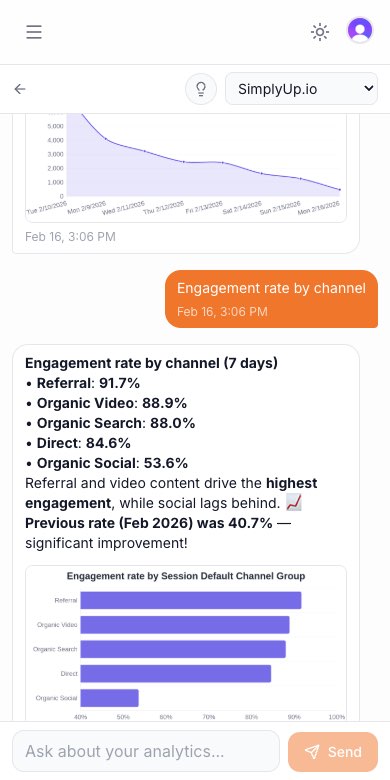
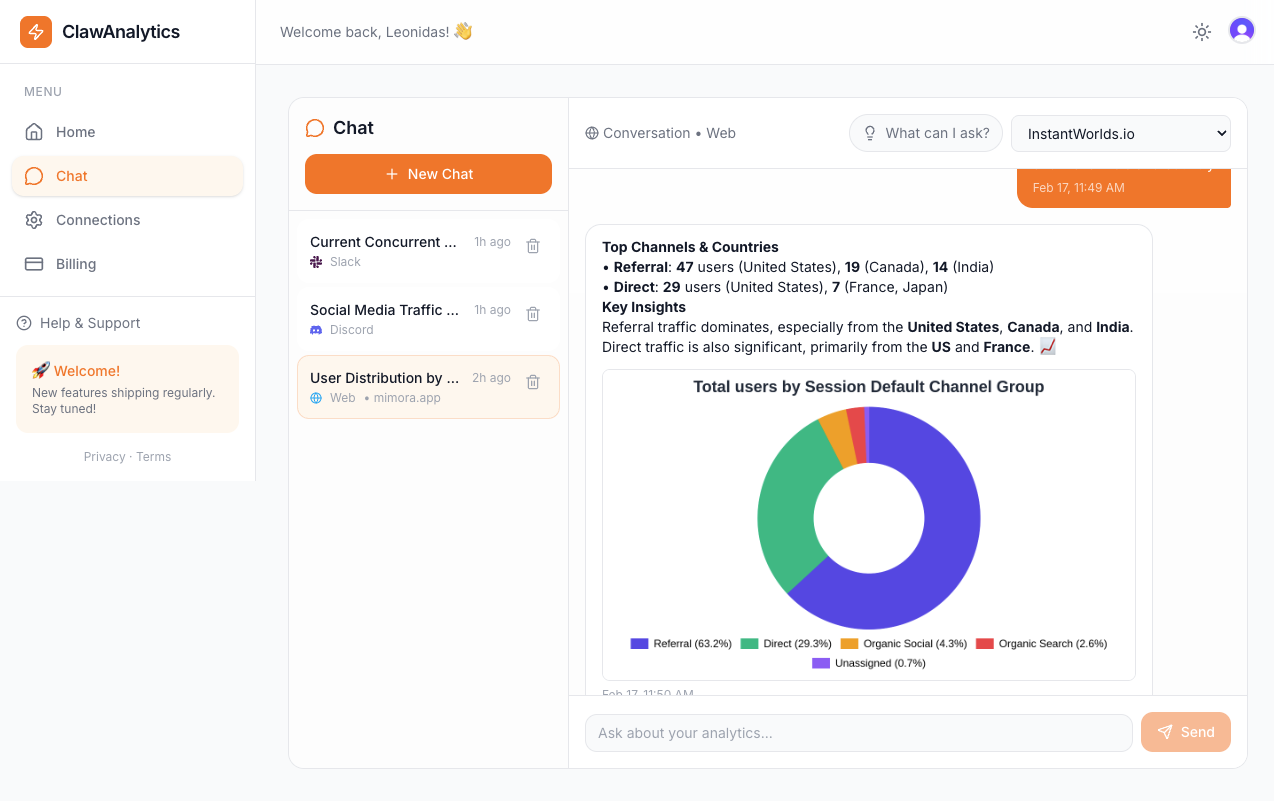
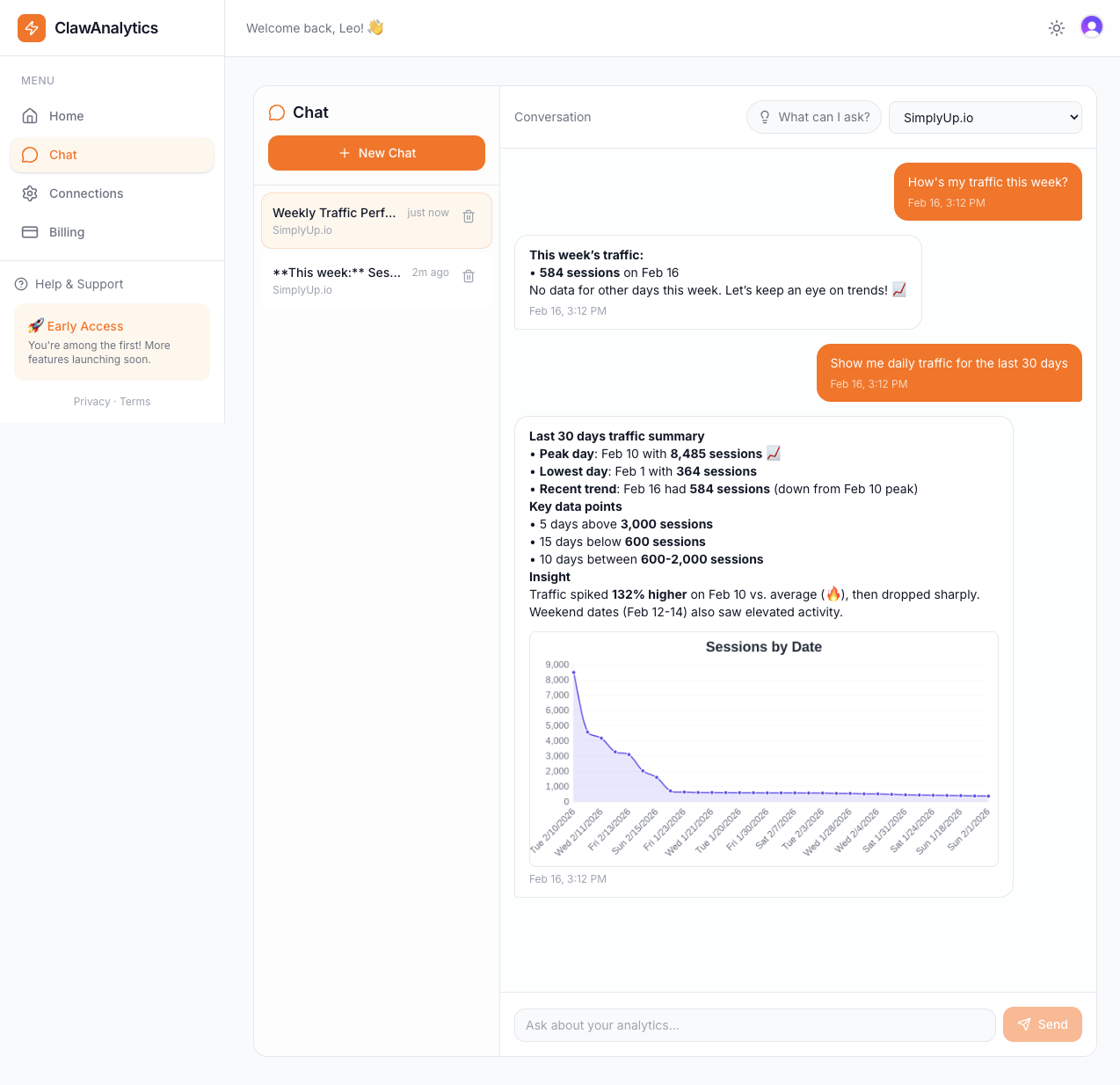
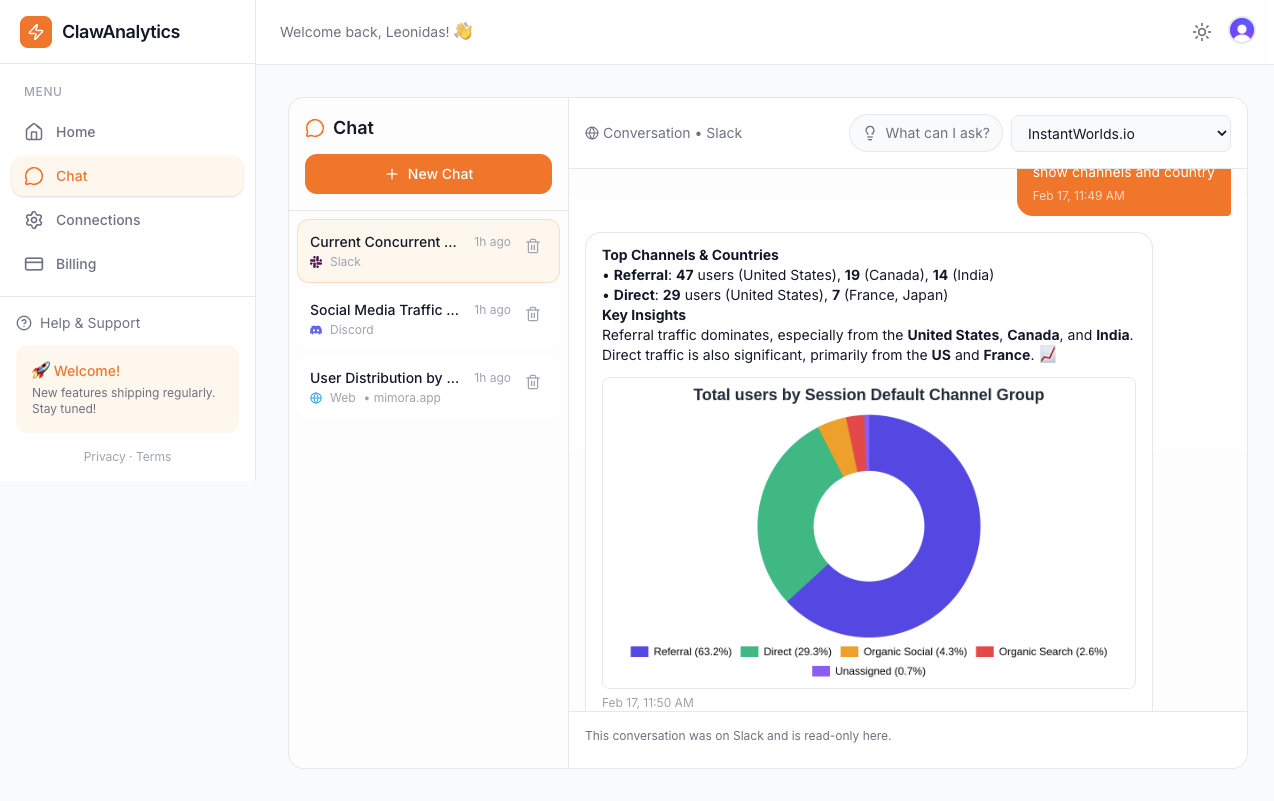
ClawAnalytics makes healthcare bounce rate monitoring simple. Instead of guessing why patients leave, you get specific insights like: “Your insurance verification page has a 70% bounce rate. Visitors may be looking for accepted plans but not finding them.”
This kind of actionable data helps you fix problems before they cost you patients. You might discover that your specialty services pages need more detail, or that patients cannot find your accepted insurance list.
ClawAnalytics also helps you understand seasonal patterns. Flu season might bring higher bounce rates to urgent care pages if information is hard to find. Being prepared with the right content keeps patients from going to competitors.
The tool helps you answer: “Which pages should I prioritize for improvement?” so you can focus your limited marketing resources on changes that actually move the needle.
Quick Wins
Apply these changes to reduce your healthcare website bounce rate:
Lead with trust signals. Display certifications, awards, patient ratings, and physician credentials prominently on your homepage and service pages.
Simplify appointment booking. Make the scheduling process obvious and straightforward. If it requires too many steps, patients will call someone else.
Address common questions upfront. FAQ sections for each service help patients quickly determine if your practice fits their needs.
Add patient testimonials. Personal stories from satisfied patients build trust faster than any marketing copy.
Ensure fast load times. Healthcare visitors are often on mobile devices or time-pressed. Slow sites guarantee bounces.
Make location and hours crystal clear. Patients need to know where you are and when you are open, especially for urgent care or emergency services.
Start with one improvement, measure the impact for two weeks, then iterate. Each reduction in bounce rate represents more patients choosing your practice.