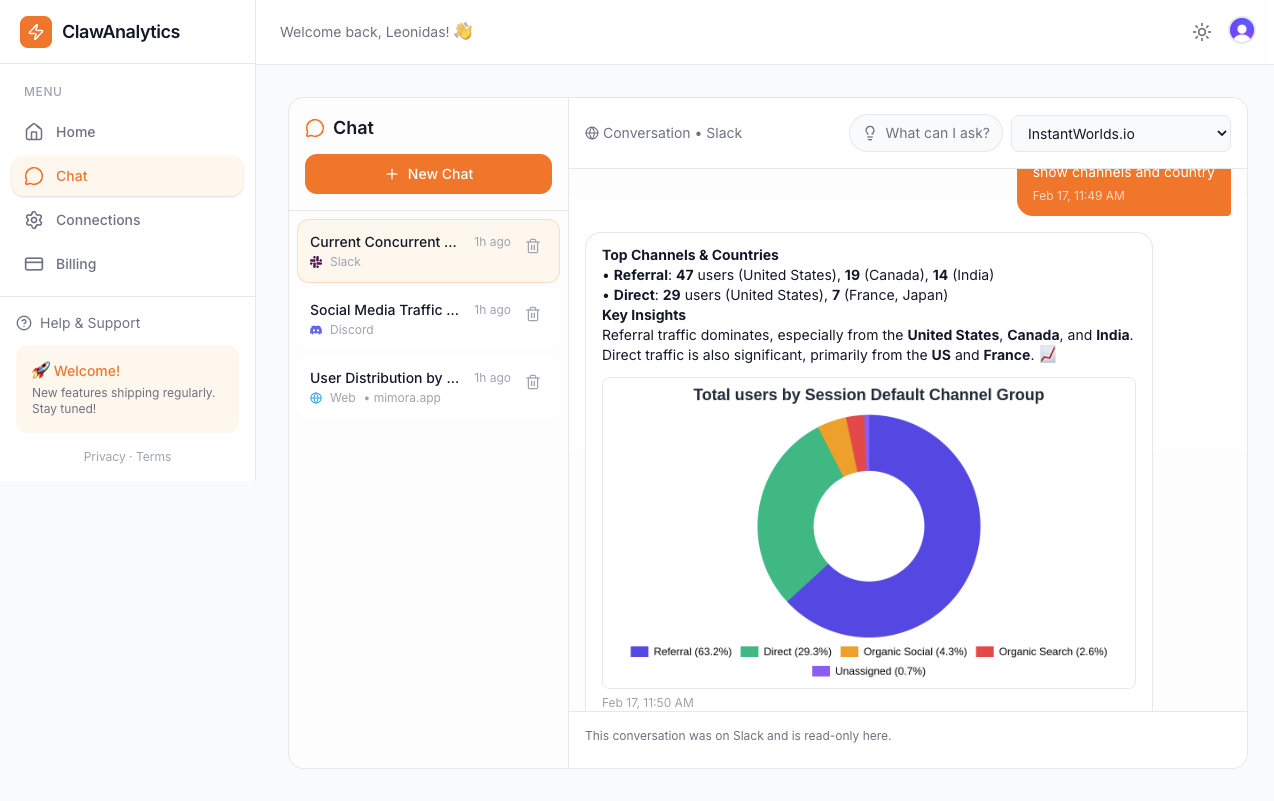
A fitness studio runs Instagram ads targeting the whole city while their actual members come from three nearby neighborhoods. Geographic traffic analytics reveals this disconnect and guides smarter local marketing.
Why Geographic Traffic Matters for Fitness
Optimize local marketing spend. If 75% of members live within three miles, why advertise twenty miles away? Location data stops wasted spend.
Choose new studio locations. Geographic analysis of current members reveals underserved areas perfect for expansion.
Time class schedules by member location. Knowing where members live helps schedule classes at convenient times for the majority.
Partner with local businesses. Gyms in high-traffic neighborhoods can partner with nearby cafes, salons, or coworking spaces for cross-promotion.
How to Check in GA4
Open GA4 and go to Reports > Acquisition > User acquisition. Add “City” or “Region” as a secondary dimension. Look at session duration and conversion rates by location.
Create a segment for “Members” (those who signed up). Compare their geographic distribution against general traffic.
Use Explore to map your best-converting locations. Filter for users who completed membership signups. This reveals your true geographic reach.
The Easier Way
ClawAnalytics delivers fitness-specific geographic insights:
- Which neighborhoods drive the most free trial signups
- Member retention rates by location
- Competitor geographic positioning in your area
Common questions from gym owners: “Should we open near the business district or residential area?” and “Which zip codes deserve direct mail campaigns?” ClawAnalytics clarifies these decisions.
Quick Wins
1. Claim and optimize Google Business Profile. Add photos of your space, class times, and encourage member reviews.
2. Use geofenced social media ads. Target people within walking distance of your gym. This drives impulse visits.
3. Create neighborhood landing pages. Pages titled “Gym in [neighborhood]” capture local search traffic.
4. Host neighborhood-specific events. Free outdoor workouts in local parks build brand awareness in high-traffic areas.
5. Sponsor local sports teams. Youth and adult sports teams in your geographic area create community ties and word-of-mouth referrals.