Imagine spending thousands on radio ads only to learn most of your customers come from a neighborhood five minutes away. Geographic traffic data shows you exactly where people find you, so every marketing dollar works harder.
Why Geographic Traffic Matters for Restaurants
Target the right neighborhoods. If 70% of your customers live within a 2-mile radius, expanding your geofencing beyond that wastes budget. Local SEO matters more than broad campaigns.
Plan delivery radius strategically. Delivery apps take 15-30% of each order. Knowing your true geographic reach helps decide whether to build in-house delivery or renegotiate app fees.
Optimize for lunch vs dinner crowds. A location near business districts sees lunch spikes. Neighborhood spots draw evening families. Geographic data reveals these patterns.
Choose new locations confidently. Opening a second location? Geographic traffic data from your first restaurant reveals which customer segments drive revenue.
How to Check in GA4
Open Google Analytics 4 and navigate to Reports > Acquisition > User acquisition. Click “Add dimension” and select City or Region. You’ll see user counts, engagement time, and conversions by location.
For deeper analysis, go to Explore and create a free-form report. Add “City” as rows and “Sessions” as values. Filter by your location to compare neighborhood performance.
Export the data to spreadsheet software. Calculate revenue per mile from each area. High-revenue, close neighborhoods deserve the most marketing investment.
The Easier Way
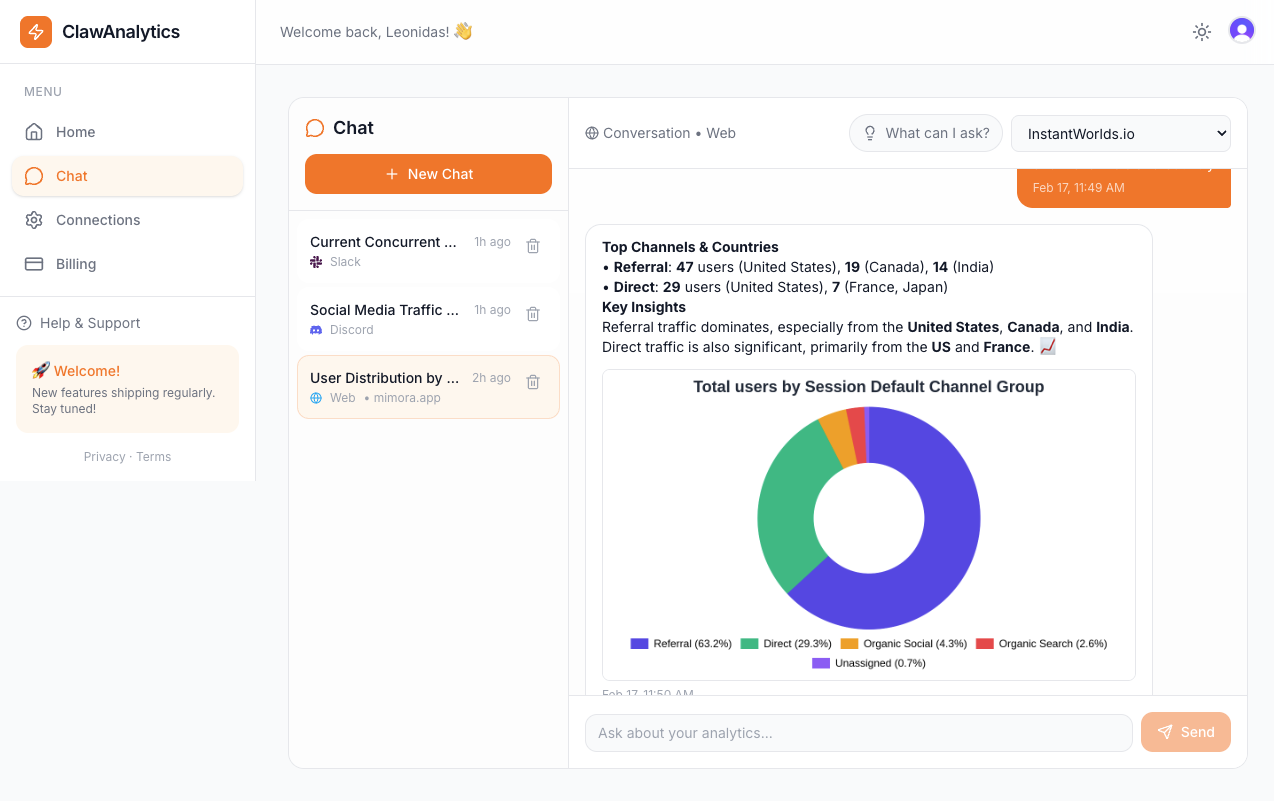
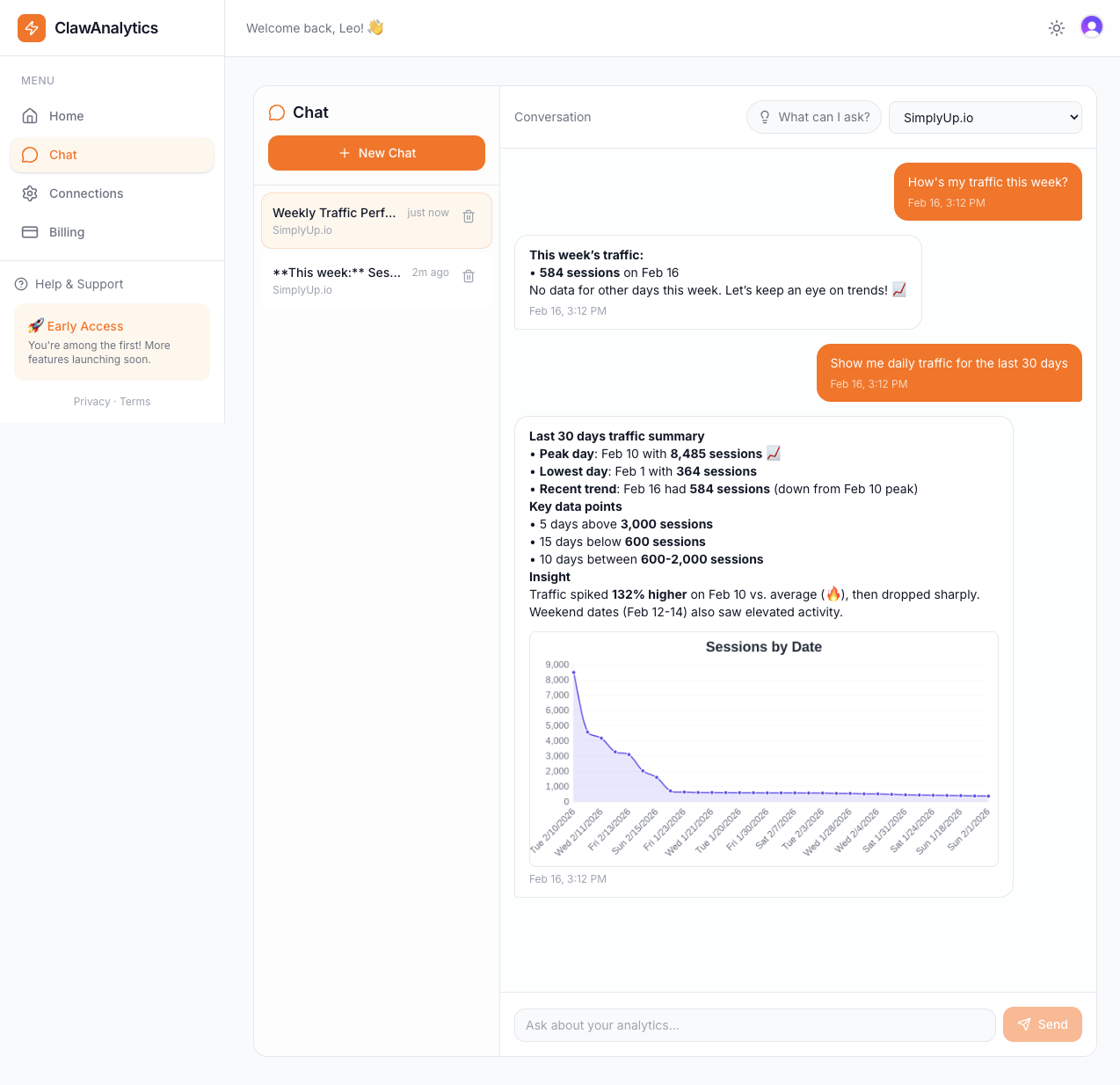
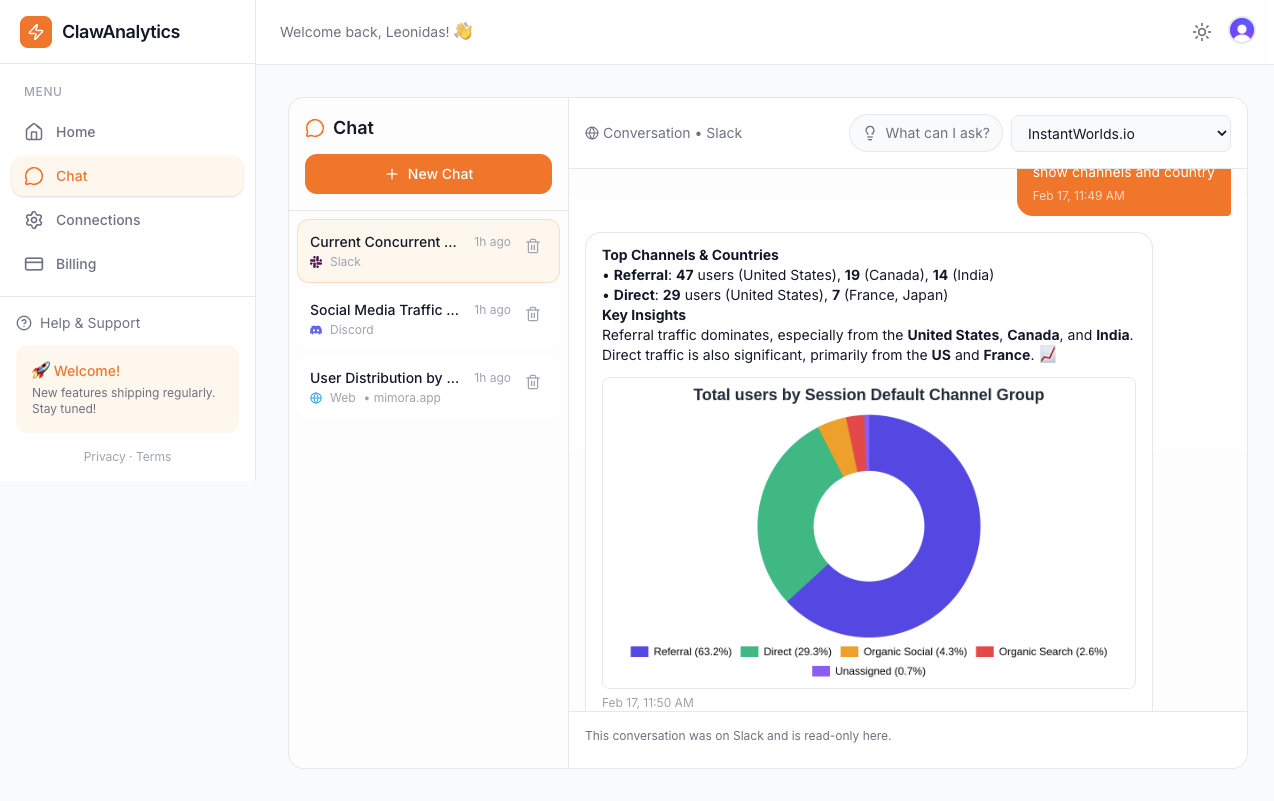
ClawAnalytics makes geographic insights simple. Instead of building custom GA4 reports, you get pre-built dashboards showing:
- Where your diners come from, ranked by visit frequency
- Which neighborhoods convert best (visits to reservations)
- How far average customers travel for brunch versus dinner
Common questions from restaurant owners include: “Which zip codes give me the most repeat customers?” and “Should I advertise in the next town over?” ClawAnalytics answers these in seconds.
Quick Wins
1. Claim your Google Business Profile. This is free and directly improves local geographic visibility. Update hours, photos, and respond to reviews.
2. Use localized keywords. “Best pizza in [neighborhood name]” beats generic “best pizza” for attracting nearby customers.
3. Set up neighborhood geofencing. Target ads to people within 3 miles of your restaurant. This costs less than city-wide campaigns.
4. Encourage check-ins and reviews. Local customers who review your restaurant improve organic geographic rankings.
5. Partner nearby businesses. Cross-promote with gyms, salons, or grocery stores in your area. Local referrals build sustainable foot traffic.