How to Improve New Vs Returning Users for Startups
Imagine spending $50,000 on ads this month, only to discover that 90% of those visitors never come back. That’s the reality for startups that ignore the new vs returning users metric. You might be celebrating traffic growth while your business bleeds money on users who have zero intention of returning.
This is where tracking new vs returning users becomes your secret weapon. Instead of blindly scaling ad spend, you can identify which channels bring loyal customers and which ones waste your limited budget.
Why New Vs Returning Users Matters for Startups
Burn rate survival. Startups live or die by their cash burn rate. If you’re acquiring users who never return, you’re accelerating your runway to zero. Returning users typically have 5-7x higher lifetime value than new visitors, so focusing on retention dramatically extends your runway.
Product-market fit signal. Your returning user percentage is a direct reflection of product-market fit. If 100 people visit but only 5 come back, something is fundamentally wrong with your offering. Investors know this which is why they ask about retention cohorts during fundraising.
Cohort analysis power. Breaking down users by acquisition date lets you spot trends. Did users from January perform better than February? Were they acquired through organic search or paid ads? This insight lets you double down on what works.
LTV calculation foundation. You cannot calculate customer lifetime value without knowing return rates. Without LTV, you have no idea how much you can afford to spend on acquiring new users. It’s financial blindness.
How to Check in GA4
GA4 makes tracking this metric straightforward. Open your GA4 property and navigate to User > User by acquisition source. Add a comparison by clicking the plus icon and selecting User type. Now you can see new users and returning users side by side.
For deeper analysis, create a custom report. Go to Explore, choose Blank, and add User type as a dimension. Add Total users and Sessions as metrics. Apply a date range comparison to see how your returning user rate changes over time.
You can also set up a segment for returning users. Click Segments, choose New segment, and set condition to User type equals returning. This lets you analyze behavior only for users who came back.
The Easier Way
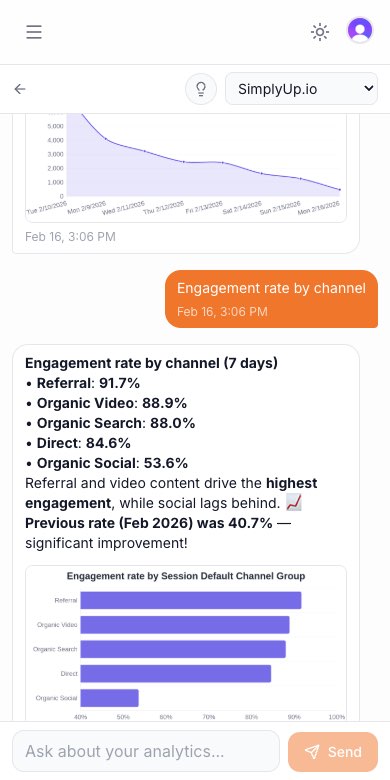
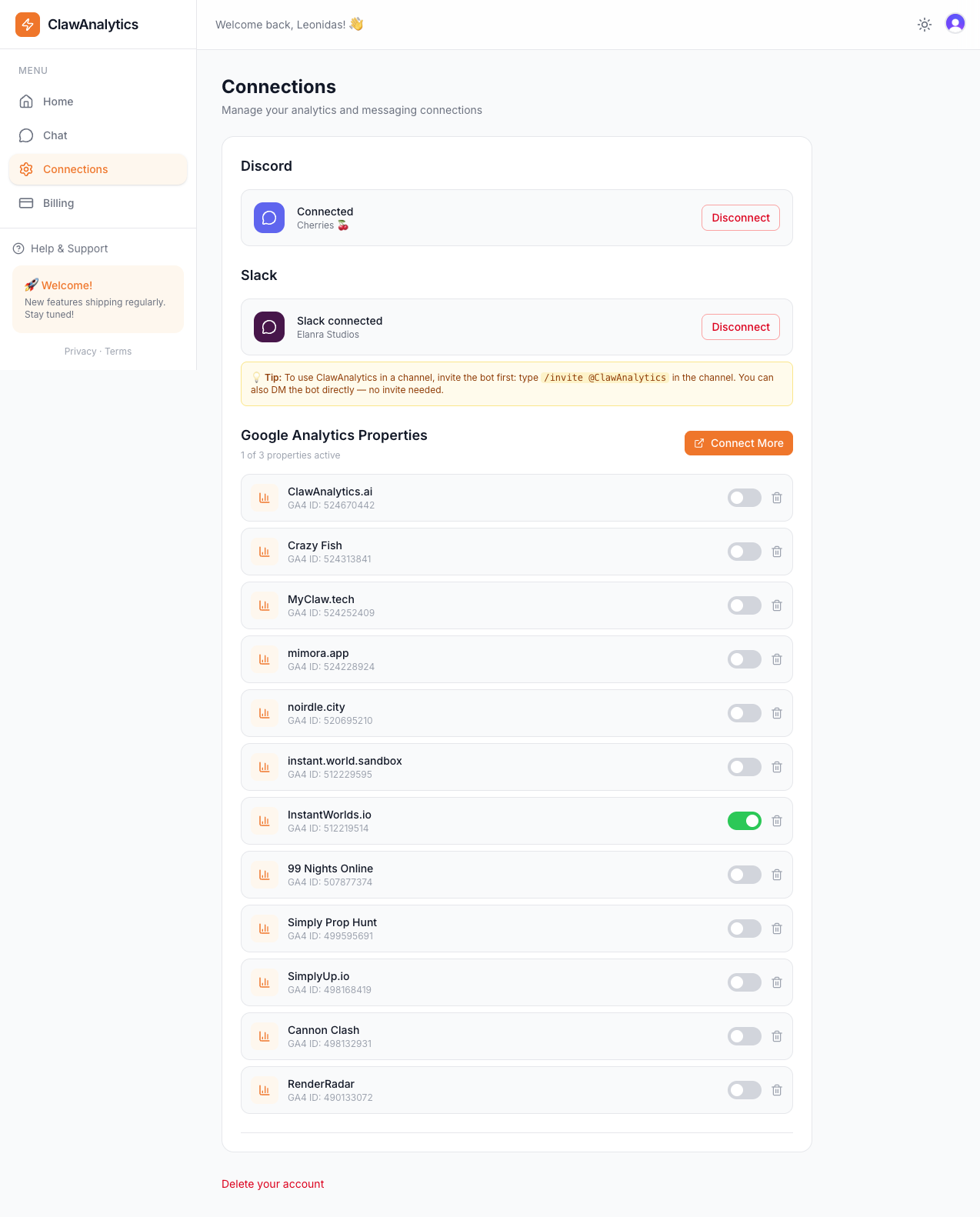
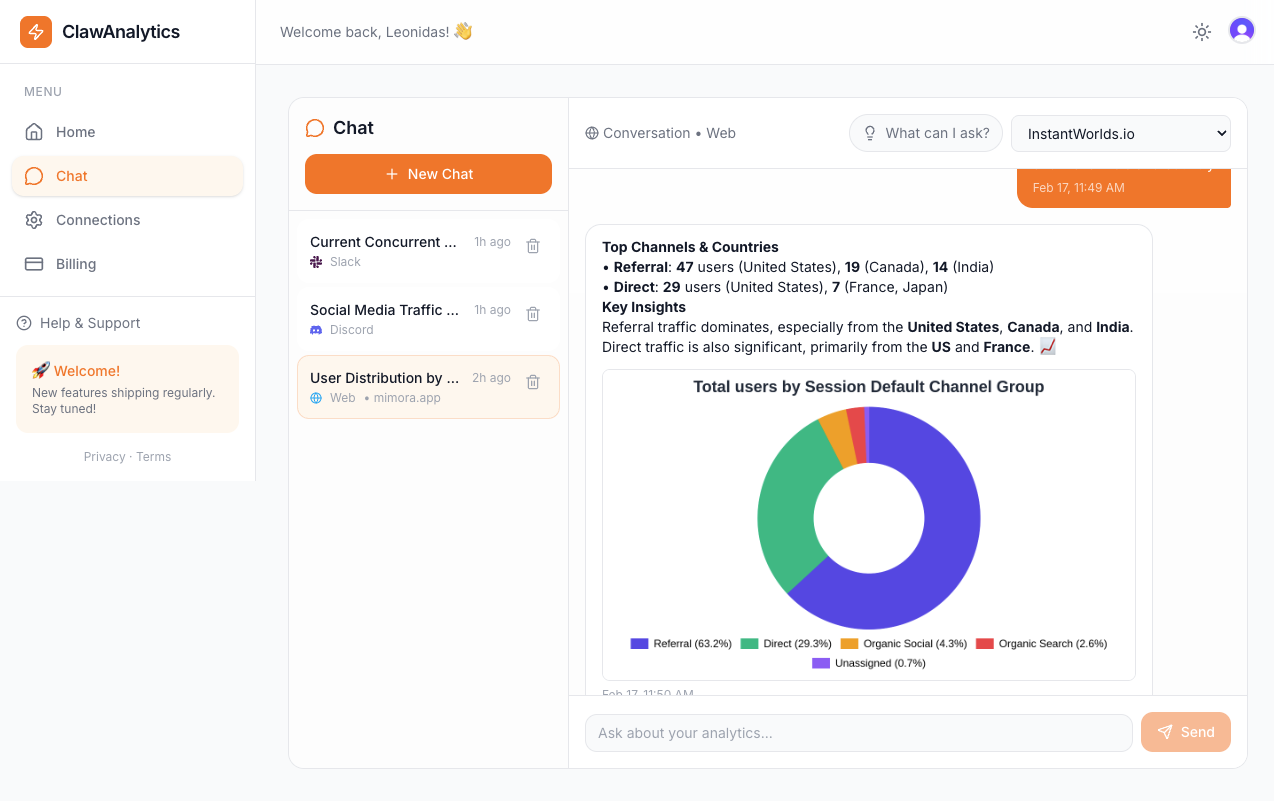
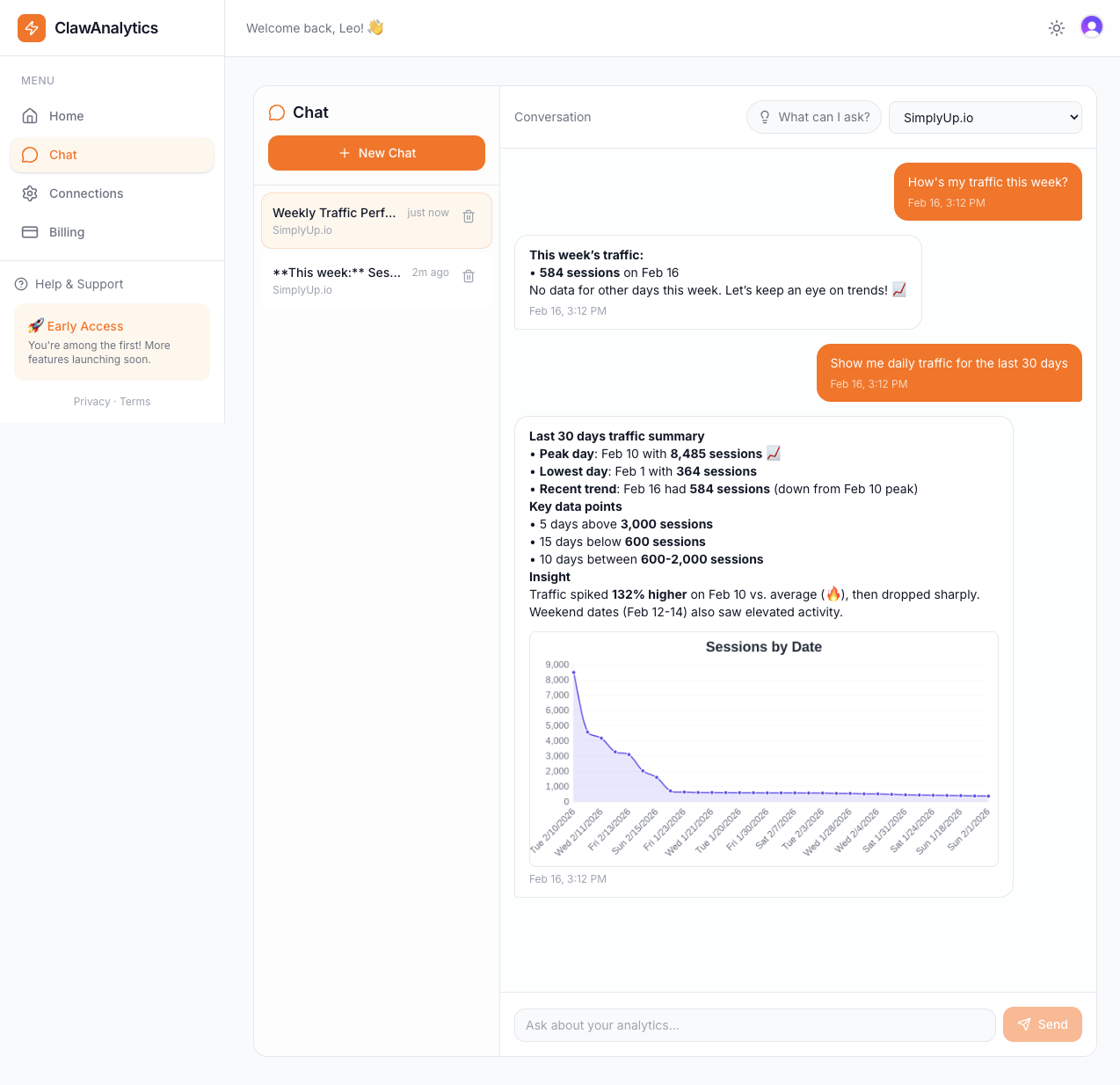
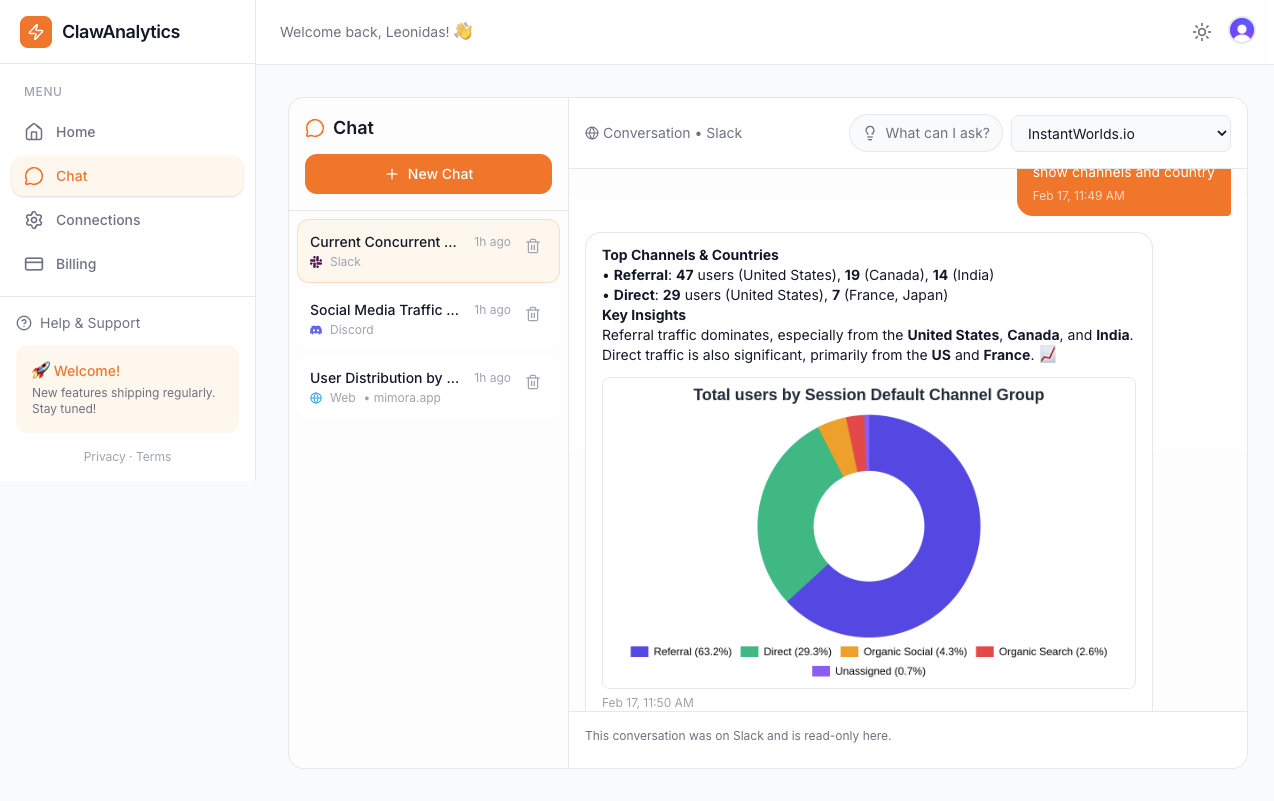
ClawAnalytics takes the pain out of this analysis. Instead of building custom reports, you just log in and see your returning user rate instantly. The dashboard highlights which channels bring users who actually stick around.
For example, you might discover that your Instagram ads bring plenty of new users but almost no returning users. Meanwhile, your blog readers have a 40% return rate. This tells you where to invest your next dollar.
ClawAnalytics also sends weekly alerts when your returning user rate drops. Imagine knowing in week one that your recent feature change caused a 15% drop in retention instead of discovering it three months later during a board meeting.
Common questions startup founders ask in ClawAnalytics include which marketing channel has the highest returning user rate, what percentage of users return within 7 days, and which acquisition source has the best retention.
Quick Wins
Implement onboarding sequences. The first session determines whether users return. Create a simple 3-step onboarding that highlights core value within 60 seconds.
Add email reminders. Not everyone remembers to come back. Set up automated emails triggered when users haven’t visited in 7 days. Offer value, not just sales pitches.
Create a content loop. Blog posts, updates, or new features give users reasons to return. Publish consistently so returning visitors find something new.
Personalize the experience. Show returning users their saved data, progress, or recommendations based on past behavior. This makes your product feel essential.
Build a community. Forums, Slack groups, or Discord servers create social reasons to return. Users come back for the connections, not just the product.