A wealth management firm in Austin was spending $15,000 monthly on Google Ads. Leads came in, but when they analyzed their organic traffic, something interesting emerged: their blog post on “401k vs IRA” brought visitors who converted at three times the rate of ad traffic. The content was free, the traffic was free, and these clients stayed longer.
This is the power of organic traffic in finance. When done right, it brings high-intent prospects who trust you because they found you through helpful content.
Why Organic Traffic Matters for Finance
Financial decisions are personal and high-stakes. People researching investments, retirement planning, or tax strategies want expertise they can trust. Organic search provides exactly that: a way to be found when someone is actively researching.
Finance clients do heavy research. The average consumer reads 11 pieces of content before making a financial decision. That content lives on your website, and organic traffic brings these researchers to it.
Credibility equals conversions. Ranking on the first page of Google acts as a stamp of approval. People assume top-ranked sites are trustworthy. This credibility is nearly impossible to buy but can be built through consistent organic growth.
Long-term compounding. Unlike paid campaigns that stop when you stop paying, organic traffic compounds. A well-written guide on tax-loss harvesting can generate traffic for years, continually feeding your pipeline.
How to Check in GA4
Setting up proper tracking in GA4 takes a few minutes but pays dividends.
Start by checking your Traffic Acquisition report. Filter for “Organic Search” to see total sessions from all search engines. Look at the default dimension: it shows you which sources drive traffic (Google, Bing, Yahoo, etc.).
To find which pages perform best, go to Reports > Pages and screens. Add a filter for Session default channel is “Organic Search”. Now sort by engagement time or conversions to see which pages actually matter.
Create a custom dimension for “Financial Topic” if you categorize your content. Tag blog posts by topic (retirement, taxes, investing). Then in GA4, you can see at a glance which topics drive the most qualified traffic.
The Easier Way
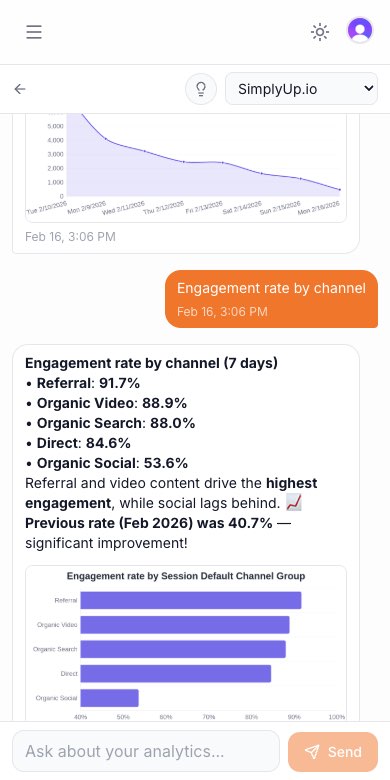
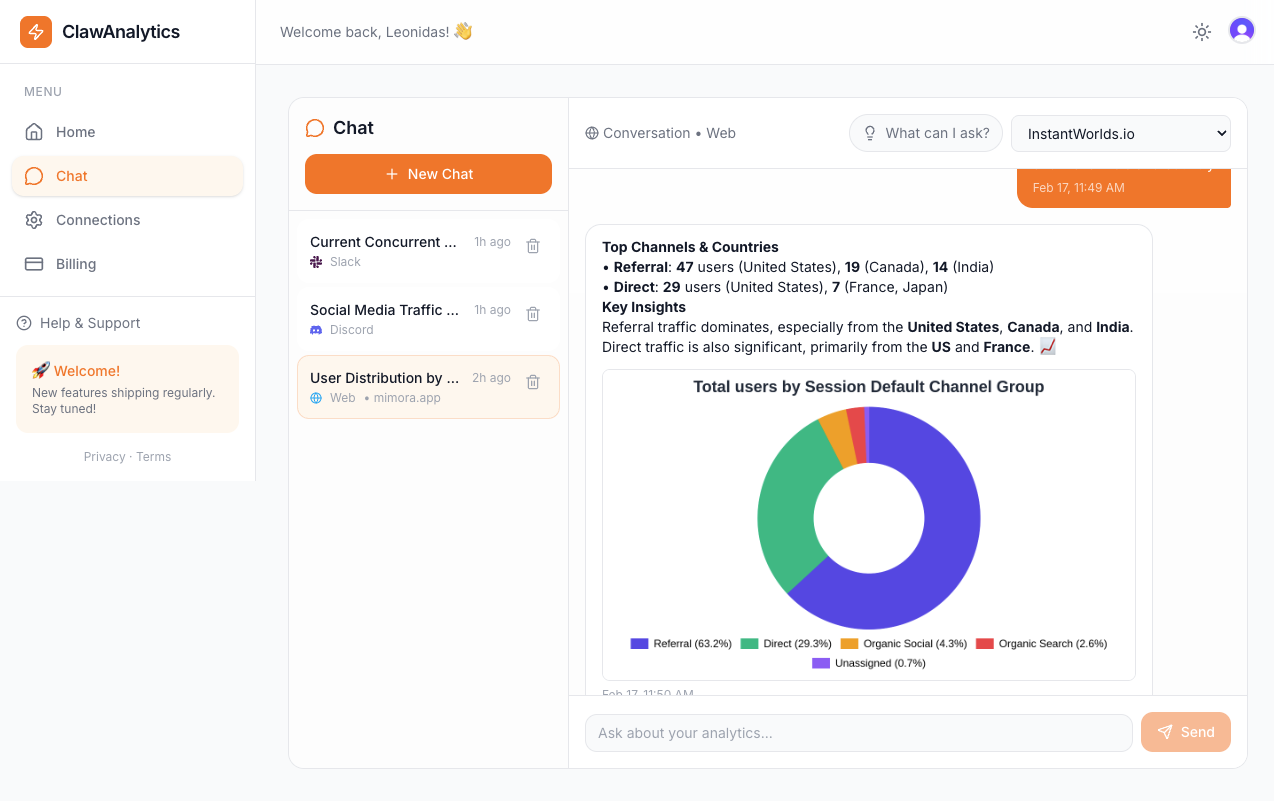
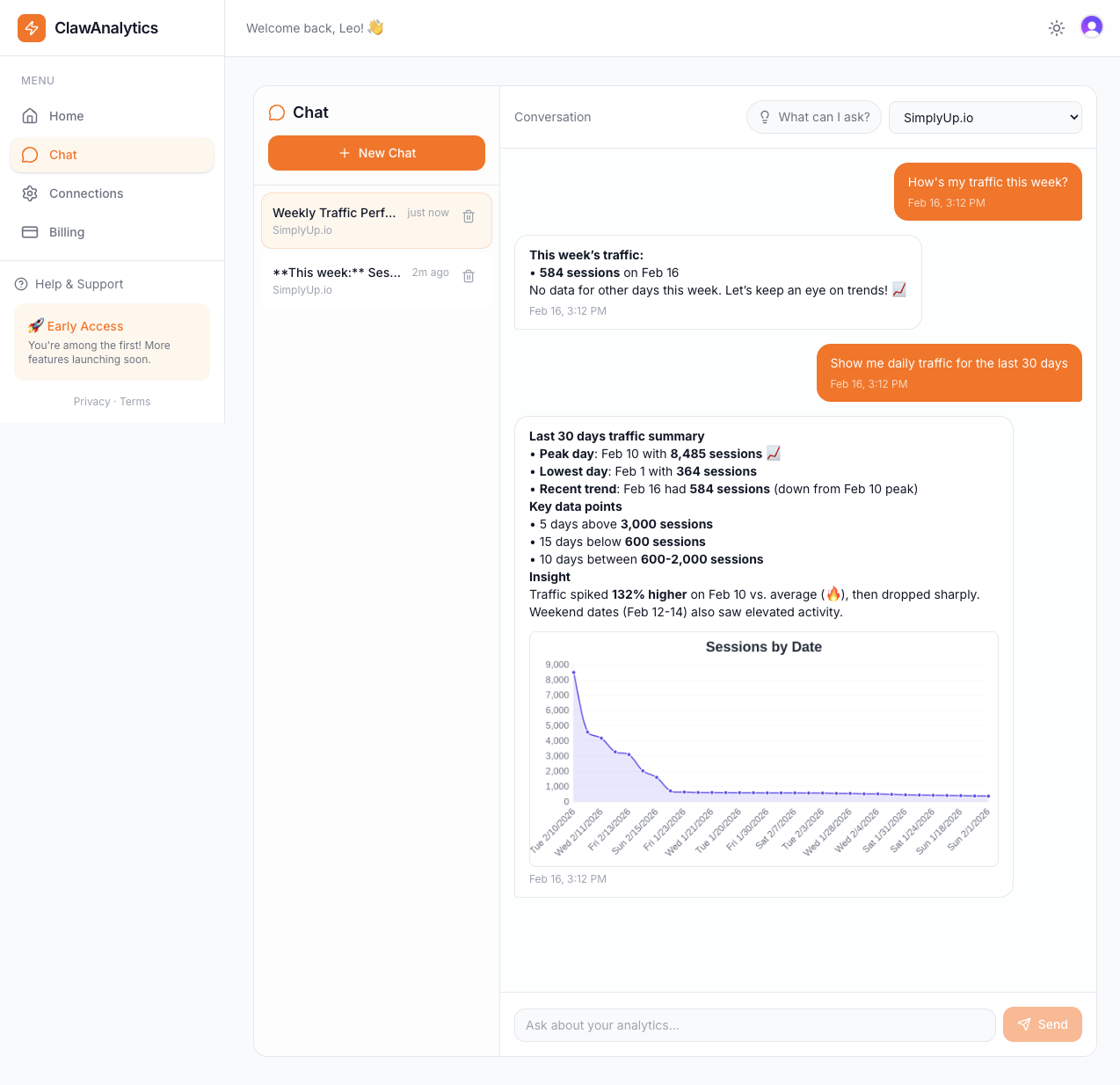
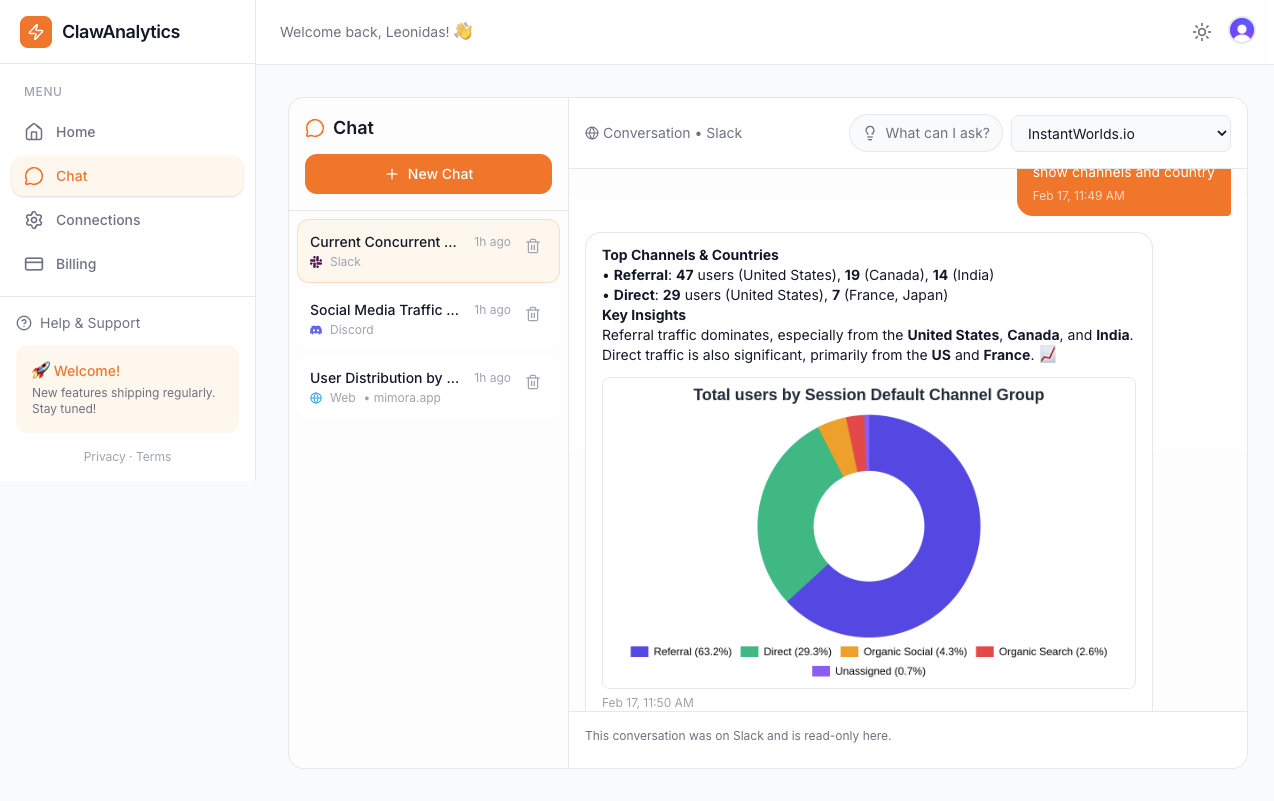
ClawAnalytics gives finance professionals a much simpler picture. Instead of wrestling with GA4’s complexity, you get dashboards that answer your real questions.
An independent financial advisor might ask: “Which of my educational articles brings actual clients?” ClawAnalytics shows that visitors who read “Retirement Planning for Teachers” book consultations 2.5x more often than other article readers.
Investment firms can discover that their “Market Outlook 2025” report drives sign-ups for their newsletter, while “How to Start Investing” brings younger visitors who eventually become clients.
The platform’s goal tracking means you know not just who visited, but who took meaningful action. A download of your “Retirement Checklist” might not convert immediately, but tracking it shows you which content builds relationships over time.
Quick Wins
Answer the questions your clients ask. Review your recent client intake forms. What questions did they ask before hiring you? Turn those into blog posts, guides, or FAQ sections.
Build topic clusters. Create a pillar page about “Retirement Planning” and link to 10+ supporting articles. This signals expertise to Google and helps all your pages rank better.
Optimize for local search. If you serve specific areas, create location-specific pages. “Financial Advisor in Seattle” can rank well locally with proper optimization and Google Business Profile completion.
Make content scannable. Finance topics are complex. Use headers, bullet points, and short paragraphs. Include calculators or checklists that add value beyond basic information.
Track what works, double down on winning topics, and watch your organic pipeline grow.