How to Improve Pages Per Session for Education
A parent researches private schools for their child. They land on your admissions page, read about curriculum, and leave. Weeks later, their child enrolls elsewhere. Now imagine they also explored your faculty page, viewed campus photos, read student testimonials, and downloaded a curriculum guide. Each interaction built familiarity and trust. When they finally called, they were already convinced. That’s pages per session driving enrollments in education.
Why Pages Per Session Matters for Education
Choosing a school or training program is a major decision. Parents and students need extensive information to feel confident. High pages per session means they’re doing their research thoroughly, not just checking one option off a list.
When prospective students explore multiple programs, they’re comparing offerings. They’re evaluating fit. The more they see, the more they understand what makes your institution unique.
For admissions teams, this metric shows which content matters most. If visitors read program pages but rarely view tuition information, maybe costs need clearer explanation. The data guides your content strategy.
How to Check in GA4
In GA4, use the Engagement reports to see Pages Per Session across different page types. Segment by prospective students versus current families. Prospective students typically explore more pages during research phases.
Compare pages per session between programs to see which attract more interest. This helps with resource allocation and marketing focus.
The Easier Way
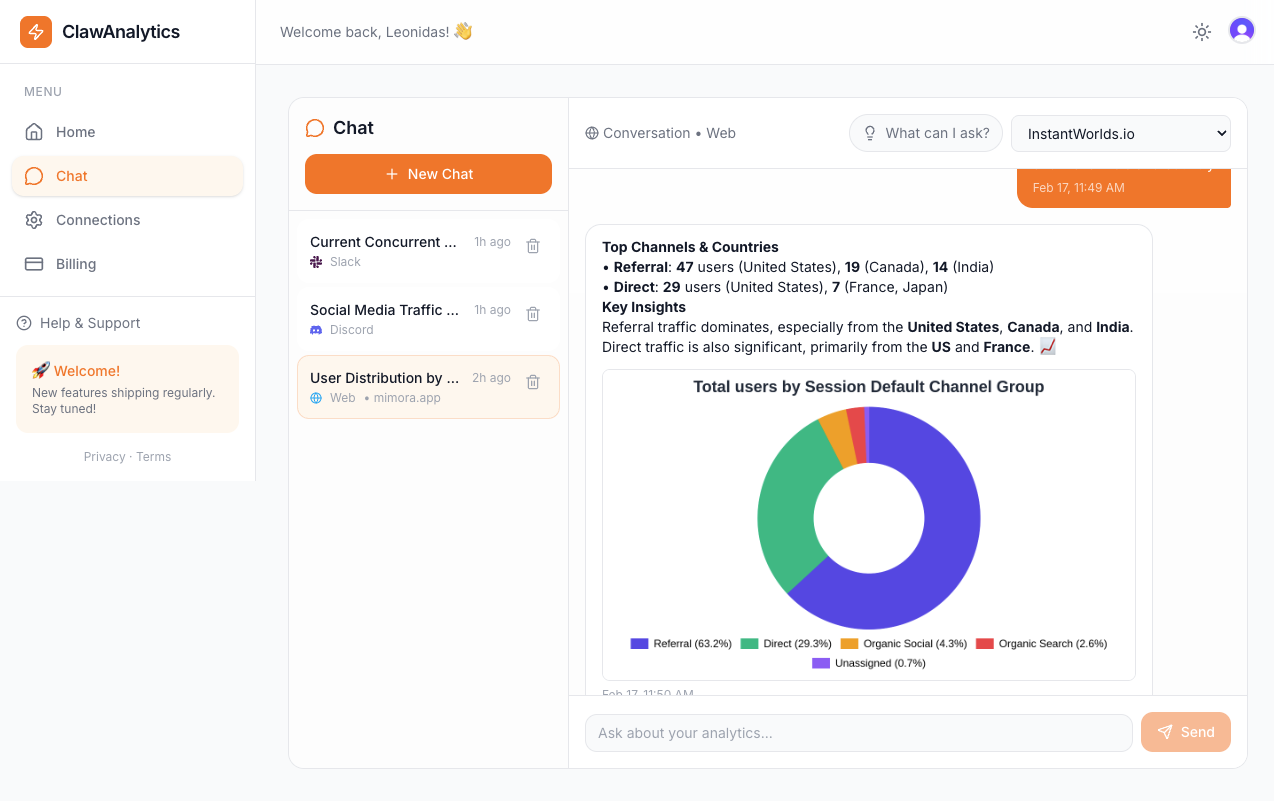
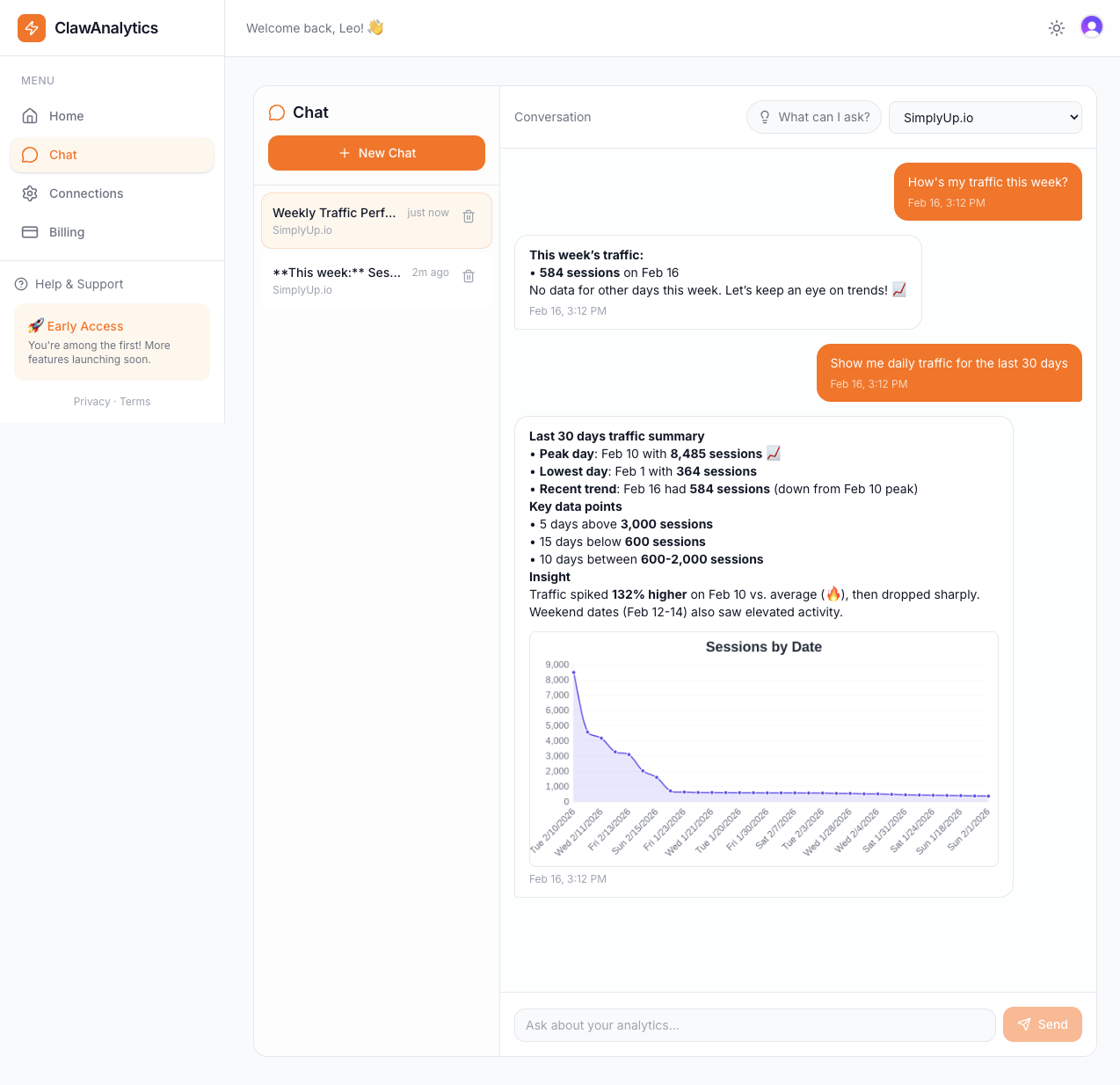
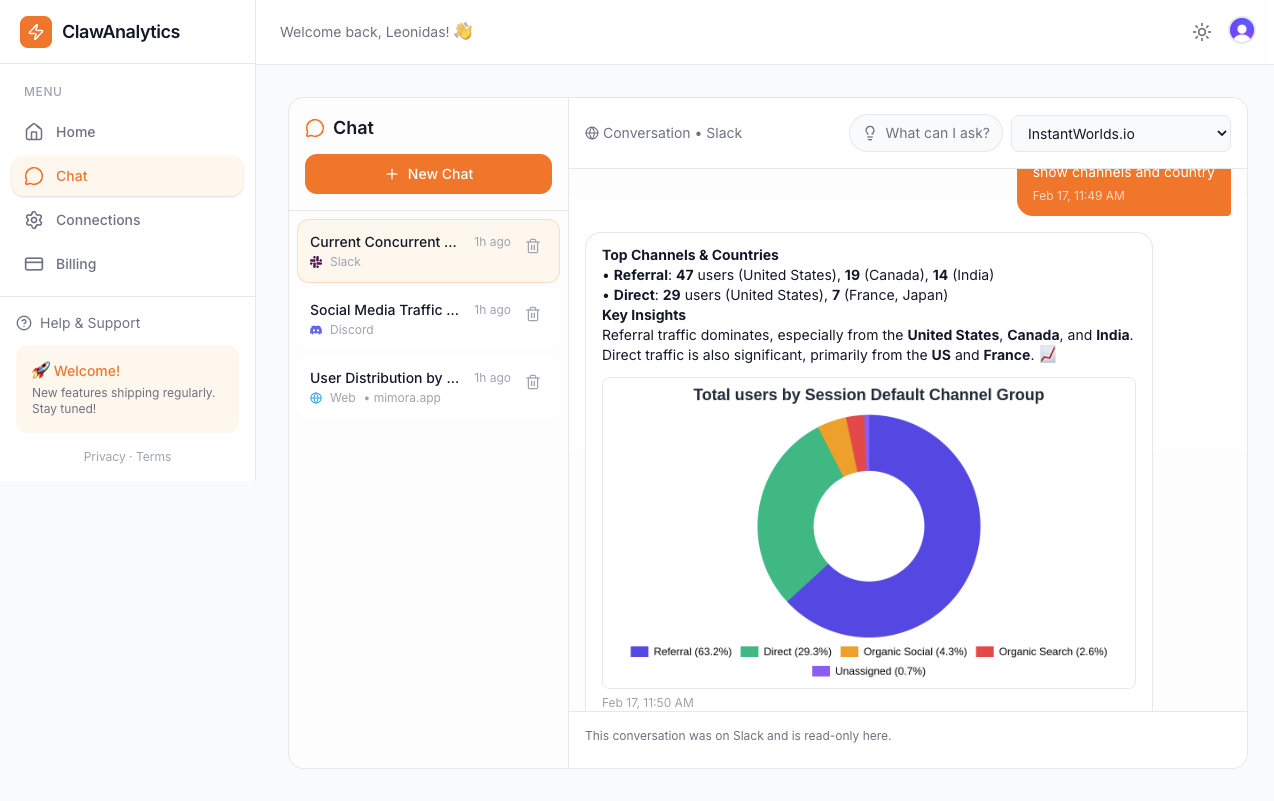
ClawAnalytics makes education analytics accessible. Instead of building complex GA4 reports, you get dashboards that show which programs prospective students explore most and where they lose interest.
For instance, ClawAnalytics might reveal that visitors who view financial aid pages are significantly more likely to apply. That insight helps prioritize scholarship content. The platform answers questions about content effectiveness automatically.
Quick Wins
First, create detailed program pages for each degree or course offering. Include curriculum, career outcomes, and faculty information.
Second, add faculty and staff profile pages. Parents and students want to know who will teach and support them.
Third, include virtual campus tour content. Even photos and videos of facilities give visitors a sense of place.
Fourth, publish student and alumni success stories. These demonstrate outcomes and provide inspiration.
Fifth, make application information easily accessible from every page. Reduce friction for visitors ready to take the next step.