You spent two weeks writing a detailed VPN comparison post. It ranks on page one. You’re getting 4,000 visitors a month. But your affiliate commissions are a fraction of what you expected based on the traffic.
Before you rework the entire article, check one thing: how far are readers actually scrolling?
In affiliate marketing, your links are only valuable when someone sees them. A long, well-researched review page where most readers leave at 40% is essentially giving away free traffic to your competitors.
Why Scroll Depth Matters for Affiliate Marketing
Your whole funnel depends on readers reaching monetized sections.
- Affiliate links cluster at the bottom. Most review articles structure the recommendation and “buy now” link near the end, after building credibility. That’s the right approach - but it means scroll depth directly controls your click-through rate.
- Long-form content is rewarded by Google, but readers have limits. A 3,000-word comparison article might rank well, but that doesn’t mean visitors read it all. Scroll depth shows you where they actually stop, which is often much earlier than you’d expect.
- Different traffic sources have different patience. Pinterest traffic behaves differently than Google search traffic. A reader from an informational query may scroll deeply; a social media visitor may bounce at the intro. Segment-level scroll data shows you where to put energy.
- It helps you prioritize which articles to improve. You might have 50 articles. Scroll depth quickly surfaces the pages that are losing the most potential revenue at specific points.
How to Check in GA4
GA4’s default scroll event only triggers at 90%, which isn’t useful if your links are at 60%.
Here’s how to get granular data:
- Go to GA4 > Configure > Events and confirm scroll tracking is active
- Open Explore > Free Form report
- Add
Page Pathas a dimension row andScroll Depthas a second dimension - Filter to your affiliate review and comparison pages
- Look for the gap between where your main CTAs sit and how many users actually get there
The goal is to find pages where there is a large drop-off before your primary affiliate links appear. Those are your highest-priority optimization targets.
The Easier Way
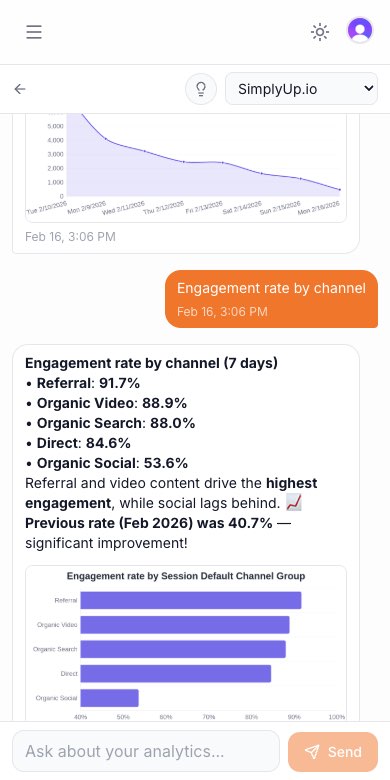
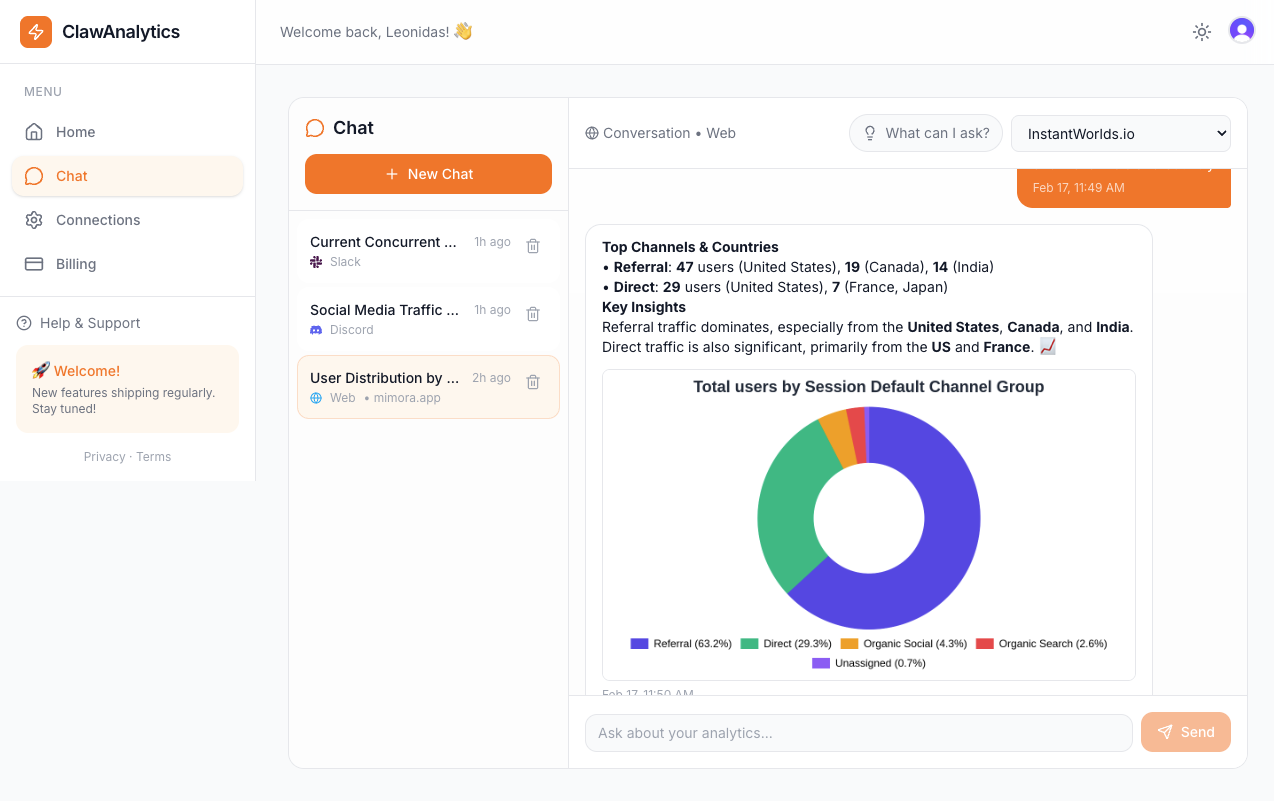
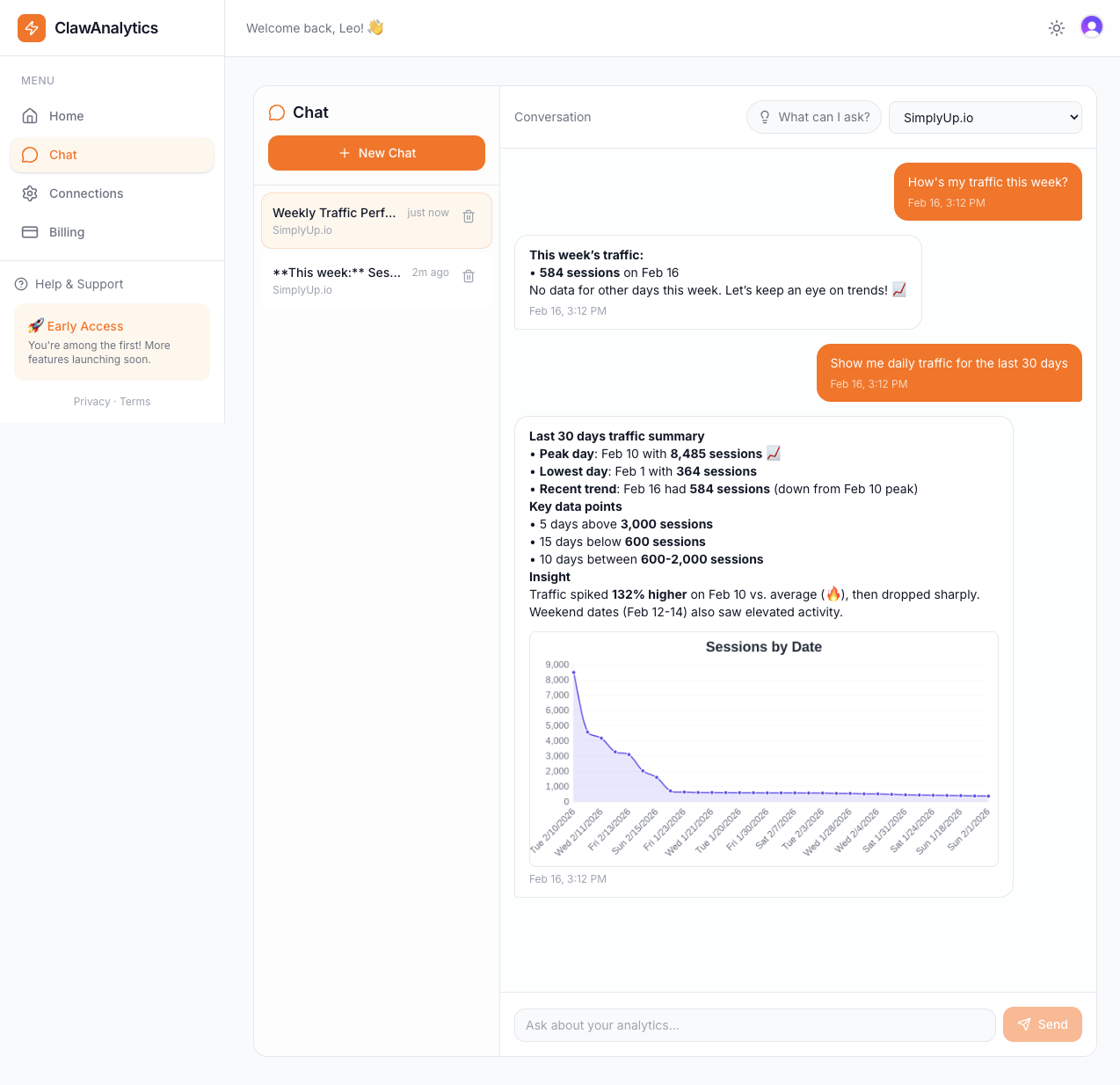
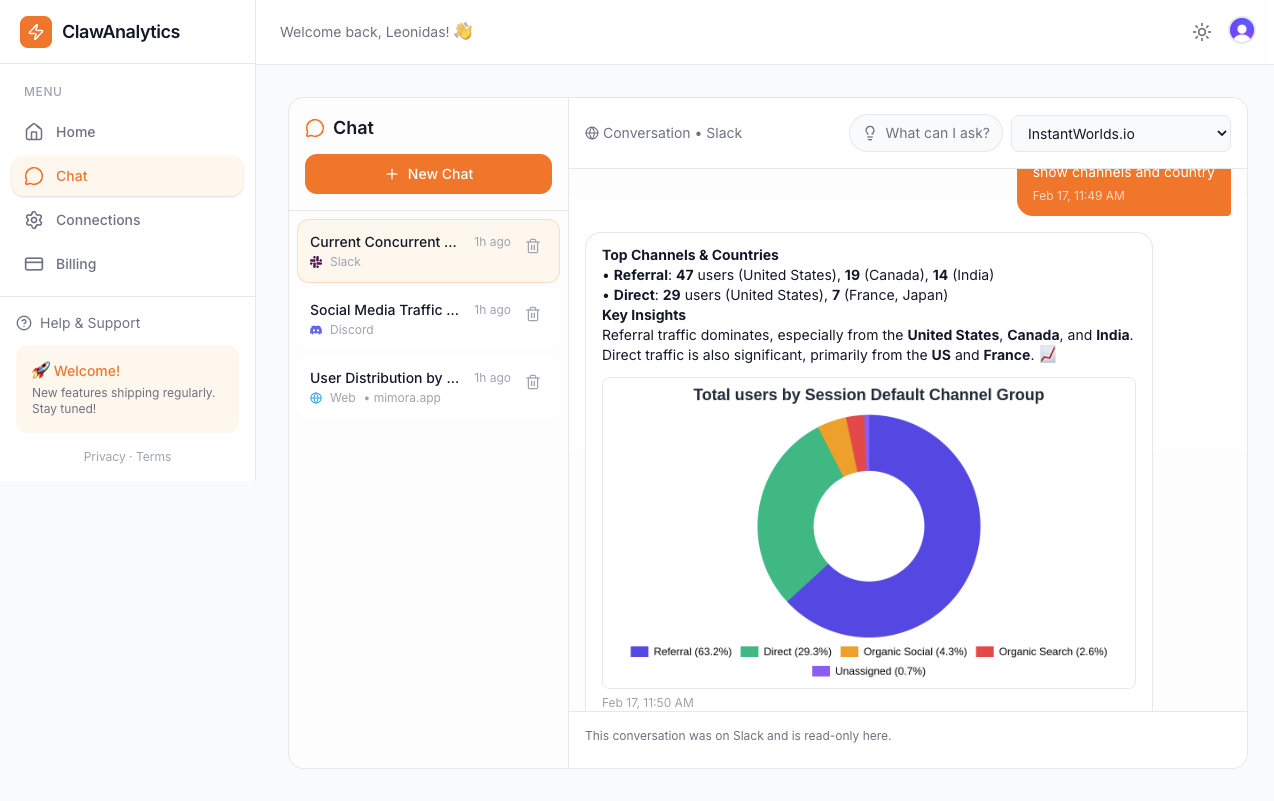
GA4’s exploration interface requires a lot of setup every time you want to look at a different page or segment. Our tool connects directly to your GA4 data and lets you ask questions conversationally.
Questions affiliate marketers typically ask:
- “Which of my review pages has the worst scroll depth from organic traffic?”
- “Do readers from email newsletters scroll further than search visitors on my comparison articles?”
- “What percentage of mobile visitors reach the 75% mark on my top-earning page?”
Instead of rebuilding reports, you get answers and move on to the actual work of improving the content.
Quick Wins
Once you know which pages are bleeding readers, these changes have the biggest impact:
- Add a comparison table near the top. Readers looking for a quick recommendation often leave when they don’t get one fast enough. A summary table with your top picks and links early in the article captures the impatient segment.
- Use a sticky table of contents. A floating sidebar or anchor-linked TOC keeps readers oriented and makes it easy to jump to sections they care about. This often improves both time-on-page and scroll depth.
- Break up walls of text. Dense paragraphs cause readers to skim and bounce. Short paragraphs, subheadings every 200-300 words, and bullet lists pull people down the page.
- Front-load your top recommendation. You don’t have to make them read everything to earn the click. A “our top pick” callout box near the start of the article lets you capture readers at multiple scroll depths.
- Shorten the intro. Long introductions delay the value. Cut the wind-up and get to the substance within the first 150 words.
Better scroll depth on your affiliate pages means more readers reaching your links - and more commissions without needing more traffic.