You published a long-form guide that took 12 hours to write. It got picked up on Reddit, sent a flood of traffic, and… your newsletter gained 3 new subscribers. The post has a 92% bounce rate.
Before you spiral, check your scroll depth data. There’s a good chance most of those Reddit visitors landed, skimmed the first paragraph, and left. Your best content - the part that would have made them subscribe - was never seen.
Why Scroll Depth Matters for Content Creators
As a creator, your content is your product. Scroll depth measures whether people are actually consuming it.
- Newsletter signups depend on readers reaching the CTA. Whether your signup form is inline, at the bottom, or triggered by scroll, people who leave early never encounter it. Scroll depth is often the missing link between traffic spikes and flat subscriber growth.
- Sponsorship value is tied to real engagement. If you pitch brands on your audience size, but your average scroll depth is 30%, that’s a much less engaged audience than it appears. Improving scroll depth strengthens your media kit numbers.
- SEO rewards genuine engagement. While Google doesn’t directly measure scroll depth, the behavioral signals it captures - time on page, pogo-sticking - are influenced by whether readers stay and engage. Posts with better scroll depth tend to hold rankings better.
- It tells you what formats work. If listicles get 75% average scroll depth and essay-style posts get 35%, that’s a clear editorial signal - not a matter of opinion.
How to Check in GA4
- Go to GA4 > Reports > Engagement > Pages and Screens
- Check
Average Engagement Timeas a proxy - but pair it with scroll data in Explore - Open Explore > Free Form and add
Page PathandScroll Depthas dimensions - Set a date range that covers your recent posts
- Sort by pages with the highest traffic but lowest scroll depth - those are your biggest opportunities
Pay attention to whether mobile or desktop readers scroll further on your content. Creators often find mobile readers are more engaged than expected, or the opposite.
The Easier Way
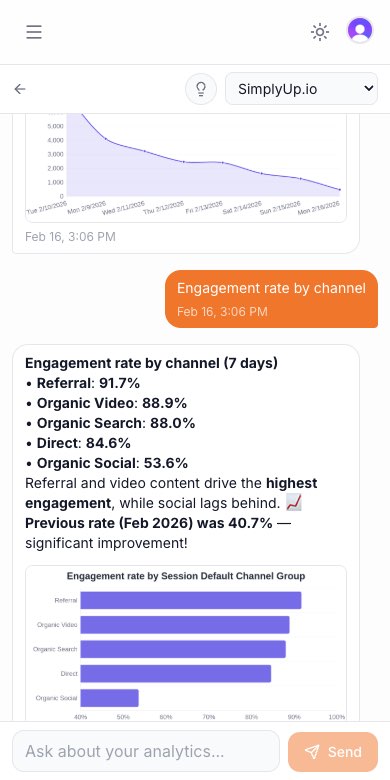
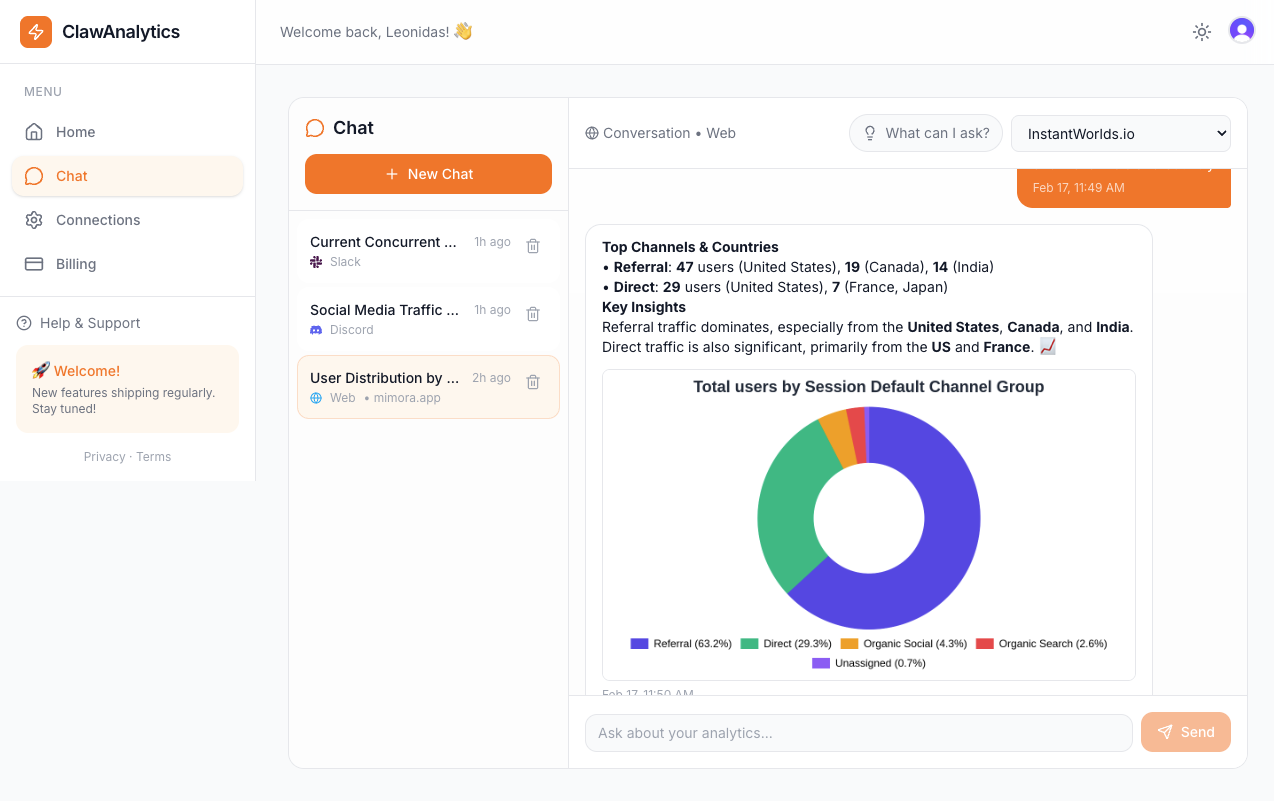
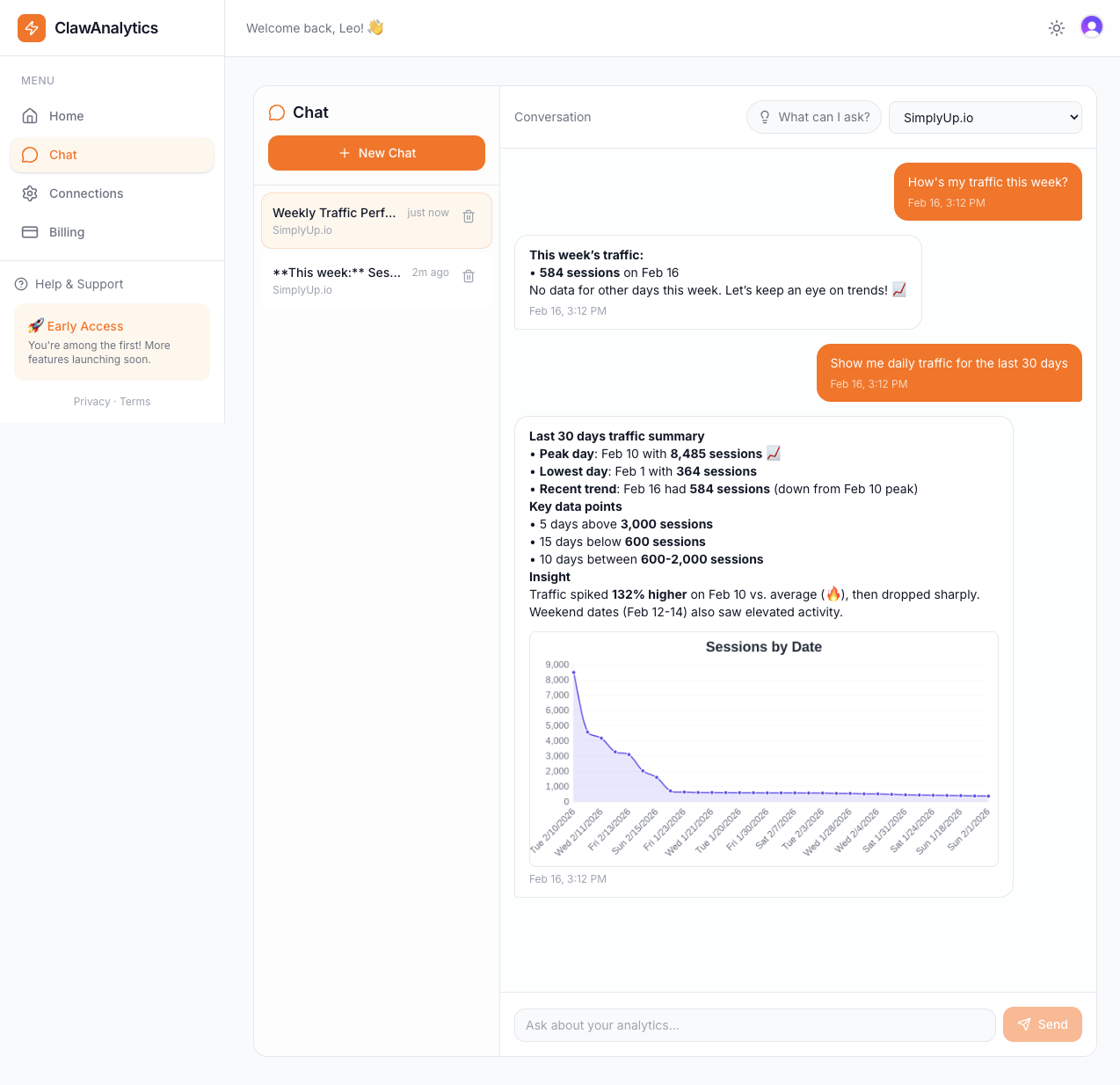
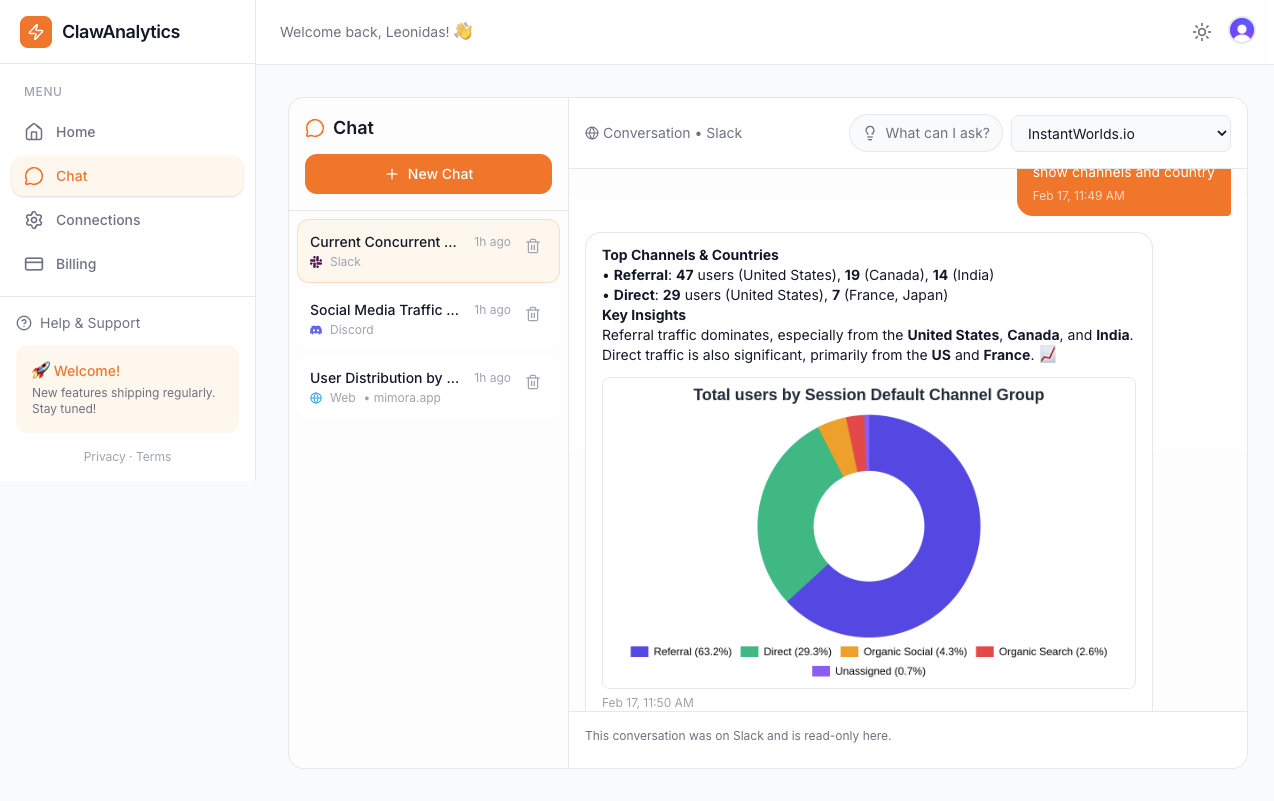
For most creators, opening GA4 and rebuilding an exploration report every time you publish something new is friction enough to just not bother. ClawAnalytics removes that friction.
You can ask things like:
- “Which of my blog posts from the last 3 months has the lowest scroll depth?”
- “Do readers from my email list scroll further than readers from Google?”
- “What percentage of mobile visitors reach the 50% scroll mark on my long-form posts?”
The answers come back in plain language. No filters to configure, no dimensions to drag and drop. You check the data, note the insight, and move on.
Quick Wins
If your scroll depth data is lower than you’d like, these changes tend to have the most impact:
- Restructure your intro. Most readers decide whether to keep reading in the first 100 words. Get to the point faster. State what the reader will get out of the post, then deliver it.
- Use a table of contents for long posts. Anchor links at the top of a long article let readers jump to what they care about. Counterintuitively, this often increases overall scroll depth because readers feel in control.
- Add images and visual breaks every 300-400 words. Unbroken text makes long scrolls feel daunting. Visual rhythm keeps readers moving.
- Move your newsletter CTA higher. Test a signup form after the intro or after the first major section. Don’t make readers earn it by reading everything first.
- End sections with a hook into the next. A one-line transition that hints at what’s coming next (“The reason most creators get this wrong is simpler than you think”) keeps people scrolling.
Scroll depth is feedback your readers are already giving you. They’re just not saying it out loud.