You found a winning product. You set up the page, ran some Facebook ads, and got solid traffic. But sales are flat. You check your analytics and see a 3% conversion rate when competitors report 6-8%.
The difference is often what happens between the first scroll and the add-to-cart button.
Dropshipping product pages are long by design - you need images, descriptions, social proof, FAQs, and a guarantee to overcome the trust gap that comes with buying from an unknown store. But if visitors aren’t scrolling through that content, none of it matters.
Why Scroll Depth Matters for Dropshipping
Product pages pack in a lot of conversion content - most of it below the fold.
- Reviews make or break dropshipping sales. Customers buying from a brand they’ve never heard of need social proof badly. If your review section is at the 70% mark and most visitors leave at 40%, you’re not getting credit for your 4.8-star rating.
- Traffic sources behave differently. TikTok traffic scrolls differently than Google Shopping traffic. Understanding scroll depth by source helps you optimize the page for each audience.
- Mobile dominates dropshipping. Most dropshipping ads run on mobile platforms. On mobile, a product page can be 3-4x longer than on desktop. Scroll depth on mobile is often much worse - and much more important to fix.
- You’re testing products constantly. Knowing scroll depth per product page tells you whether a product is failing because of the offer or the page layout. That’s a critical distinction when you’re deciding whether to kill or scale.
How to Check in GA4
GA4 captures scroll events, but you’ll want more granularity than the default 90% threshold.
- In GA4, go to Configure > Events and confirm scroll events are enabled
- Navigate to Explore and create a Free Form report
- Add
Page Pathas a row dimension andScroll Depthas a second dimension - Filter to your top product pages using the page path filter
- Set the date range to match your last ad campaign window
Look for pages where most users stop before reaching 50%. Then check whether your reviews, guarantee badge, or main CTA are below that threshold.
The Easier Way
Building segment-by-segment reports in GA4 gets tedious fast, especially if you’re running multiple products at once.
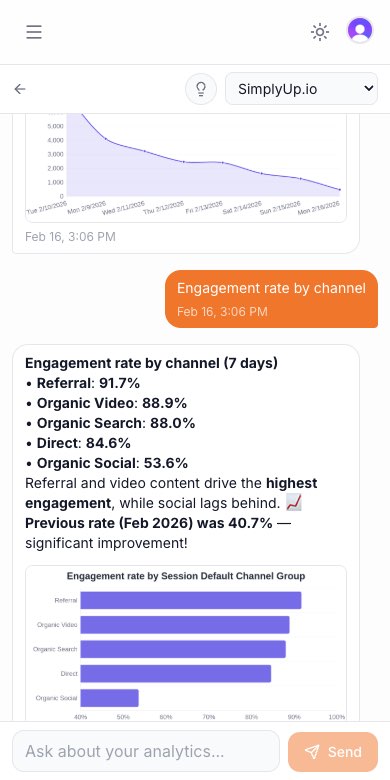
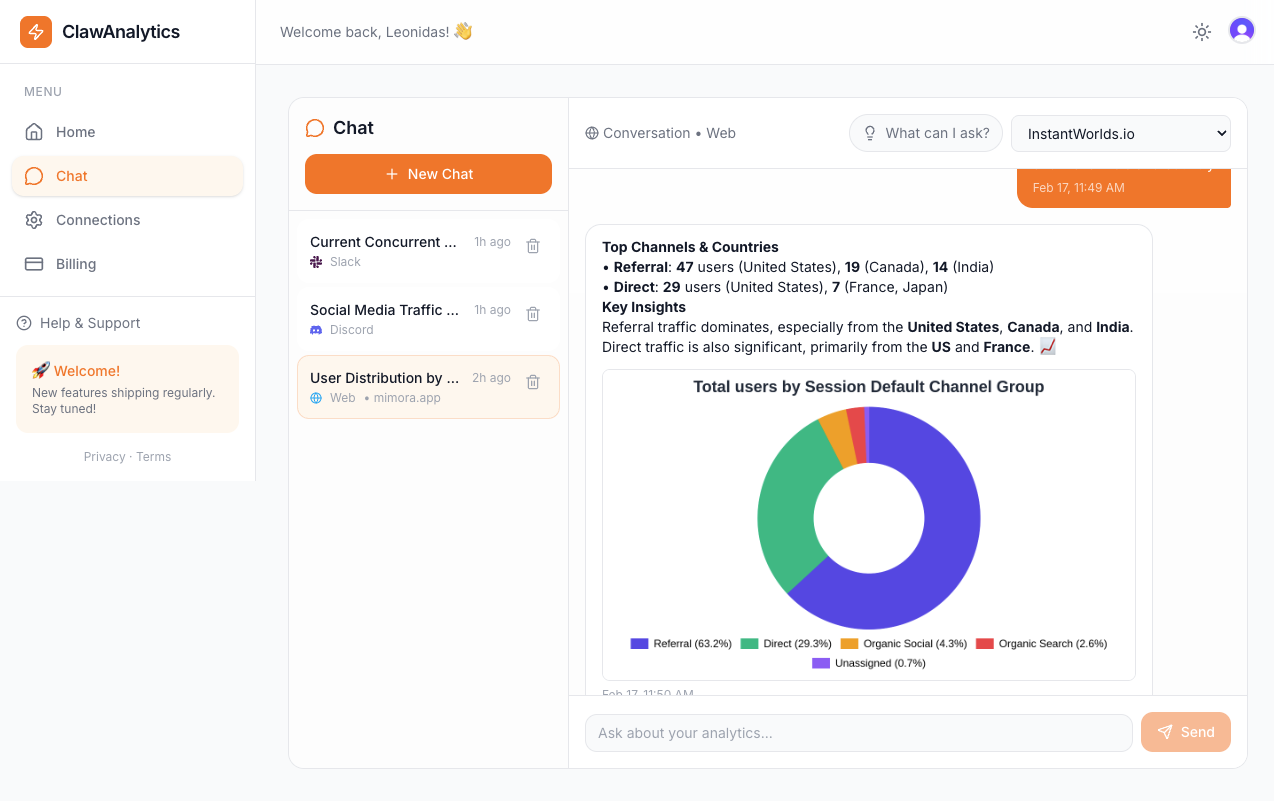
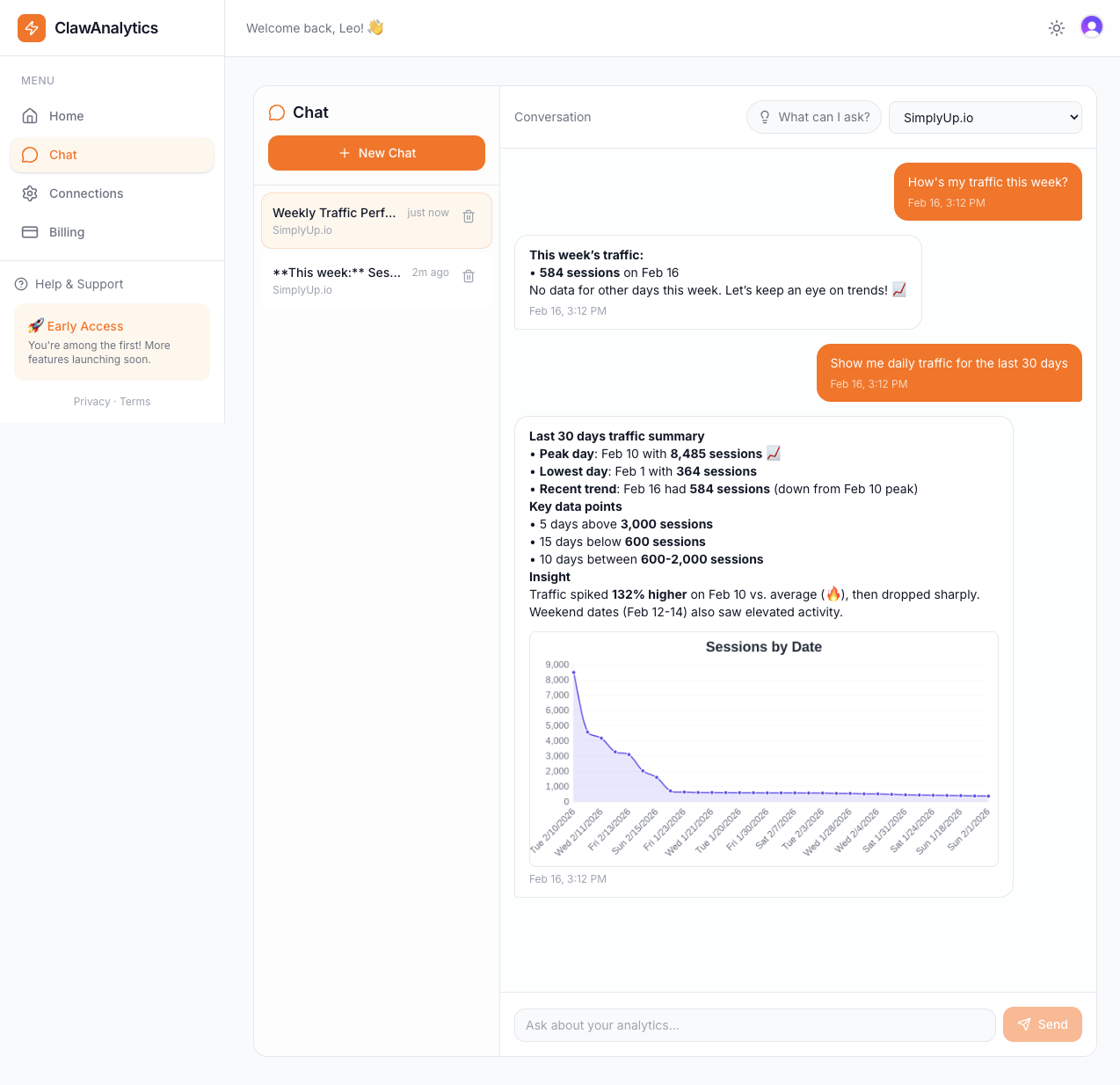
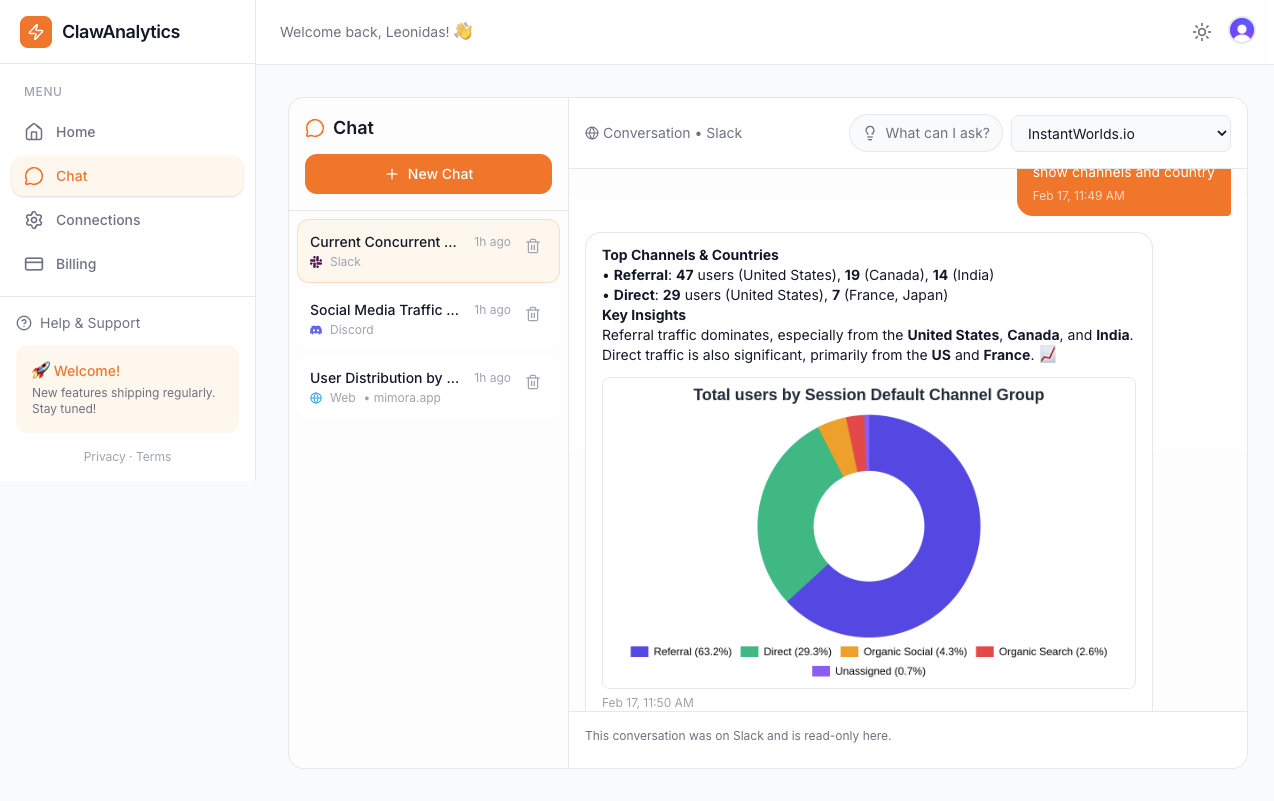
This analytics platform connects to your GA4 and lets you ask things like:
- “Which product pages have the worst scroll depth on mobile?”
- “How far do users from Instagram ads scroll on the [product] page?”
- “What percentage of visitors reach the review section on my best-selling product?”
You get answers in plain language instead of spending 20 minutes in Explore trying to set up the right filters.
Quick Wins
Once you know where visitors are dropping off, these fixes move fast:
- Move reviews above the fold. A star rating summary with review count near the top of the page builds trust early. Don’t make people scroll to find out others love the product.
- Add anchor links. Let users jump to Reviews, FAQ, or Shipping Info without scrolling through everything. It keeps engagement up even when people don’t read linearly.
- Break the page into scannable sections. Use bold headers, icon-based benefit bullets, and product images as visual anchors to pull people down the page.
- Put a sticky Add to Cart button on mobile. Visitors who scroll but don’t buy are often looking for a convenient moment to click. Make the button follow them.
- Test a shorter page. If your page is very long and scroll depth is terrible, cut sections that aren’t pulling their weight. Trim to your strongest content first.
Scroll depth turns vague conversion rate anxiety into a specific layout problem you can actually fix.