A freelance designer sends a proposal to a new lead. The potential client says they checked out the website but weren’t sure about fit. The designer assumes it’s a budget issue - but the real problem might be simpler.
That client probably landed on the homepage, saw a generic headline, scrolled to about 30%, and left before reaching the case studies that would have made them click “contact.”
Scroll depth is often the gap between a freelancer website that generates inquiries and one that just exists.
Why Scroll Depth Matters for Freelancers
Your site has one job: turn a curious visitor into someone who sends an email or fills out a form.
- Your work samples are your best sales tool - and they’re usually buried. Most freelancer portfolios show project thumbnails or case study links below the fold. If visitors don’t scroll, they never see why you’re worth hiring.
- Services and rates need to be seen. Potential clients often leave sites that don’t communicate pricing signals quickly. If your rates or service descriptions are low on the page, low scroll depth means you’re losing people before they understand your offer.
- You’re competing on trust, not brand recognition. Unlike agencies, freelancers rely heavily on personal credibility. Your about section, client logos, and testimonials build that trust - but only if visitors reach them.
- Low inquiry volume is often a layout problem, not a traffic problem. Before spending on ads or SEO, check whether your existing traffic is actually engaging with your page. Fixing scroll depth can increase inquiries without a single new visitor.
How to Check in GA4
- Open GA4 > Explore > Free Form
- Add
Page Pathas a row andScroll Depthas a breakdown dimension - Filter to your key pages: homepage, services page, portfolio/case studies, contact page
- Look at what percentage of sessions reach 50%, 75%, and 90%
The most useful comparison is between your contact page and your services page. If most visitors to your services page leave before 50%, they may not have gotten enough information to know whether to contact you at all.
Also check mobile vs. desktop separately. Freelancers often have long, image-heavy portfolio pages that are painful to scroll through on mobile.
The Easier Way
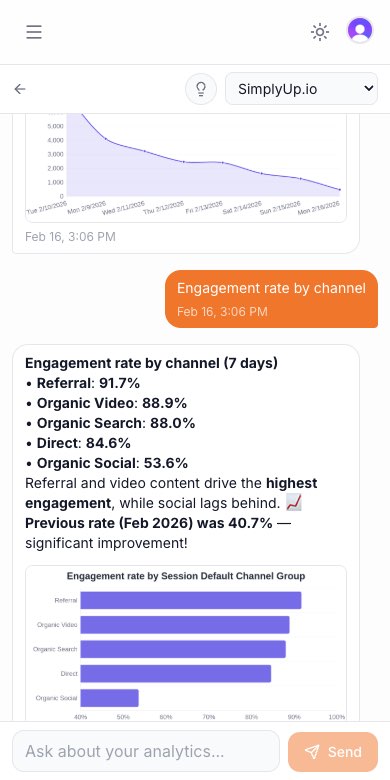
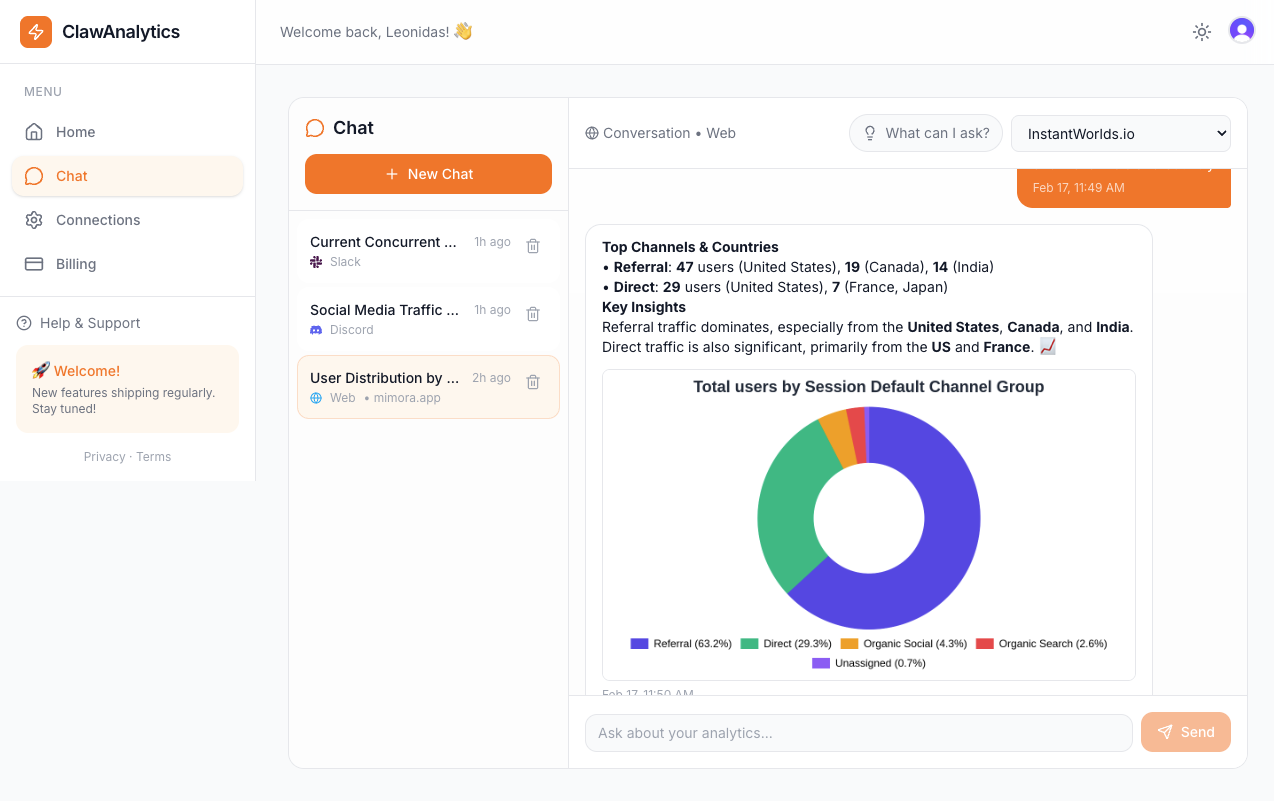
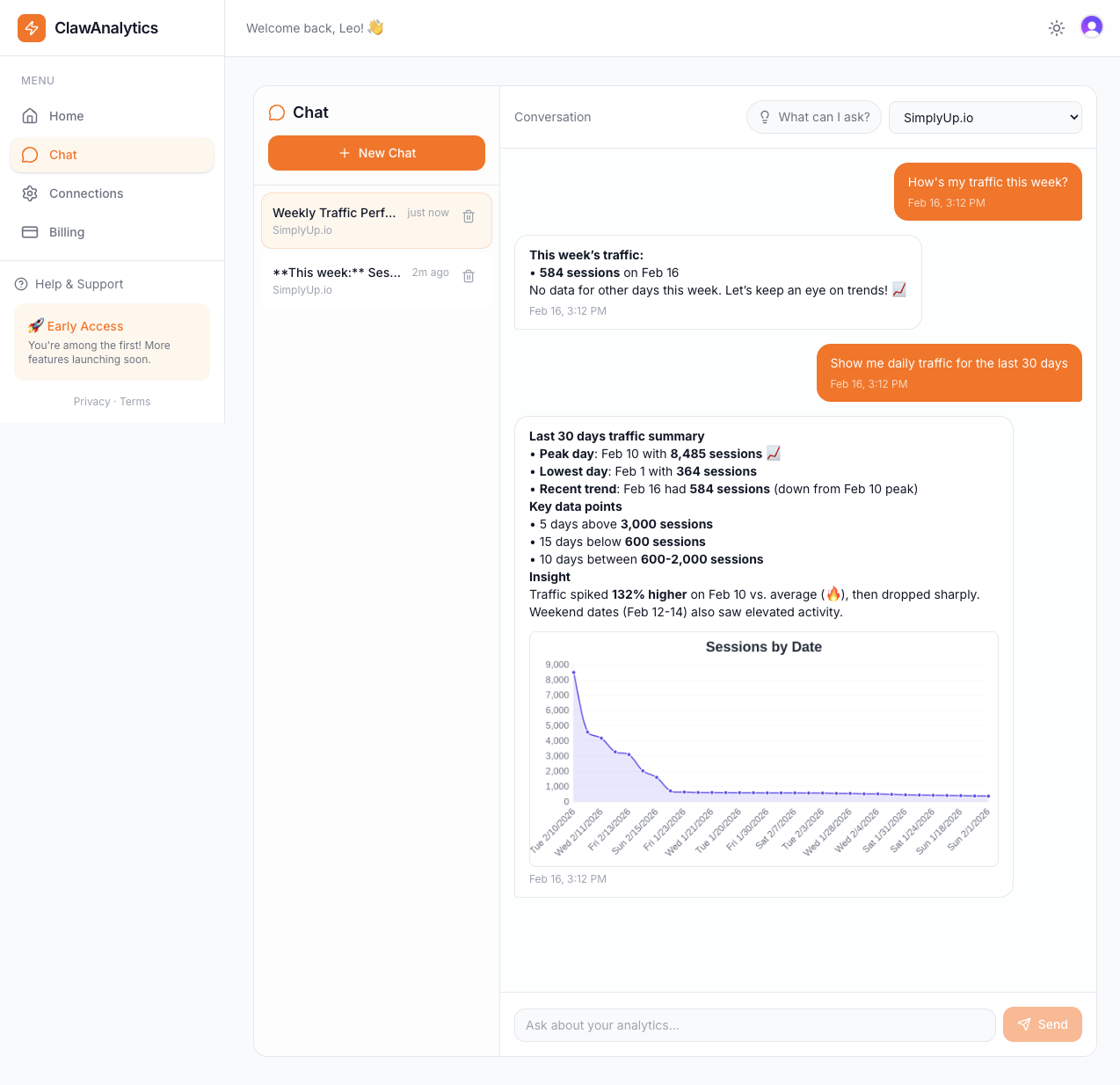
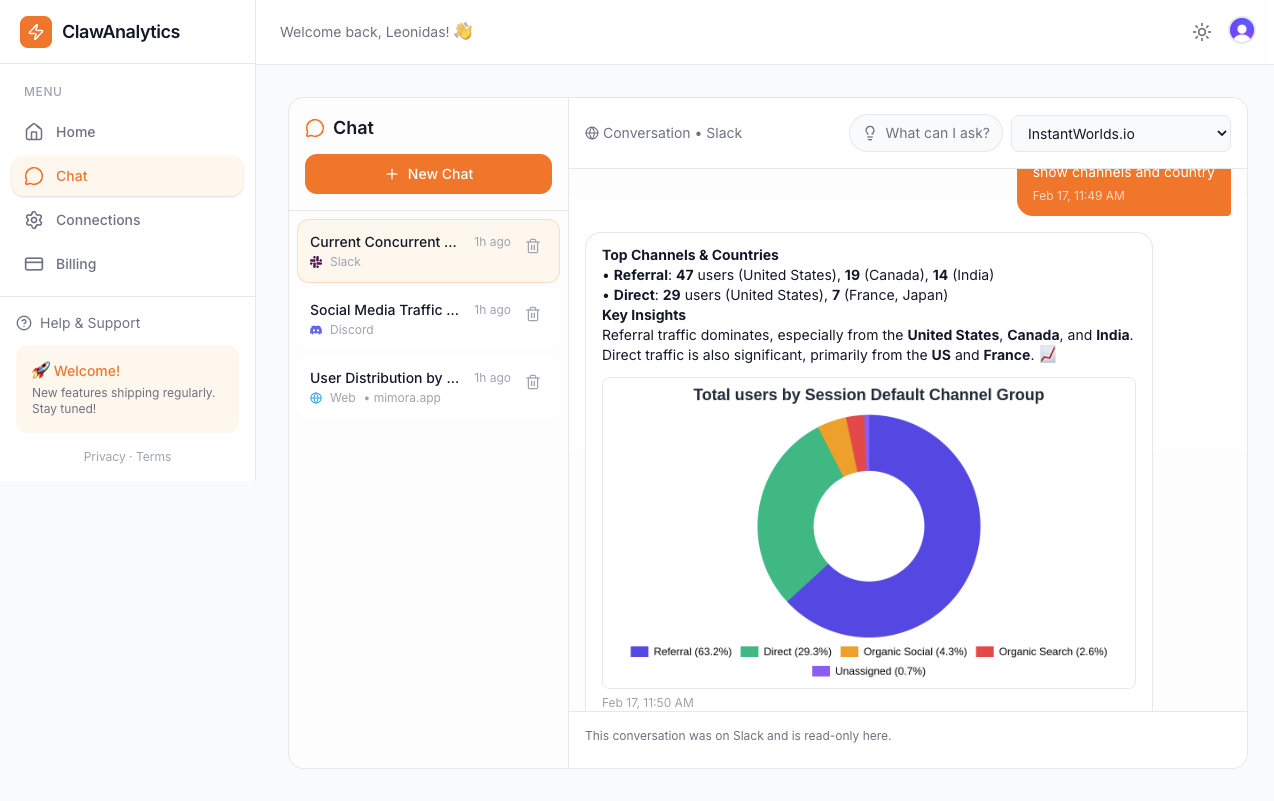
GA4’s interface takes time to learn and even more time to use for quick checks. This analytics tool connects to your GA4 data and lets you ask direct questions without building reports from scratch.
For a freelancer, that looks like:
- “Which page on my site has the lowest average scroll depth?”
- “How far do visitors scroll on my services page on mobile?”
- “What percentage of visitors reach the contact form section on my homepage?”
You get the answer in seconds, check the insight, and then decide what to adjust. No extra setup required.
Quick Wins
Once you know where visitors are dropping off, here are the most effective fixes for freelancer sites:
- Lead with your strongest work. Don’t save your best case study for the end. Put your most impressive project right at the top of your portfolio section, above the fold if possible.
- Add a summary CTA early. If someone is sold on your services within 30 seconds, give them a way to reach out without scrolling further. A short “interested? Let’s talk” link near the top works well alongside a more detailed pitch below.
- Shorten your homepage. Freelancer homepages often try to say too much. A tighter page with fewer sections and clearer hierarchy gets visitors to the bottom faster.
- Use a sticky navigation with “Contact” visible. Even if visitors don’t read everything, a persistent contact link gives them a low-friction path to reaching out at any point in their scroll.
- Put testimonials near the top, not the bottom. Social proof is most valuable when it catches a skeptical visitor early - not when it appears after they’ve already decided to leave.
Every additional percentage of visitors who reach your contact section is a potential client you almost missed.