How to Improve Scroll Depth for Healthcare
Patients go online for symptoms, doctor reviews, and appointment booking. If your healthcare website loses them mid-scroll, they’re booking elsewhere.
Why Scroll Depth Matters for Healthcare
Healthcare decisions are personal and urgent. Users need to find trust signals, service details, and booking options quickly.
Key reasons to care:
- Trust building — Credentials, patient testimonials, and accreditations often sit at the bottom. Low scroll depth means patients never see why they should choose your facility.
- Service discovery — Your hospital offers dozens of services. Scroll depth shows which ones users actually find.
- Appointment conversion — Online scheduling tools only work if patients reach them. Bounce rates before booking forms directly impact revenue.
- Insurance and billing clarity — Cost concerns stop people from scrolling. Tracking depth helps you place financial information where it’s actually seen.
How to Check in GA4
- Go to Reports > Engagement > Events in GA4
- Filter for scroll events
- Set a segment for “Healthcare” related pages (
/services,/doctors,/specialties) - Compare scroll depth for pages with high bounce rates vs engaged sessions
- Look at the
percent_scrolledparameter to find your 75% drop-off point
Pages where fewer than 35% reach 75% scroll need immediate attention.
The Easier Way
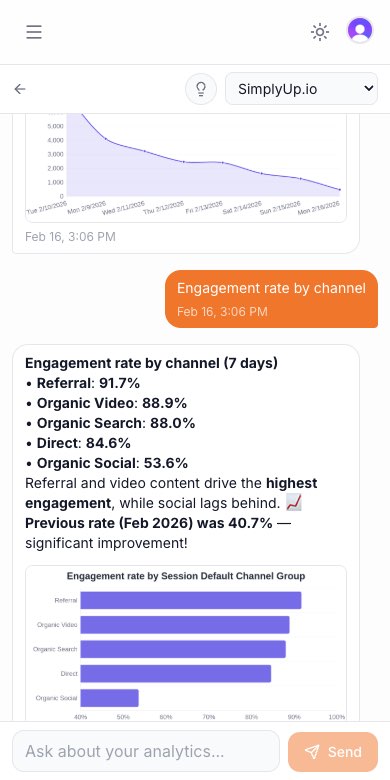
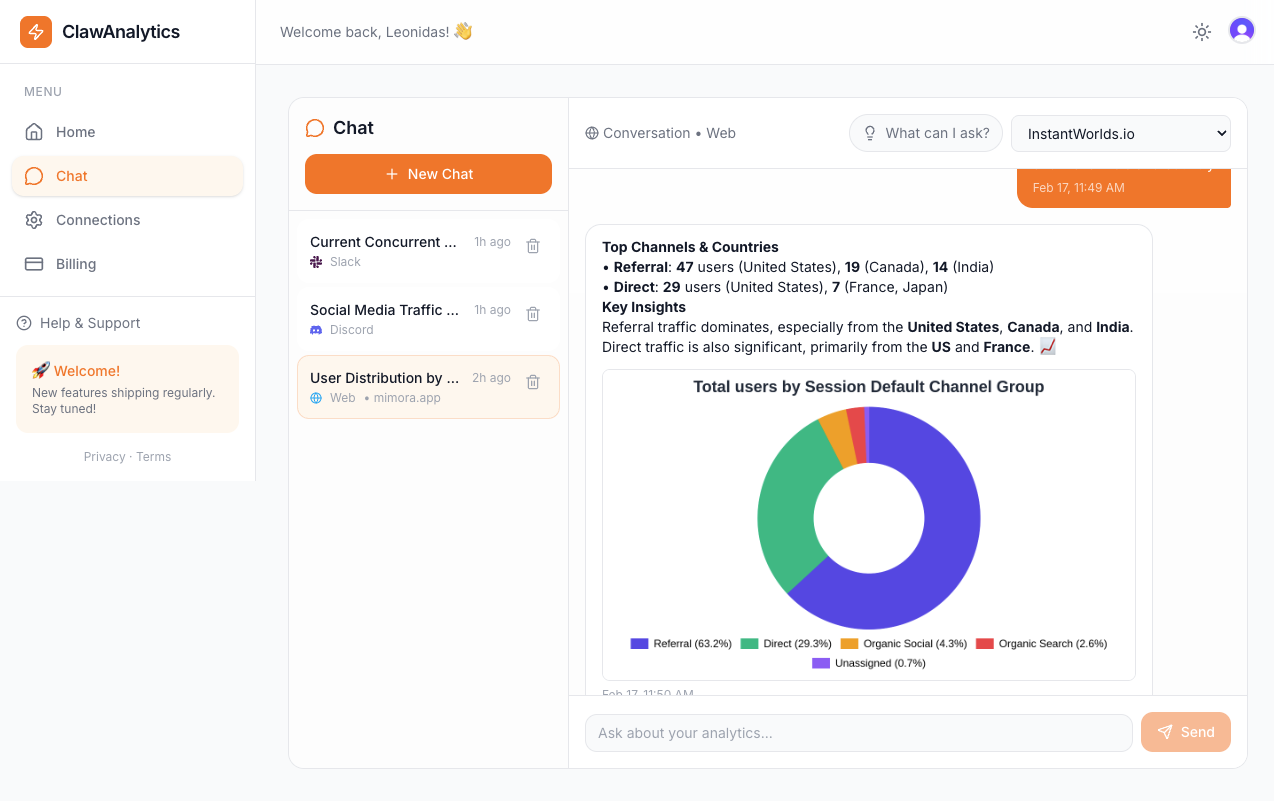
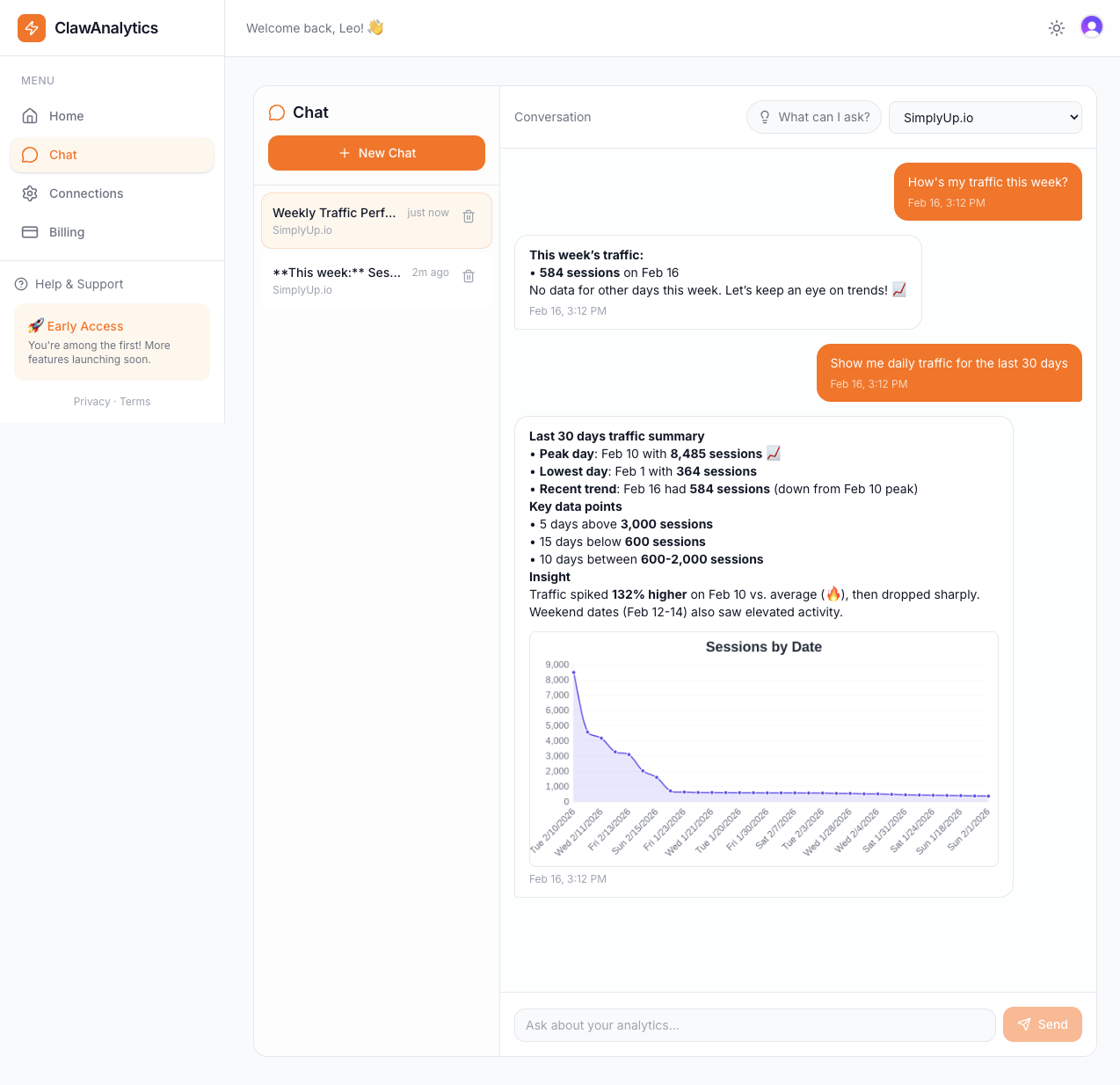
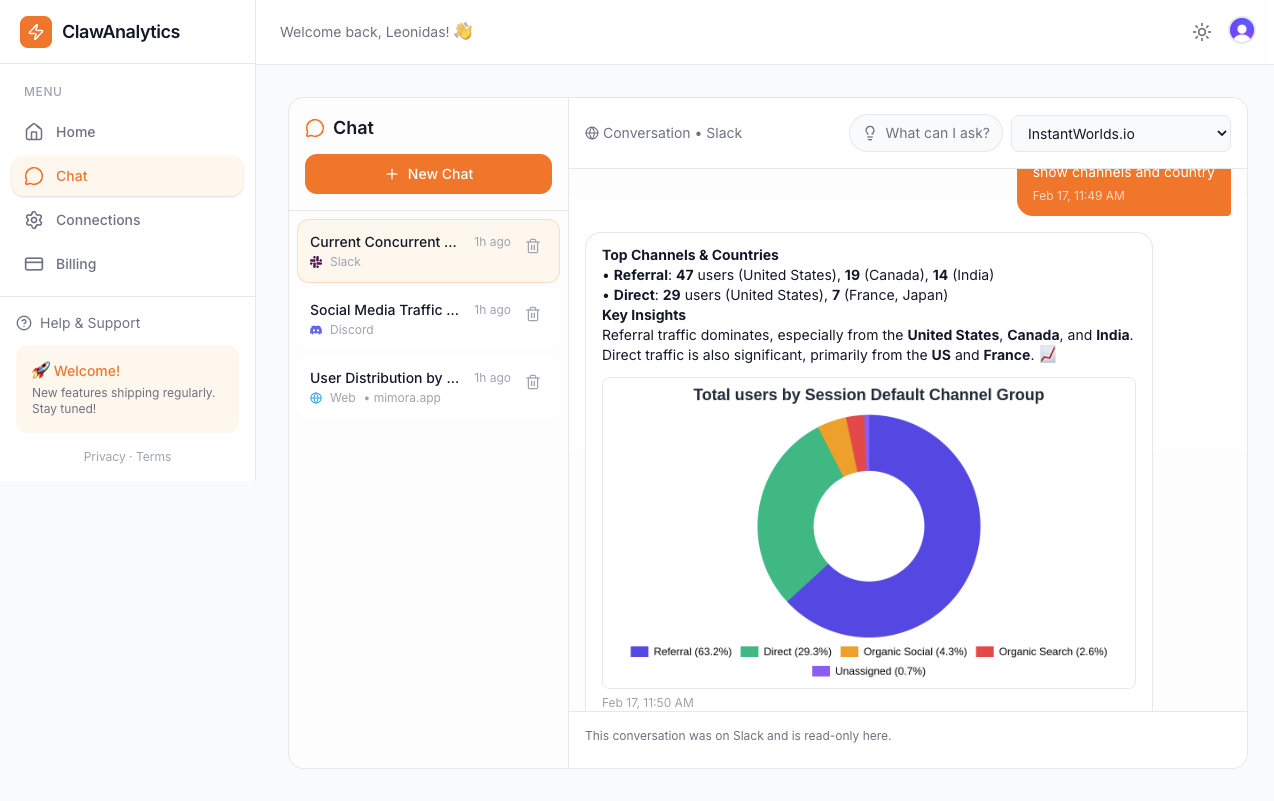
ClawAnalytics makes healthcare scroll analysis straightforward. It shows you exactly where patients stop reading and why.
Healthcare marketers use ClawAnalytics to answer:
- “Are patients scrolling to see our doctors and their credentials?”
- “Which service pages need better formatting to keep readers engaged?”
- “Do mobile users find our appointment booking button?”
The platform surfaces insights in minutes, replacing hours of GA4 report building.
Quick Wins
Lead with trust. Move credentials, patient ratings, and insurance accepted info above the fold. Don’t hide social proof at the bottom.
Shorten service descriptions. Patients scan, not read. Use bullet points, icons, and short paragraphs.
Sticky booking button. A “Book Appointment” CTA that follows the user as they scroll keeps conversion always visible.
Mobile-first formatting. Most patients book on phones. Test your mobile scroll experience weekly.
Add progress indicators. For multi-section pages like doctor profiles, a scroll progress bar encourages users to continue reading.