A new restaurant invests in a professional website with beautiful food photography, a full menu, and an online reservation widget. They’re getting decent Google traffic from local searches. But reservations through the site are low, and the owner assumes people prefer calling.
Before adding a bigger phone number, they should check one thing: are visitors ever reaching the reservation widget at all?
A quick scroll depth check often reveals that most mobile visitors leave before they get past the hero image - and the widget sits at the very bottom of the page.
Why Scroll Depth Matters for Restaurants
Restaurant websites have a short window to convert a hungry visitor into a seated guest.
- Menus are the most important page on a restaurant site - and they’re often buried. If your menu link is in the footer or the menu page itself loads slowly and requires heavy scrolling, you’re losing diners to a competitor whose menu loaded in two seconds.
- Mobile is everything for restaurant search. Someone searching “Italian restaurant near me” is probably on their phone, standing on a corner, and making a decision in 30 seconds. If your mobile page requires three full scrolls to find the address or hours, you’ve lost them.
- Reservation and order buttons need to be visible before intent fades. Restaurant visitors are often hungry and in a decisional moment. The more friction between landing and booking, the more likely they click back and pick somewhere else.
- Paid local ads have a short window. If you’re running Google Ads for “restaurants open now,” you’re paying for every click. Low scroll depth on your landing page means money spent on traffic that never converts.
How to Check in GA4
- In GA4, open Explore > Free Form
- Add
Page Pathas your row dimension andScroll Depthas a column dimension - Filter to your homepage, menu page, and reservations page
- Separate by device type: compare mobile vs. desktop scroll depth
- Look for pages where fewer than 50% of visitors reach the midpoint
The most telling comparison for restaurants is usually your menu page on mobile. If your menu requires significant scrolling to reach - especially if it’s embedded as a PDF or an image that loads slowly - the drop-off at that point will be visible immediately.
The Easier Way
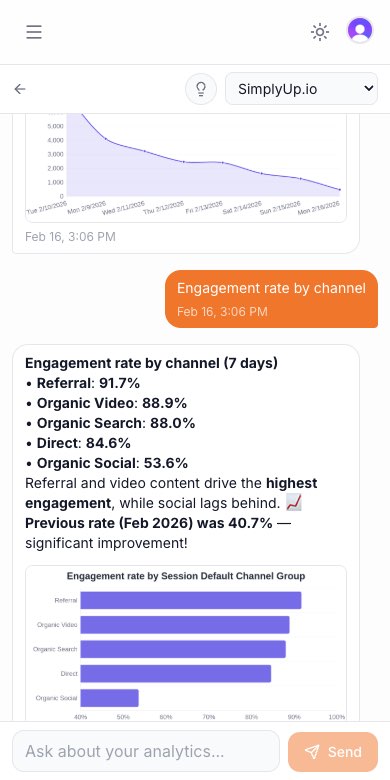
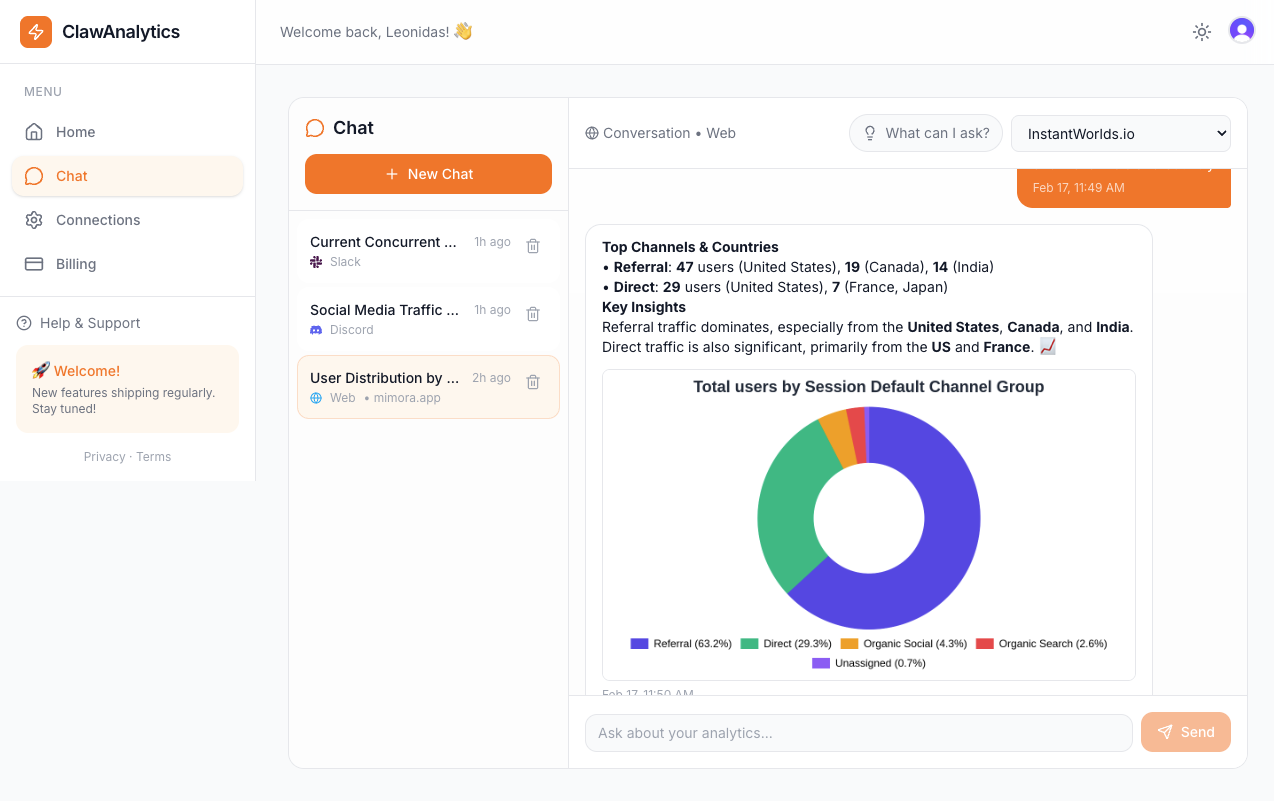
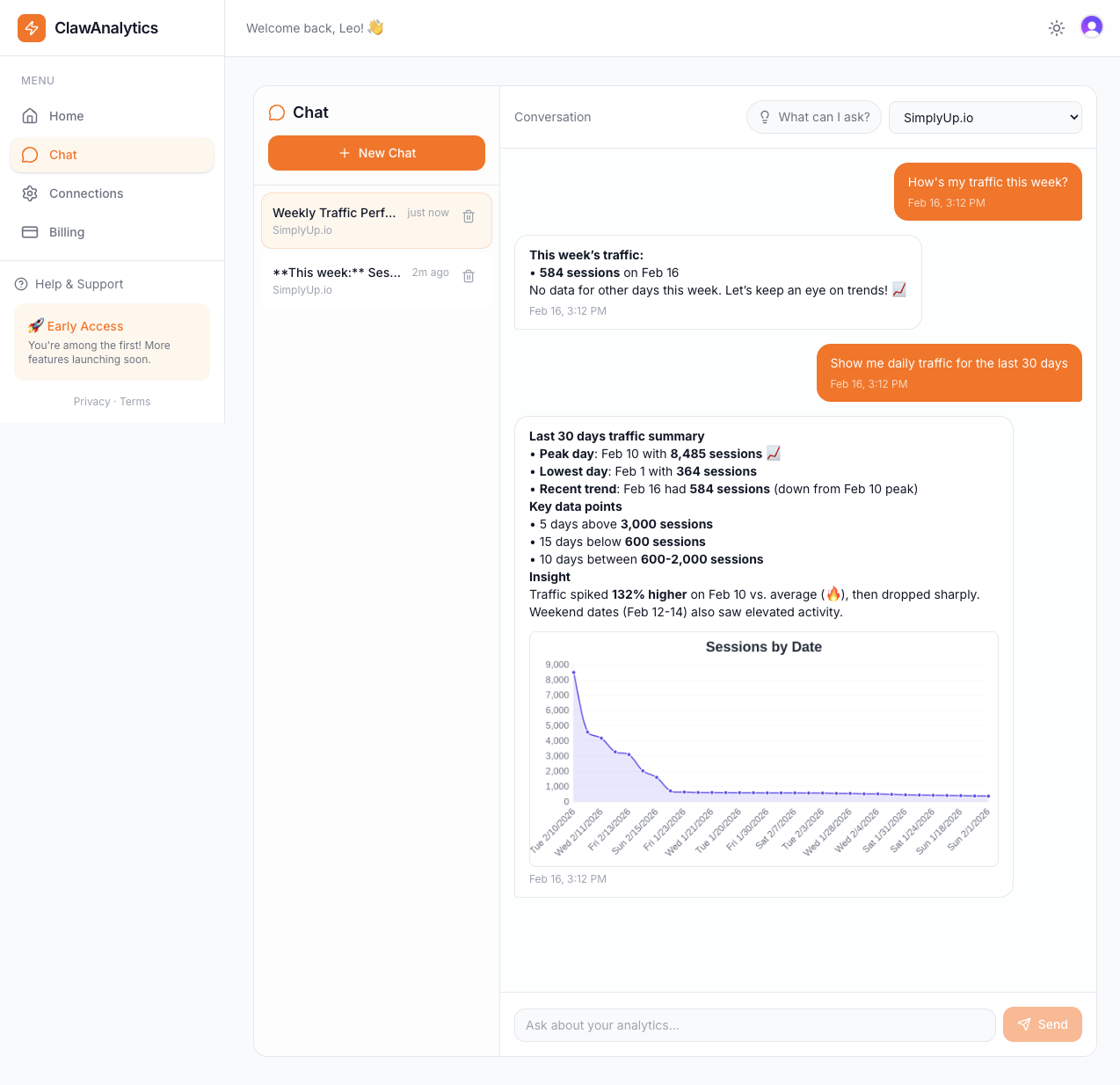
GA4 gives you the data but requires setup time that most restaurant owners don’t have. ClawAnalytics connects to your GA4 account and answers questions without the learning curve.
Questions restaurant owners typically ask:
- “How far do mobile visitors scroll on our menu page?”
- “What percentage of visitors reach our reservation button on the homepage?”
- “Which page on our site has the worst scroll depth from Google Maps traffic?”
You get a direct answer. No exploration reports to configure, no dimensions to drag into place.
Quick Wins
Once you know where visitors are dropping off, these changes have immediate impact for restaurant sites:
- Put the menu link in the navigation and above the fold. Don’t make visitors hunt for it. A top-nav “Menu” link and a hero CTA button that goes directly to the menu removes the most common friction point.
- Replace PDF menus with HTML pages. PDFs are hard to scroll on mobile, don’t load well on slow connections, and can’t be tracked in GA4. An HTML menu page gives you scroll data and a better user experience.
- Add a sticky reservation button on mobile. A floating “Reserve a Table” button that follows the user as they scroll captures intent at any point in the visit.
- Put your hours and address near the top of the homepage. These are the two things most visitors want before anything else. Putting them in the footer or only in Google Maps assumes people will scroll to find them.
- Shorten the homepage. Restaurant homepages often have too much - a story section, a gallery, awards, press mentions. Cut what’s not converting and test a tighter page that gets visitors to the menu and booking faster.
A restaurant website that converts better doesn’t need more traffic - it needs visitors to scroll far enough to take action.