How to Improve Traffic Sources for Agencies
Your website gets 2000 visits a month. But your calendar stays empty. The problem isn’t your services. It’s where your traffic comes from and what those visitors want.
Why Traffic Sources Matter for Agencies
High traffic means nothing without qualified leads. A blog post might get 500 readers, but if they’re students learning marketing, they’re not your clients. Traffic source analysis reveals visitor quality.
Client acquisition cost differs by channel. You might get inquiries from LinkedIn at $50 each and from webinars at $200 each. Knowing this prevents budget waste on expensive channels.
Referrals are your lifeblood but need tracking. When a client refers someone, you need to know which client and what prompted the referral. This helps you replicate success.
Your website is a sales tool, not just a brochure. Every traffic source should land visitors on the right page. Sending LinkedIn traffic to a generic homepage wastes opportunity.
How to Check in GA4
In Traffic Acquisition, create a custom event for “lead form submission” or “contact form submit.” Make it a key event.
Now analyze these metrics across sources:
- Lead conversion rate - percentage that becomes a prospect
- Qualified leads - did they match your ideal client profile?
- Cost per lead - if running paid campaigns
Set up a custom dimension for “lead source” if you’re tracking this in your CRM. Import the data to see revenue by traffic source. This shows true ROI.
Build segments for “enterprise clients” versus “SMB prospects” and compare their traffic origins. The patterns will surprise you.
The Easier Way
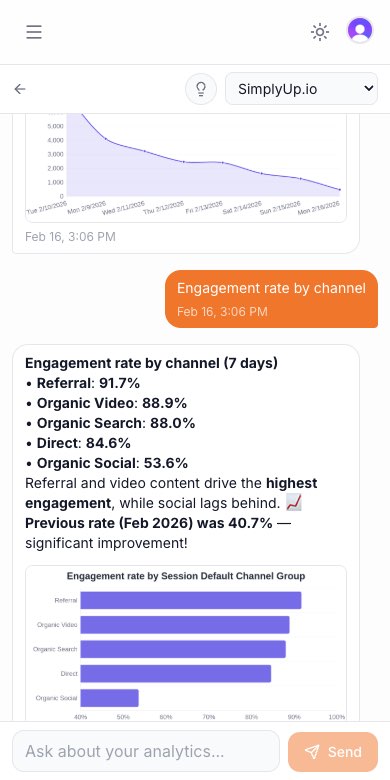
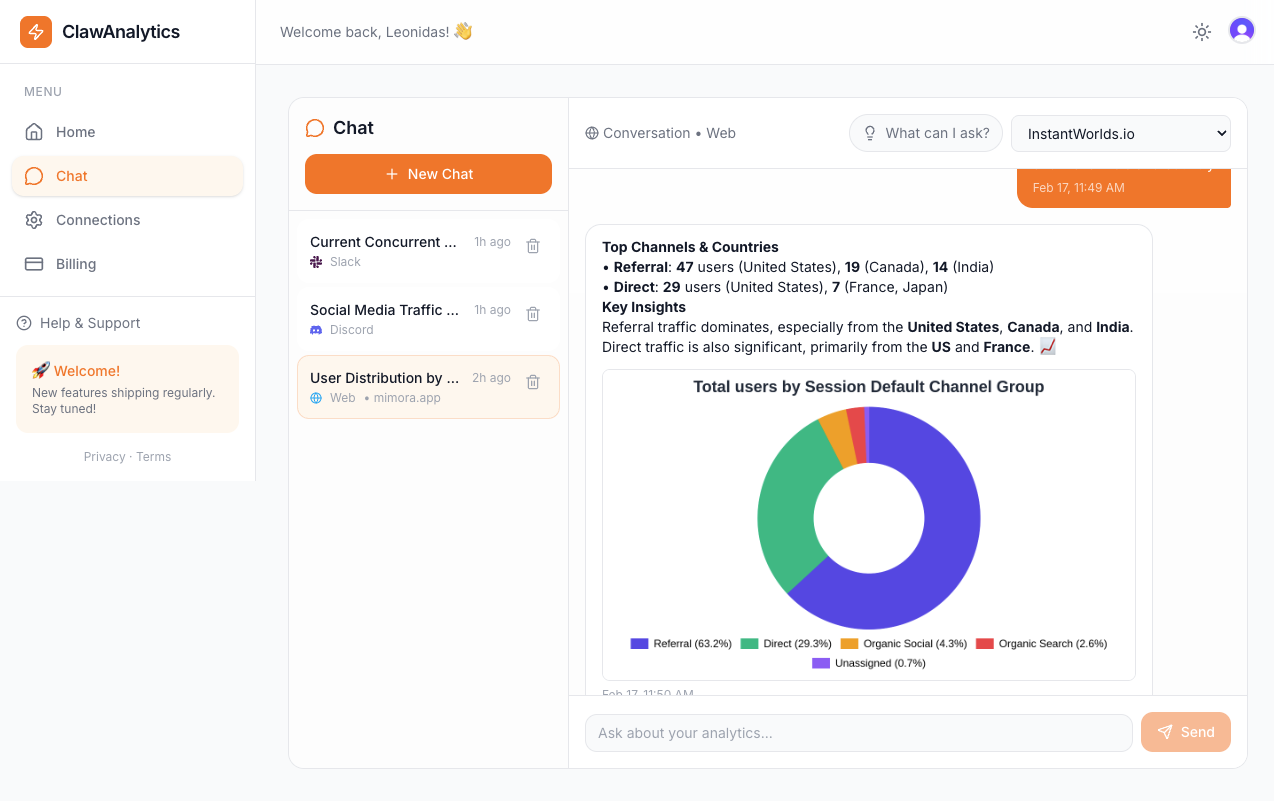
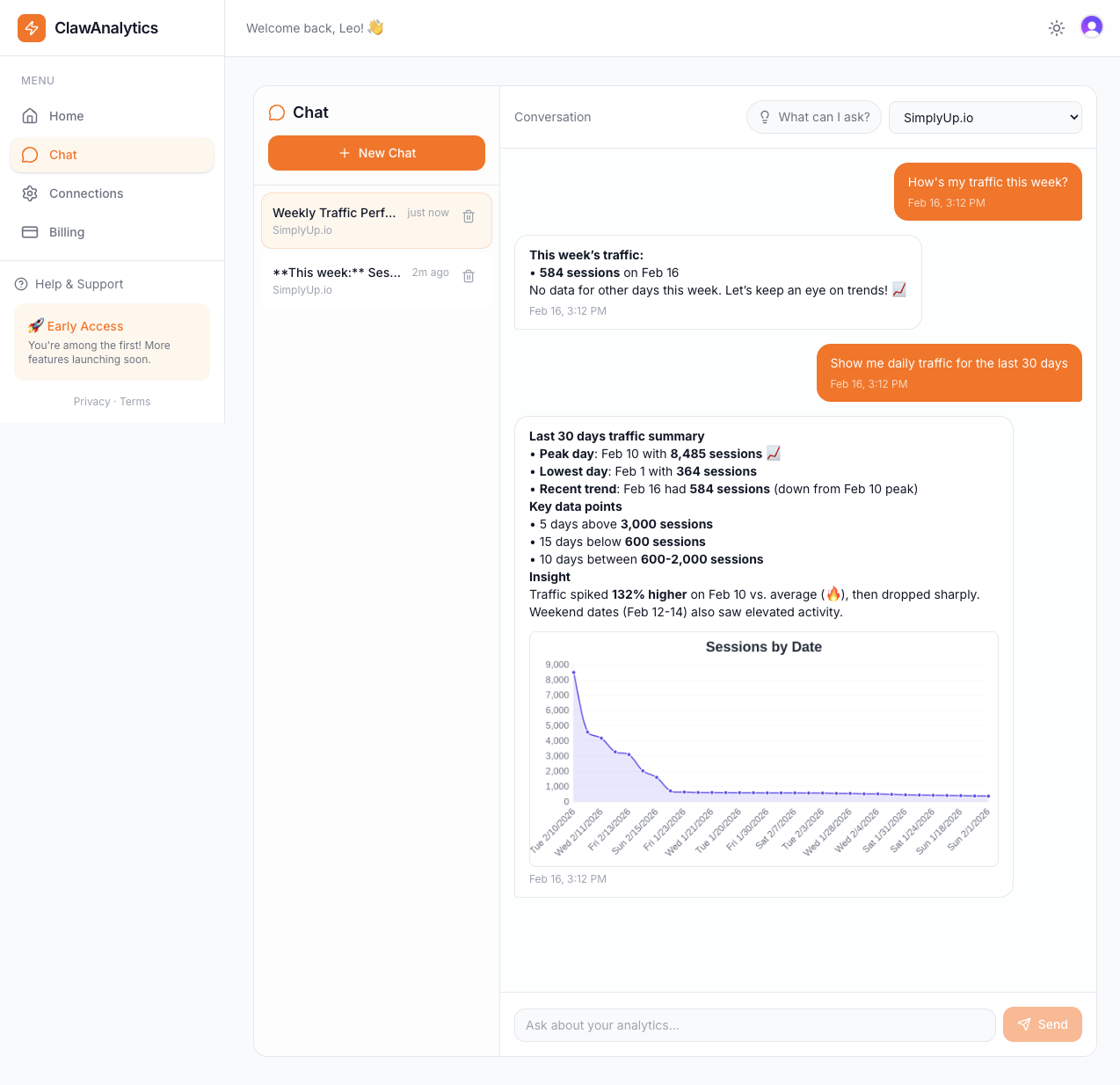
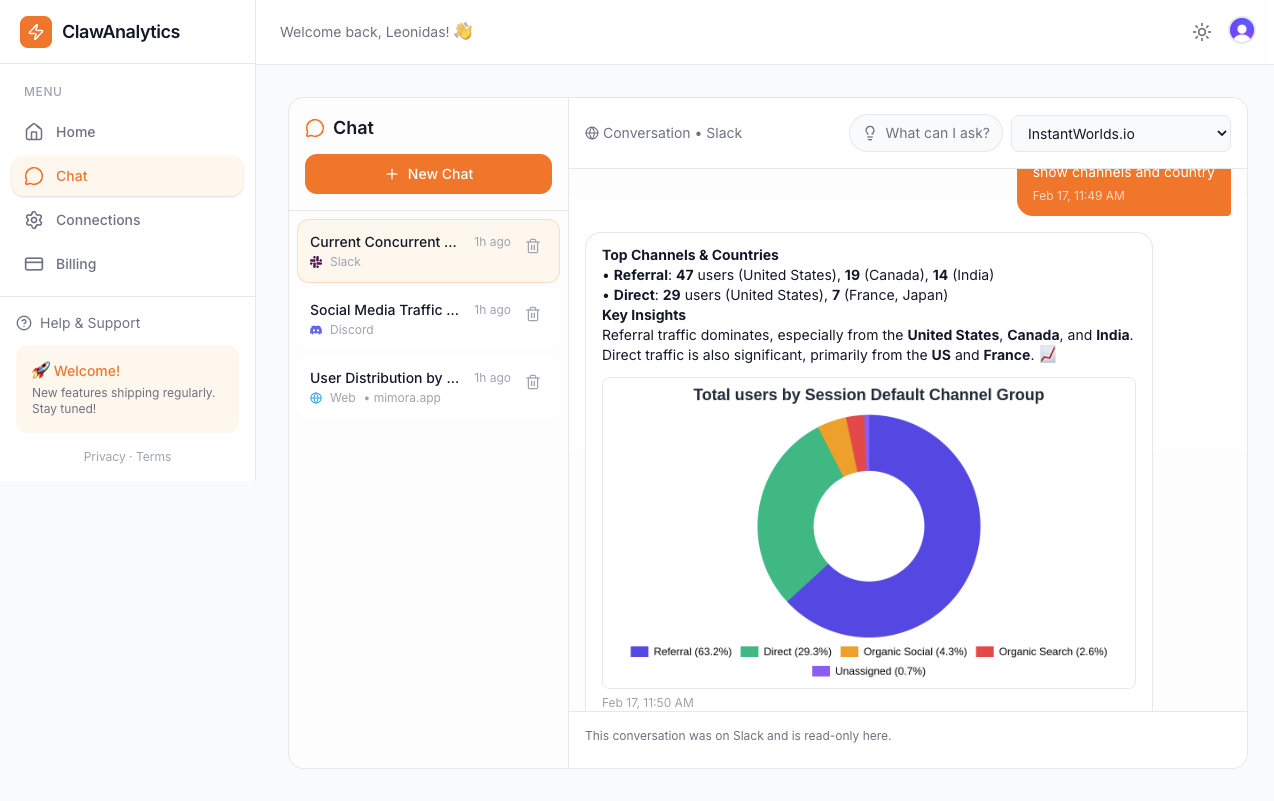
ClawAnalytics gives agencies direct answers:
- “Organic search brings your highest-quality leads - invest more in SEO content”
- “Webinar attendees convert at 15% but come from paid ads - test lower-cost alternatives”
- “Client referrals drive 40% of revenue - create a formal referral program”
You stop guessing which marketing efforts bring actual clients.
Quick Wins
Audit your top 10 landing pages by traffic source. Each source should have a tailored landing page. If you’re sending LinkedIn traffic to a generic page, create something specific.
Set up goal tracking for “contact page visits” and “pricing page visits.” These micro-conversions show intent before the lead form submission.
Create a UTM parameter strategy for all campaigns. Tag every link so you know exactly which email, social post, or ad brought the visitor. This is essential for accurate source tracking.
Build case study pages optimized for organic search. When prospects research solutions, they look for proof. Your case studies should capture this intent-driven traffic.
Nurture based on traffic source. Visitors from webinars need different follow-up than those from blog posts. Segment your email sequences accordingly.