You spent money to get that customer to your store. They made a purchase. But did they ever come back? That is what user retention measures. For ecommerce businesses, keeping customers coming back is often more profitable than constantly acquiring new ones.
Why User Retention Matters for Ecommerce
Repeat customers drive profitability. Here is why retention matters:
-
Lower costs. Getting a new customer costs five times more than keeping an existing one. Retention reduces your marketing spend.
-
Higher lifetime value. Loyal customers tend to buy more over time and try new products.
-
Better margins. Returning customers are more likely to buy full-price items instead of always waiting for sales.
-
Word-of-mouth growth. Happy repeat customers refer friends. This creates a cycle of growth.
How to Check in GA4
In GA4, retention lives in the Retention section. Click on Retention in the left sidebar, then select User retention or Cohort exploration. User retention shows what percentage of users return over time. Cohort exploration breaks users into groups based on when they first visited so you can compare behavior across time periods.
You can also set up custom events for repeat purchases to track exactly how many customers bought more than once.
The Easier Way
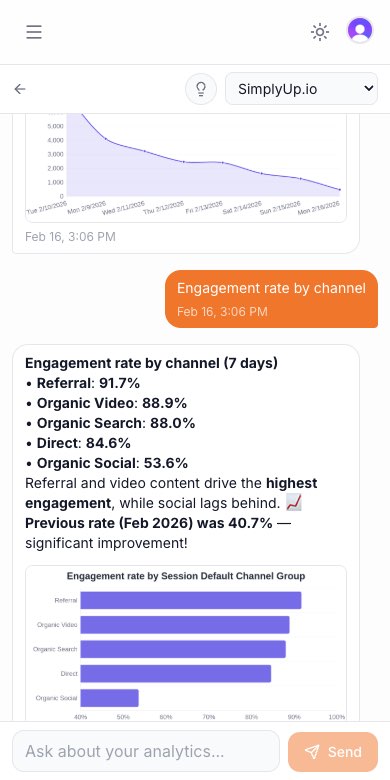
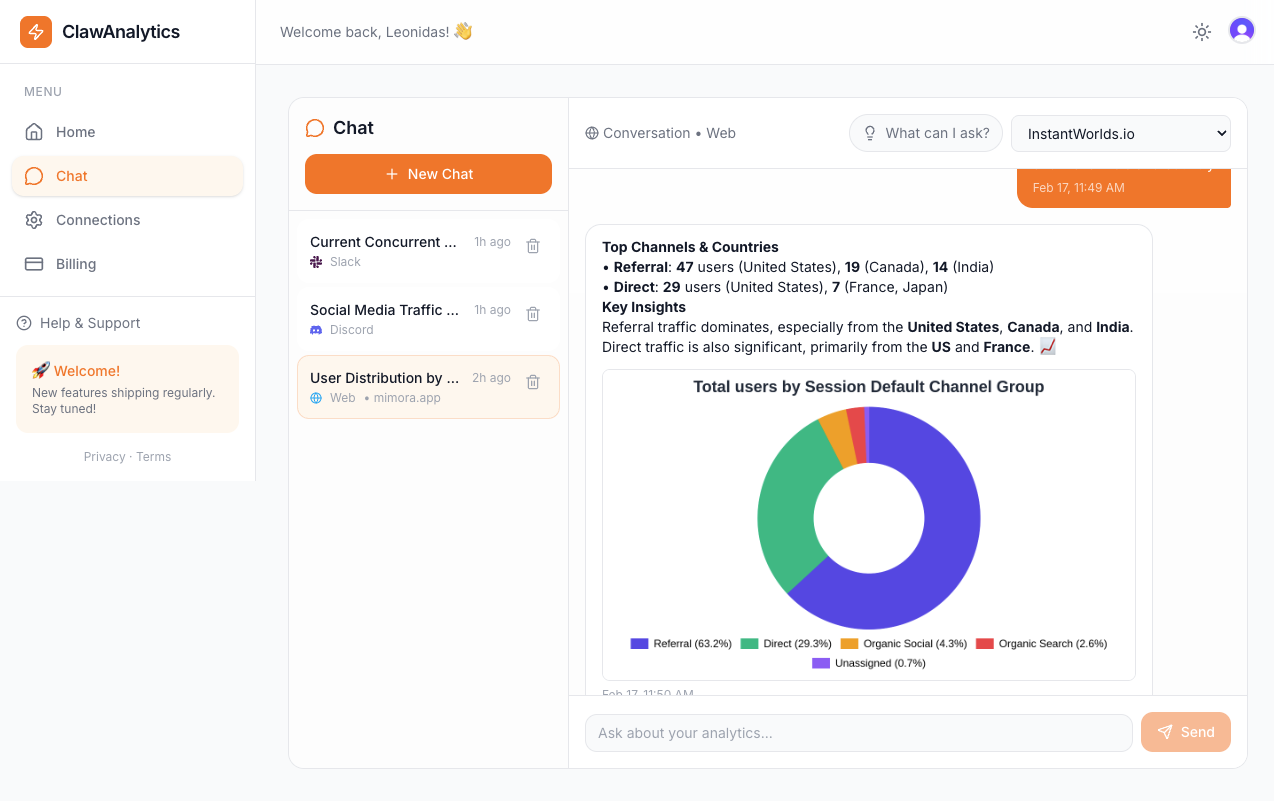
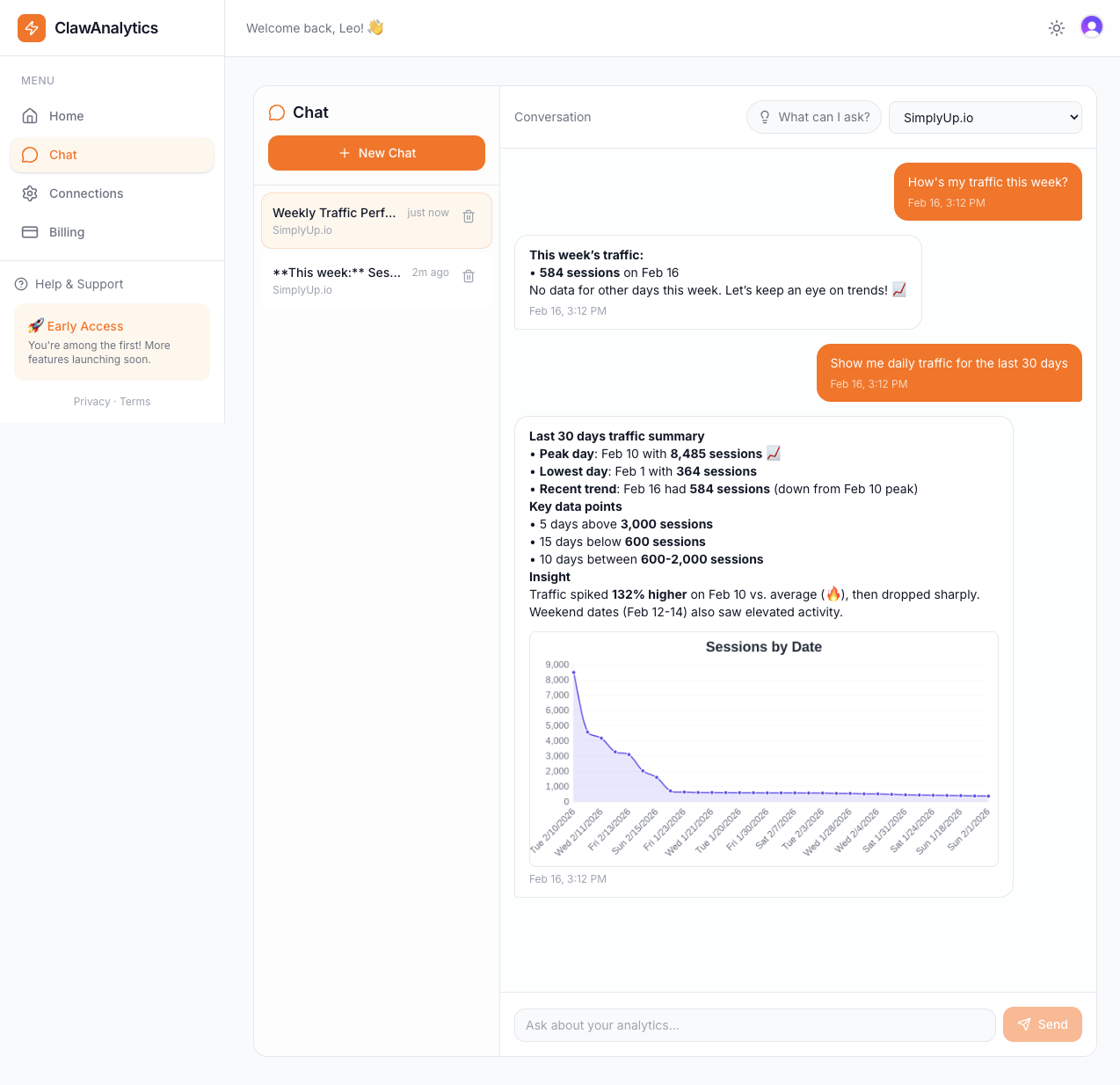
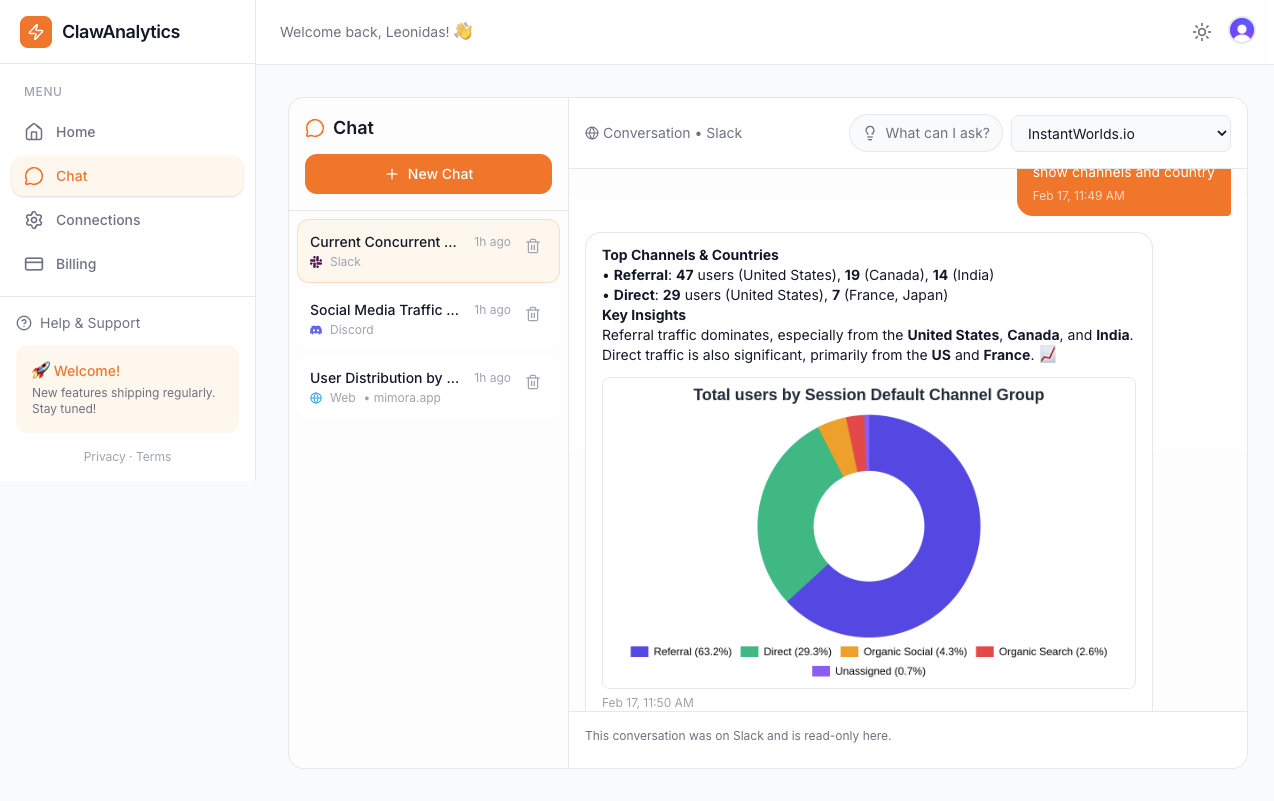
ClawAnalytics makes retention analysis easy for ecommerce. You can ask questions like: What percentage of our customers make a second purchase? Which products lead to the most repeat buyers? How has our retention rate changed over the past six months? These answers help you understand if your customer loyalty strategies are working.
Quick Wins
Here are three ways to improve retention right now:
-
Start an email list. Send helpful content and exclusive offers to past customers. Email marketing has one of the highest returns in ecommerce.
-
Create a loyalty program. Reward points for purchases encourage customers to return. Make the rewards attainable.
-
Personalize the experience. Use purchase history to recommend products. Customers feel valued when you remember what they bought.