How to Track Page Load Time for Ecommerce
You’re running an online store. You spent months perfecting your product photos, writing compelling descriptions, and setting up checkout. Then you check your analytics and wonder why visitors leave without buying. The culprit might be simple: slow page loads. Every second your product pages take to load costs you sales. Here’s how to track and fix it.
Why Page Load Time Matters for Ecommerce
Bounce rates skyrocket with slow pages. If your homepage takes 5 seconds to load, nearly half your visitors will leave before seeing a single product. These bounces hurt your search rankings and waste ad spend.
Cart abandonment increases with delays. Shoppers expect instant responses when they click “Add to Cart.” A 2-second delay can increase cart abandonment by 87%. Speed directly impacts revenue.
Mobile shoppers are especially impatient. Mobile users often shop on cellular connections with limited bandwidth. Slow mobile pages kill conversions faster than on desktop. Google’s mobile-first indexing means speed affects your search visibility too.
Customer trust builds with speed. A fast website signals professionalism. Slow pages make shoppers question whether your business can fulfill orders reliably. Speed builds confidence in your brand.
How to Check in GA4
In GA4, page load time data lives in the Reports > Engagement > Core Web Vitals section. You’ll see metrics like Largest Contentful Paint (LCP) and First Input Delay (FID) which measure actual user experience.
To see load times for specific pages, go to Reports > Pages and Screens. Add “LCP” or “Average page load time” as a metric by clicking the “Add metric” button. Sort by these metrics to find your slowest-performing product pages.
Create a custom report by clicking Reports > Library > Create custom report. Add dimensions for “Page path” and metrics for “Average page load time” and “Bounce rate.” This shows you which slow pages hurt engagement most.
Set up alerts in GA4 by clicking Admin > Audiences > Create Audience. Define an audience for pages with load times over 4 seconds. Then track how many users hit these slow pages and whether they convert.
The Easier Way
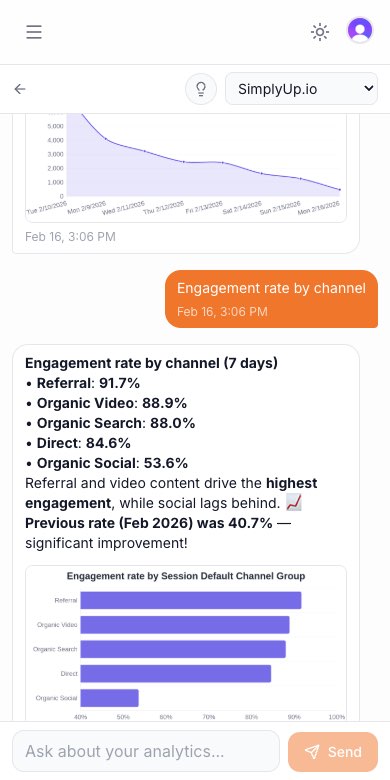
GA4’s Core Web Vitals data takes expertise to interpret. ClawAnalytics makes page speed tracking simple for ecommerce businesses.
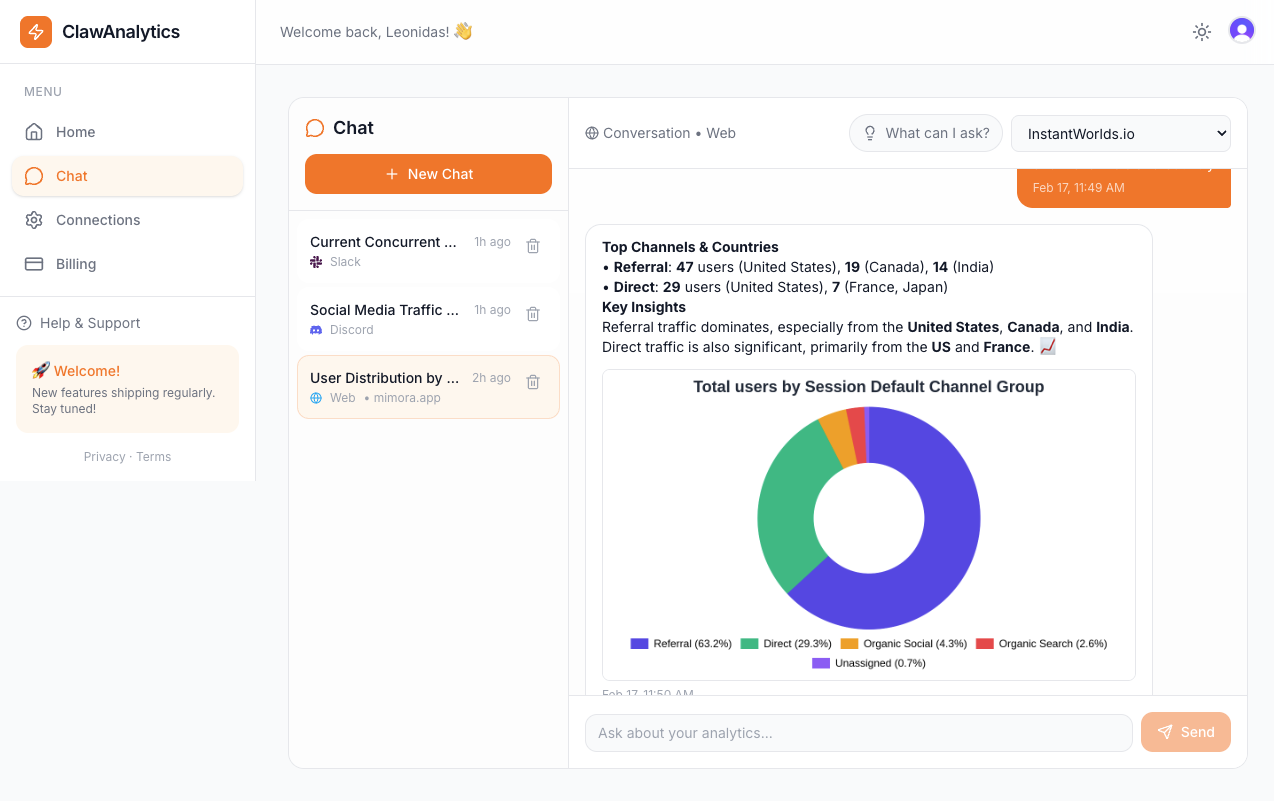
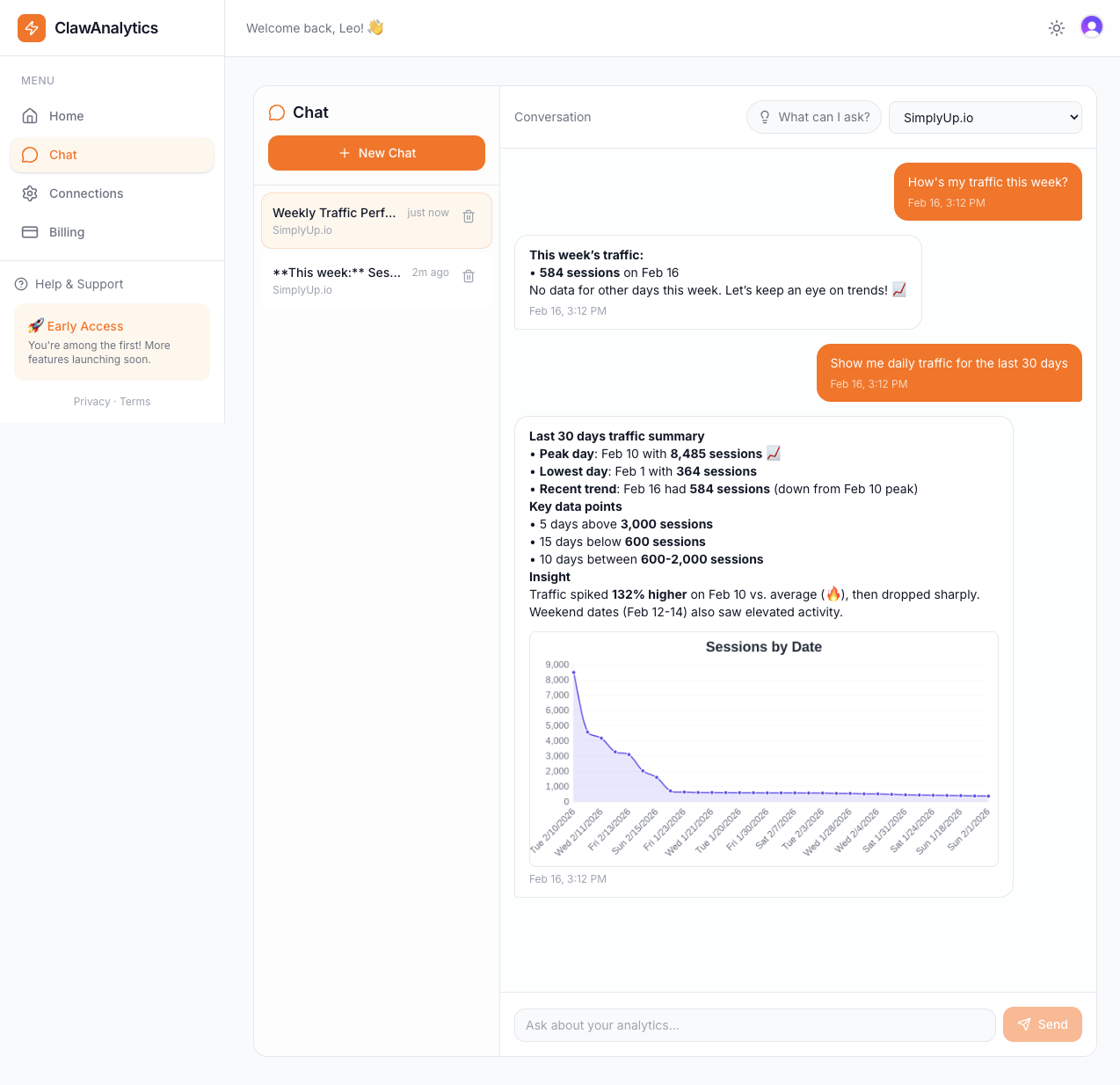
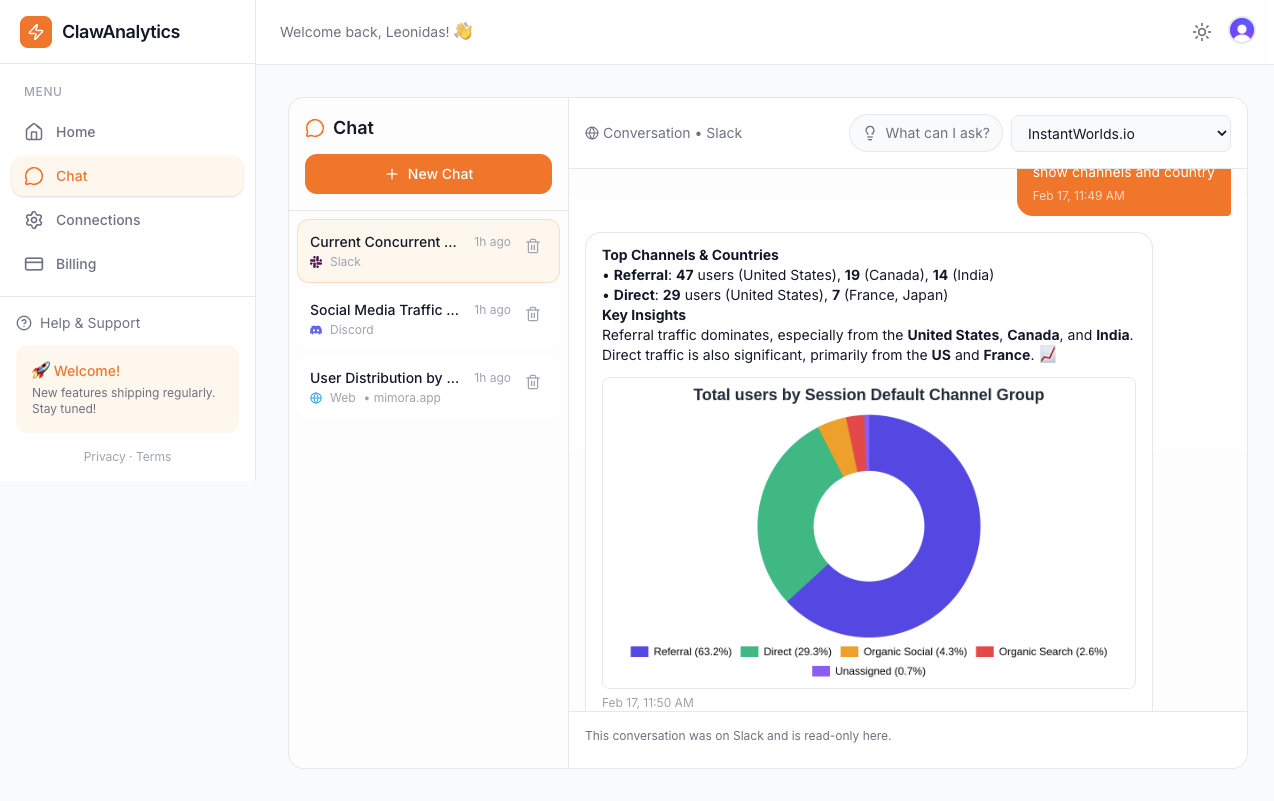
ClawAnalytics automatically measures real-user page load times across your entire store. It shows you which product categories and individual products load slowest, ranked by impact on conversions.
Example questions ClawAnalytics answers instantly:
- Which product pages have the highest load times and highest bounce rates?
- Are my mobile shoppers experiencing slower pages than desktop users?
- Did my recent website changes slow down the checkout page?
You get alerts when any page exceeds your target load time, plus actionable recommendations to fix the issues.
Quick Wins
Compress your product images. Use tools like TinyPNG or ImageOptim to reduce file sizes without quality loss. Large images are the #1 cause of slow ecommerce pages.
Enable browser caching. Set cache headers so returning visitors load your site faster. Most ecommerce platforms have this built-in, but check your settings.
Use a content delivery network (CDN). Services like Cloudflare serve your images and files from servers closer to shoppers, speeding up delivery globally.
Test your checkout page specifically. This is your most important page. If it loads slowly, you’re losing sales directly. Run speed tests weekly on checkout.