How to Track Page Load Time for Gyms
Someone searches “gym near me” and clicks your link. They want to see membership prices, class schedules, and facility photos. But your homepage takes forever to load. They hit back and check the competitor instead.
That lost visitor could have been a member paying monthly. Slow website speed is silently killing your gym’s growth.
Why Page Load Time Matters for Gyms
These points directly affect your membership numbers:
-
Impulse decisions: Many people decide to join a gym on the spot. If your site is slow, they move on before seeing what you offer.
-
Class schedule access: Members check schedules daily. Slow-loading schedule pages frustrate your existing members, not just prospects.
-
Tour booking: Online tour scheduling is a major conversion point. Slow booking forms lose sign-ups.
-
Mobile experience: Most gym browsing happens on phones. If your site isn’t fast on mobile, you’re invisible to most potential members.
-
Comparison shopping: People rarely join the first gym they find. They check 3-4 options. Fast sites win the comparison.
How to Check in GA4
GA4 tracks gym-specific pages through its Web Vitals reports:
- Open GA4 and go to the Engagement section
- Click on Web Vitals to see your Core Web Vitals data
- Filter by paths like “/membership,” “/schedule,” or “/tour”
- Focus on LCP for your homepage and membership pages
- Check FID for any online tour booking forms
- Set up custom reports comparing load times to membership sign-ups
This helps you connect site speed to actual member conversions.
The Easier Way
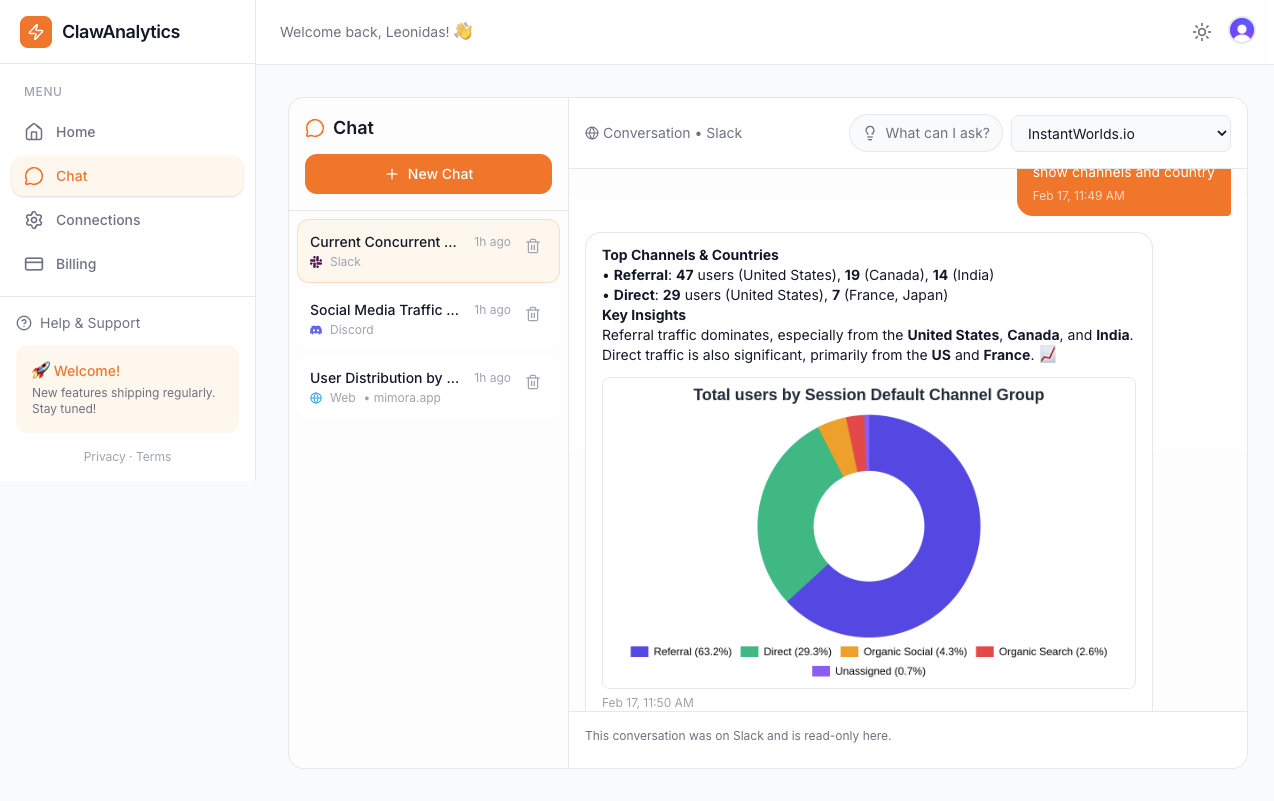
ClawAnalytics makes gym speed tracking straightforward and practical.
For a gym, ClawAnalytics answers questions like:
- “Is my class schedule page slow on mobile during peak evening hours?”
- “Which page causes most prospective members to leave before signing up?”
- “Did the new class booking system slow down my site?”
You’ll get automated alerts when key pages underperform and clear guidance on what to optimize. No technical expertise required.
Quick Wins
Here are fast ways to speed up your gym website:
-
Optimize facility photos: Compress images of equipment and locker rooms. Use modern formats like WebP.
-
Streamline your schedule: Lazy load class schedules so the page loads fast, then loads the schedule data.
-
Minify code: Remove unnecessary characters from HTML, CSS, and JavaScript files to reduce file sizes.
-
Reduce third-party scripts: Analytics, chat widgets, and social feeds all add load time. Keep only essential ones.
-
Enable browser caching: Return visitors should see cached versions of your pages, loading much faster.
Focus on your membership page first—that’s your biggest money page.