How to Track Page Load Time for Travel
A family plans their summer vacation on a Sunday evening. They browse hotel options for Hawaii. Your resort’s page takes 7 seconds to load while competitors load in 2 seconds. They book elsewhere. That booking is gone.
Why Page Load Time Matters for Travel
Travel planning is mobile-first. People research trips during commutes, lunch breaks, and late-night inspiration sessions. Most of this is on phones.
Destinations are competitive. There are hundreds of hotels, tour operators, and travel agencies competing for the same travelers.
Inspiration must be instant. Beautiful destination photos and engaging content need to load fast to create excitement.
Booking flows are critical. Every second of delay in the checkout process increases abandonment.
How to Check in GA4
Access your Web Vitals data:
- Open GA4 and go to Reports > Engagement
- Click Web Vitals
- Find Largest Contentful Paint (LCP) for page load time
- Filter by booking pages, destination pages, and checkout flows
- Check mobile vs desktop performance
Keep LCP under 2.5 seconds for the best booking rates.
The Easier Way
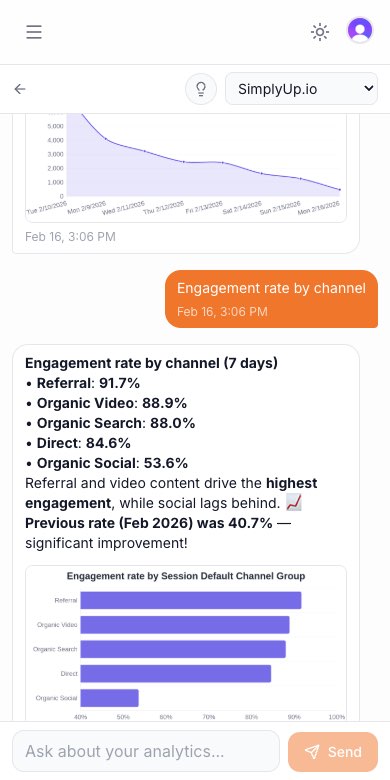
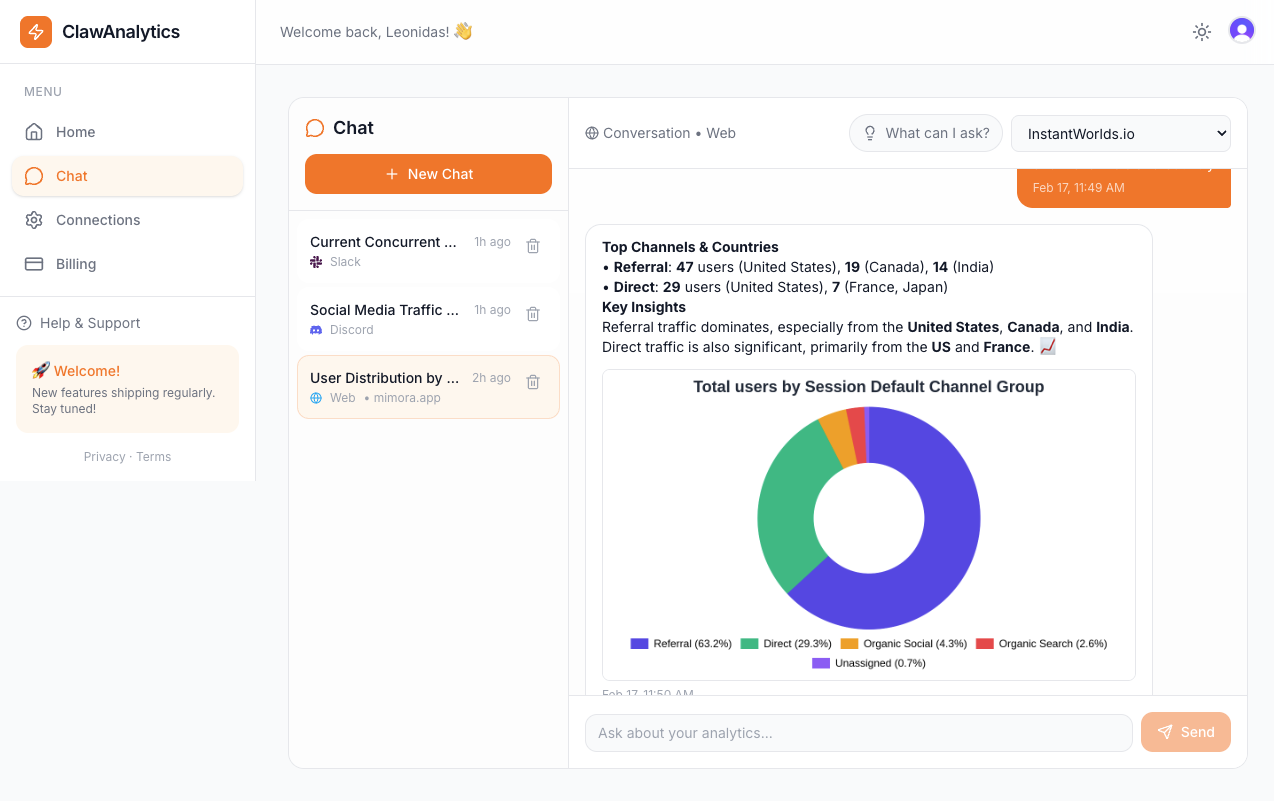
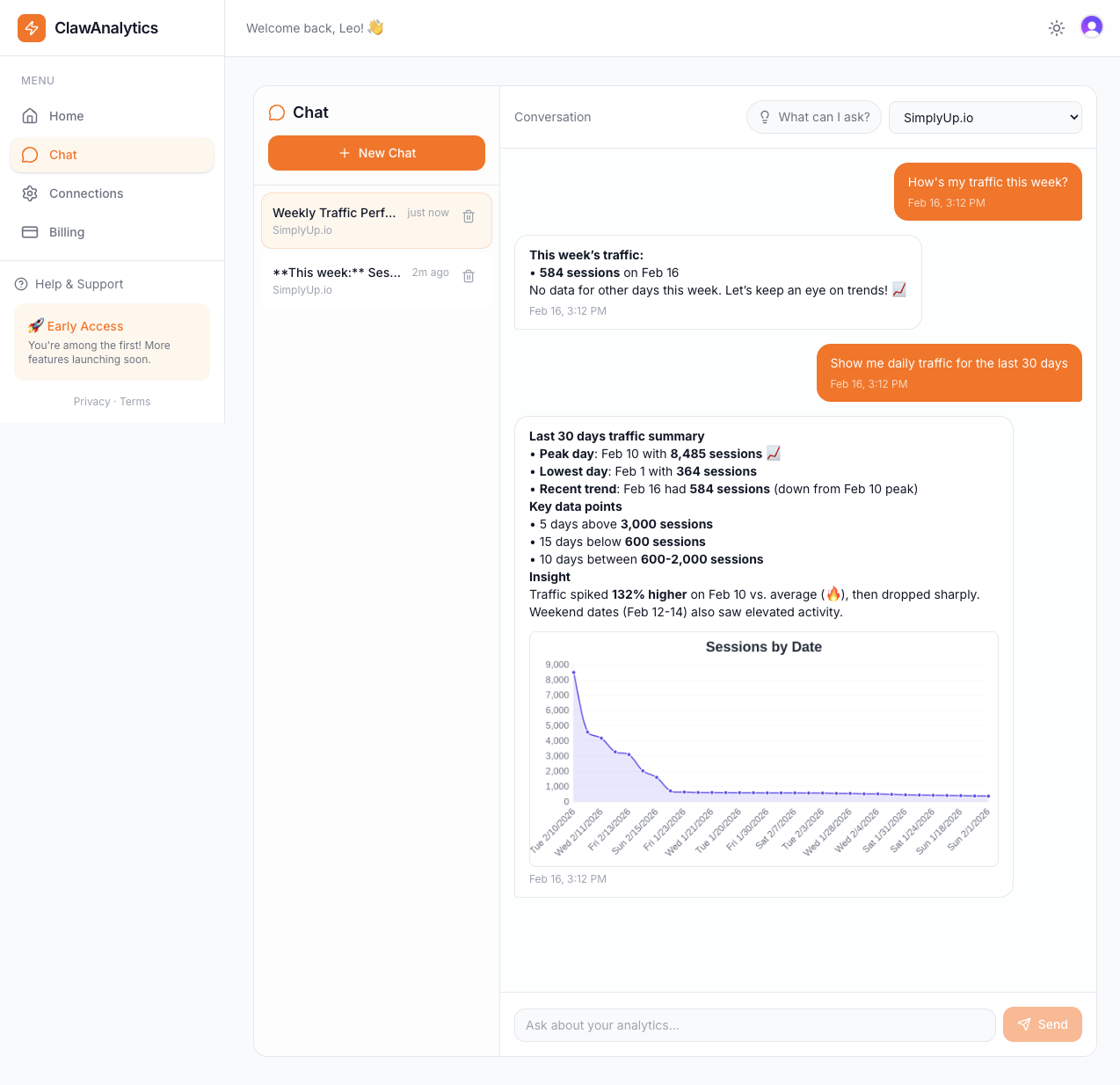
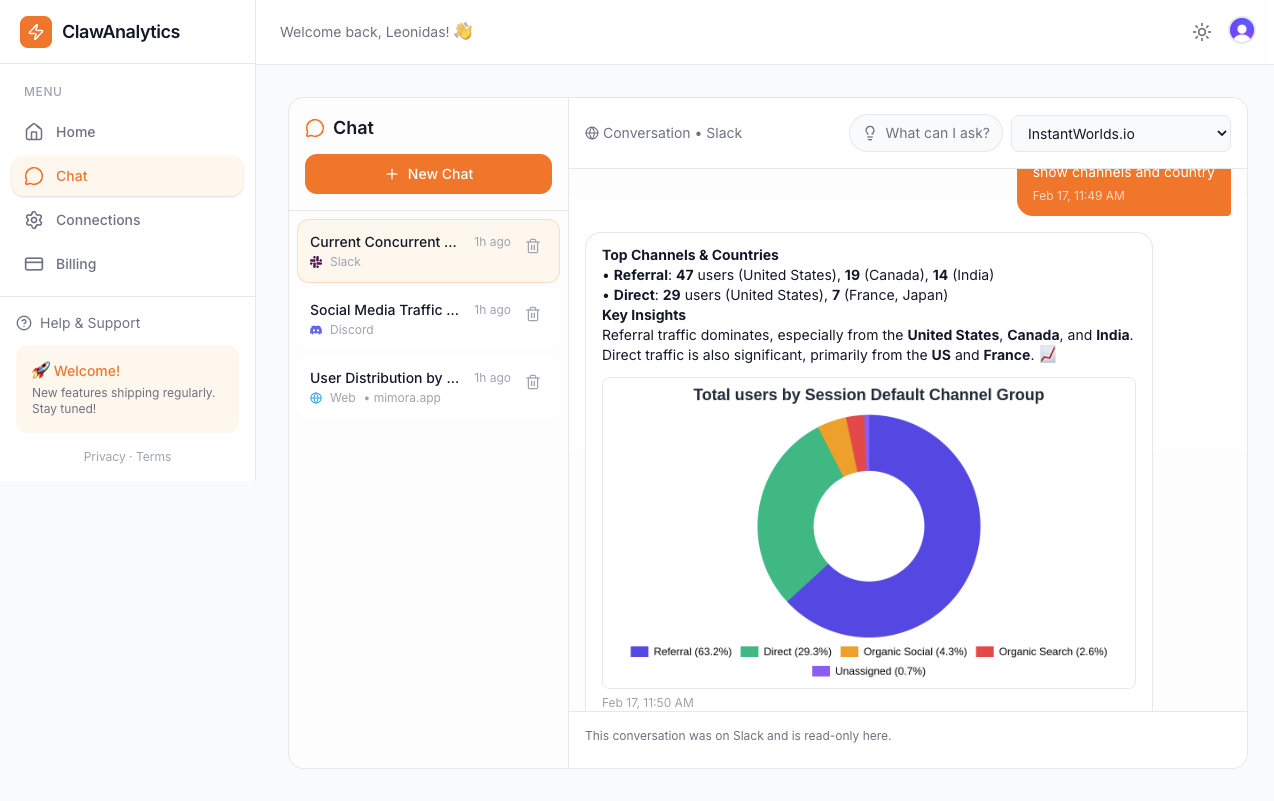
ClawAnalytics answers your performance questions:
- “Which destination page has the highest bounce rate due to slow loading?” ClawAnalytics ties load time to user behavior.
- “Are our package booking flows working fast enough on mobile?” ClawAnalytics shows device-specific performance.
- “Did adding new tour photos slow down our homepage?” ClawAnalytics tracks changes over time.
Quick Wins
Compress destination imagery heavily. Travel sites are image-heavy. Use aggressive compression and modern formats.
Lazy load photo galleries. Load photos only as users scroll to them.
Optimize currency and date pickers. These interactive elements often cause slowdowns.
Use CDN for international travelers. Visitors from around the world need fast access.
Simplify the booking process. Remove steps and reduce form fields.
Your website should be as exciting as the destinations you offer.