You advertise “auto repair near me” and get 400 visitors. Your website records 650 page views. You got 5 repair appointments. The problem is not traffic. Visitors came, looked at one page, and left. They did not trust you with their car.
Why Page Views Matter for Auto Repair
Auto repair is expensive and confusing. Customers worry about overcharging, bad repairs, and getting ripped off. They research symptoms, compare shops, and look for trust signals. Page views reveal this decision process.
An auto shop with 5,000 monthly page views and 2.2 pages per session might get 50 calls. Another with 4,000 page views and 3.5 pages per session might get 55 calls. More engagement means customers are closer to choosing you.
Dollar example: If your average repair ticket is $600 and you increase pages per session from 2 to 3, you could add 10-15 more calls monthly. Even booking 5 additional jobs means $3,000 in revenue.
What Causes Auto Repair Page View Issues
No service-specific pages. Visitors with brake problems want brake repair info, not a general “we fix cars” page.
Missing pricing transparency. Customers want estimates. They leave when they cannot find typical costs.
No certifications displayed. ASE certification, manufacturer training, and warranty info build trust. Without this, visitors leave.
Confusing location and hours. Emergency repairs happen. Visitors need to know you are open when they break down.
No after-service guarantees. Warranty information matters. Customers want to know they are covered.
How to Track It
In Google Analytics 4, go to Engagement > Pages and screens. Filter by your repair service pages. Look for pages with high exit rates or low time on page.
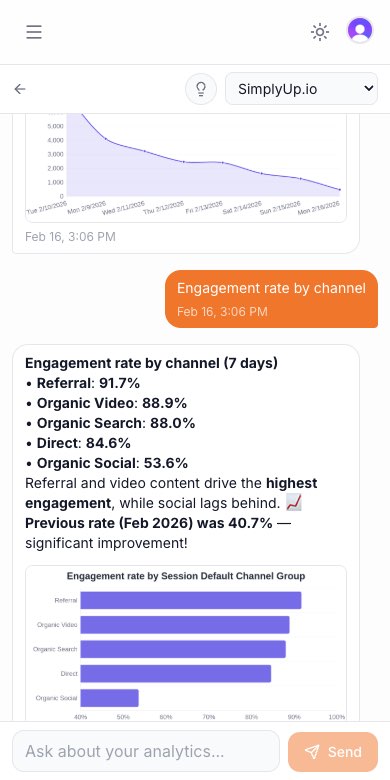
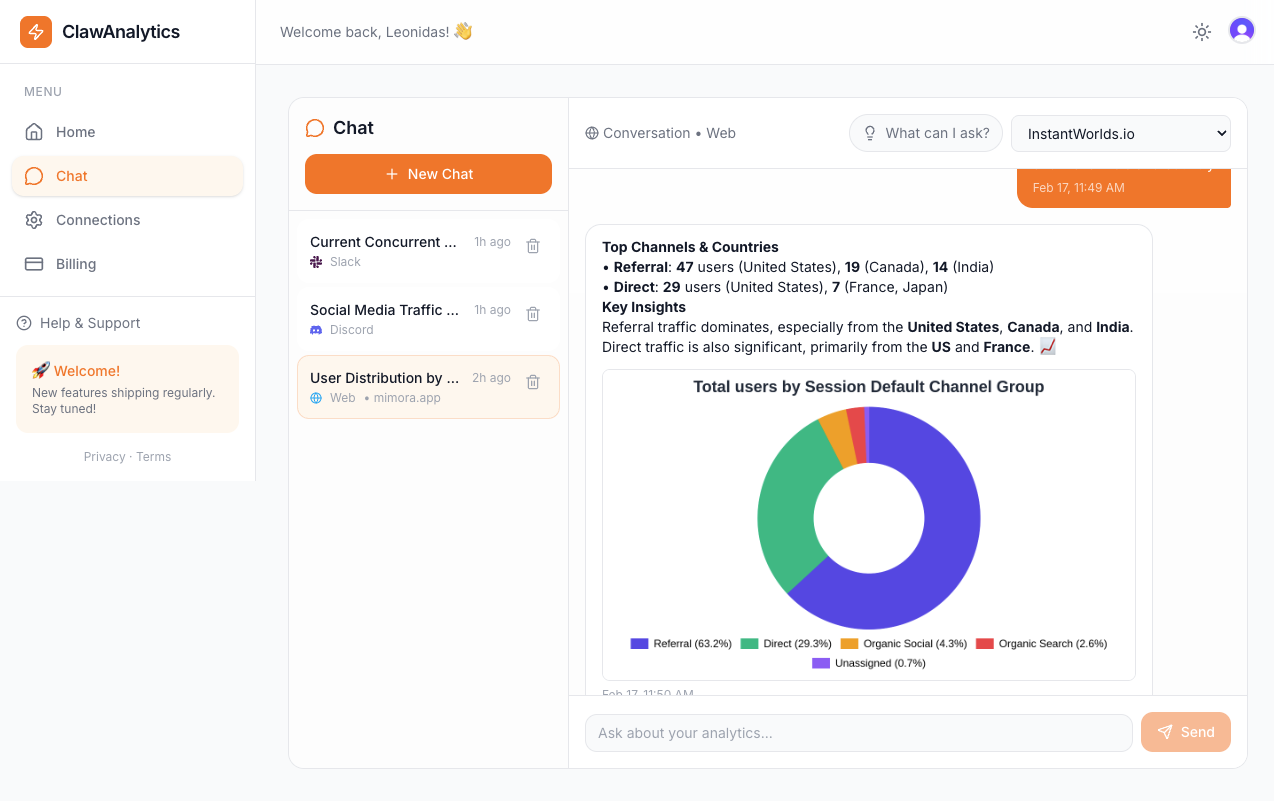
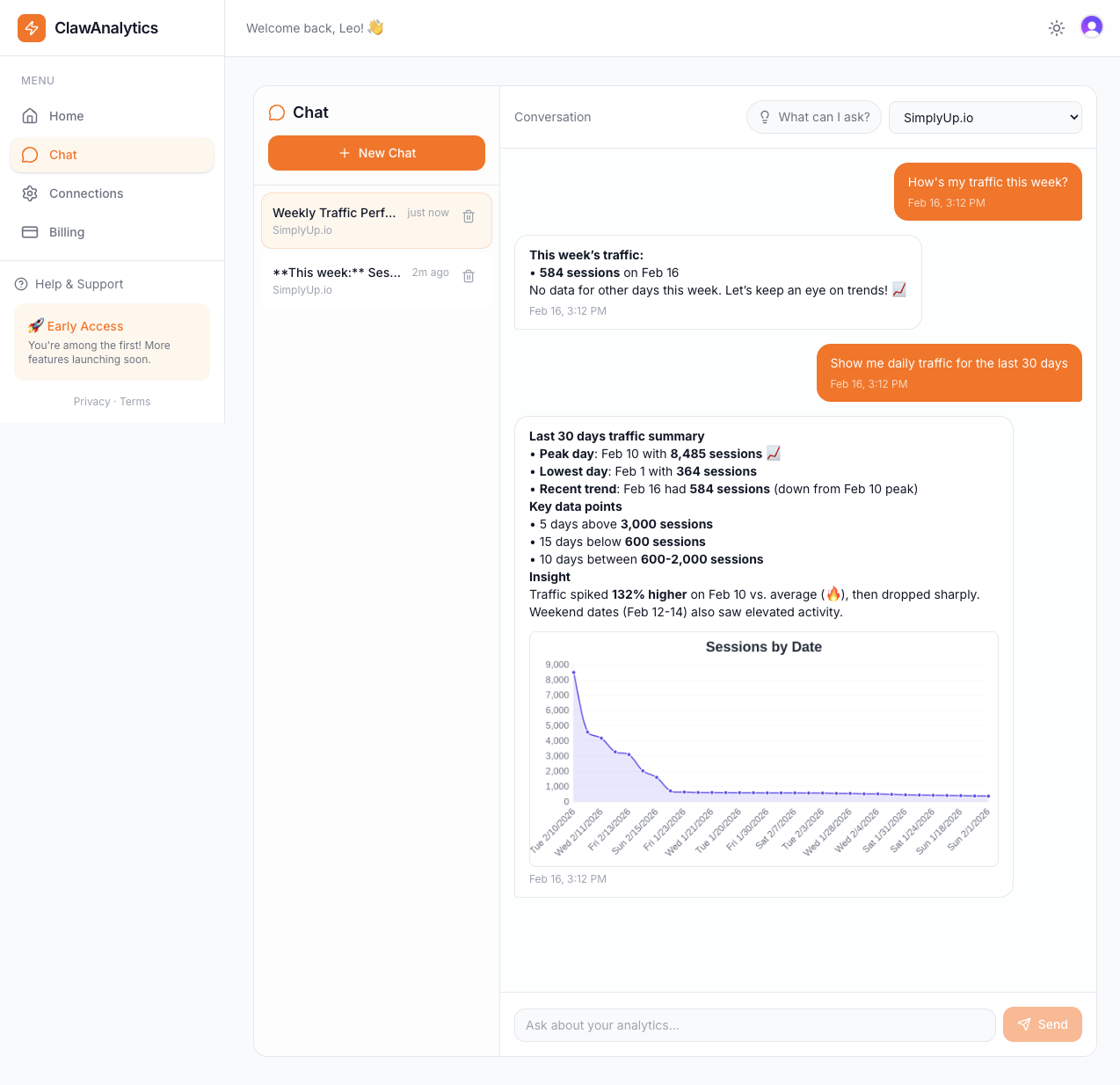
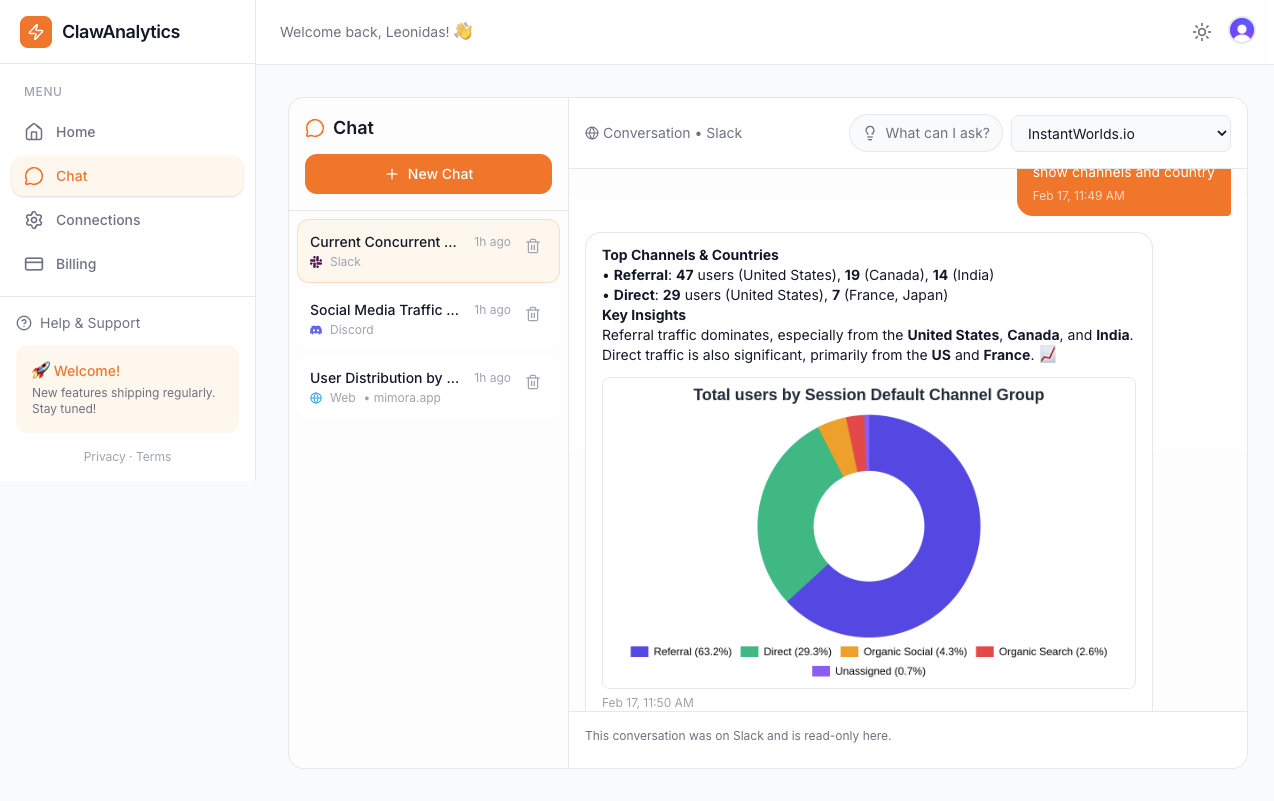
ClawAnalytics shows what car problems visitors search for. “Check engine light meaning” or “brake squeal causes” searches reveal what content builds trust.
You might discover visitors view your engine repair page but leave before seeing your warranty information. Add a warranty section to every service page, and uncertain customers become confident customers.
Quick Wins
-
Build symptom-based pages. “Why is my car shaking” or “engine won’t start” pages that explain common problems and link to your services.
-
Show certifications prominently. ASE, manufacturer logos, and years of experience should appear on every page.
-
Add educational content. Explain what happens during a transmission service or brake inspection. This builds trust through transparency.
-
Create a “what to expect” section. Walk customers through the repair process. This reduces anxiety and increases bookings.