Dropshipping success lives and dies by how efficiently you can drive traffic through your product funnel. Each page view costs you money through advertising or content creation. Low page views mean your marketing is not reaching enough potential customers.
Why Page Views Matter for Dropshipping
Your entire business model depends on volume. Unlike traditional retail with repeat customers, dropshipping relies on continuous traffic acquisition. Page views are the engine that drives every sale.
Product page views directly impact revenue. A visitor who views three products is far more likely to purchase than someone who sees only one. Cross-merchandising through internal links multiplies the value of every traffic dollar.
Growing page views also improve your ad account quality scores. Platforms reward stores that engage visitors longer with better placement and lower costs. This creates a virtuous cycle of growth.
What Causes Dropshipping Issues with Page Views
Poor product selection. Products that do not solve problems or create desire fail to generate interest beyond a single page visit. Visitors bounce without exploring further.
Thin product descriptions. Customers cannot make decisions with minimal information. Short descriptions lead to quick bounces and lost conversions.
No cross-selling strategy. Visitors see one product and have no reason to browse other offerings. You lose the chance to increase order value.
Slow page performance. Every second of delay drops conversion rates by 7%. Dropshipping sites with heavy apps and images often suffer from performance issues.
Weak internal linking. Blog posts do not link to products. Product pages do not suggest related items. Navigation does not guide exploration.
How to Track It
In GA4, focus on the Product performance report within the Monetization section. Identify which product categories generate the most page views and which have the highest add-to-cart rates.
Create a funnel exploration from product page view to cart addition to checkout completion. This reveals where you lose visitors. High drop-off at any stage indicates specific optimization opportunities.
Monitor page views by traffic source. Paid social traffic often shows different engagement patterns than organic search. Adjust product emphasis based on which sources convert best.
Track page views on collection and category pages versus individual product pages. If category pages get few views, your navigation or filtering may need improvement.
Quick Wins
-
Write detailed product descriptions that address common questions, include use cases, and explain benefits. Add sizing information, material details, and care instructions.
-
Add “Complete the Look” sections to product pages showing complementary items. This increases average order value and page views per session.
-
Create product comparison pages for similar items. This keeps visitors on your site longer and helps them choose.
-
Build a useful blog with content around your product categories. Each post links to relevant products, driving additional page views from organic search.
How ClawAnalytics Makes This Easy
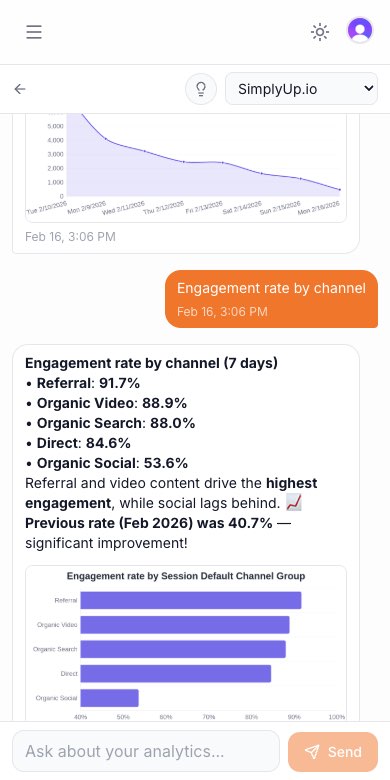
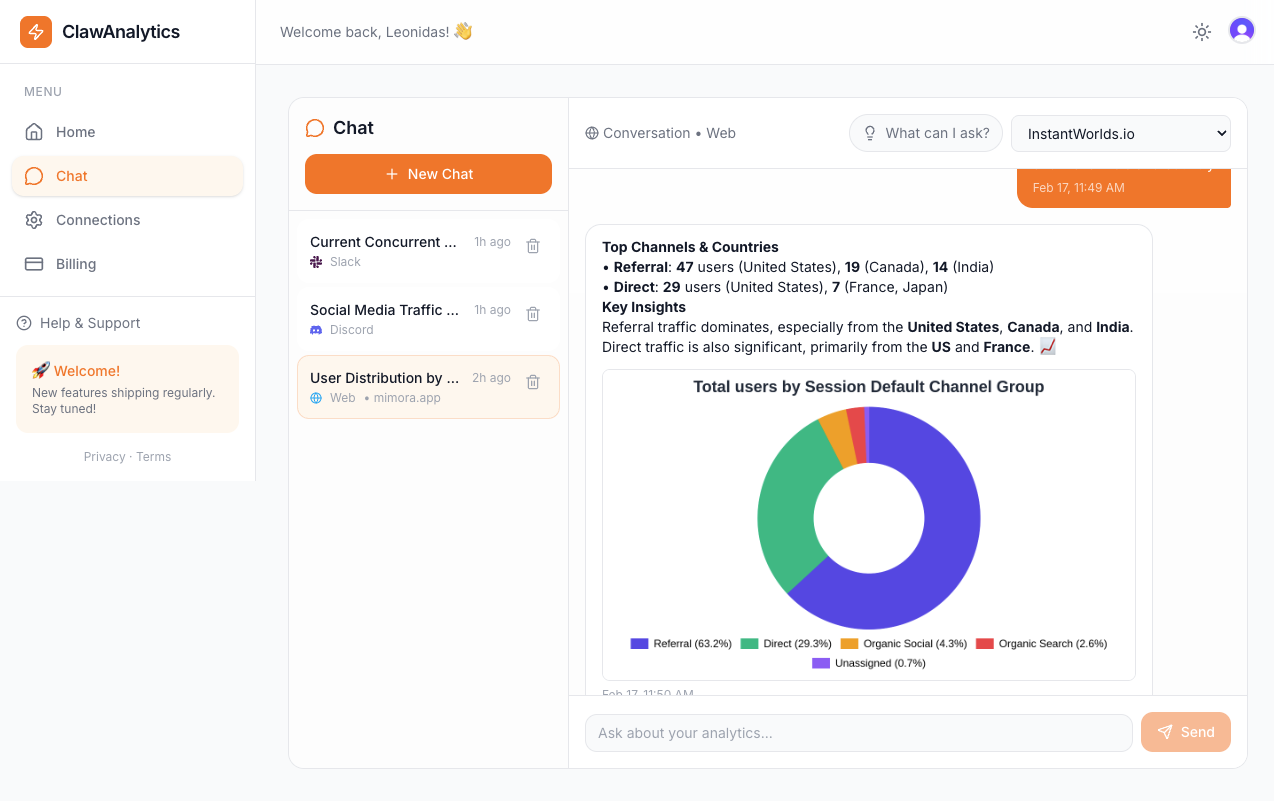
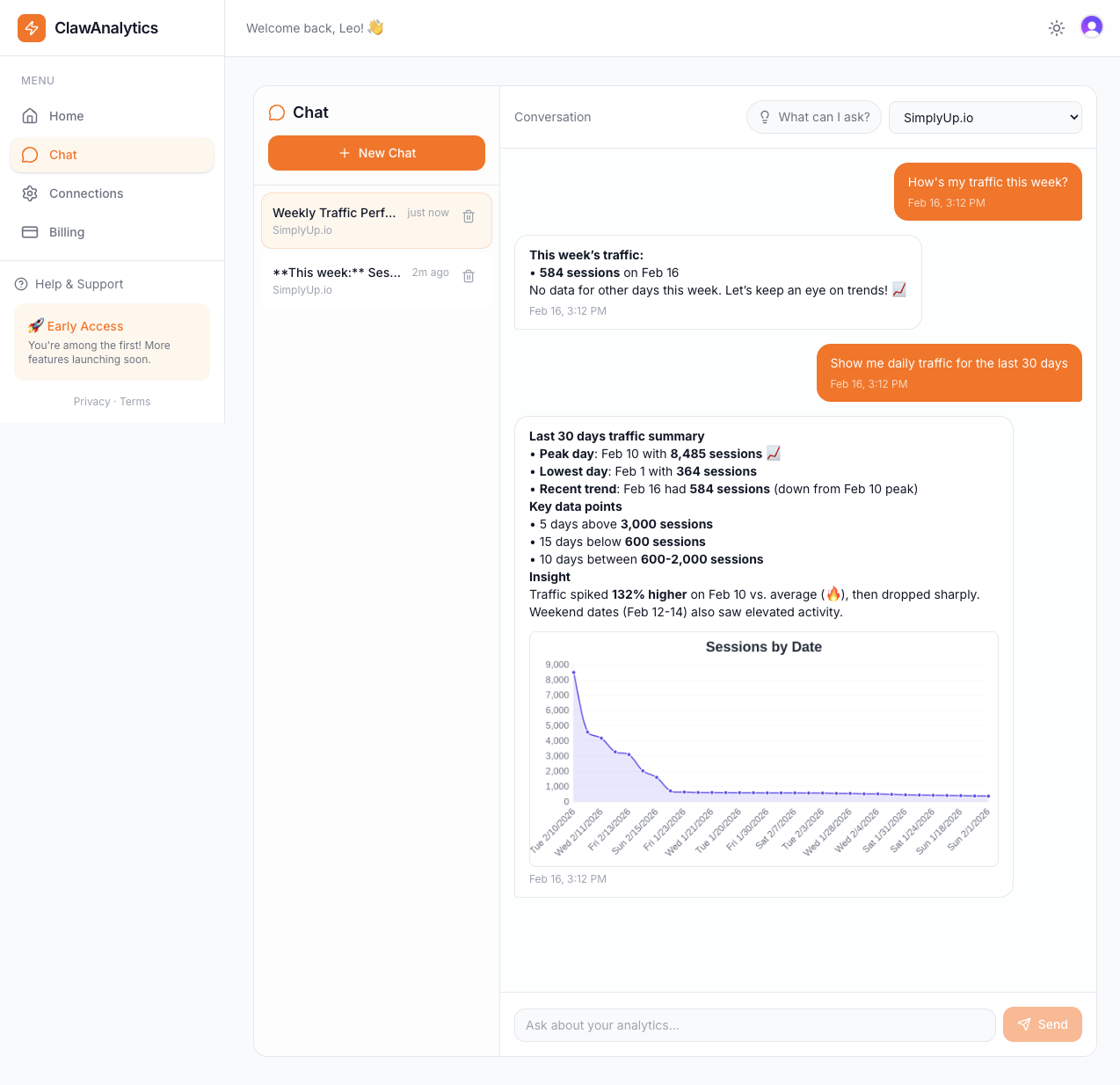
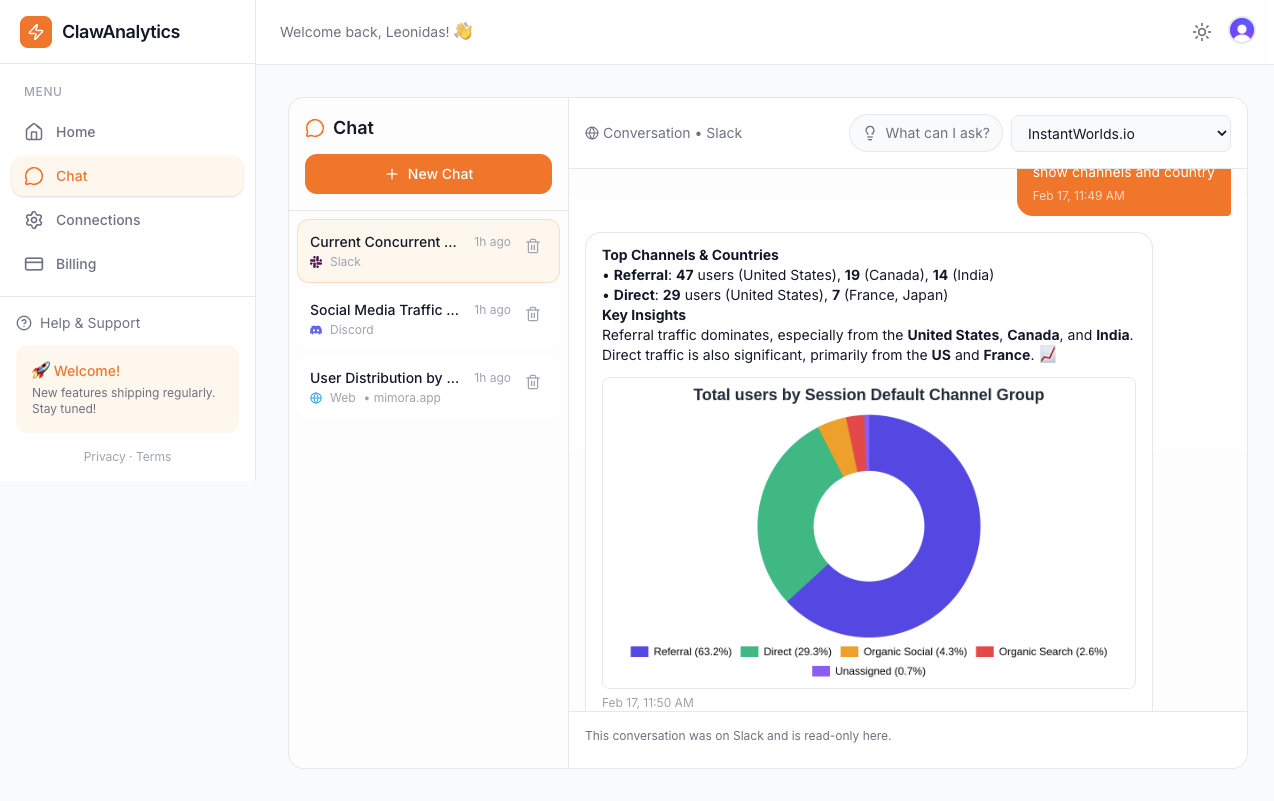
Ask ClawAnalytics: “Which products have high page views but low add-to-cart rates and why?” The AI analyzes factors like price positioning, description quality, and image appeal to suggest specific improvements.
You can also ask “What products do customers typically view together in one session?” This reveals natural bundling opportunities. Instead of guessing which products work well together, you get data-driven recommendations that actually increase sales.