How to Track Page Views for Ecommerce
A customer lands on your ecommerce site. Do they view one product and leave, or do they browse three categories, compare two items, and add one to cart? Page views tell this story. Each view is an opportunity to present your product, build desire, and move toward conversion.
Why Page Views Matter for Ecommerce
Page views count how many individual pages a visitor loads during their session. In ecommerce, this directly connects to product exposure and revenue.
Here is the dollar example: An online store with 10,000 monthly sessions averaging 2.5 pages per session generates 25,000 total page views. If 2% convert at $50 average order, revenue is $10,000. Improving navigation to boost pages per session to 4.0 increases total views to 40,000. Even at a slightly lower conversion of 1.8%, the additional product exposure drives revenue to $36,000, a massive increase.
High page views without conversions may indicate window shopping. Low page views may indicate traffic coming to the wrong pages or poor navigation.
What Causes Ecommerce Issues with Page Views
Poor category navigation. If visitors cannot easily browse from one product to related items, they view one page and leave. Each category should link to relevant subcategories and products.
Missing related products. A customer viewing a product page has shown interest. No “you might also like” section wastes that intent.
Complicated checkout. When checkout requires too many steps or accounts, visitors abandon after viewing just the cart page.
No internal search optimization. Visitors who search and get poor results leave immediately. Each failed search is a lost page view and lost revenue.
Product images that do not load. If product images fail, visitors bounce without viewing additional pages. They assume the site is broken.
How to Track It
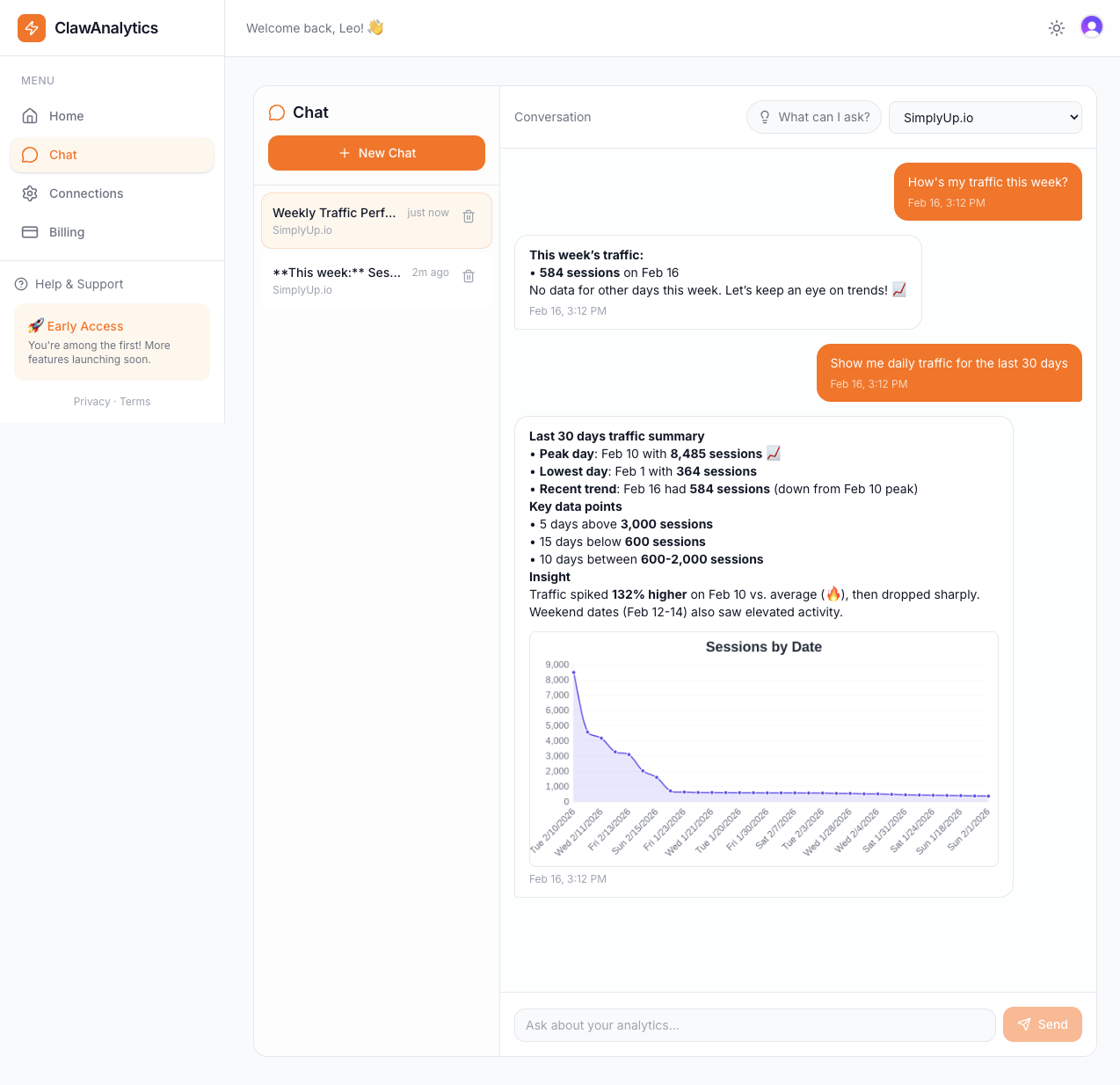
Track page views in Google Analytics 4 to understand exactly how customers navigate your store.
Ensure GA4 ecommerce events are firing on your site. In GA4, create a report showing Pages and Screens with Page Views as the metric. Sort by views to see your top performers and bottom performers.
Compare pages per session by traffic source: visitors from Instagram might average 2 pages (product-focused) while Google search visitors might average 4 pages (browsing more). This informs where to focus marketing spend.
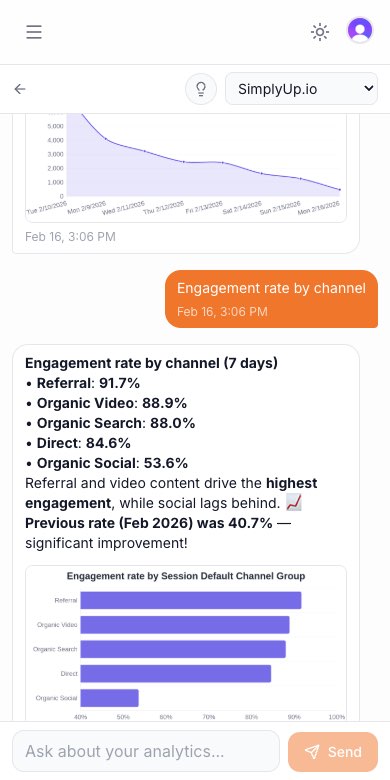
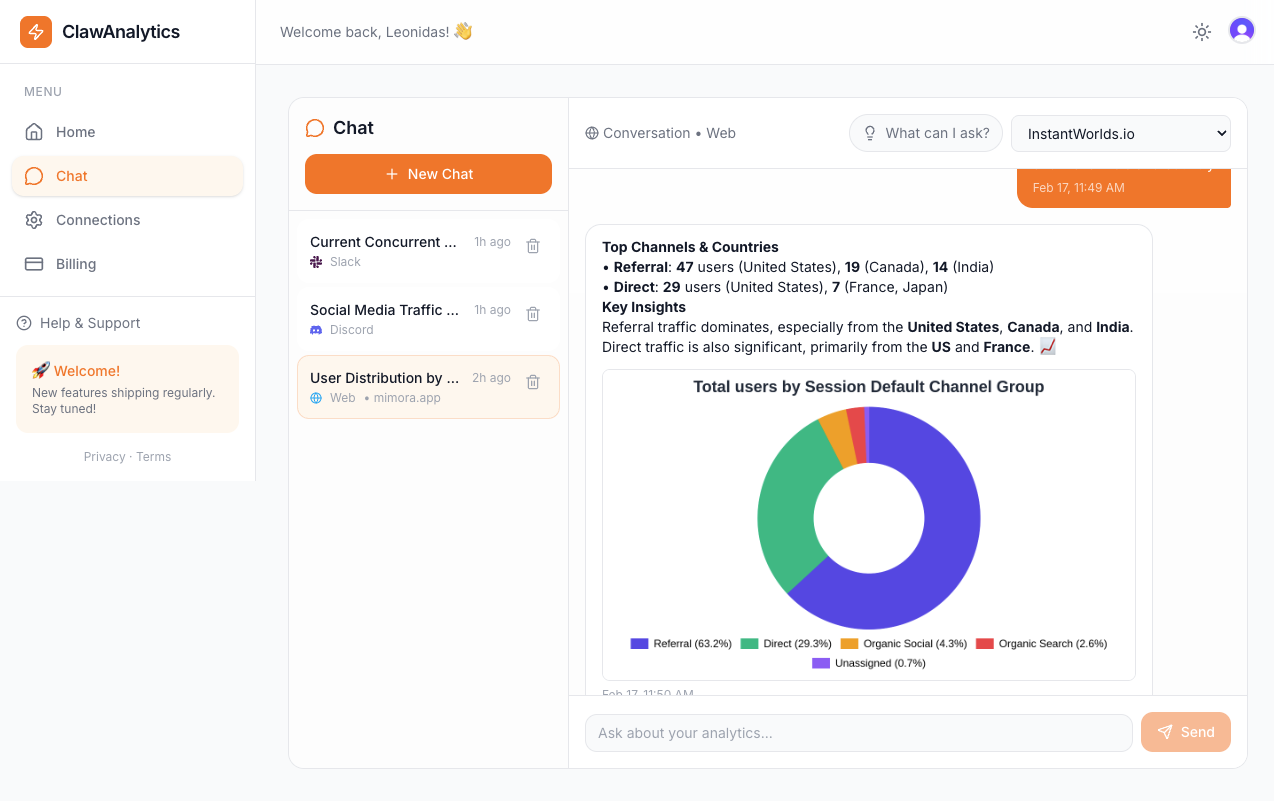
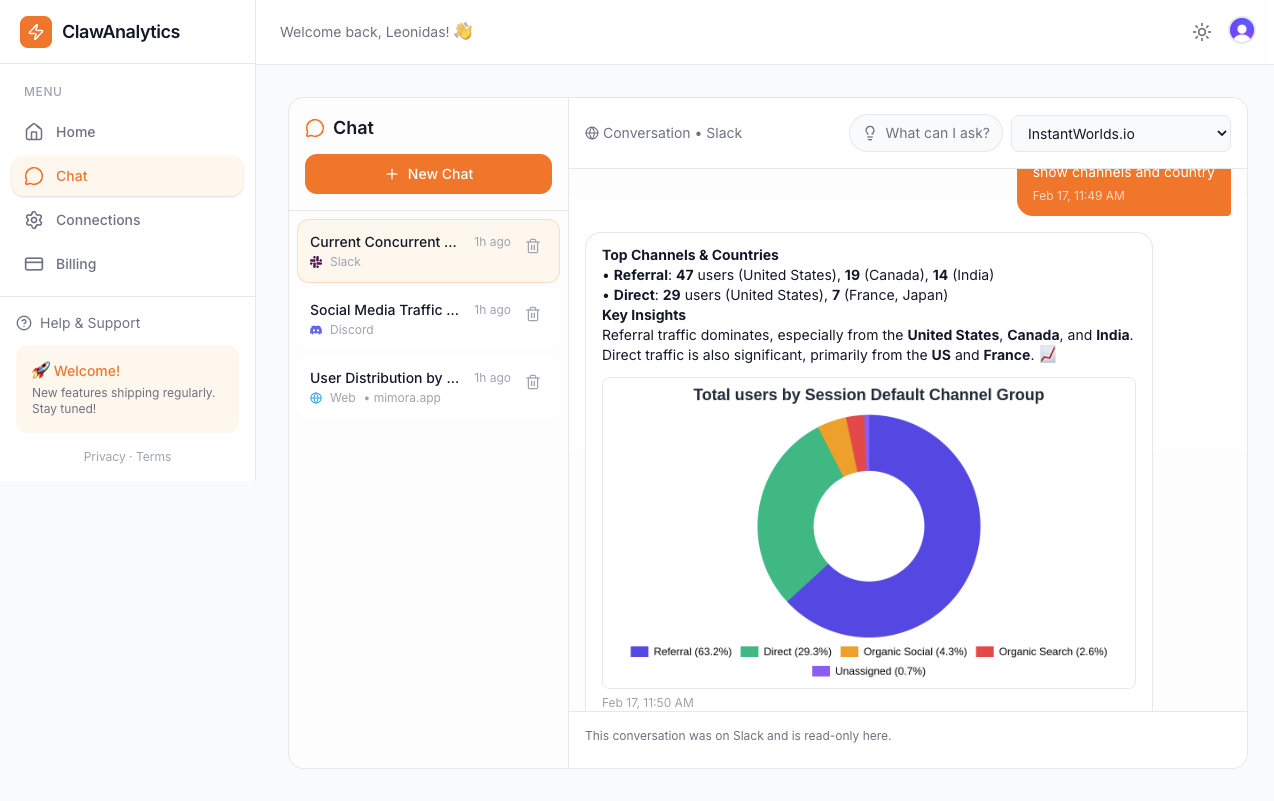
Use ClawAnalytics to see what visitors search for on your site. If many search “gift ideas” or “size guide” and leave, you have an information gap. Add gift guides or a prominent size chart. Example: if 50 visitors this week searched for “women’s sizing” and bounced, that page likely needs better content.
Set up a custom dimension for “product category” in GA4 to compare page views across categories. Electronics might average 3 pages per session while clothing averages 5.
Quick Wins
-
Add “Shop the Look” sections. Show multiple products together. This naturally increases page views by giving visitors more to click.
-
Optimize your category pages. Include filters, clear sorting options, and “load more” functionality to keep visitors browsing.
-
Use breadcrumbs. Help visitors understand where they are and how to navigate back to related products easily.
-
Add internal search suggestions. As visitors type, show popular searches and product suggestions. This increases pages viewed by helping searchers find what they want faster.