Finance Last updated February 23, 2026

How to Track Page Views for Finance

Your finance website engagement reveals key insights. Learn what causes low page views, what good looks like, and how to fix it with real data.

Your client just closed a mortgage application on your finance website. But you have no idea which blog post guided them there or how long they spent researching rates. That’s a problem.

Why Page Views Matter for Finance

In finance, every page view tells a story about trust building. A visitor reading three pages about refinancing versus someone bouncing after one page have very different conversion probabilities.

What good looks like:

  • Financial advisors: 3-5 pages per session
  • Banking sites: 4-7 pages per session
  • Insurance providers: 2-4 pages per session

A single additional page view per session correlates with 35% higher conversion rates in financial services. When someone reads your “How to Calculate Mortgage Points” article and then visits your rates page, they are 4x more likely to apply.

What Causes Finance Website Issues with Page Views

1. Complex Navigation Structures Many finance sites bury important content under multiple menu layers. Visitors give up before finding what they need.

2. Lack of Educational Content Product pages alone do not inspire extended browsing. Without calculators, guides, and blog content, there’s nothing to explore.

3. Slow Load Times on Financial Calculators These critical tools often run heavy scripts. A 3-second delay can cut page views by 25%.

4. No Clear Content Pathways Visitors arrive on product pages with no logical next step. You need internal links guiding them deeper.

5. Mobile Experience Gaps Over 60% of finance research happens on mobile. Sites that do not render well lose engaged visitors instantly.

How to Track Page Views in Finance

In GA4, navigate to Reports > Engagement > Pages and screens. Look for these key metrics:

  • Pages per session - your primary engagement indicator
  • Average engagement time - targets 90+ seconds for finance content
  • User journey flow - find where people drop off

Example questions to ask in your analytics:

  • “Which blog posts lead to rate page visits?”
  • “Do visitors who use our mortgage calculator view more pages?”
  • “What is the page path from initial visit to application?”

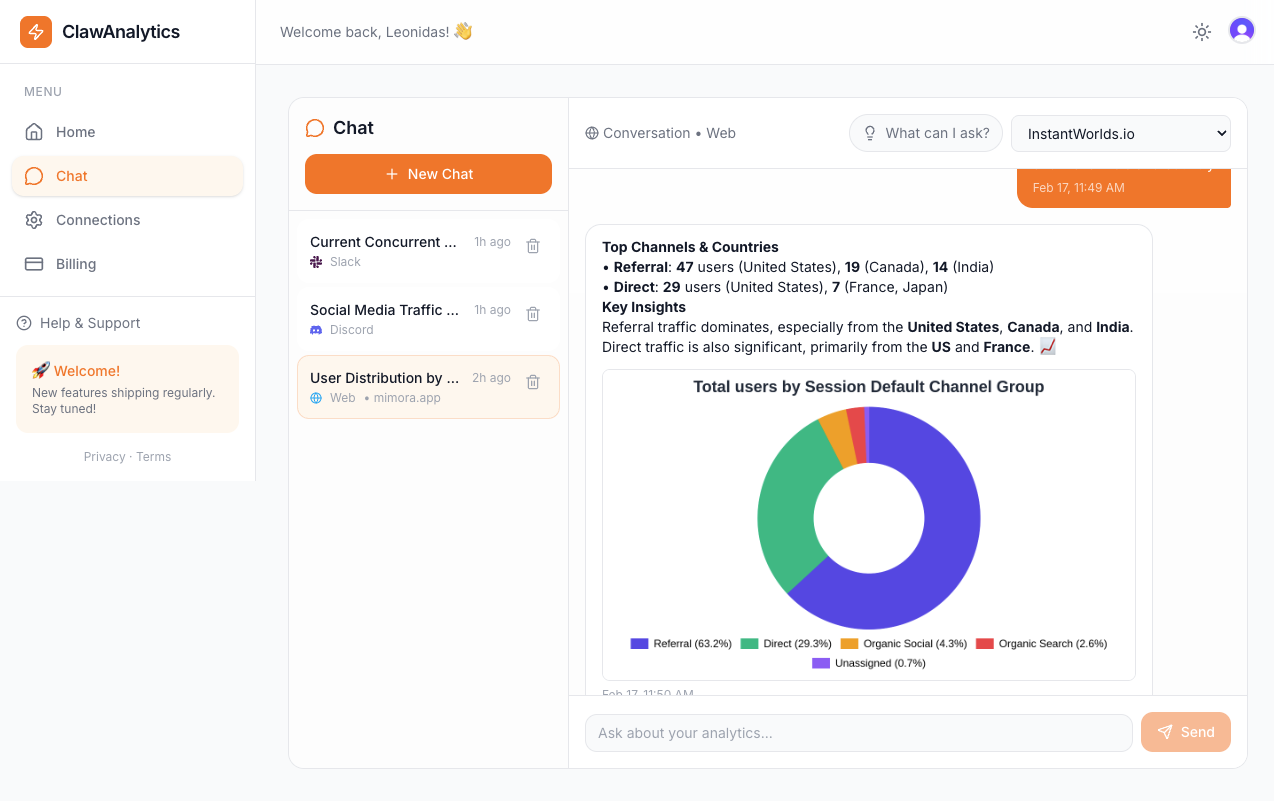
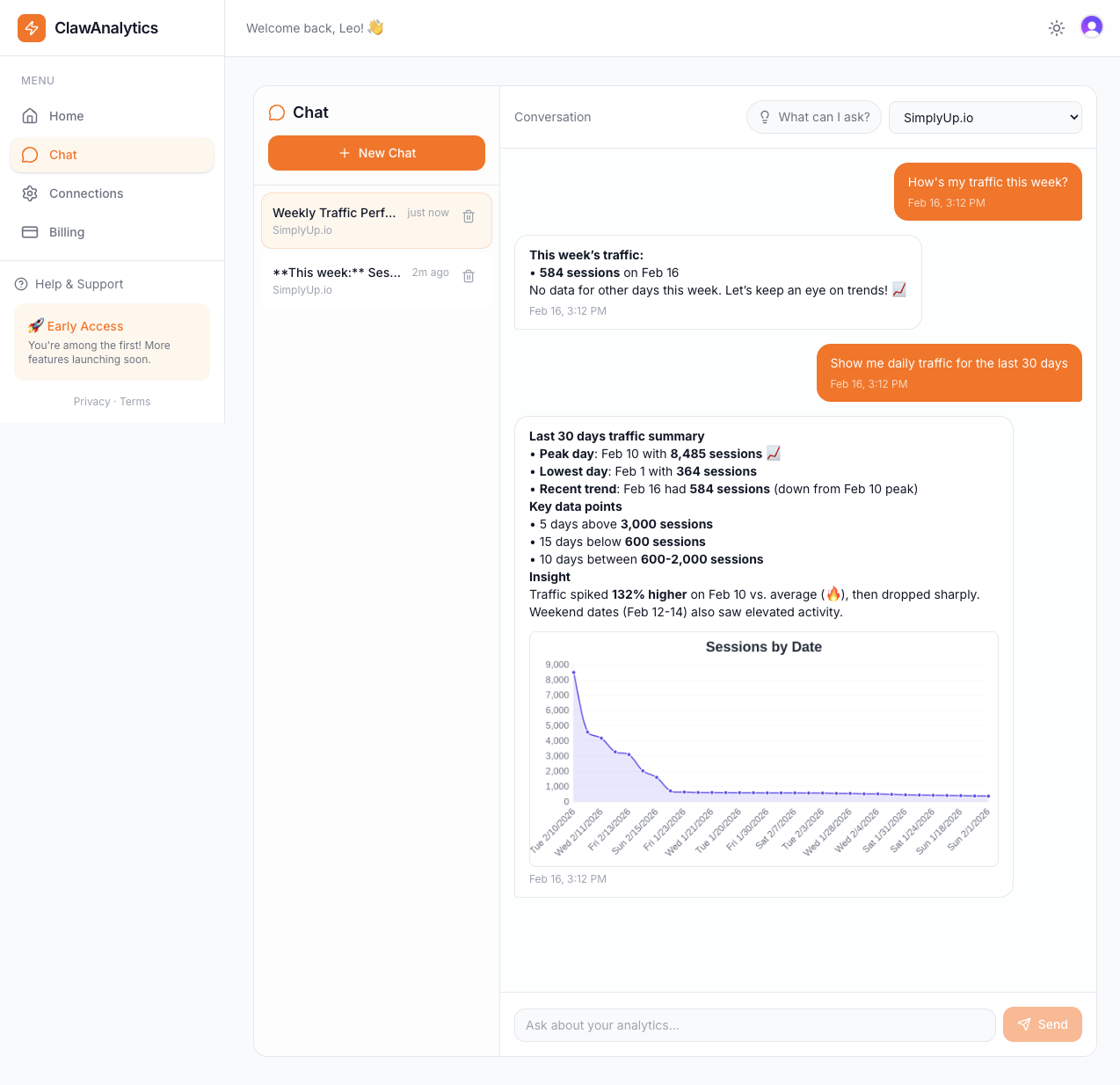
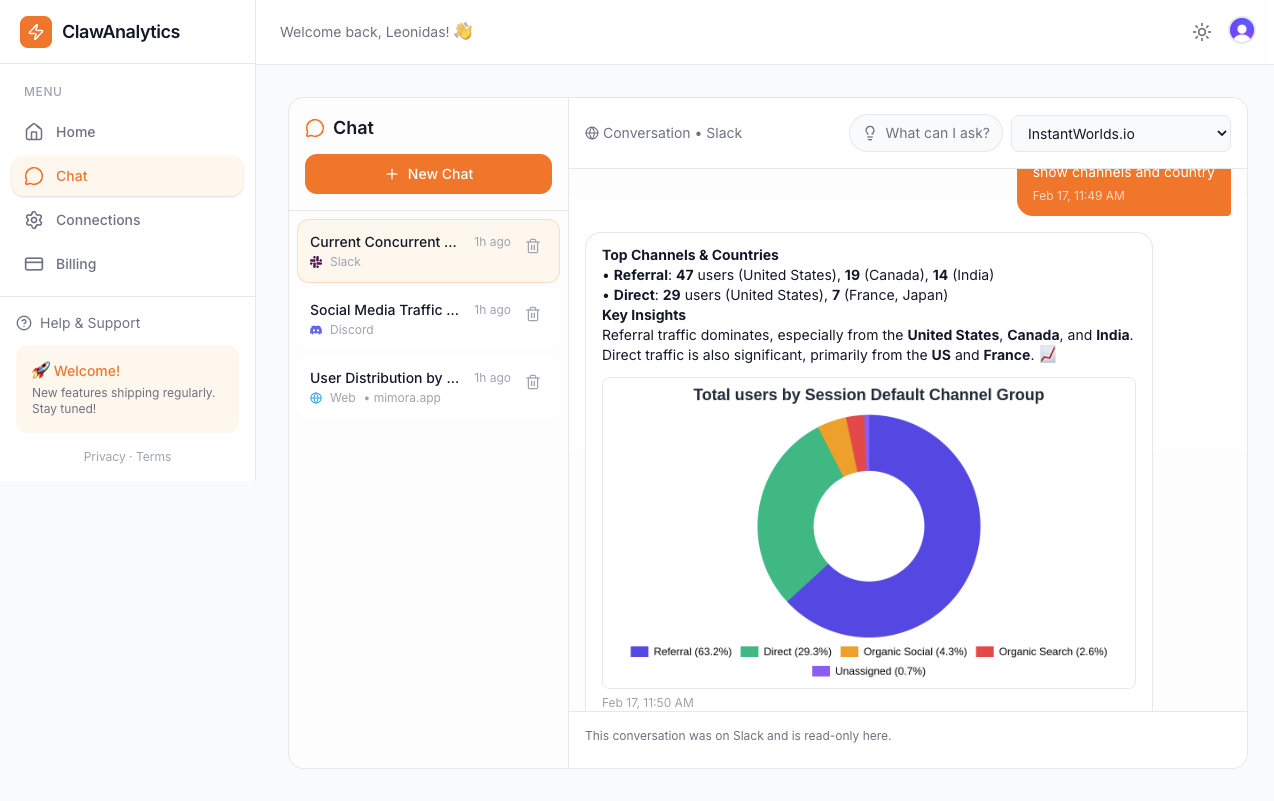
ClawAnalytics makes answering these questions simple. Connect your GA4 property and use the Content Performance dashboard to see exactly which finance content drives the most qualified traffic. You will discover which articles create the strongest pathways to your conversion pages.

Quick Wins to Increase Finance Page Views

  1. Add a “Related Articles” section to every blog post. This keeps visitors reading and builds authority.

  2. Create a resource hub grouping calculators, guides, and FAQs. Hub pages naturally attract 2-3x more views than standard pages.

  3. Internal link from product pages back to relevant blog content. Give visitors a reason to stay and research more.

  4. Optimize page load speed for calculators and interactive tools. Every second counts for engagement metrics.
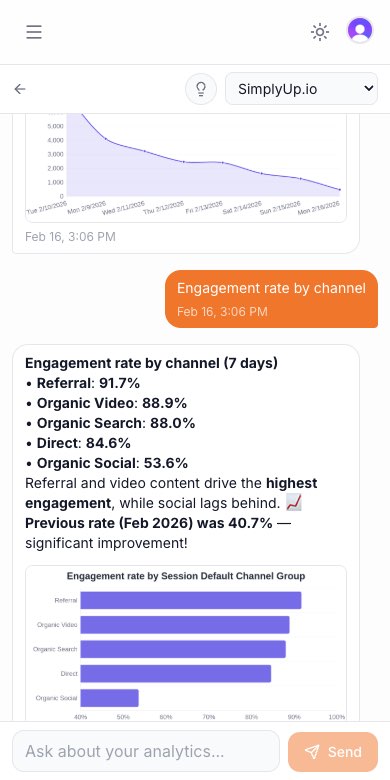
Check your analytics from anywhere

On your morning commute. At a coffee shop. In a meeting. Pull up your analytics on any device and get instant answers.

  • Web dashboard on desktop & mobile
  • Discord bot for team channels
  • Slack integration for your workspace
  • MCP server for AI agents (Claude, Cursor)
See your traffic in 60 seconds →
ClawAnalytics mobile chat showing engagement rate breakdown with charts

How ClawAnalytics helps

Skip the dashboards. Get answers in seconds.

🔗
1

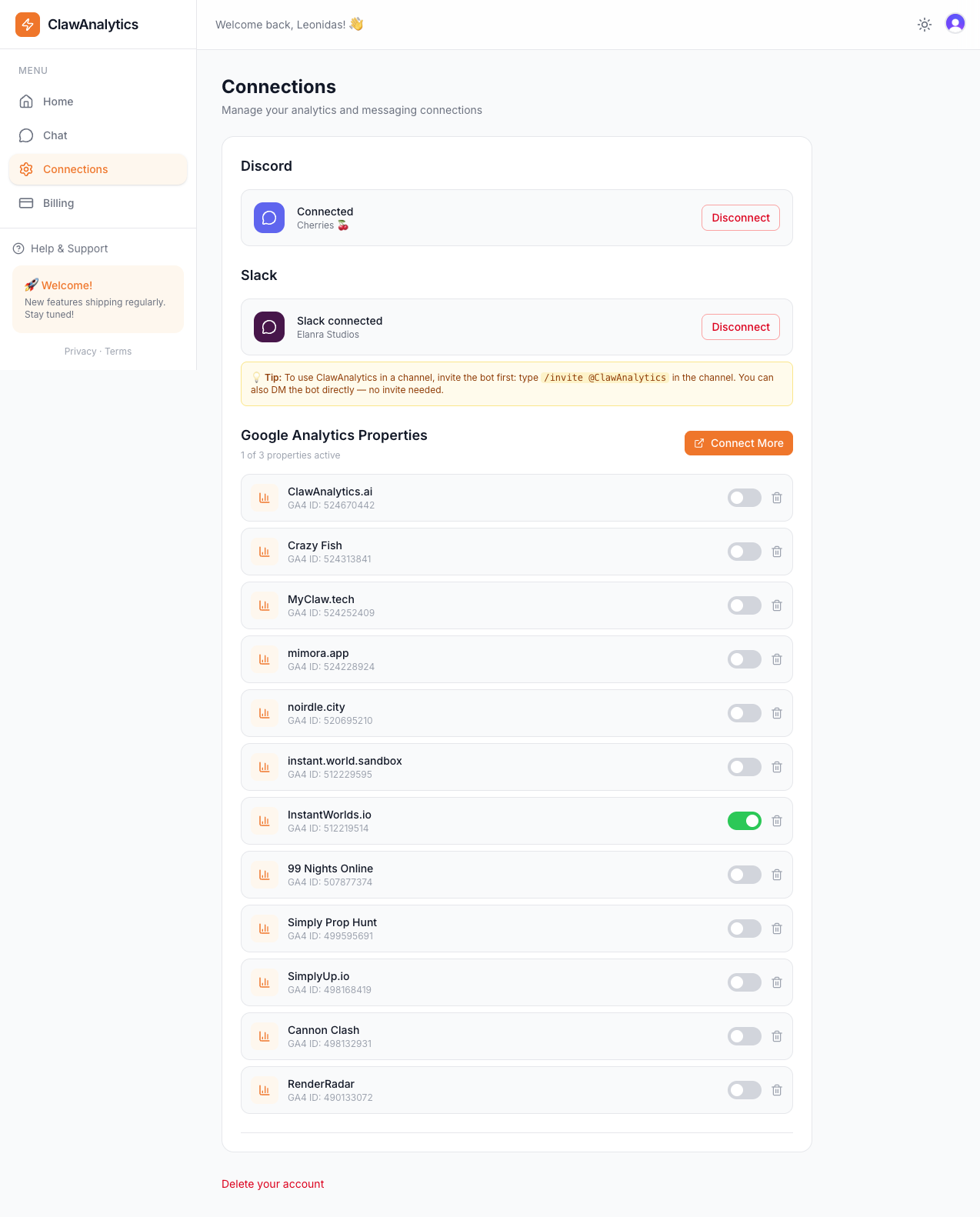
Connect GA4

One-click OAuth. Read-only access. Takes 30 seconds to link your Google Analytics property.

ClawAnalytics connections page showing Google Analytics properties linked
💬
2

Ask questions

Type in plain English. No query language, no filters, no date pickers. Just ask what you want to know.

ClawAnalytics chat interface with natural language query
📊
3

Get answers with charts

Instant responses with visualizations. Share charts with your team or export the data.

ClawAnalytics showing chart response to analytics query

See it in action

Ask a question. Get a chart. That simple.

ClawAnalytics Chat
ClawAnalytics chat interface showing a natural language analytics query with chart response

Works on web, Discord, and Slack. Also available as an MCP server for AI agents.

Leonidas Maliokas
"I used to open Google Analytics 5 times a day and still miss things. Now I get a summary every morning and ask follow-ups when something looks off. Takes 10 seconds instead of 10 minutes."

Leonidas Maliokas

Founder, Elanra Studios

🎮 5 games monitored 💼 3 businesses

Simple, honest pricing

Start free. Upgrade when you're ready.

Free

Try it out

$0 /month
  • 5 websites
  • 30 questions/month
  • Web dashboard
  • No credit card
Start Free

Website

For small businesses

$9 /month
  • 5 websites connected
  • 100 questions/month
  • Daily morning summary
  • Web dashboard + Discord
Get Started

Business

For agencies and portfolios

$79 /month
  • Unlimited websites
  • 2,000 questions/month
  • Everything in Pro
  • ✅ API access
  • ✅ MCP integration
  • ⭐ Priority support
Get Started

Stop opening dashboards.
Start asking.

Connect Google Analytics in 30 seconds. Get answers from the dashboard or Discord. Start free — no credit card needed.

Try it free — ask your first question
30-second setup Free plan available Cancel anytime

Got questions?

What is a good page view rate for finance websites?
Finance websites typically see 2-4 page views per session. Sites with strong content marketing often achieve 4-6 pages per session, while transactional sites may see 1-3.
How do I track which finance content performs best?
Set up content grouping in GA4 to categorize blog posts, product pages, and resources separately. This lets you see which content types drive the most engagement.
Should finance websites track page views differently than other industries?
Focus on high-value page tracking for loan calculators, rate pages, and application forms. These pages have direct revenue impact and warrant custom event tracking.
How do I compare my finance website to industry benchmarks?
Use tools like SimilarWeb or SEMrush for competitive analysis. Finance sites average 45-60% bounce rate, so aim below 50% for best results.

Related guides

More resources to help you get the most from your analytics.