How to Track Pages Per Session for Painting
A homeowner wants to repaint their living room. They search “interior painter near me.” They click your website, browse interior painting, check your exterior services, then look at your portfolio. Three pages. That is pages per session.
This metric tells you whether visitors find your website useful. More pages viewed means customers are researching your painting services. They are one step closer to booking a job.
Why Pages Per Session Matters for Painters
It shows customer engagement. Someone who views only your homepage might be comparing prices. A visitor who reads about cabinet painting, then color consultation, then prep work understands your full offerings. They are serious about hiring.
It reveals content gaps. You might think customers care most about price. But if your “Cabinet Refinishing” page gets way more views than your pricing page, you know where interest lies.
It improves lead quality. Customers who read multiple pages know exactly what you offer. They have realistic expectations. They call ready to book, not just asking questions.
It guides content strategy. When you know which pages perform well, you create more of that content. If “Commercial Painting” pages get high engagement, add more commercial-related content.
How to Check in GA4
Google Analytics 4 tracks this automatically:
- Log in to your GA4 account
- Navigate to Reports in the left sidebar
- Click Engagement and select Pages and Screens
- Find the Session metrics section
- Look for Average pages per session
Create a custom report. In Explore, start a Blank Report. Add “Pages per session” as your metric. Add “Page path” as a dimension. Filter by users with sessions longer than 90 seconds.
Segment by traffic source. See if visitors from Google search have different pages per session than visitors from social media or referrals. This shows which channels bring engaged customers.
The Easier Way
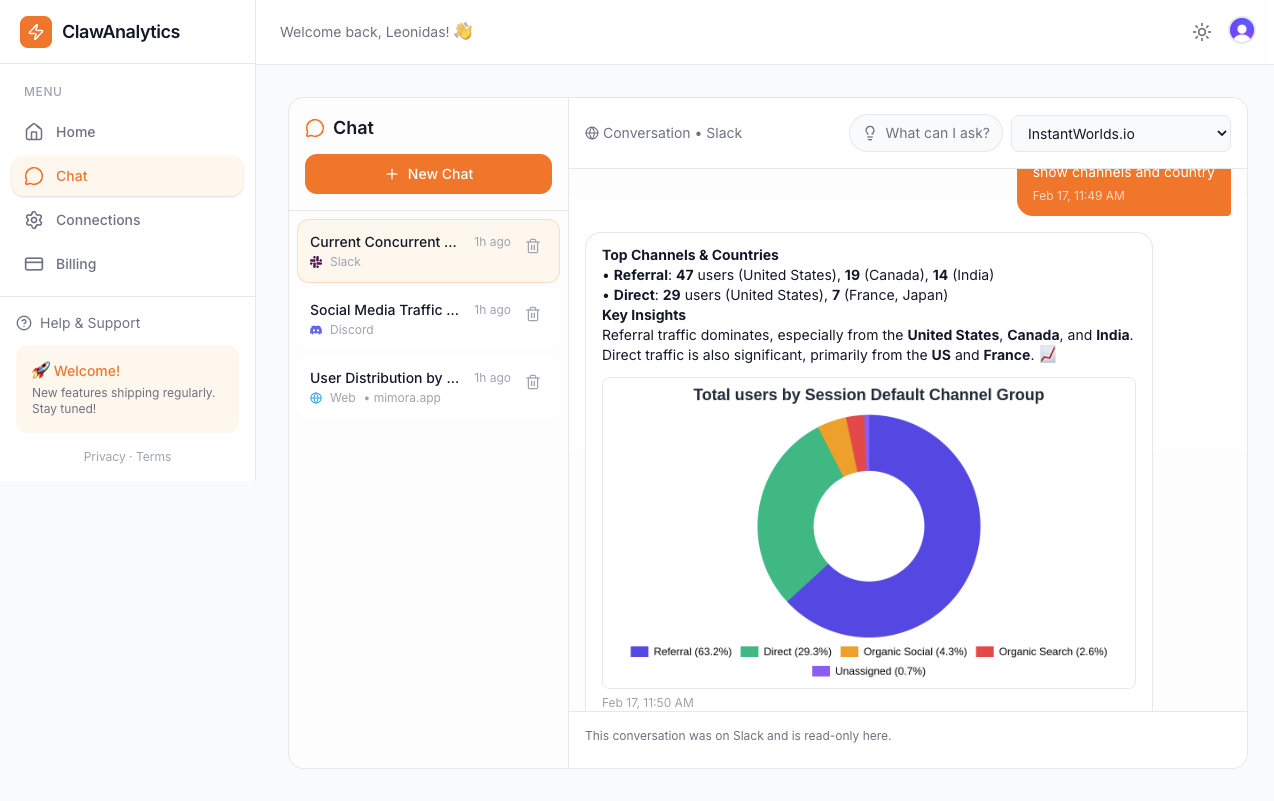
You became a painter to transform spaces, not analyze data. ClawAnalytics makes tracking simple.
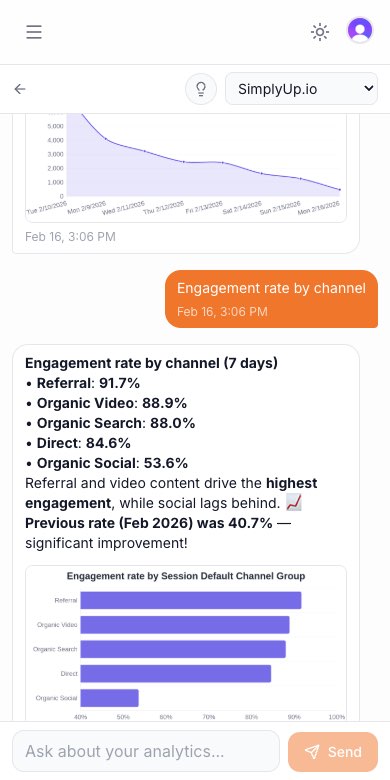
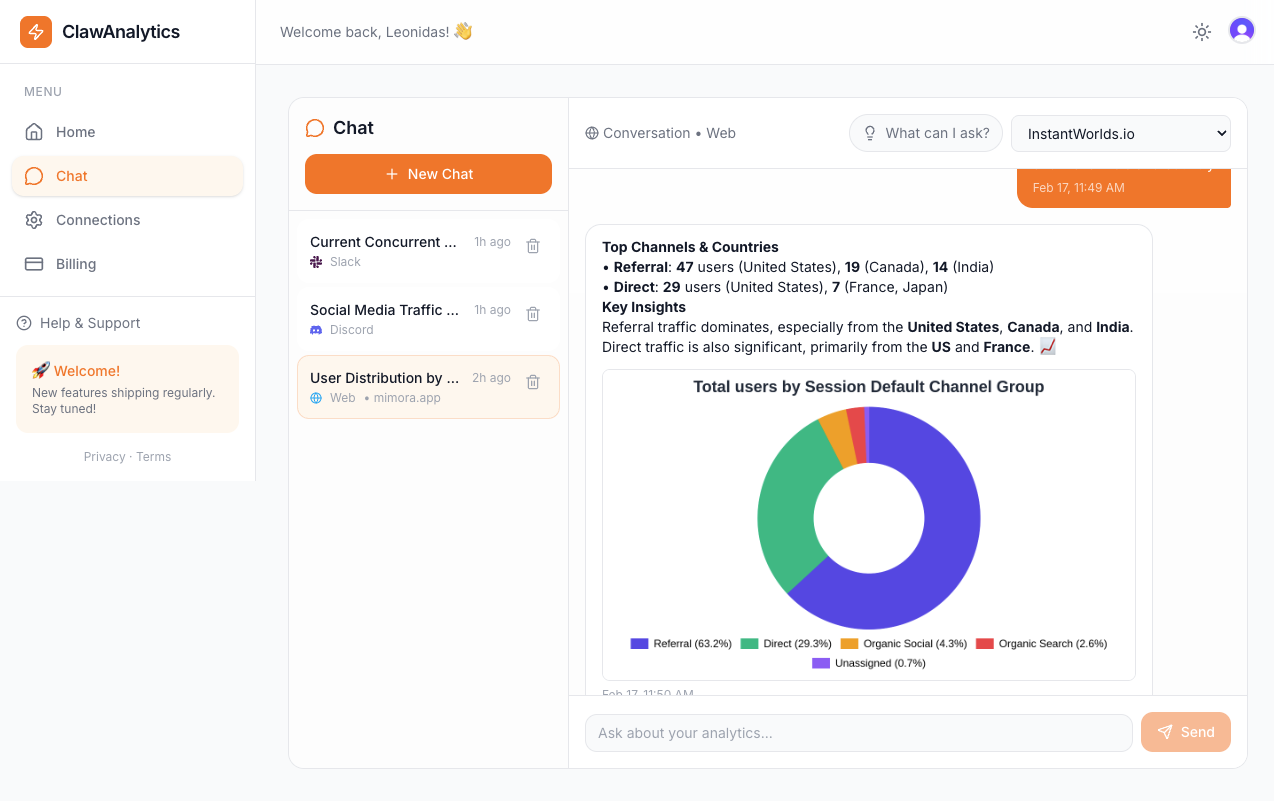
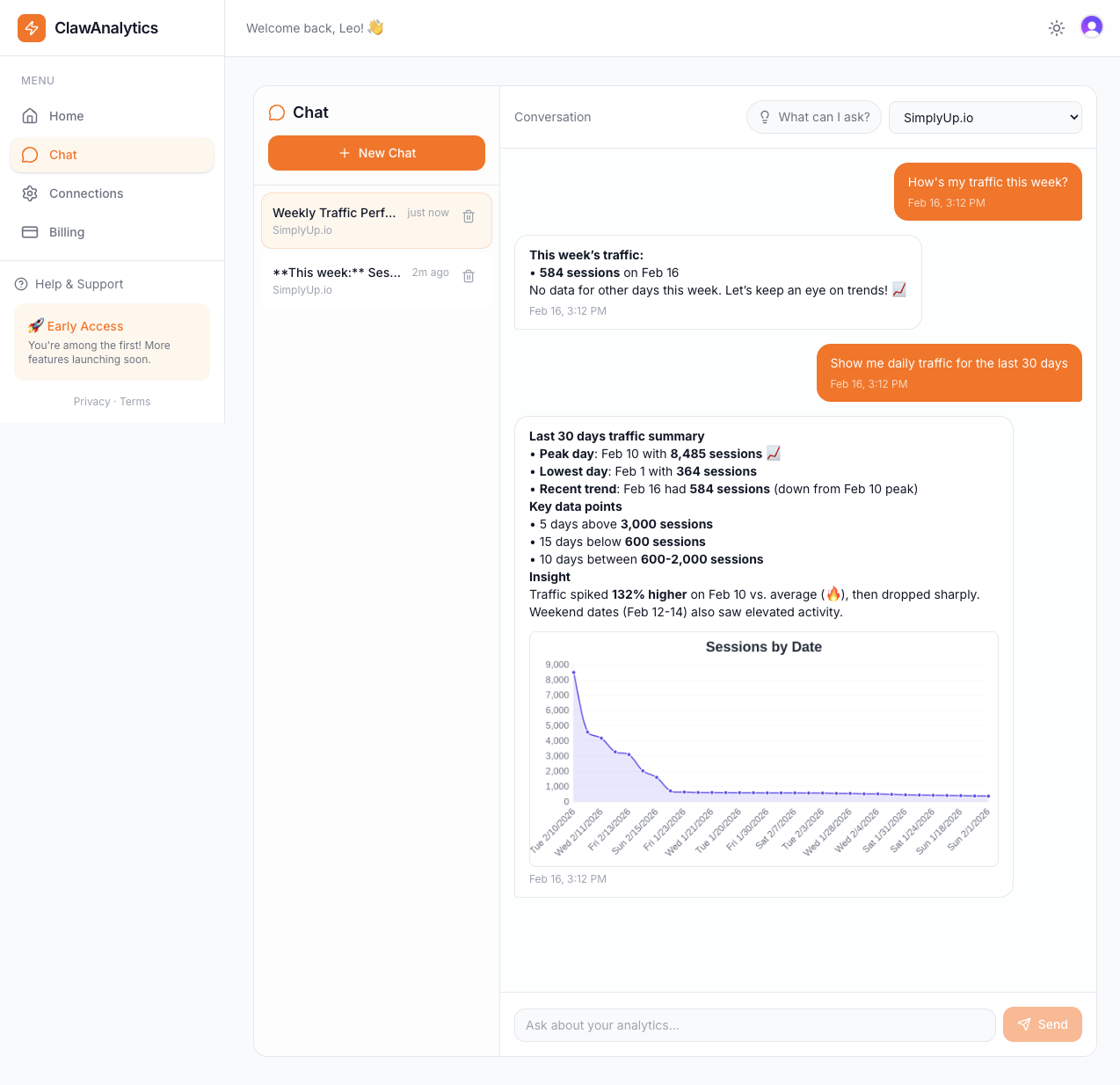
ClawAnalytics automatically pulls your pages per session. You see clear trends. No complex reports to figure out.
Painting contractors get answers to questions like:
- Are customers reading my cabinet painting page?
- Which color guide gets the most views?
- Should I add a page for deck staining?
ClawAnalytics gives you actionable insights without the learning curve.
Quick Wins
Create service-specific pages. Break up your services. Separate pages for interior painting, exterior painting, cabinet refinishing, commercial painting, and color consultation each give visitors more to explore.
Add a color guide. Customers spend hours picking colors. A color guide page keeps them on your site longer. Include popular color combinations, trending palettes, and room-specific recommendations.
Build a portfolio. Before and after photos are powerful. Separate galleries for residential and commercial projects. Include details about each job like square footage and paint type.
Write how-to articles. Posts like “How to Prepare Your Walls for Painting” or “Best Paint Colors for Small Rooms” answer customer questions. They pull visitors deeper into your site.
Include testimonials. Customer reviews on multiple pages build trust. Video testimonials are even better. People who read reviews on three pages are more likely to call.
Add a blog. Post seasonal content like “Best Colors for Fall” or “Summer Interior Painting Tips.” Each blog post is another indexed page that can rank in search results.
Track your pages per session monthly. Compare pages across services. When you add new content, watch the numbers. Your website should help you get more painting jobs.